Are There Any Fillers in Premium Cat Treats? (Spoiler: Usually Yes)
What counts as a filler in cat treats, why even premium brands use them, and a 60-second audit you can run on any pack before you buy it.
By the Cleos team · 7 September 2026 · 10 min read
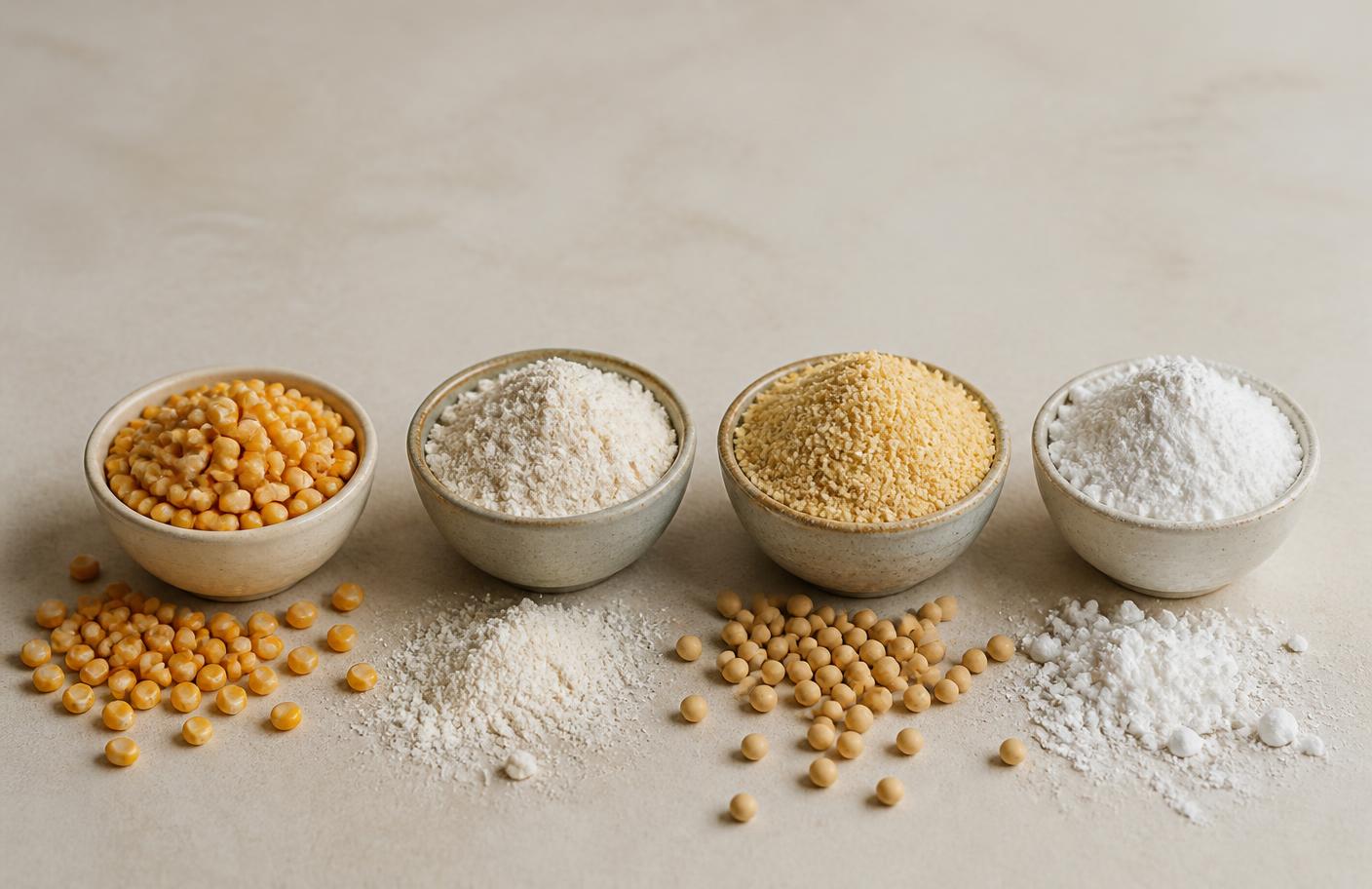
Most cat parents believe that paying a higher price for "premium" treats guarantees a higher standard of nutrition for their feline companions. However, a closer look at the back of the pack often reveals a cocktail of starches, binders, and sugars that serve the manufacturer's bottom line rather than your cat's health.
In short: Despite the "premium" labels, many commercial cat treats contain significant amounts of wheat, corn, soy, and chemical thickeners to create bulk and texture, which can lead to weight gain and digestive upset in obligate carnivores.
Defining Fillers vs. Functional Ingredients
When we discuss cat treat fillers, we are referring to ingredients that provide little to no nutritional value to a cat but are added to a product to provide bulk, texture, or to lower the cost of production. Because cats are obligate carnivores, their bodies are designed to process animal proteins and fats, not complex carbohydrates or plant-based proteins.
It is important to distinguish these from "functional ingredients." A functional ingredient serves a specific health purpose. For example, a small amount of taurine is essential for heart health, or a dash of fish oil provides necessary Omega-3 fatty acids. Fillers, conversely, are passive ingredients. They take up space where real meat should be.
In the Indian market, brands such as Whiskas, Purina Friskies, Sheba, Temptations, and Royal Canin all sell cat treats. While these brands vary in their formulations, the presence of carbohydrates and binders is a common thread across the industry. Understanding the difference between a necessary stabilizer and a cheap filler is the first step toward choosing high quality treats.
Common Fillers Found in 'Premium' Treats
Even products marketed as high-end often rely on ingredients that would be more at home in a bakery than a predator's diet. Here are the primary culprits to watch out for:
Wheat Gluten and Corn Starch
Wheat gluten is a concentrated protein derived from wheat. While it contains protein, it lacks the complete amino acid profile that cats require from animal sources. Corn starch is frequently used as a thickening agent, especially in lickable or "creamy" treats. These ingredients are high in carbohydrates, which can lead to blood sugar spikes and long-term weight issues.
Soy Protein and Cellulose
Soy is often used to boost the protein percentage on the "Guaranteed Analysis" panel without the expense of using real meat. However, plant proteins are less bioavailable to cats than animal proteins. Cellulose, which is essentially dried wood pulp or plant fiber, is used as a bulking agent or to help with hairball control, but in excess, it simply displaces more nutritious ingredients.
Excess Thickeners and Sugars
Have you ever wondered why lickable treats have that perfect, uniform consistency? It is often due to high concentrations of Guar Gum, Xanthan Gum, or Carrageenan. While small amounts are common, some "premium" brands use them to create a "meaty" mouthfeel in products that are mostly water. Furthermore, ingredients like maltodextrin or dextrose (sugars) are sometimes added to improve palatability, which is entirely unnecessary for a cat's palate.
Why Manufacturers Use Fillers
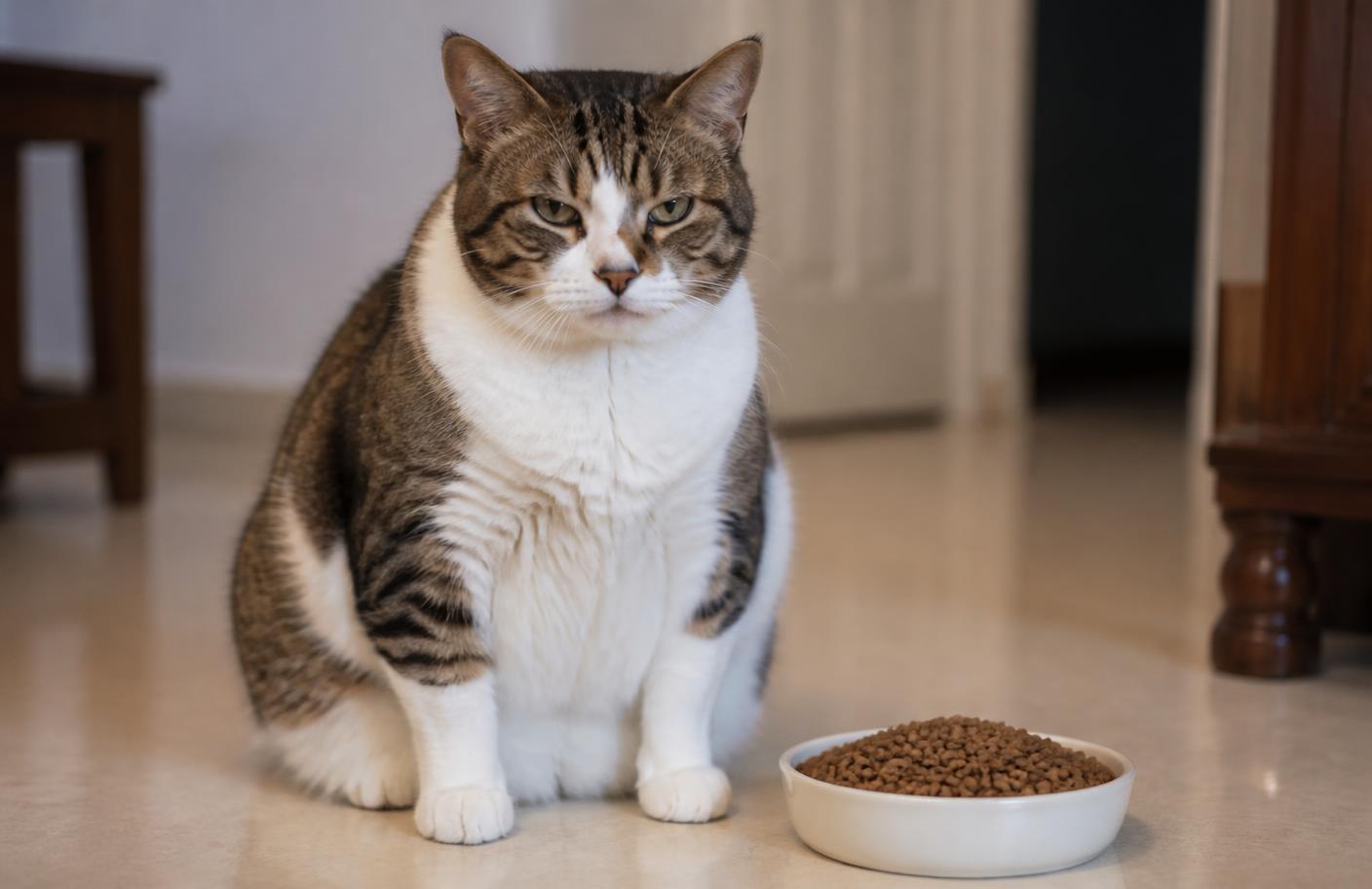
The pet food industry is a business of margins. Real animal protein—like the kind found in Cleos—is the most expensive component of any cat treat. By replacing just 10% of the meat with wheat gluten or tapioca starch, a manufacturer can significantly increase their profit margins while still claiming the product is "nutritious."
Beyond cost, fillers are used for mechanical reasons. In the production of dry kibble-style treats, starch is required to act as a "glue" to hold the biscuit together during the extrusion process. In wet treats, thickeners prevent the water and fat from separating, ensuring the product looks appealing to the human eye when squeezed out of the tube. Unfortunately, what looks good to a human is not always what is best for the cat. To learn more about how marketing masks these choices, read our guide on How to Read Cat Food Labels: Decoding Pet Food Marketing Claims.
The Health Impact of Filler-Heavy Diets
Cats lack the enzyme salivary amylase, which humans use to begin breaking down carbohydrates in the mouth. Their digestive systems are streamlined for protein and fat metabolism. When a cat consumes filler-free cat treats, their body utilizes almost every gram of the nutrient. When they consume treats laden with corn, soy, and wheat, several issues can arise:
- Obesity: Excessive carbohydrates are stored as fat. With nearly 40-50% of urban cats in India leaning toward being overweight, every calorie from a treat needs to count.
- Digestive Sensitivity: Many cats develop intolerances to wheat gluten or soy, leading to vomiting or diarrhea. You can explore better options in our article on Best Cat Treat Ingredients for Sensitive Stomachs.
- Blood Sugar Fluctuations: High-starch fillers can lead to insulin spikes, which is a risk factor for feline diabetes.
The American Veterinary Medical Association (AVMA) and International Cat Care provide extensive resources on the importance of species-appropriate nutrition to prevent these chronic conditions.
How to Audit Any 'Premium' Treat in 60 Seconds
You do not need a degree in feline nutrition to spot a filler-heavy treat. Follow this quick audit next time you are shopping:
| Step | What to Look For | Red Flags |
|---|---|---|
| 1. The First Ingredient | Must be a named meat (e.g., "Chicken" or "Tuna") | "Cereals," "Meat and Bone Meal," or "Meat By-products" |
| 2. The Top 5 Rule | At least 3 of the first 5 ingredients should be animal-based | Presence of Corn, Wheat, or Soy in the top 5 |
| 3. Texture Check | Does it rely on "Modified Starch" for its shape? | High placement of Tapioca, Potato Starch, or Guar Gum |
| 4. Sugar Search | Check for hidden sweeteners | Terms like Maltodextrin, Sorbitol, or Syrup |
If the label uses vague terms like "animal derivatives," you are likely looking at a product that prioritizes cost over quality. For a deeper dive into why specificity matters, see The Science Behind Named Ingredients vs Mystery Meat in Cat Treats.
Join the Cleos Waitlist: We believe cats deserve treats made with real ingredients, not industrial fillers. Our recipes are crafted with high protein and zero artificial fillers. Be the first to know when we launch in India by joining our waitlist at https://getcleos.in/#waitlist.
What a Filler-Free Formula Looks Like
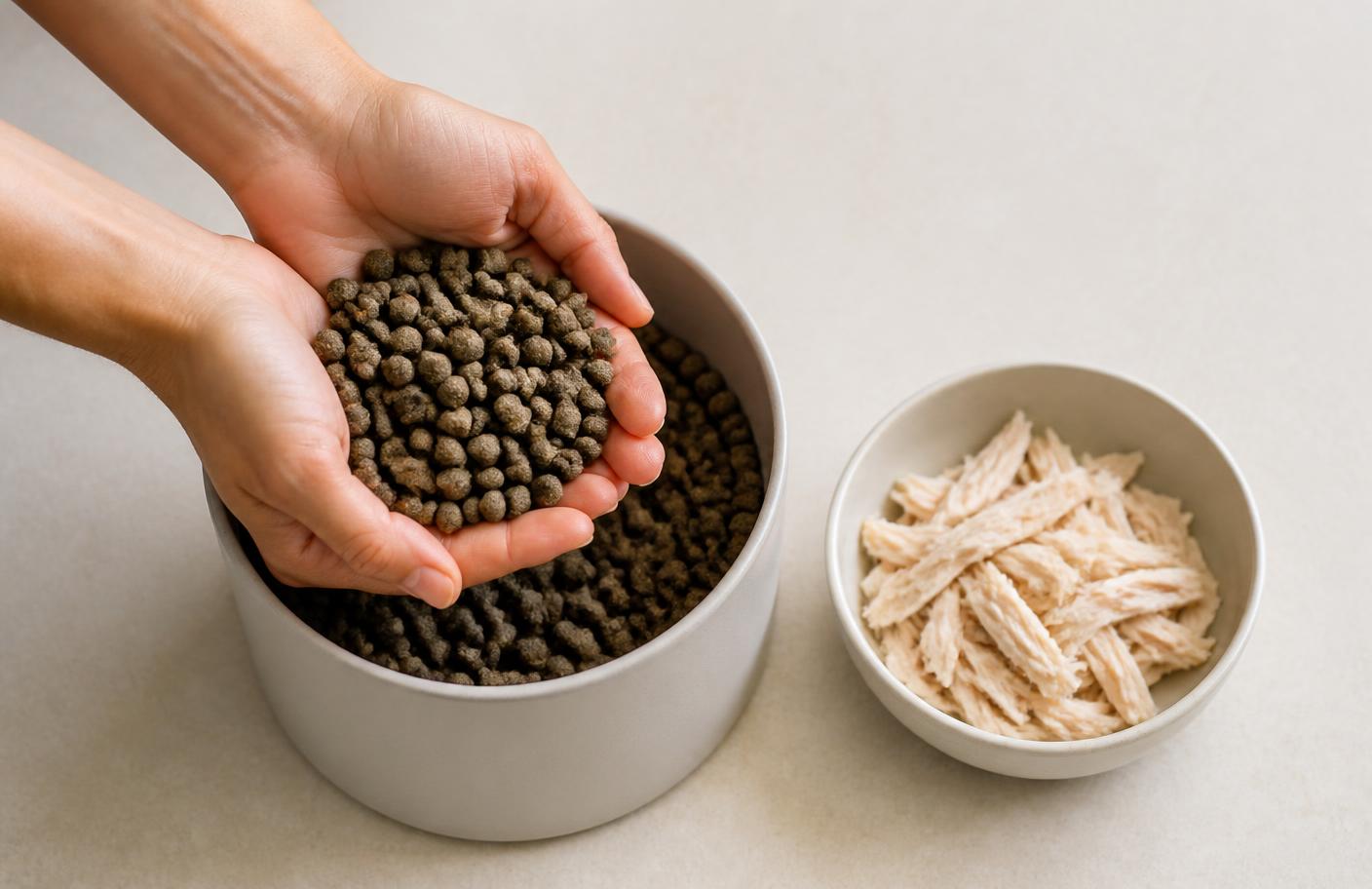
A truly high-quality treat formula focuses on simplicity. When you remove the "junk," you are left with ingredients that a cat's body actually recognizes and craves.
A high-protein lickable treat, for instance, should consist primarily of real meat (like Chicken or Tuna) and a hydrating base (like water or broth). If a binder is needed for consistency, premium brands will use minimal amounts of natural gums rather than heavy starches.
The Protein Advantage
High protein content is the gold standard for feline health. Unlike fillers, protein supports muscle maintenance, coat health, and immune function. In our Complete Guide to Protein Content in Cat Treats, we discuss how real animal protein provides the essential amino acids like taurine and arginine that plant-based fillers simply cannot provide.
The Taste Factor
Manufacturers often use artificial flavor enhancers to make filler-heavy treats palatable. However, when you use real named ingredients, these additives become unnecessary. Cats are naturally drawn to the scent of fresh fish and poultry. This is why Why Cats Love Lickable Treats: The Texture and Taste Advantage is so significant—the moisture and meat scent provide a sensory experience that no "corn-puff" treat can match.
Comparing 'Premium' Labels to Reality
It is common to see labels that boast "No Added Corn, Wheat, or Soy," only to find that the product contains "Pea Protein" or "Potato Starch" instead. These are what we call "boutique fillers." While they may be technically grain-free, they still serve the same purpose: filling the pouch with cheaper plant matter instead of meat.
When auditing a brand, look for the Association of American Feed Control Officials (AAFCO) guidelines or similar nutritional standards that emphasize clear labeling. If a brand is transparent about their ingredients, they will list exactly what fish or meat is used, rather than hiding behind "Meat Meal." You can read more about this distinction in Real Protein vs Meat Meal in Cat Treats: What Your Cat Actually Tastes.
The Cleos Standard: Real Ingredients Only
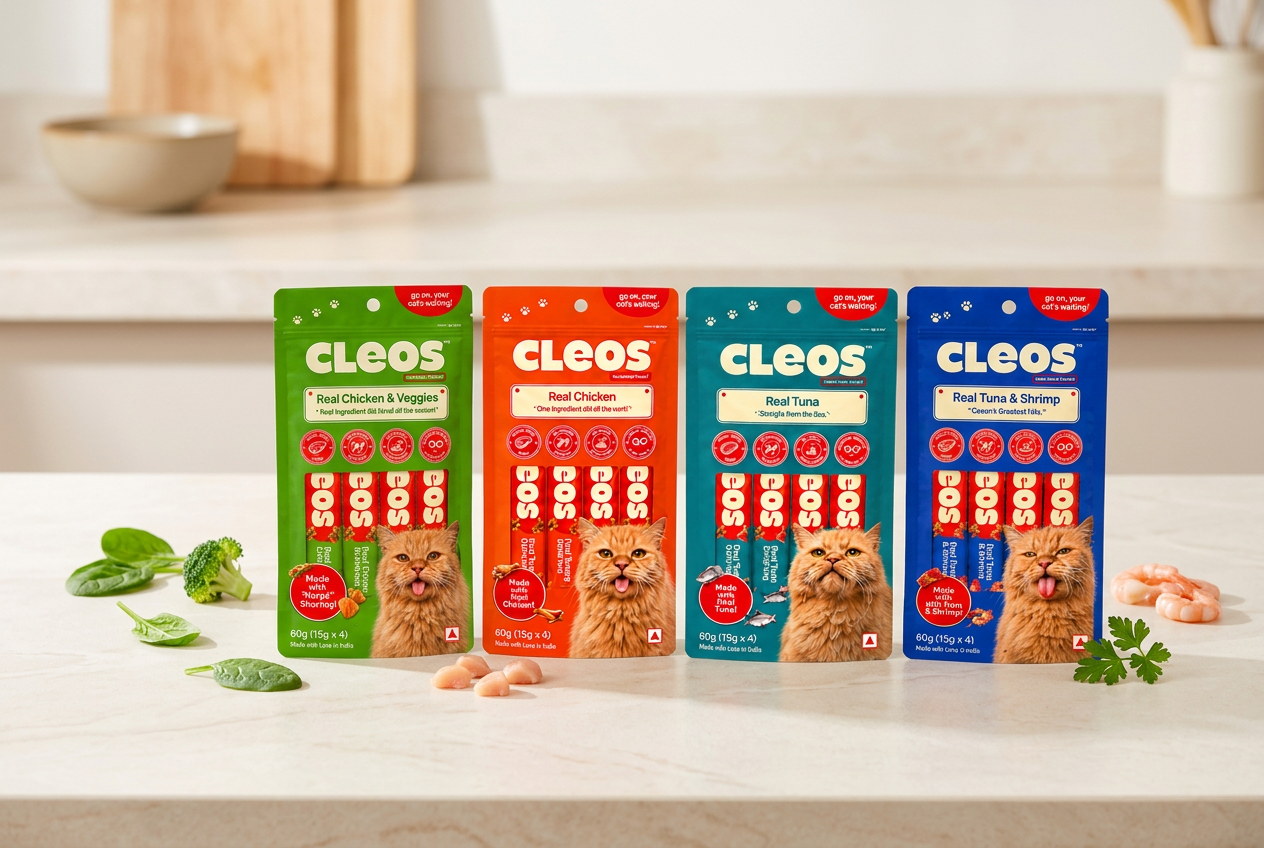
At Cleos, our formulation principles (which are vet-reviewed) center on the biological needs of the cat. We understand that the Indian cat parent is looking for more than just a distraction for their pet; they are looking for a way to nourish them.
Our upcoming range of lickable treats is built on a foundation of:
- Real Chicken and Real Tuna: No "mystery meats" or by-products.
- Zero Artificial Fillers: No corn, no wheat, and no soy.
- High Protein: Focused on the muscle-building blocks cats need.
- Clean Labels: Ingredients you can actually pronounce and understand.
By stripping away the fillers, we ensure that every lick is packed with nutrition and moisture, helping to keep your cat hydrated and healthy. For more information on what to avoid, refer to our Harmful Ingredients to Avoid in Cat Food (Complete Safety Checklist).
Waitlist is Open: High-protein, filler-free treats are coming to India. Don't settle for "premium" marketing—choose real ingredients. Join the Cleos inner circle today at https://getcleos.in/#waitlist.
Frequently Asked Questions
What exactly counts as a 'filler' in cat treats?
A filler is any ingredient added to pet food that provides little to no nutritional value for the specific species. In cats, this usually includes carbohydrates like corn, wheat, soy, and cellulose. While these might be fine for omnivores, cats are obligate carnivores. Fillers are primarily used by manufacturers to lower production costs and provide bulk or texture to the treat.
Can filler-free treats help with my cat's weight?
Yes, filler-free treats are generally better for weight management. Most fillers are high in carbohydrates, which cats do not process efficiently. These excess "empty" calories are often stored as fat. By switching to high-protein, filler-free treats, you are providing nutrients that support lean muscle mass rather than contributing to obesity, which is a growing concern for indoor cats.
Is guar gum or xanthan gum considered a harmful filler?
In very small amounts, these are considered technical additives used to maintain the consistency of wet treats. While they aren't "nutritious," they aren't necessarily harmful in moderation. However, if they appear high up on the ingredient list, it may indicate that the treat is mostly water and thickener rather than real meat. Always prioritize treats where the first several ingredients are animal proteins.
Why do cats seem to love treats that contain fillers?
Many manufacturers add "palatants" or animal digests to the surface of filler-heavy treats. These are highly concentrated flavors that act like "junk food" seasoning, making the cat crave the treat even if it lacks nutritional value. A high-quality treat doesn't need these tricks; the natural aroma of real tuna or chicken is naturally enticing to a cat's highly developed sense of smell.
Are 'grain-free' treats always filler-free?
Not necessarily. Many brands market themselves as "grain-free" to appeal to health-conscious owners but replace grains with other starchy fillers like tapioca, potato starch, or pea flour. While these avoid the specific allergens found in wheat or corn, they still provide high levels of carbohydrates that cats don't need. Always check the full ingredient list for these "boutique" fillers.
How can I tell if a treat is truly high-quality?
The simplest way is to look for "named ingredients." A high-quality treat will list "Chicken Breast" or "Tuna Fillet" rather than "Meat derivatives" or "Poultry meal." Additionally, a shorter ingredient list is often a sign of quality. If the first three ingredients are real meat and there are no mentions of starches or sugars, you are likely looking at a superior product.
Explore more insights on feline health and nutrition on the Cleos Blog. Ready to upgrade your cat's snack game? Join our waitlist to be notified as soon as we launch our real-meat, high-protein treats in India. For more tips on what to stay away from, read What Are the Worst Cat Food Ingredients? (Vet-Reviewed Guide).
Keep Cleos close
Get more Cleos stories on Google
Add Cleos as a preferred source to make our cat care guides easier to find in Google.
Add to Preferred SourcesFound this useful? Share it
Treats worth reading the label for.
Cleos lickable treats are built on real, named ingredients — Real Chicken, Real Tuna, Tuna & Shrimp and Chicken & Veggies — with zero artificial fillers.
Join the Cleos waitlistKeep reading
Travel Carriers and Cat Crates: Stress-Free Transport
Choose the right cat carrier or crate and learn practical tips for calmer vet visits, car trips, and moves with your feline companion.
Read more →
Pet Cameras and Monitoring: Tech for Checking on Your Cat
A practical guide to pet cameras and monitoring systems for cats, covering features, placement, and how to use them without over-worrying.
Read more →
Food and Water Bowls: Material, Design, and Health Considerations
Compare cat food bowls and water bowls by material and design, including stainless steel bowls, to protect whisker health and hygiene.
Read more →