The Science Behind Named Ingredients vs Mystery Meat in Cat Treats
Why 'Real Tuna' means something and 'animal derivatives' does not — traceability, allergen testing and batch consistency in cat treat ingredient transparency.
By the Cleos team · 31 August 2026 · 8 min read
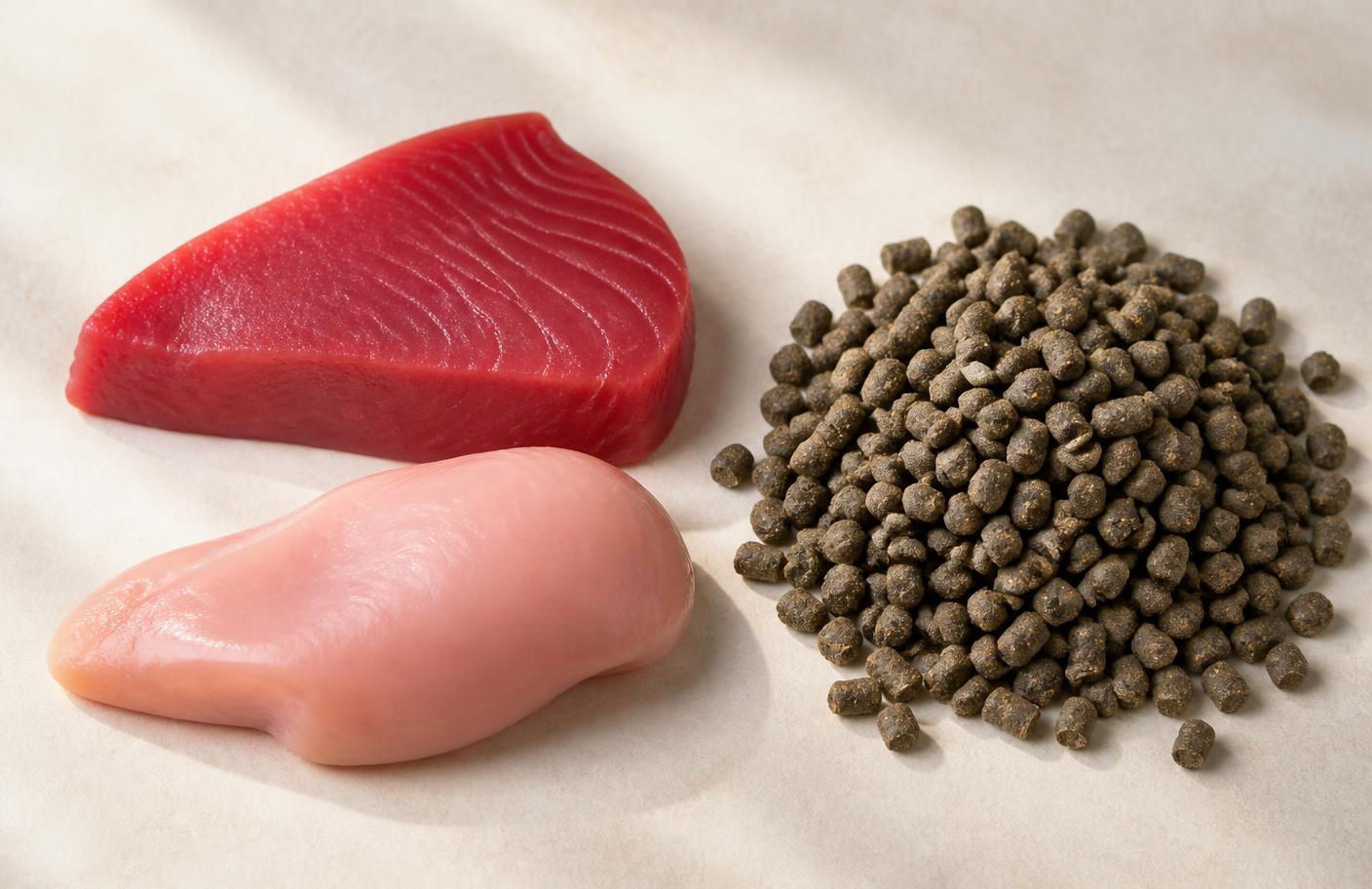
As a cat parent in India, you have likely spent minutes staring at the back of a pouch, trying to decipher why one brand lists "Real Tuna" while another mentions "meat and animal derivatives." The confusion isn't accidental, but the impact on your cat’s long-term health is very real.
In short: Named ingredients like Real Chicken or Real Tuna provide biological traceability and nutritional consistency, whereas vague terms like "animal by-products" allow for high nutrient variability and potential allergen triggers.
The Legal Definition of "Meat" vs. "Named Ingredients"
When you see "Real Chicken" on a label, it isn't just a marketing phrase. According to the Association of American Feed Control Officials (AAFCO), which sets the global gold standard for pet food definitions, specific names carry legal weight. If a label says "Chicken," it must be the clean flesh of the bird, primarily muscle tissue.
In contrast, "meat" or "animal derivatives" are umbrella terms. These can include a variety of tissues from cattle, pigs, sheep, or goats. The primary issue for Indian cat parents buying soft cat treats is that "meat" doesn't tell you which animal it came from. For a cat with a sensitive stomach, this lack of transparency is more than a labeling quirk—it is a health risk. You can learn more about identifying these terms in our guide on how to read cat food labels.
Why Specificity Matters for Traceability
Traceability is the ability to track every ingredient back to its source. When Cleos uses Real Tuna or Real Chicken, the supply chain is linear and transparent. We know exactly what species is entering the formulation, which ensures the cat treat quality remains high across every batch.
Mystery meats are often the result of "rendered blends." Rendering is a process that converts animal tissues into stable, value-added materials. While it is a standard industry practice, the source material for generic "meat meal" can change from week to week based on market commodity prices. This means a bag of treats bought in January might have a completely different protein profile than the same brand bought in March, even if the packaging looks identical.
Nutrient Variability in Rendered Blends
Cats are obligate carnivores, meaning they require specific amino acids—like taurine—that are found in animal tissues. The nutritional value of a treat depends heavily on the quality of the protein source.
The Problem with Generic Protein
When ingredients are generic, the nutrient density fluctuates. High-quality muscle meat (like Real Chicken) provides a predictable level of protein and essential fats. Rendered blends, however, may contain higher proportions of connective tissue or bone, which are less digestible for cats. This leads to "empty calories"—treats that taste good but don't contribute to the cat's biological needs. For a deeper look at this, read our article on Real Protein vs Meat Meal in Cat Treats.
| Ingredient Label | Source Transparency | Nutritional Consistency | Common in India? |
|---|---|---|---|
| Real Chicken / Tuna | High (Single Species) | High | Selected Premium Brands |
| Meat & Animal Derivatives | Low (Mixed Species) | Variable | Very Common |
| Poultry Meal | Moderate (Bird-based) | Moderate | Common |
| Fish By-products | Low (Undefined Species) | Low | Common |

The Role of Transparency in Managing Allergies
Food allergies in cats often manifest as skin irritation, over-grooming, or chronic digestive upset. The most common allergens are actually common proteins: beef, dairy, and sometimes fish. According to VCA Animal Hospitals, the only way to accurately diagnose a food allergy is through an elimination diet.
If you are feeding soft cat treats that list "meat derivatives," you are essentially playing a guessing game. You might think your cat is allergic to chicken, but the "mystery meat" treat you provided could contain beef, pork, or lamb. Ingredient transparency allows cat parents to confidently exclude specific proteins. Using real ingredients like those found in Cleos simplifies this process, making it easier to identify what makes your cat thrive. You can explore more on this in our article about the best cat treat ingredients for sensitive stomachs.
Batch Consistency and Digestive Health
Cats are creatures of habit, and their digestive systems are notoriously sensitive to sudden changes. When a manufacturer uses "meat meal" or "animal by-products," the ratio of species within that blend can shift. One batch might be 70% beef-based, while the next is 70% pork-based.
For a cat with a delicate gut, these invisible shifts can cause intermittent diarrhea or vomiting. By sticking to named ingredients—Real Tuna, Real Chicken, Tuna & Shrimp—you ensure that every lickable treat provides the same biological experience for your cat's gut microbiome. This consistency is a hallmark of high-quality cat treats.
Join the Cleos Waitlist: We believe Indian cat parents deserve to know exactly what is in their cat's bowl. Our lickable treats are made with real named ingredients and zero artificial fillers. Join our exclusive waitlist today to be the first to know when we launch.
The Science of Bioavailability
Bioavailability refers to how easily a nutrient can be absorbed and used by the body. High-quality, real ingredients generally have higher bioavailability than heavily processed by-products.
Amino Acid Profiles
Cats require 11 essential amino acids. Real Tuna and Chicken are complete proteins, meaning they contain all these essentials in the correct proportions. When treats rely on "fillers" or low-grade meat blends, the amino acid profile becomes skewed. This is why many brands must add synthetic taurine and vitamins back into the mix—to compensate for what was lost or missing in the original low-quality source. You can read more about why this matters in our post on fillers in premium cat treats.
Avoiding Harmful Additives in "Mystery" Blends
Often, when the base ingredient is of lower quality, manufacturers use additives to improve the smell, taste, and shelf-life of the product. This includes artificial flavors, colors, and chemical preservatives like BHA or BHT.
By choosing treats with real ingredients, you often bypass the need for these additives. A treat made with Real Tuna smells like tuna because it is tuna, not because a chemical flavoring was added to mask the scent of rendered animal fat. For a full list of what to watch out for, check our Harmful Ingredients to Avoid in Cat Food checklist.
Helping Owners Diagnose Adverse Reactions
If your cat suddenly develops a rash or starts vomiting after a treat, the first thing a vet will ask is, "What did they eat?" If your label says "meat by-products," you cannot give the vet a helpful answer. However, if you can point to a label that says "Real Tuna, Shrimp, and Guar Gum," the vet can immediately narrow down the potential culprits.
Transparency isn't just about premium positioning; it is a safety tool. Brands such as Whiskas, Purina Friskies, Sheba, Temptations and Royal Canin all sell cat treats in India, and as a consumer, your power lies in reading the specific breakdown of their ingredients versus generic categories. The International Cat Care organization emphasizes that understanding the specific components of your cat's diet is fundamental to their long-term welfare.
The Cleos Standard: Real Ingredients Only
At Cleos, we started with a simple premise: if we wouldn't want to eat a "mystery meat" blend, why should our cats? Our formulation principles, reviewed by experts, focus on high-protein, moisture-rich lickable treats that prioritize the biological needs of the feline body.
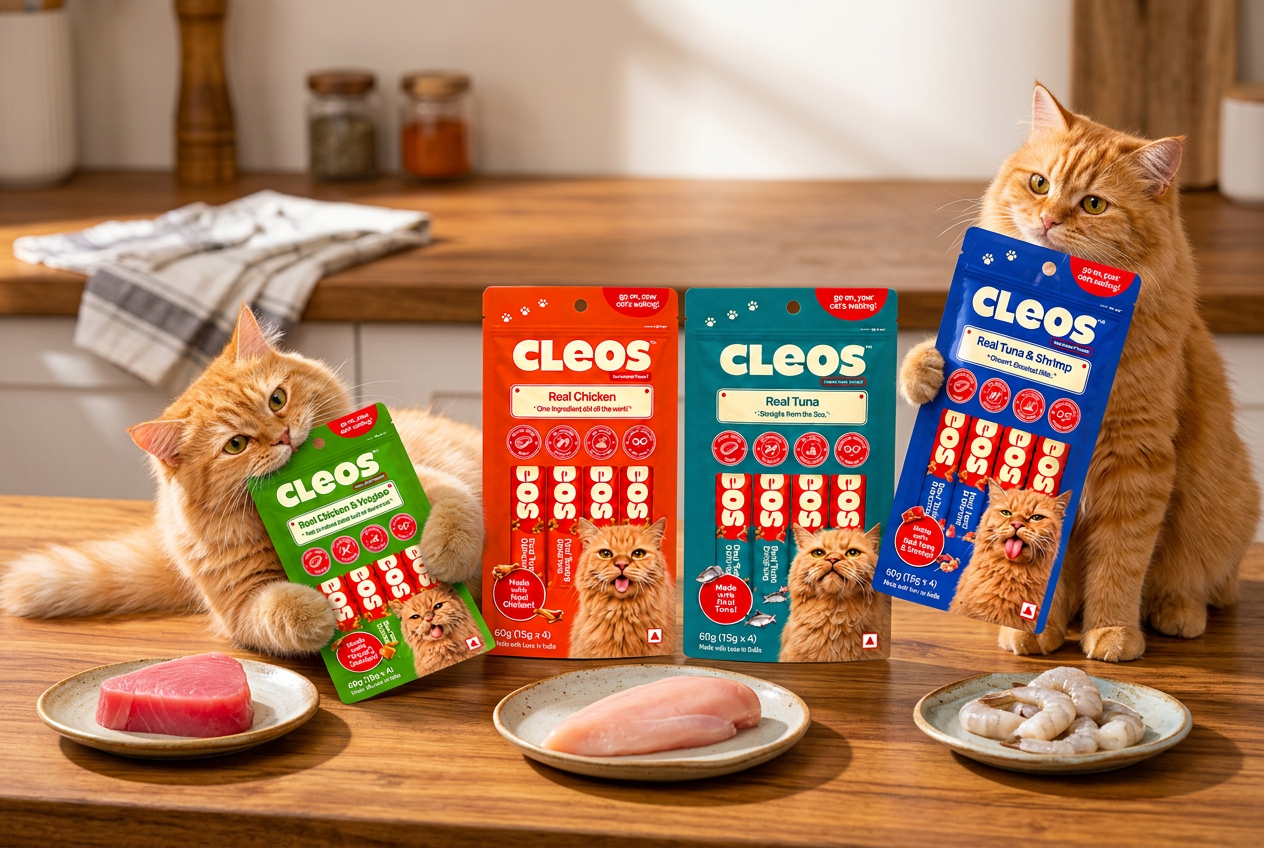
Our range, including Real Chicken and Chicken & Veggies, is designed to provide the hydration cats need through a texture they love. By using named ingredients, we ensure that every pouch is consistent, traceable, and packed with the protein your cat deserves. Learn more about the benefits of this format in Why Cats Love Lickable Treats.
Elevate Your Cat's Snacking: Don't settle for mystery meat. Choose transparency and high-quality protein for your feline friend. Sign up for the Cleos waitlist and be among the first in India to experience the difference of real ingredients.
Frequently Asked Questions
What exactly are "animal derivatives" in cat treats?
Animal derivatives are parts of slaughtered animals that are not primary muscle meat. This can include organs, fat, and bone. While some organs are nutritious, the term "derivatives" is problematic because it doesn't specify which animal the parts came from, leading to potential issues for cats with specific food sensitivities or allergies.
Is "Real Chicken" better than "Chicken Meal"?
"Real Chicken" generally refers to fresh or frozen muscle tissue, which has high moisture content and high palatability. "Chicken Meal" is chicken that has been cooked and dried to remove moisture, resulting in a concentrated protein powder. While meal is protein-dense, real named meat is often less processed and more appealing to cats in soft treat formats.
Why do some brands use mystery meat instead of named ingredients?
The primary reason is cost and supply chain flexibility. Using generic terms like "meat and animal derivatives" allows manufacturers to switch between different animal sources based on what is cheapest or most available at the time, without having to print new packaging or change the label.
Can mystery meat cause allergies in my cat?
It doesn't directly cause an allergy, but it makes managing one nearly impossible. If your cat is allergic to beef, and a "meat derivative" treat contains hidden beef, your cat will have a reaction. Without a named ingredient list, you won't know why your cat is getting sick, making it difficult to find a safe diet.
Are lickable treats with real ingredients healthier?
Generally, yes. Lickable treats made with real named ingredients like tuna or chicken provide high moisture content, which is crucial for feline kidney and urinary health. Because they use real protein, they often require fewer artificial palatants or thickeners to make them taste good to your cat.
How can I verify the quality of a cat treat brand in India?
Check the ingredient list for specific names (e.g., "Tuna" instead of "Fish"). Look for the absence of artificial fillers like corn, soy, or wheat. You can also research the brand's commitment to transparency and check if they provide detailed information about their sourcing on their blog or website.
Keep Cleos close
Get more Cleos stories on Google
Add Cleos as a preferred source to make our cat care guides easier to find in Google.
Add to Preferred SourcesFound this useful? Share it
Treats worth reading the label for.
Cleos lickable treats are built on real, named ingredients — Real Chicken, Real Tuna, Tuna & Shrimp and Chicken & Veggies — with zero artificial fillers.
Join the Cleos waitlistKeep reading
Travel Carriers and Cat Crates: Stress-Free Transport
Choose the right cat carrier or crate and learn practical tips for calmer vet visits, car trips, and moves with your feline companion.
Read more →

Pet Cameras and Monitoring: Tech for Checking on Your Cat
A practical guide to pet cameras and monitoring systems for cats, covering features, placement, and how to use them without over-worrying.
Read more →
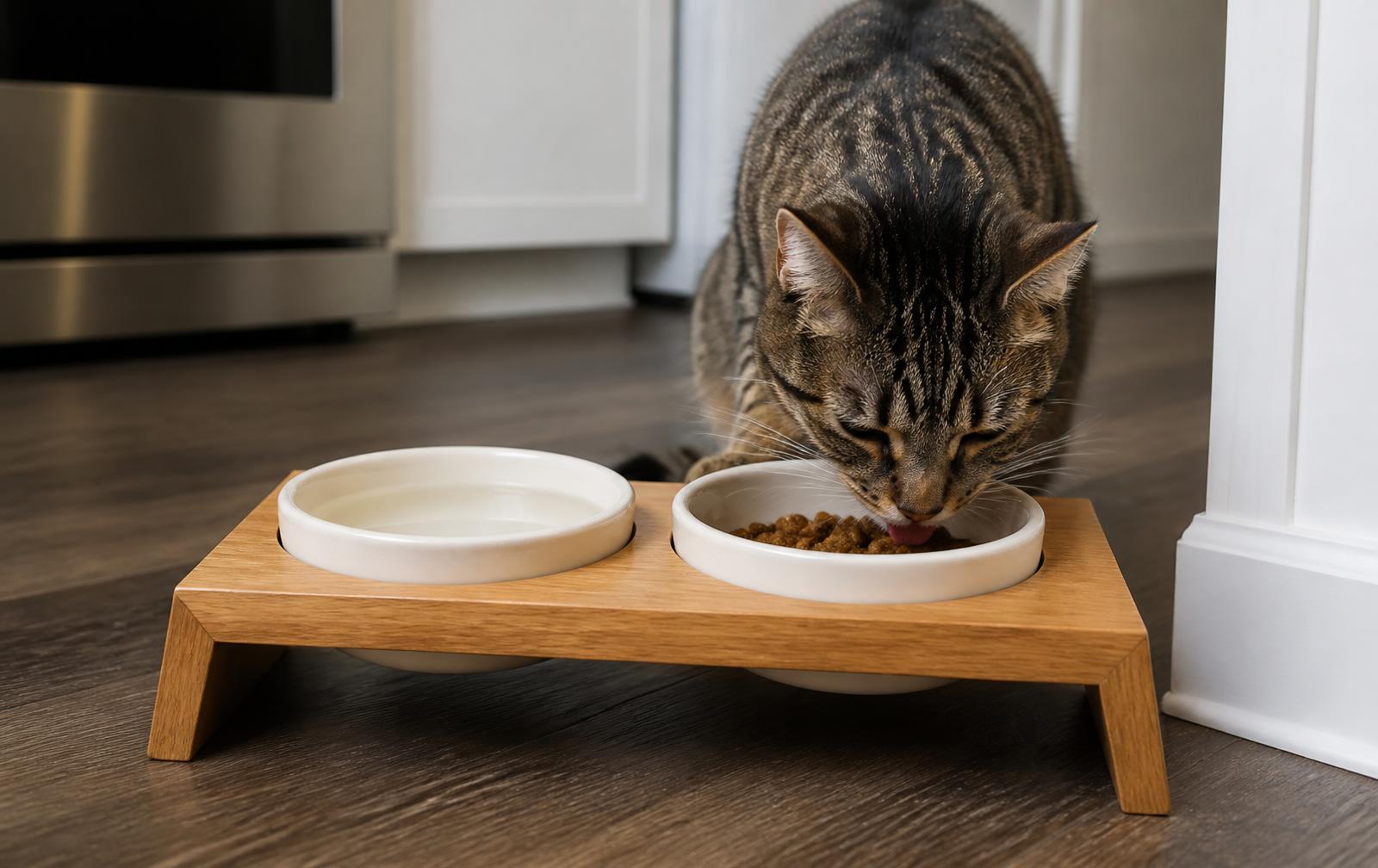
Food and Water Bowls: Material, Design, and Health Considerations
Compare cat food bowls and water bowls by material and design, including stainless steel bowls, to protect whisker health and hygiene.
Read more →