Chocolate and Cats: Why It's Toxic and What to Do
Theobromine makes chocolate toxic to cats. Toxicity by chocolate type, symptoms and timeline, emergency steps, treatment and how to cat-proof festive sweets.
By the Cleos team · 19 October 2026 · 9 min read
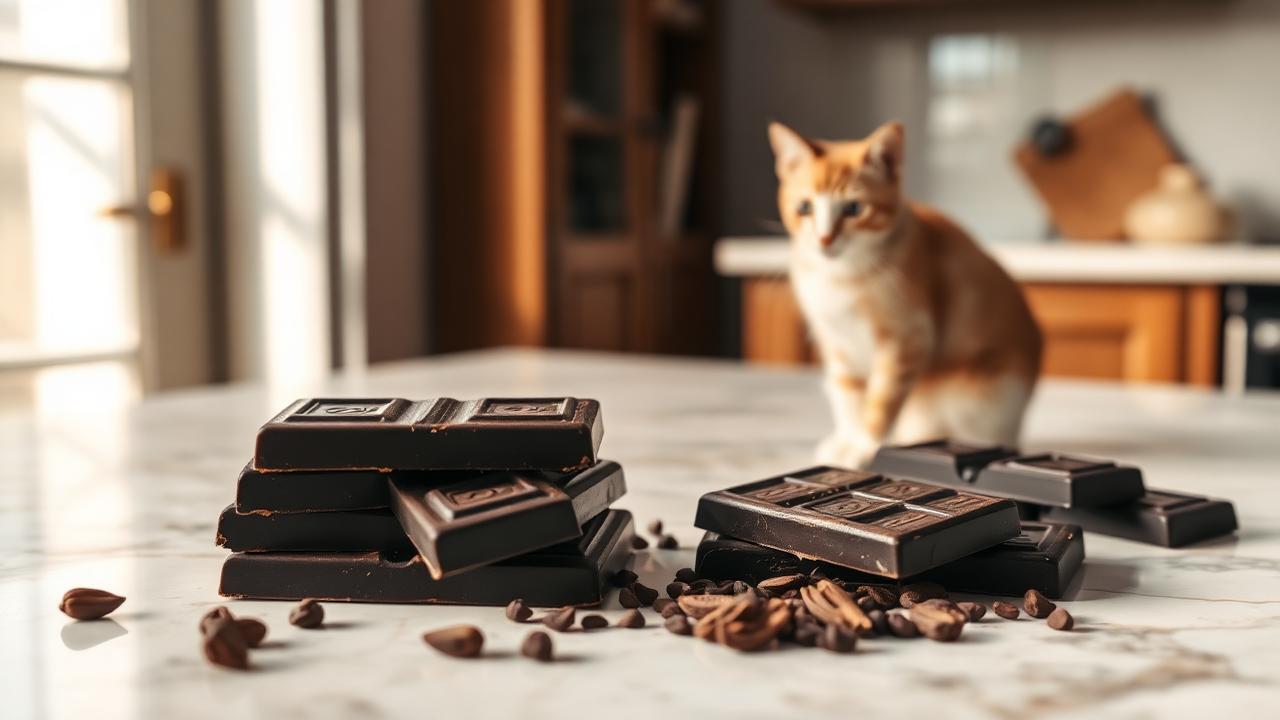
Diwali sweets boxes, Christmas hampers, and birthday cakes often have one common guest hiding in the wrapper: chocolate. For humans, it is a treat. For your cat, even a small nibble can trigger a genuine medical emergency. Unlike dogs, cats rarely go looking for chocolate on their own, but curious paws, festive gifting, and unattended dessert plates mean accidental exposure happens more often than most Indian cat parents realise.
In short: Chocolate contains theobromine and caffeine, two stimulants that cats metabolise far more slowly than humans do, leading to toxic buildup even from small amounts. Dark and baking chocolate are the most dangerous, symptoms can appear within hours and worsen over a day, and any suspected ingestion needs an urgent call to your vet or a poison helpline rather than a "wait and watch" approach.
Why Chocolate Is Toxic to Cats: Theobromine and Caffeine
Chocolate is derived from cacao beans, which naturally contain methylxanthines — primarily theobromine, along with smaller amounts of caffeine. Humans have efficient liver enzymes that break these compounds down quickly, which is why we can enjoy a bar of chocolate without consequence. Cats, however, metabolise methylxanthines extremely slowly. It can take a cat's body 17 to 18 hours to clear just half of the theobromine it has ingested, compared to a couple of hours in humans.
This slow clearance means theobromine keeps accumulating in the bloodstream, overstimulating the heart, central nervous system, and gastrointestinal tract. Cats are also generally more sensitive to these compounds than dogs on a per-kilogram basis, even though dog chocolate poisoning gets more attention simply because dogs eat chocolate more readily. According to the ASPCA Animal Poison Control Center, methylxanthine toxicity is one of the most common food-related emergency calls they receive, and cats are far from immune to it.
Cats also lack a strong "sweet" taste receptor, so they are not naturally drawn to chocolate the way dogs are. This is a small mercy, but it does not make chocolate safe — it only makes accidental exposure (a curious lick off a spoon, a nibble from an open box, a paw dipped in melted ganache) the more common route of poisoning rather than deliberate overeating.
Toxicity by Chocolate Type
Not all chocolate carries the same risk. The concentration of theobromine varies enormously depending on how much cacao solid the product contains, which is why a square of dark baking chocolate is vastly more dangerous than the same weight of milk chocolate.
| Chocolate Type | Approx. Theobromine (mg per 100g) | Risk Level for an Average 4kg Cat |
|---|---|---|
| Cocoa powder / baking chocolate | 800–1500 mg | Severe — even 1-2 grams can be dangerous |
| Dark chocolate (70%+) | 500–700 mg | High — a small square is a real concern |
| Semi-sweet / regular dark chocolate | 250–450 mg | Moderate to high |
| Milk chocolate | 150–220 mg | Moderate — still risky in larger amounts |
| White chocolate | Negligible theobromine | Low from theobromine, but high sugar/fat can cause pancreatitis |
As a rough clinical guideline, doses above roughly 20 mg/kg of theobromine can cause mild symptoms, doses above 40-50 mg/kg can cause cardiac symptoms, and higher doses can be fatal. For a small cat, this means a couple of squares of dark chocolate or a spoon of cocoa powder used in Diwali barfi or a Christmas cake can already cross into a dangerous range. When in doubt about weight and dose, always call your vet rather than trying to calculate it yourself.
Symptoms Timeline: What to Watch For
Chocolate poisoning does not show up instantly, which is exactly what makes it dangerous — pet parents sometimes dismiss early signs or miss them entirely overnight.
- 0-2 hours: Vomiting, drooling, restlessness, and mild diarrhea often appear first as the gastrointestinal tract reacts.
- 2-6 hours: Increased thirst, hyperactivity or noticeable agitation, a faster than normal heart rate, and panting-like breathing can develop as theobromine enters circulation.
- 6-12 hours: Muscle tremors, elevated body temperature, and in more serious cases, disorientation or wobbliness.
- 12-24 hours and beyond: In severe, untreated cases, seizures, an irregular or racing heartbeat, and collapse can occur. Without intervention, this stage can become fatal.
The Pet Poison Helpline notes that the total dose consumed, the type of chocolate, and the cat's body weight all influence how quickly and how severely symptoms progress. A tiny cat that has eaten dark chocolate can deteriorate faster than a larger cat exposed to milk chocolate, so never assume you have time to "monitor" before acting.
What to Do in an Emergency
If you know or even suspect your cat has eaten chocolate, treat it as an emergency rather than waiting for symptoms.
- Stay calm and act fast. Note the type of chocolate, approximately how much was eaten, and when.
- Do not induce vomiting at home unless a vet specifically instructs you to, and never give salt water or any home remedy — these can cause additional harm.
- Call your veterinarian or an emergency animal hospital immediately. If you are unsure where to go, poison control resources such as the ASPCA Animal Poison Control Center or Pet Poison Helpline can guide you on urgency, though a local vet visit is essential in India where these hotlines are US-based.
- Bring the packaging if possible, so the vet can estimate the cacao content and theobromine dose.
- Do not wait for symptoms to appear before seeking help. Early treatment, within the first couple of hours, is far more effective than treatment after symptoms have set in.
Treatment: What the Vet Will Do
Veterinary treatment for chocolate poisoning depends on how much time has passed since ingestion and how severe the symptoms are. If your cat is seen within a couple of hours, the vet may induce vomiting to remove undigested chocolate and administer activated charcoal, which binds to theobromine and reduces how much is absorbed into the bloodstream.
For cats showing cardiac or neurological symptoms, treatment escalates to IV fluids to support kidney function and flush toxins faster, medications to control heart rhythm irregularities, and anti-seizure medication if tremors or seizures occur. Cats are often kept under observation for 24 to 48 hours because theobromine's slow clearance means relapse or delayed symptoms are possible even after initial stabilisation. The Cornell Feline Health Center and the AVMA both emphasise that prompt veterinary care dramatically improves outcomes, and most cats recover fully when treated early.
Prevention: Festive Season Safety in Indian Homes
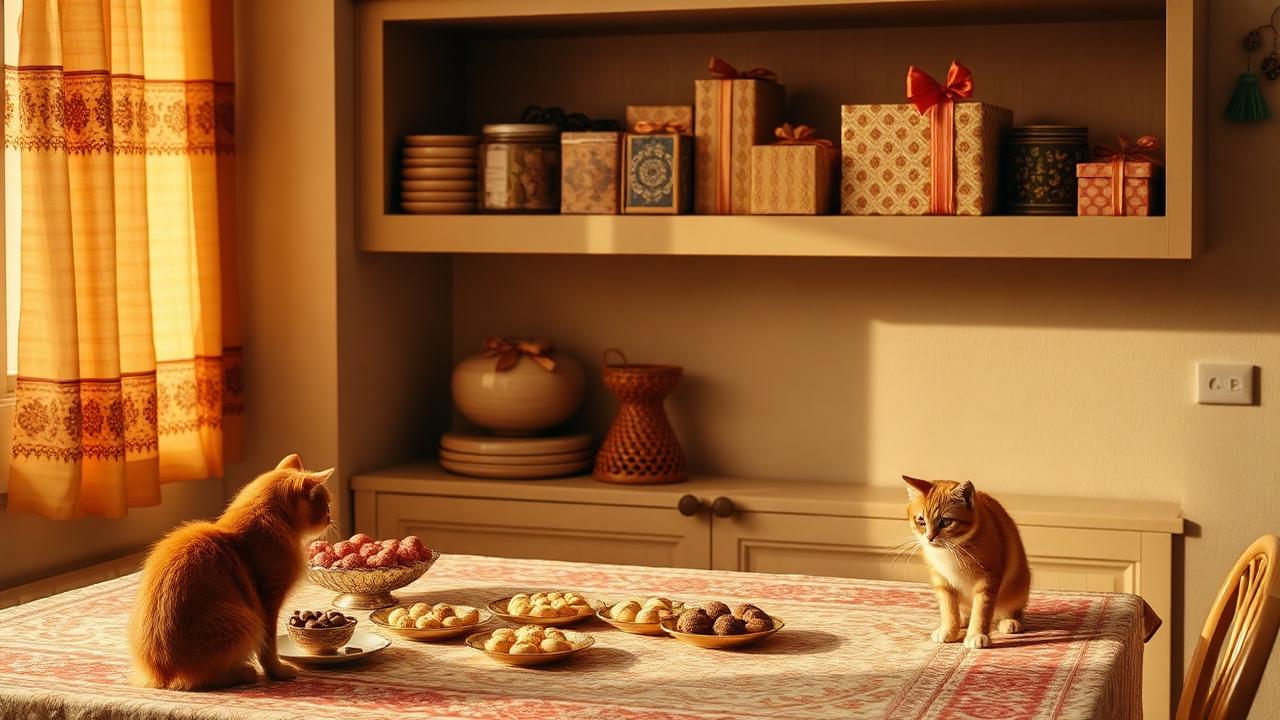
Diwali and Christmas are peak-risk seasons for accidental chocolate exposure in Indian households. Gift hampers, mithai boxes with chocolate barfis, cakes, and chocolate-coated dry fruits are everywhere, often left on low tables, in gift bags near the door, or unwrapped during festive gatherings with guests in and out.
A few practical habits go a long way:
- Store all chocolate gifts, especially dark chocolate and cocoa-based sweets, in cabinets or high shelves your cat cannot access, not on coffee tables or gift-wrapping stations.
- Warn house guests and children not to feed table scraps, cake, or chocolate to your cat, even "just a taste."
- Dispose of foil wrappers and used baking trays carefully — cats are drawn to the lingering smell of butter and cocoa.
- Keep an eye on decorative items too; some festive treats use cocoa powder in ways that are easy to overlook, such as chocolate-dusted dry fruit ladoos.
- If you are hosting a party, brief your help or family members on where chocolate is stored so it never ends up within paw's reach during the chaos of festivities.
This is also a good moment to revisit our broader guide on Harmful Ingredients to Avoid in Cat Food, which covers other festive-season hazards like onion, garlic, and raisins that show up in Indian sweets and savouries.
Give Real Treats Instead — Safely, Every Time
The good news is that you do not have to skip the ritual of sharing a treat with your cat during festivals or celebrations — you just need to choose something formulated for them. This is exactly the gap Cleos is built for: high-protein lickable treats made with real named ingredients like Real Chicken, Real Tuna, Tuna & Shrimp, and Chicken & Veggies, with no fillers and no risky additives, so a celebratory lick is always a safe one.
Understanding real protein vs meat meal and reading labels carefully, as we explain in How to Read Cat Food Labels, helps you choose treats that are both safe and nutritious rather than reaching for whatever sweet is lying around the house. Cats also genuinely enjoy the texture and format of lickable treats far more than a foreign, sugary substance — see Why Cats Love Lickable Treats for more on why this format works so well as a bonding ritual.
Frequently Asked Questions
How much chocolate is dangerous for a cat?
There is no truly "safe" amount, but risk scales with both the type of chocolate and your cat's body weight. Dark chocolate or cocoa powder is dangerous in even small quantities, sometimes just a gram or two for a small cat, because of its high theobromine concentration. Milk chocolate requires a larger amount to cause serious harm but is still risky. Because it is hard to judge exact doses at home, any known ingestion should prompt an immediate call to your vet rather than a wait-and-see approach.
My cat only licked chocolate icing, do I need to worry?
Even a small lick can be a concern depending on the chocolate's cacao content and your cat's size. A lick of milk chocolate icing is less likely to cause severe symptoms, but dark chocolate ganache or cocoa-based frosting can still be risky for a small cat. It is safest to call your vet, describe exactly what was licked and roughly how much, and let them advise whether monitoring at home or an in-clinic check is needed.
Are chocolate-flavoured cat treats sold in stores actually safe?
Any product genuinely marketed and formulated as a cat treat should not contain real chocolate or theobromine; "chocolate flavour" pet treats typically use safe, artificial flavouring compounds designed for animals. However, this is exactly the kind of vague labelling worth double-checking. Always verify ingredient lists rather than assuming a flavour name is literal, and prefer brands with transparent, named ingredients over vague "flavoured" claims.
Can white chocolate poison my cat?
White chocolate contains only trace amounts of theobromine, so it is far less likely to cause classic chocolate toxicity symptoms. However, it is still high in fat and sugar, which can trigger vomiting, diarrhea, or in some cases pancreatitis, particularly in cats that already have sensitive digestion. It is not a "safe treat" simply because it lacks significant theobromine, and should still be kept away from your cat.
What if my vet is unavailable during a festival night emergency?
Identify an emergency veterinary hospital or 24-hour clinic in your city in advance, before a crisis happens, since regular clinics may be closed during Diwali or Christmas. Many Indian metros now have round-the-clock pet emergency services. If you cannot reach anyone immediately, international resources like the ASPCA Animal Poison Control Center can offer guidance over the phone while you arrange transport to the nearest open clinic.
What are the safest treats to give my cat during festivals instead of chocolate?
Stick to treats formulated specifically for cats with named, real ingredients rather than human sweets or desserts. High-protein lickable treats made from real chicken, tuna, or fish are a far safer way to include your cat in festive celebrations. They satisfy your cat's natural preference for meat-based flavours without any of the risks that come from sugar, cocoa, dairy, or spices common in Indian festive foods.
Keeping your cat safe during the festive season does not mean skipping the celebration for them — it means choosing treats built for their biology instead of yours. Explore more vet-informed guides on the Cleos Blog, and Join our waitlist to be the first to try real-meat, high-protein lickable treats when Cleos launches in India.
Keep Cleos close
Get more Cleos stories on Google
Add Cleos as a preferred source to make our cat care guides easier to find in Google.
Add to Preferred SourcesFound this useful? Share it
Treats worth reading the label for.
Cleos lickable treats are built on real, named ingredients — Real Chicken, Real Tuna, Tuna & Shrimp and Chicken & Veggies — with zero artificial fillers.
Join the Cleos waitlistKeep reading
Travel Carriers and Cat Crates: Stress-Free Transport
Choose the right cat carrier or crate and learn practical tips for calmer vet visits, car trips, and moves with your feline companion.
Read more →

Pet Cameras and Monitoring: Tech for Checking on Your Cat
A practical guide to pet cameras and monitoring systems for cats, covering features, placement, and how to use them without over-worrying.
Read more →
Food and Water Bowls: Material, Design, and Health Considerations
Compare cat food bowls and water bowls by material and design, including stainless steel bowls, to protect whisker health and hygiene.
Read more →