Harmful Ingredients to Avoid in Cat Food (Complete Safety Checklist)
Onions, garlic, grapes, chocolate, xylitol and more — a complete safety checklist of harmful ingredients to avoid in cat food, plus what to do in an emergency.
By the Cleos team · 27 July 2026 · 9 min read
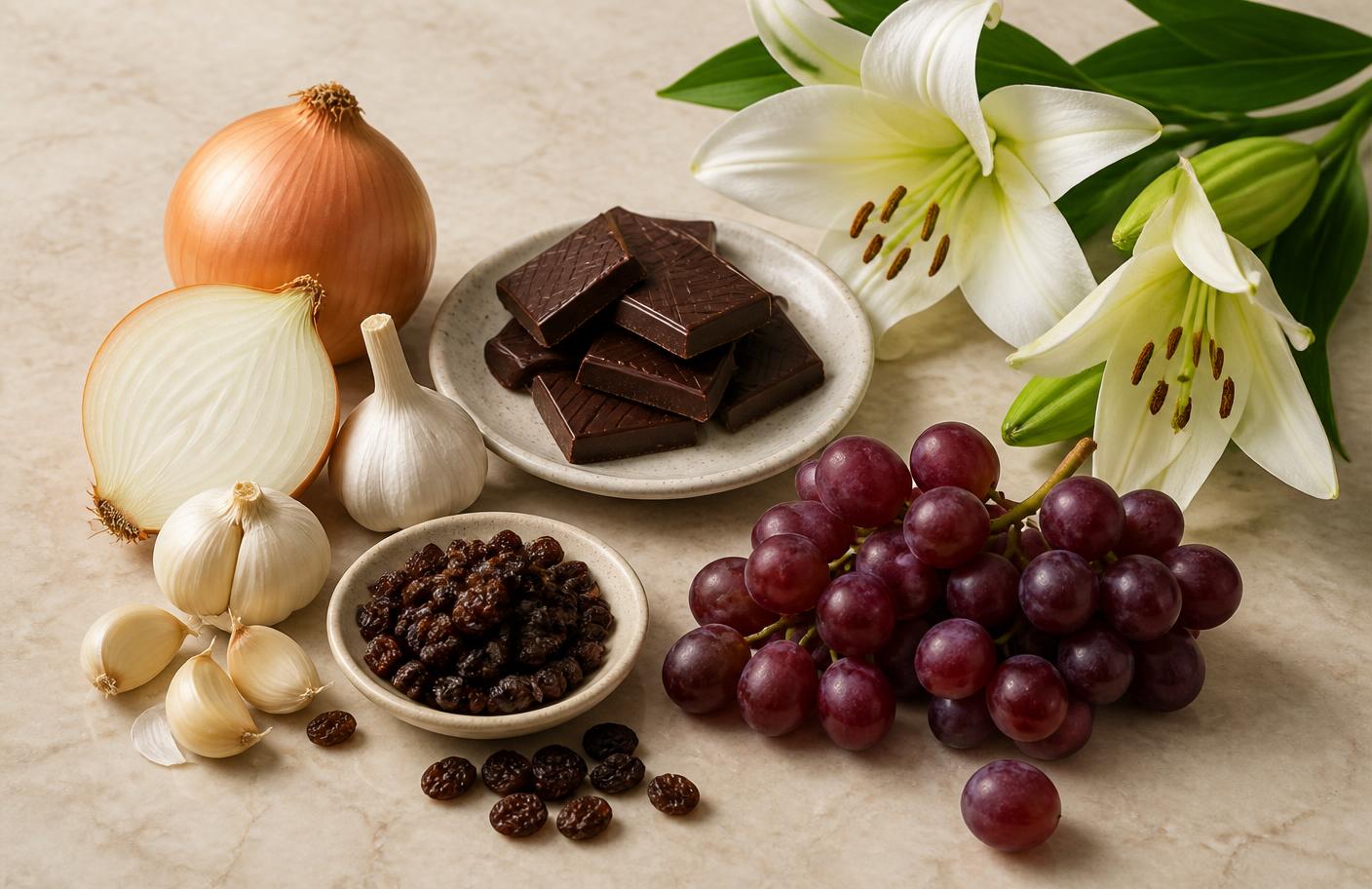
As cat parents, we often assume that if a food is safe for us, it must be a harmless nibble for our feline companions. However, a cat’s metabolism is uniquely specialised, meaning common kitchen staples can quickly turn into emergency veterinary visits.
In short: Cats cannot process many human foods like onions, garlic, grapes, or chocolate, and certain industrial additives like xylitol or chemical preservatives can cause long-term organ damage.
Understanding cat food safety is the first step toward ensuring your pet lives a long, vibrant life. While brands such as Whiskas, Purina Friskies, Sheba, Temptations, and Royal Canin all sell cat treats in India, the responsibility of checking every single label for hidden toxins ultimately rests with the pet parent. This guide provides a comprehensive safety checklist to help you navigate the grocery aisles and your own pantry with confidence.
The Allium Family: Onions and Garlic Toxicity in Cats
One of the most dangerous misconceptions is that a little bit of seasoning won't hurt. In reality, the entire Allium family—which includes onions, garlic, leeks, shallots, and chives—is highly toxic to cats.
Why Onions in Cat Food are Dangerous
Onions contain compounds called N-propyl disulphide. These compounds cause oxidative damage to a cat’s red blood cells, leading to a condition known as Heinz body anaemia. Because cats have smaller blood volumes than humans, even a small amount of concentrated onion (such as onion powder found in baby food or broths) can be devastating.
The Potency of Garlic Toxicity in Cats
Garlic is considered to be five times more toxic to cats than onions. Many home-cooked recipes in India rely heavily on garlic and onion pastes; even a small lick of a gravy-based dish can lead to garlic toxicity in cats. Symptoms often don't appear for several days and include lethargy, pale gums, elevated heart rate, and orange-to-red tinted urine.
Grapes and Raisins: The Mystery Toxin
Unlike some toxins that have a clear dose-to-weight ratio, grapes and raisins are unpredictable. While some cats may appear fine after ingestion, others can suffer from acute kidney failure after eating just one or two raisins.
Identifying the Risk
Veterinary experts at VCA Animal Hospitals note that the exact substance in grapes that causes this reaction is still being studied, but the result is a rapid decrease in kidney function. If your cat ingests grapes, they may exhibit vomiting within 12 hours, followed by a loss of appetite and decreased urination. Because the reaction is so idiosyncratic, there is no "safe" amount of grapes in cat food or as a snack.
Chocolate and Caffeine: Stimulants to Avoid
Most of us know that chocolate is bad for dogs, but it is equally, if not more, dangerous for cats. Cats are less likely to eat chocolate because they lack "sweet" taste buds, but dark chocolate or cocoa powder can still be tempting if mixed into other foods.
Theobromine and Caffeine
Chocolate contains theobromine and caffeine, both of which are methylxanthines. Cats are extremely sensitive to these stimulants. When ingested, they can cause:
- Muscle tremors and seizures
- Increased body temperature (hyperthermia)
- Severe cardiac arrhythmia
- Abdominal pain and vomiting
Darker chocolate and baking chocolate contain higher concentrations of these toxins. For more information on identifying these in commercial products, you can refer to our guide on how to read cat food labels.
Xylitol: The Hidden Sweetener
Xylitol is a sugar alcohol used as a sweetener in sugar-free chewing gum, candies, and even some brands of peanut butter. While it is a well-known toxin for dogs, the FDA warns that it should be kept away from all pets.
The Effect on Blood Sugar
In cats, xylitol can cause a rapid release of insulin, leading to a life-threatening drop in blood sugar (hypoglycaemia). In some cases, it has been linked to liver failure. Always check the labels of any "human" food you might be tempted to share, especially if it is marketed as "diet" or "sugar-free."
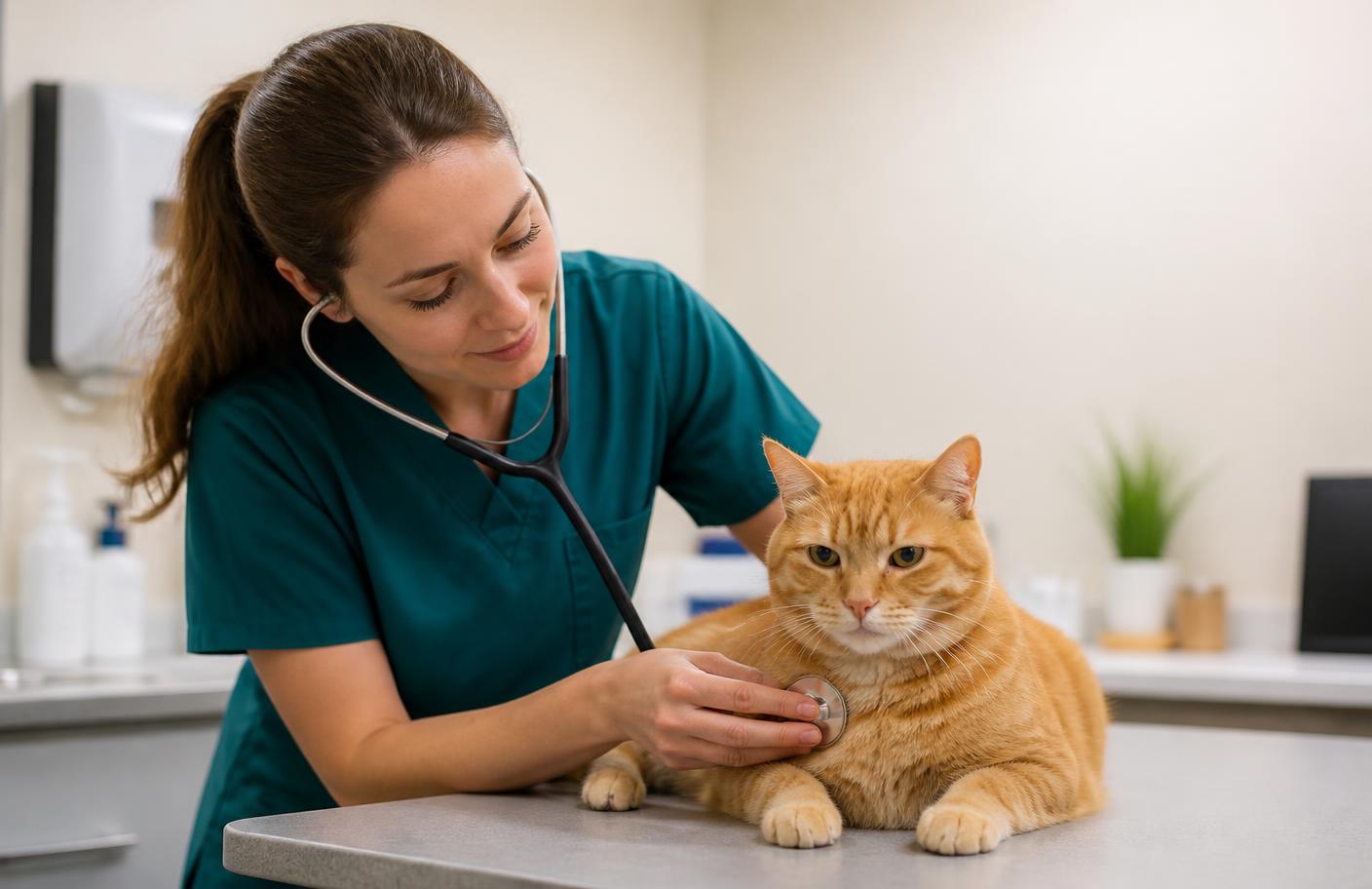
Industrial Fillers and Artificial Preservatives
Safety isn't just about immediate toxins; it's also about the long-term impact of what your cat eats every day. Many commercial treats use chemical preservatives to extend shelf life for years.
Common Chemical Preservatives to Avoid
- BHA (Butylated Hydroxyanisole): Often used to prevent fats from turning rancid, but identified as a potential carcinogen by various health organisations.
- BHT (Butylated Hydroxytoluene): A synthetic antioxidant that can be harsh on a cat’s liver and kidneys over time.
- Ethoxyquin: Originally developed as a herbicide, it is sometimes found in fish-based meals.
At Cleos, we believe in a "zero-filler" philosophy. By using real named ingredients like Real Tuna and Real Chicken, we eliminate the need for these harsh chemicals. You can learn more about the risks of these additives in our article on fillers in premium cat treats.
Join the Cleos Waitlist: Are you tired of decoding complex ingredient labels? We’re launching a new standard of lickable treats in India made with real meat and zero artificial fillers. Join the waitlist here to be the first to know when we launch.
Alcohol and Raw Dough
It might seem obvious, but alcohol is strictly off-limits. However, the danger often comes from unexpected sources, such as rum cakes or fermented foods.
The Danger of Yeast
Raw bread dough is a dual threat. First, the yeast continues to rise in the warm environment of the cat's stomach, which can cause painful bloating and even stomach torsion (GDV). Second, as the yeast ferments the sugars in the dough, it produces ethanol (alcohol), which is absorbed into the bloodstream, leading to alcohol poisoning.
Excess Liver and Vitamin A Toxicity
While liver is a nutritious part of a feline diet, too much of it can be harmful. This usually happens when cat parents feed large amounts of plain cooked liver or cod liver oil supplements daily.
Vitamin A Toxicity
Cats require Vitamin A, but it is a fat-soluble vitamin, meaning the body stores the excess rather than excreting it. According to the AAFCO guidelines, levels must be carefully balanced. Excessive Vitamin A leads to bone spurs, especially in the neck and front legs, eventually causing permanent joint stiffness and pain.
Cat Food Safety Checklist
Use this table as a quick reference guide for your kitchen and when shopping for treats.
| Ingredient | Primary Risk | Common Sources |
|---|---|---|
| Onions & Garlic | Red blood cell damage | Gravies, powders, soups |
| Grapes & Raisins | Acute kidney failure | Fruit salads, trail mix |
| Chocolate | Heart & nervous system | Baking cocoa, dark chocolate |
| Xylitol | Liver failure / Low blood sugar | Sugar-free gum, peanut butter |
| Alcohol | Respiratory failure | Fermented dough, cocktails |
| BHA / BHT | Long-term organ stress | Low-quality dry kibble/treats |
| Raw Dough | Stomach bloating & ethanol poisoning | Home baking |
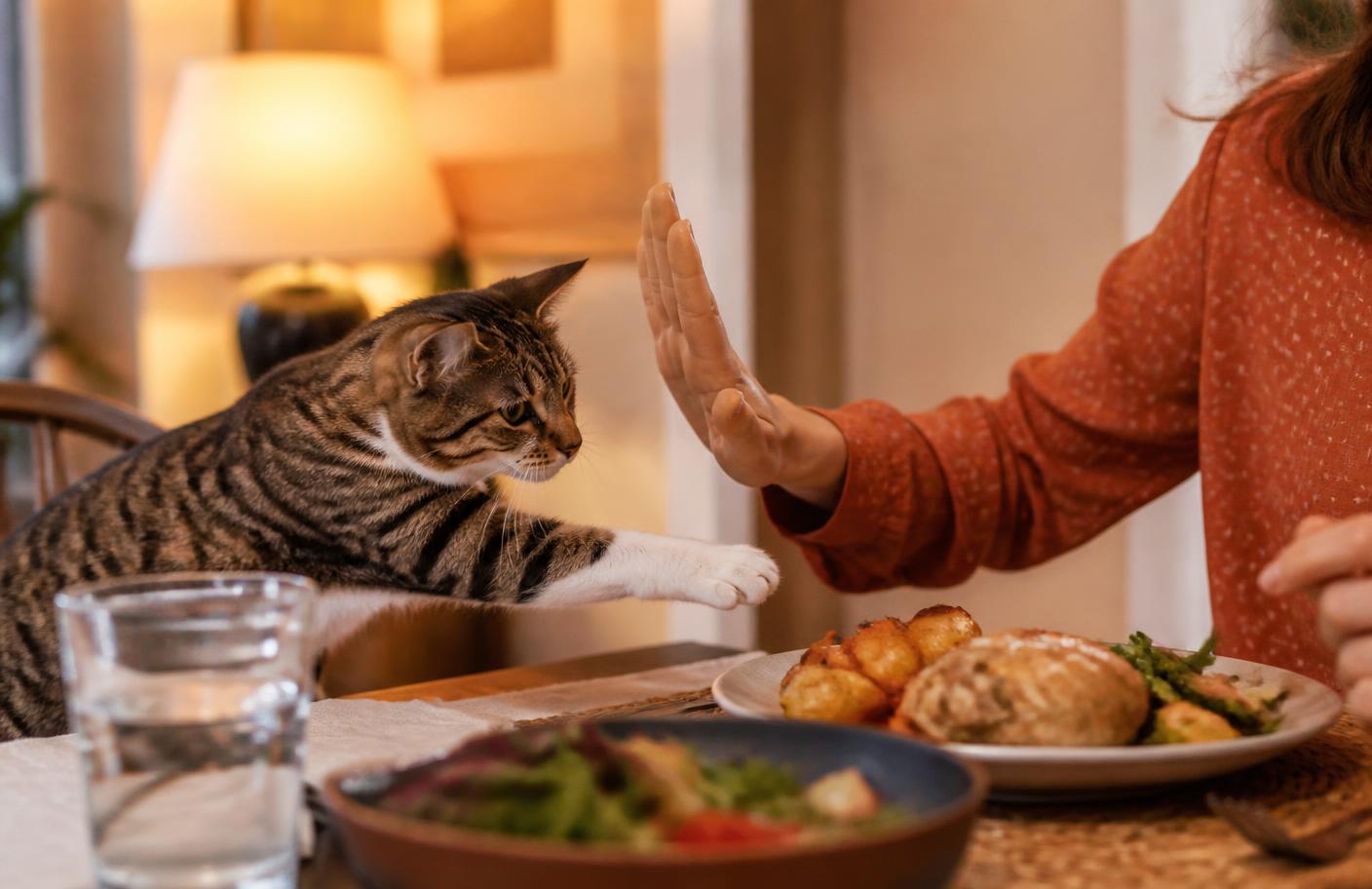
How to Handle a Toxicity Emergency
If you suspect your cat has ingested something from the "avoid" list, time is of the essence. Do not wait for symptoms to appear, as many toxins cause internal damage before the cat shows outward signs of illness.
- Remove the Substance: Ensure your cat cannot eat any more of the item.
- Identify the Item: Keep the packaging or a sample of what was eaten. This helps the vet determine the exact toxin and dosage.
- Call the Vet: Immediately contact your local clinic or an emergency animal hospital.
- Do Not Induce Vomiting: Never try to make your cat vomit unless specifically instructed by a veterinarian, as some substances (like caustic chemicals) can cause more damage on the way back up.
For further reading on maintaining a healthy feline diet, visit our /blog hub to explore topics like best cat treat ingredients for sensitive stomachs.
Choosing Safe Treats: The Cleos Standard
When we formulated Cleos, we started with a simple question: "What if we only used what a cat actually needs?" We follow vet-reviewed formulation principles to ensure our treats are not just delicious, but fundamentally safe and biologically appropriate.
Real Ingredients, No Mysteries
Our treats contain:
- Real Protein: No "meat meals" or "animal by-products." We use Real Chicken, Real Tuna, and Shrimp.
- No Alliums: We never use onion or garlic powders for flavouring.
- No Fillers: No corn, soy, or wheat which can cause digestive upset in sensitive cats.
By focusing on named ingredients vs mystery meat, we provide transparency that allows you to treat your cat without the anxiety of hidden toxins.
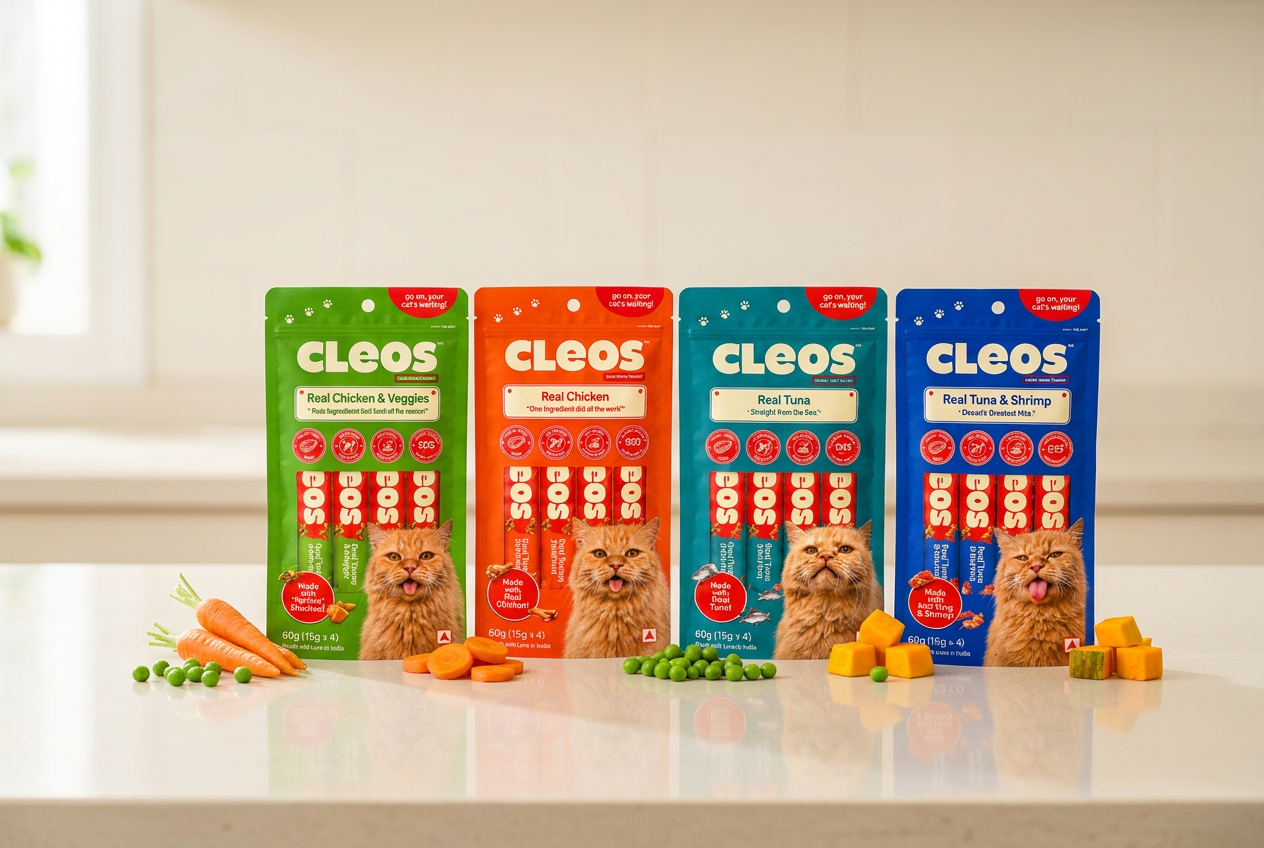
Ready for a cleaner treat? Cleos is bringing high-protein, filler-free lickable treats to India soon. Don't settle for mystery ingredients—give your cat the real nutrition they deserve. Sign up for the waitlist now.
Frequently Asked Questions
Can cats eat a little bit of garlic for fleas?
No, this is a dangerous myth. There is no scientific evidence that garlic prevents fleas in cats, but there is extensive evidence of garlic toxicity in cats causing life-threatening anaemia. Even small "supplemental" amounts can cause cumulative damage to red blood cells over time. Stick to vet-approved flea preventatives and keep all alliums off the menu.
Is it safe to feed my cat baby food?
Only if the baby food contains absolutely no onion or garlic powder. Many commercial baby foods use these powders for flavouring, which are highly concentrated and toxic to cats. Always check the label for "seasonings" or "natural flavours" that might hide these ingredients. It is generally safer to feed a dedicated cat treat like Cleos.
What should I do if my cat eats a raisin?
Treat it as an emergency. Contact your veterinarian immediately. Because kidney failure can occur rapidly and the toxic dose is unknown, vets often recommend inducing vomiting or administering activated charcoal within the first few hours of ingestion. For more safety tips, consult the Pet Poison Helpline.
Are artificial preservatives really that bad?
While they may not cause immediate poisoning, chemical preservatives like BHA and BHT are linked to long-term health issues. Cats are small animals with highly specialised livers; processing synthetic chemicals daily puts unnecessary stress on their organs. Choosing treats with natural preservation methods or high-quality fresh ingredients is always the safer path for long-term health.
Can cats have a tiny lick of coffee or tea?
No. Caffeine is a powerful stimulant that a cat’s heart and nervous system cannot handle. Even a few licks of spilled coffee or a nibble on a tea bag can cause a racing heart, restlessness, and tremors. If your cat ingests caffeine, monitor them closely and contact a professional immediately to prevent cardiac distress.
Why does Cleos avoid all fillers?
We avoid fillers like corn, wheat, and soy because they offer little nutritional value to an obligate carnivore and are often used just to bulk up a product. By focusing on real meat, we ensure our treats are highly digestible and free from the common allergens and industrial additives found in mass-market options. Learn more in our guide on real protein vs meat meal.
Keep Cleos close
Get more Cleos stories on Google
Add Cleos as a preferred source to make our cat care guides easier to find in Google.
Add to Preferred SourcesFound this useful? Share it
Treats worth reading the label for.
Cleos lickable treats are built on real, named ingredients — Real Chicken, Real Tuna, Tuna & Shrimp and Chicken & Veggies — with zero artificial fillers.
Join the Cleos waitlistKeep reading
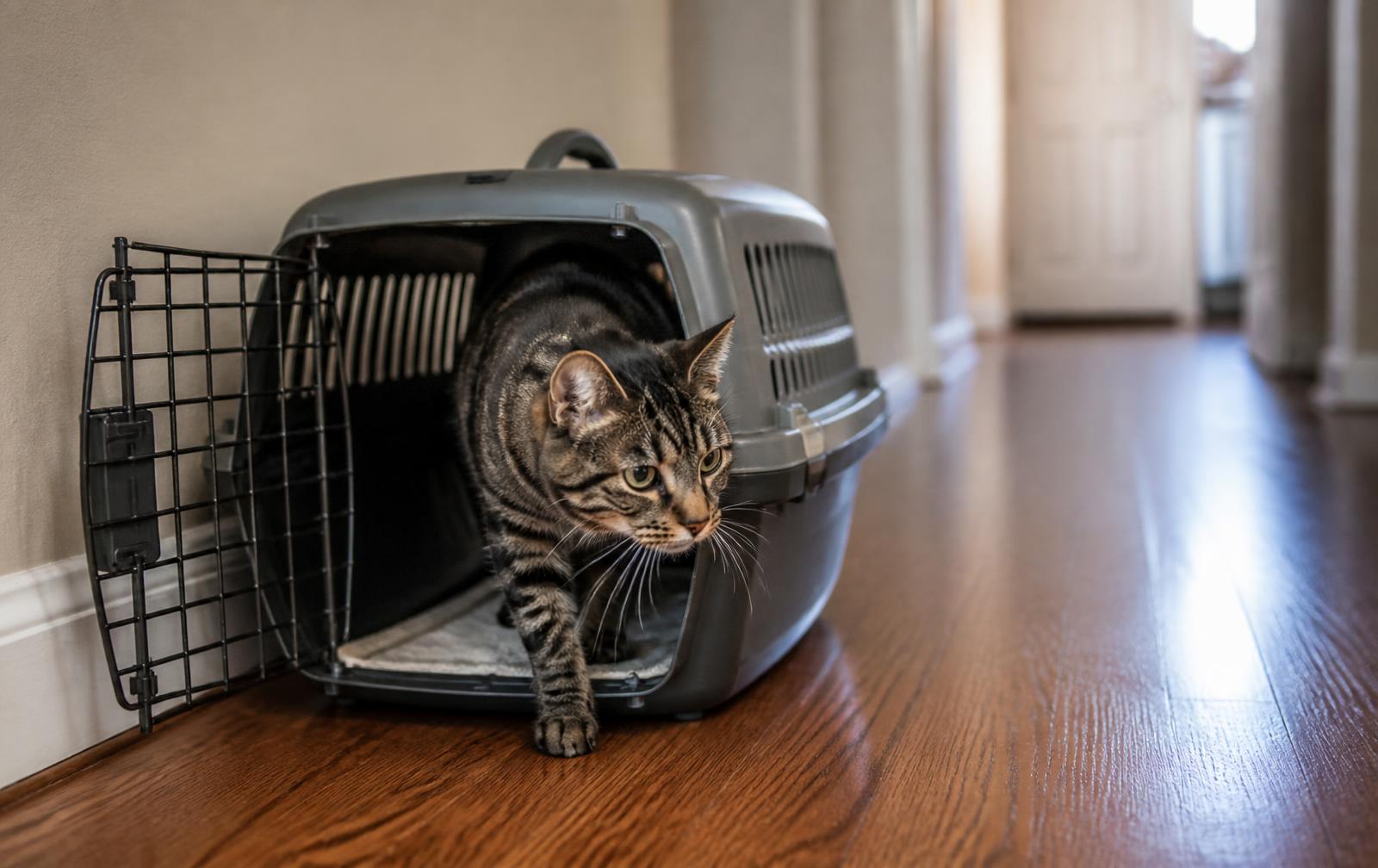
Travel Carriers and Cat Crates: Stress-Free Transport
Choose the right cat carrier or crate and learn practical tips for calmer vet visits, car trips, and moves with your feline companion.
Read more →
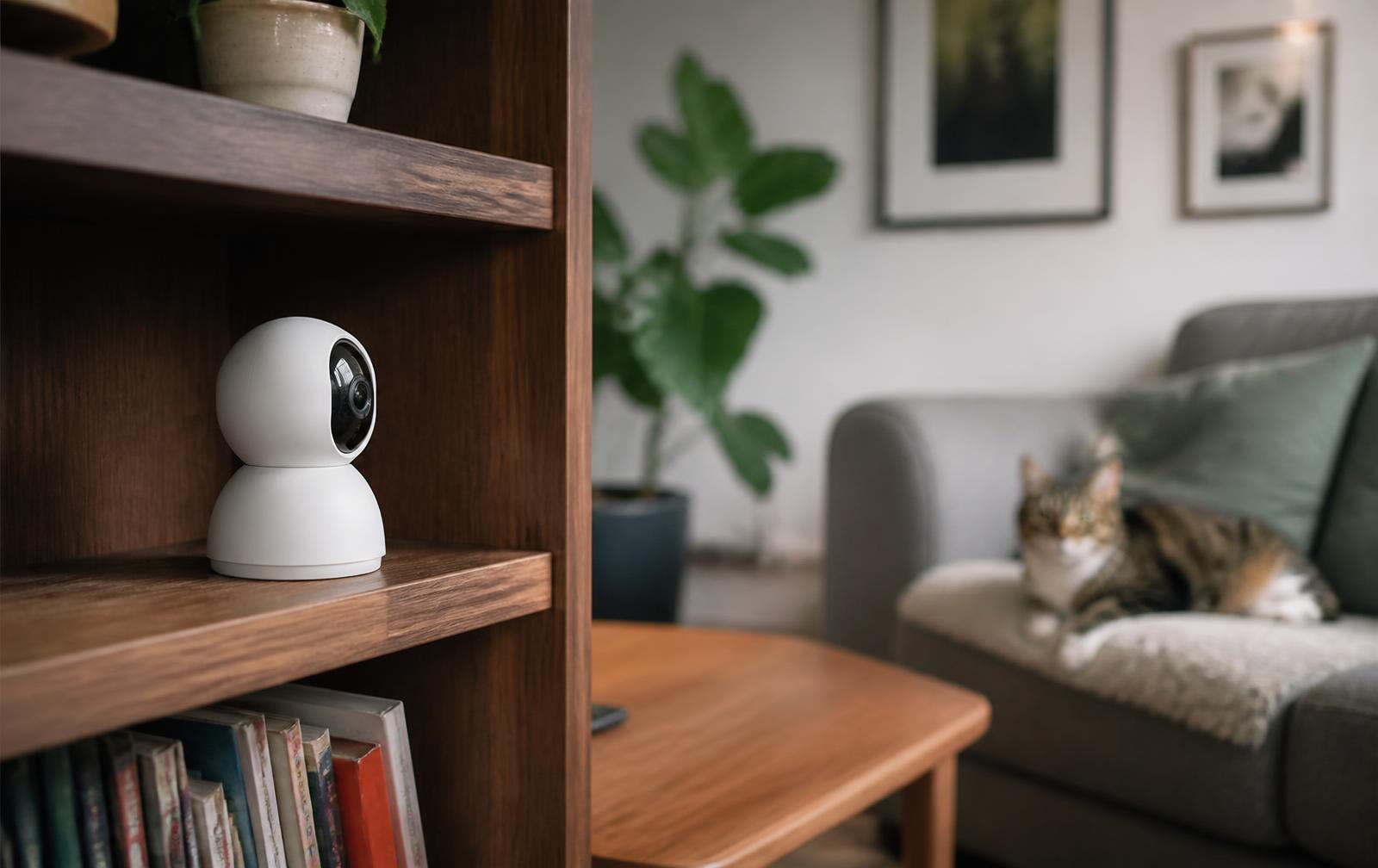
Pet Cameras and Monitoring: Tech for Checking on Your Cat
A practical guide to pet cameras and monitoring systems for cats, covering features, placement, and how to use them without over-worrying.
Read more →
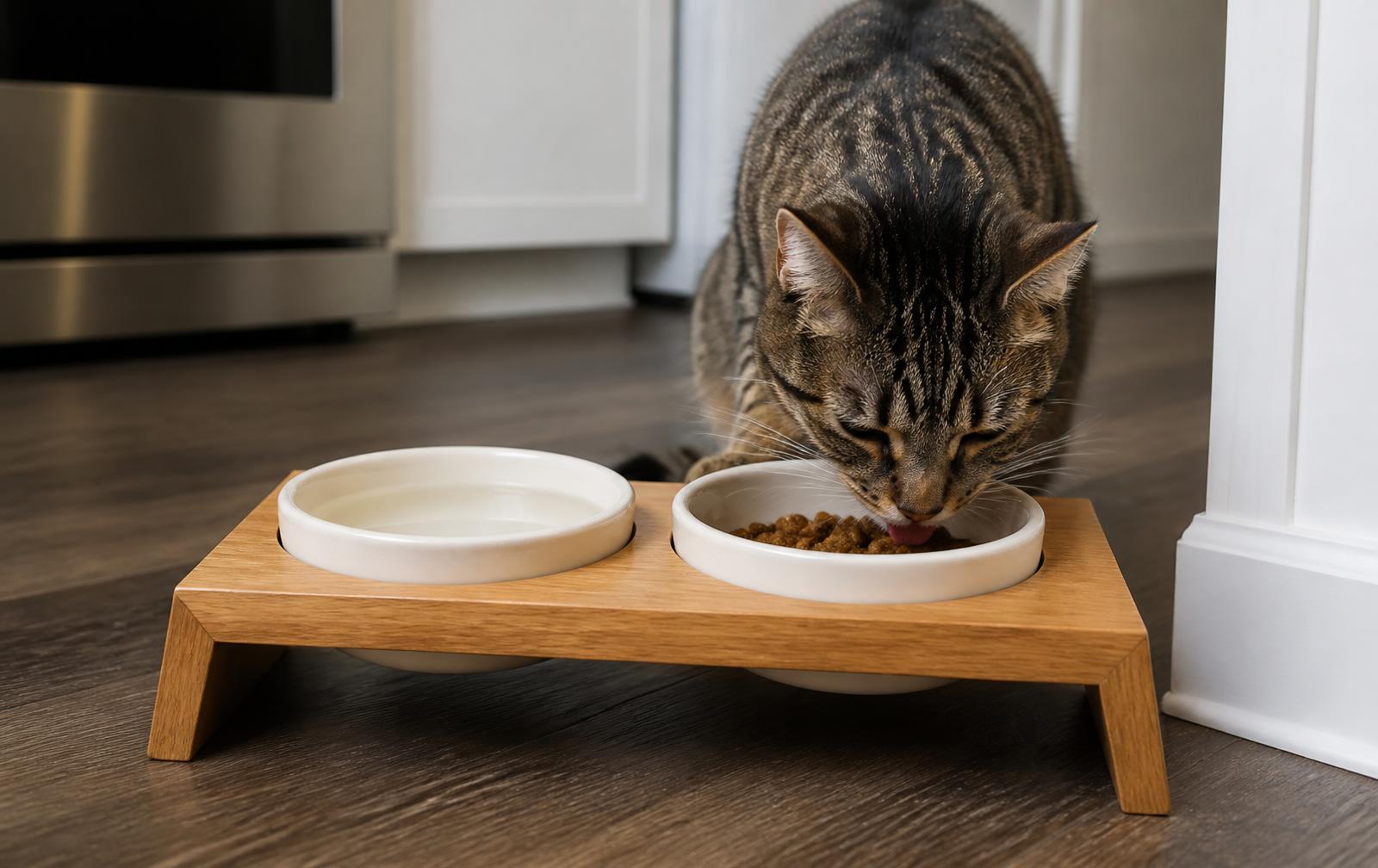
Food and Water Bowls: Material, Design, and Health Considerations
Compare cat food bowls and water bowls by material and design, including stainless steel bowls, to protect whisker health and hygiene.
Read more →