Is Pumpkin Good for Cats? Health Benefits and Risks
Pumpkin for cats: how soluble fibre helps with constipation, diarrhoea, hairballs and weight, safe serving sizes, and when vegetables cross the line into filler.
By the Cleos team · 12 October 2026 · 8 min read
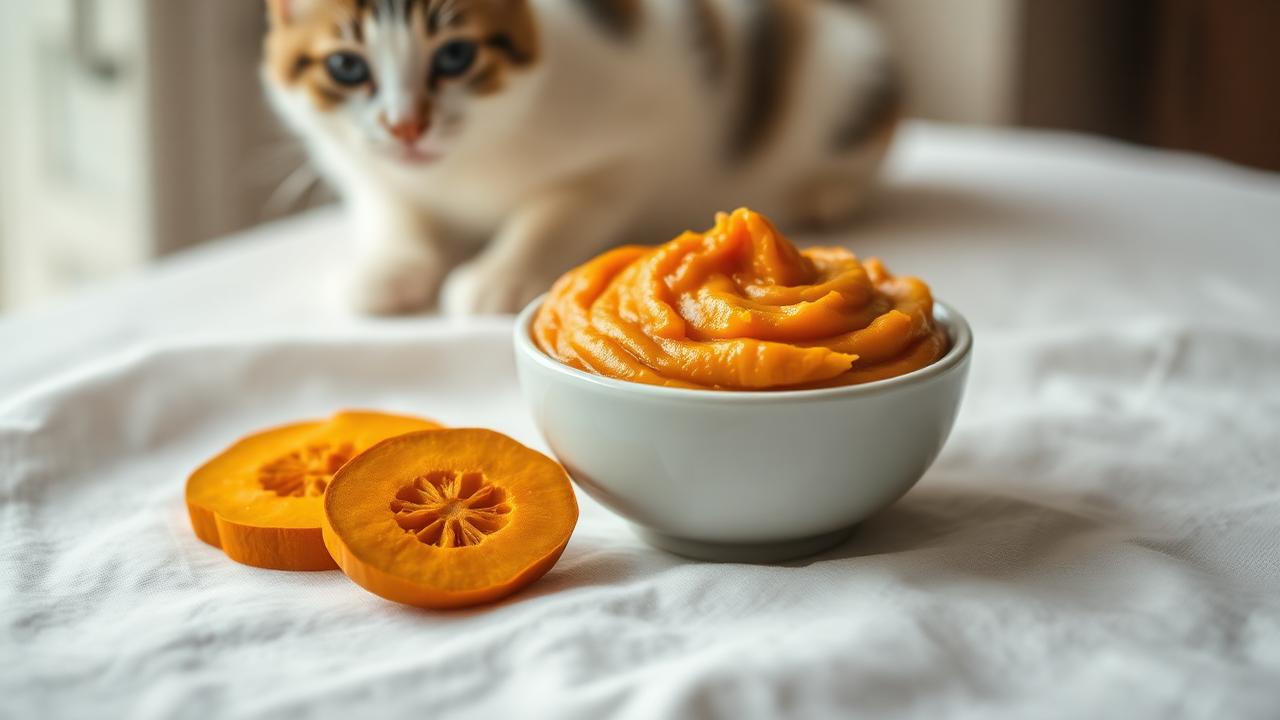
Scroll through any Indian pet-parenting forum and you will find someone recommending a spoonful of pumpkin for a constipated or upset-stomach cat. It is one of the oldest home remedies in the book, and it turns out there is real science behind it. But pumpkin is not a magic cure, and feeding it the wrong way can do more harm than good.
In short: Plain, cooked, unsweetened pumpkin can help with mild constipation, diarrhoea, hairballs, and weight management because of its soluble fibre and moisture content. However, cats are obligate carnivores who do not need carbohydrates, so pumpkin should stay a small, occasional addition rather than a diet staple, and pumpkin pie filling should never be fed at all.
Why Pumpkin Gets Recommended So Often
Pumpkin (kaddu, as it is commonly called across Indian kitchens) is low in calories, naturally hydrating, and rich in soluble fibre. For a cat's digestive system, soluble fibre works a bit like a sponge — it absorbs excess water in the intestines during diarrhoea and adds bulk and moisture during constipation, helping things move along more comfortably either way.
It also contains beta-carotene, potassium, and small amounts of vitamin A, none of which are essential in a cat's diet the way animal protein is, but none of which are harmful in modest quantities either. The Cornell Feline Health Center and many practising vets note that plain pumpkin is one of the gentler home additions for cats with occasional digestive upset, though it is not a substitute for veterinary care when symptoms persist.
It is worth remembering, though, that cats evolved as obligate carnivores. Their digestive tracts are built to extract nutrition from meat, not plant fibre, so pumpkin's benefits are supportive rather than nutritional. To understand what a cat's body actually needs from food, our guide on Real Protein vs Meat Meal in Cat Treats is a useful starting point.
The Main Benefits of Pumpkin for Cats
Constipation Relief
The soluble fibre in pumpkin absorbs water and softens stool, which can ease mild, occasional constipation. Vets often suggest a small amount mixed into food for a day or two. If constipation lasts more than 48 hours or your cat strains repeatedly without producing stool, this is a medical emergency, not a home-remedy situation — a vet visit is essential.
Diarrhoea Support
Counterintuitively, the same fibre that helps constipation can also firm up loose stools by absorbing excess liquid in the gut. This is why pumpkin is often called a "regulating" food. Chronic or bloody diarrhoea, however, needs veterinary diagnosis, since pumpkin will not resolve an underlying infection, parasite, or food intolerance.
Hairball Management
The added fibre and moisture can help hairballs pass through the digestive tract more easily instead of sitting in the stomach. This is one reason pumpkin is popular with long-haired breeds and heavy groomers. ICatCare notes that regular grooming and adequate hydration are equally important parts of hairball prevention.
Weight Management
Pumpkin is roughly 94% water and very low in calories, so a small spoonful can add bulk and a feeling of fullness to a meal without contributing significant calories — useful for cats on a calorie-controlled plan. It should never replace a properly formulated diet, though; talk to your vet before using pumpkin as part of a weight-loss plan.
Safe Serving Sizes and Preparation
Moderation is the entire game here. A little pumpkin goes a long way, and too much can cause the very digestive upset you are trying to avoid.
| Cat Size/Situation | Recommended Amount | Frequency |
|---|---|---|
| Kitten or small cat | 1/4 to 1/2 teaspoon | 1-2 times per week |
| Average adult cat | 1/2 to 1 teaspoon | 2-3 times per week |
| Occasional digestive upset | 1 teaspoon mixed into food | For 1-2 days, then reassess |
| Weight management support | 1/2 teaspoon | A few times per week, vet-guided |
Always start with the smaller amount and watch how your cat responds. Some cats' stomachs are more sensitive than others, and what works for one cat may not suit another — a good reminder to check our piece on Best Cat Treat Ingredients for Sensitive Stomachs if your cat reacts poorly to new foods in general.
Plain Cooked Pumpkin vs Pumpkin Pie Filling
This distinction matters enormously, and it is where most well-meaning cat parents go wrong.
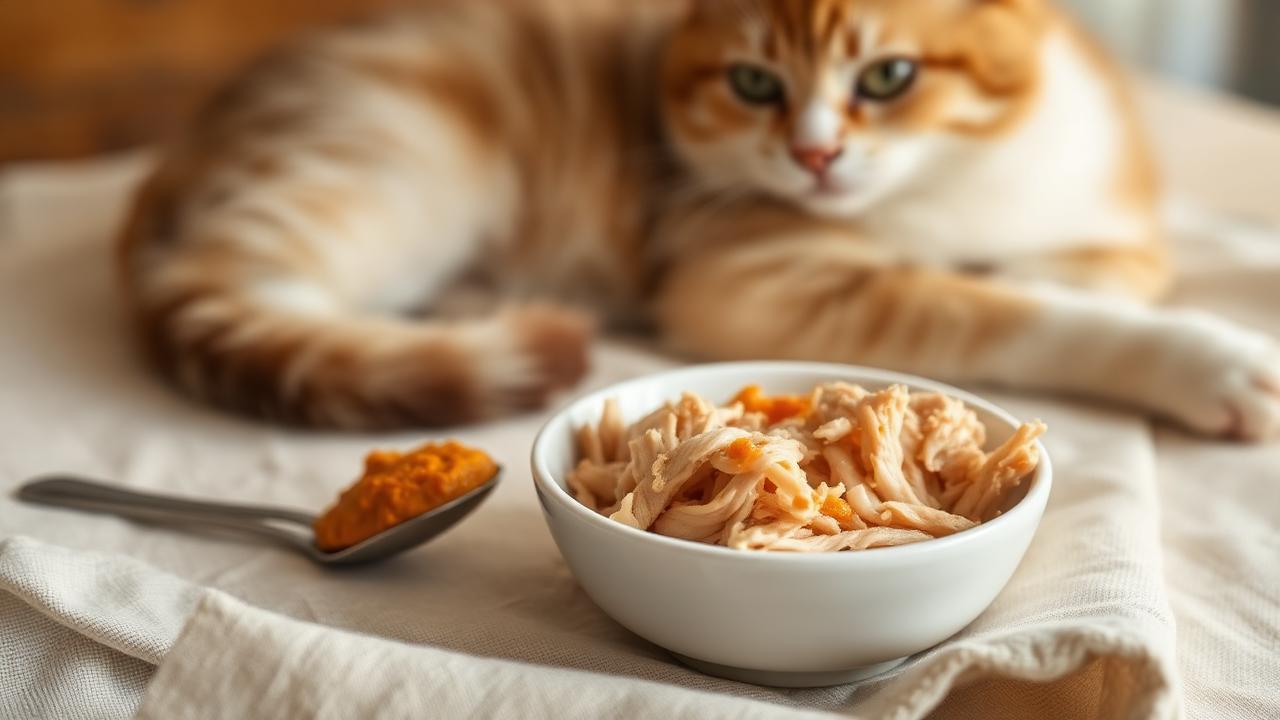
- Plain cooked or canned pumpkin puree (100% pumpkin, nothing else added) is the only form that is appropriate for cats. If cooking at home, steam or boil peeled pumpkin and mash it without salt, oil, or spices.
- Pumpkin pie filling or pumpkin pie mix is loaded with added sugar, cinnamon, nutmeg, and sometimes clove. Nutmeg in particular contains myristicin, which can be toxic to cats in larger amounts, and the sugar content offers no benefit and can worsen digestive upset.
- Pumpkin seeds can be given in tiny, plain, unsalted, ground quantities as an occasional treat, but they are not necessary and offer minimal benefit compared to the flesh.
- Raw pumpkin is harder for cats to digest and should be avoided; cooking breaks down the fibres and makes it gentler on the stomach.
If a product's label lists sugar, spices, or preservatives anywhere near the top, it is not suitable — a habit worth building through our guide on How to Read Cat Food Labels.
Risks of Overfeeding and the Carbohydrate Problem
Even the "good" version of pumpkin is still a carbohydrate-heavy plant food, and cats simply are not built to process large amounts of it. Feeding too much pumpkin, or feeding it too often, can lead to:
- Loose stools or diarrhoea from excess fibre, ironically undoing the benefit you were hoping for.
- Reduced appetite for actual protein, since a full stomach of fibre leaves less room for the meat-based nutrition a cat actually needs.
- Unnecessary carbohydrate load, which over time can contribute to weight gain and blood sugar swings, a concern the AVMA and ASPCA both flag when discussing appropriate treat proportions for cats.
- Masking a bigger problem, since chronic constipation or diarrhoea "managed" with pumpkin instead of a vet visit can allow an underlying illness to progress unnoticed.
Our article on Worst Cat Food Ingredients covers other plant-heavy additions that sound harmless but add up to a diet that drifts away from what a carnivore actually needs. Treats, including pumpkin-based ones, should follow the 10% rule: no more than roughly 10% of a cat's daily caloric intake should come from treats and extras combined, as recommended by most feline nutrition guidelines.
How Cleos Uses Vegetables the Right Way
This is exactly the philosophy behind our Chicken & Veggies formula at Cleos. Vegetables like pumpkin, carrot, or peas are included in small, functional amounts — enough to add fibre, micronutrients, and digestive support — while real chicken remains the dominant ingredient by far. Vegetables are never used as inexpensive filler to bulk up a pouch, the way starches and gums are used in many mass-market treats.
This is a distinction we think Indian cat parents deserve to understand clearly. A treat can list "pumpkin" or "carrot" on the label for two very different reasons: as a genuine functional addition in a protein-first formula, or as a cheap way to pad out the ingredient list. You can read more about spotting the difference in our deep dive on Fillers in Premium Cat Treats and Named Ingredients vs Mystery Meat. Cleos formulas are built protein-first, with vegetables playing a clearly supportive, not central, role — the same logic that governs how much pumpkin should ever appear in your cat's bowl.
Join the Cleos Waitlist: We believe in real, named ingredients used with purpose — never as filler. Be the first to try our high-protein lickable treats, including Chicken & Veggies, when we launch in India. Sign up at https://getcleos.in/#waitlist.
Frequently Asked Questions
How much pumpkin can I give my cat daily?
Most vets recommend no more than about 1/2 to 1 teaspoon of plain cooked pumpkin per day for an average adult cat, and even that is best kept to a few times a week rather than daily. Kittens and smaller cats need less. Pumpkin should always be an occasional addition to a complete, protein-based diet, not a daily supplement, and any digestive symptoms that persist beyond a day or two warrant a vet visit rather than more pumpkin.
Can kittens eat pumpkin?
Yes, in very small amounts, kittens can have plain cooked pumpkin, usually starting from around 1/4 teaspoon. Kittens have more sensitive digestive systems than adult cats, so introduce it slowly and watch closely for loose stools. Since kittens have high protein and calorie needs for growth, pumpkin should never displace their regular kitten food, and any new addition should first be discussed with your vet.
Is canned pumpkin safe, or should I only use fresh?
Plain canned pumpkin (100% pumpkin, no added sugar or spices) is perfectly safe and often more convenient than cooking fresh pumpkin at home. Always check the label carefully, since some canned products are pre-seasoned "pie filling" rather than plain puree. If using fresh pumpkin, cook it thoroughly and mash it without any salt, oil, or seasoning before offering it to your cat.
Can pumpkin cure my cat's diarrhoea completely?
No. Pumpkin can help firm up mild, short-term loose stools by absorbing excess water in the gut, but it is not a cure for diarrhoea caused by infection, parasites, food intolerance, or illness. If diarrhoea lasts more than a day or two, contains blood, or is accompanied by lethargy or vomiting, consult a vet promptly rather than relying on pumpkin alone, per general guidance from the Pet Poison Helpline.
Does pumpkin help with hairballs better than other remedies?
Pumpkin can be one helpful part of hairball management because its fibre and moisture support smoother digestion, but it works best alongside regular brushing, adequate hydration, and treats formulated for hairball control. It is not a standalone solution. If hairballs are frequent or your cat shows signs of distress while trying to pass them, a veterinary check is important to rule out other causes.
Are pumpkin seeds better for cats than pumpkin flesh?
Not particularly. Pumpkin seeds contain some nutrients but offer little additional benefit over plain cooked pumpkin flesh, and they carry a slight choking risk if not ground and given in tiny amounts. Cooked pumpkin flesh is the easier, more predictable option for occasional digestive support. If you do offer seeds, keep them plain, unsalted, and very finely ground, and treat them as a rare extra rather than a regular addition.
For more vet-informed guidance on feeding your cat well, browse the Cleos Blog. And if you want real-meat, high-protein treats with vegetables used the right way, Join our waitlist to be notified when Cleos launches in India.
Keep Cleos close
Get more Cleos stories on Google
Add Cleos as a preferred source to make our cat care guides easier to find in Google.
Add to Preferred SourcesFound this useful? Share it
Treats worth reading the label for.
Cleos lickable treats are built on real, named ingredients — Real Chicken, Real Tuna, Tuna & Shrimp and Chicken & Veggies — with zero artificial fillers.
Join the Cleos waitlistKeep reading
Travel Carriers and Cat Crates: Stress-Free Transport
Choose the right cat carrier or crate and learn practical tips for calmer vet visits, car trips, and moves with your feline companion.
Read more →
Pet Cameras and Monitoring: Tech for Checking on Your Cat
A practical guide to pet cameras and monitoring systems for cats, covering features, placement, and how to use them without over-worrying.
Read more →
Food and Water Bowls: Material, Design, and Health Considerations
Compare cat food bowls and water bowls by material and design, including stainless steel bowls, to protect whisker health and hygiene.
Read more →