What Are the Worst Cat Food Ingredients? (Vet-Reviewed Guide)
A vet-reviewed guide to the worst cat food ingredients — propylene glycol, meat by-products, artificial flavours, menadione and more — and how to spot them on any label.
By the Cleos team · 6 July 2026 · 9 min read
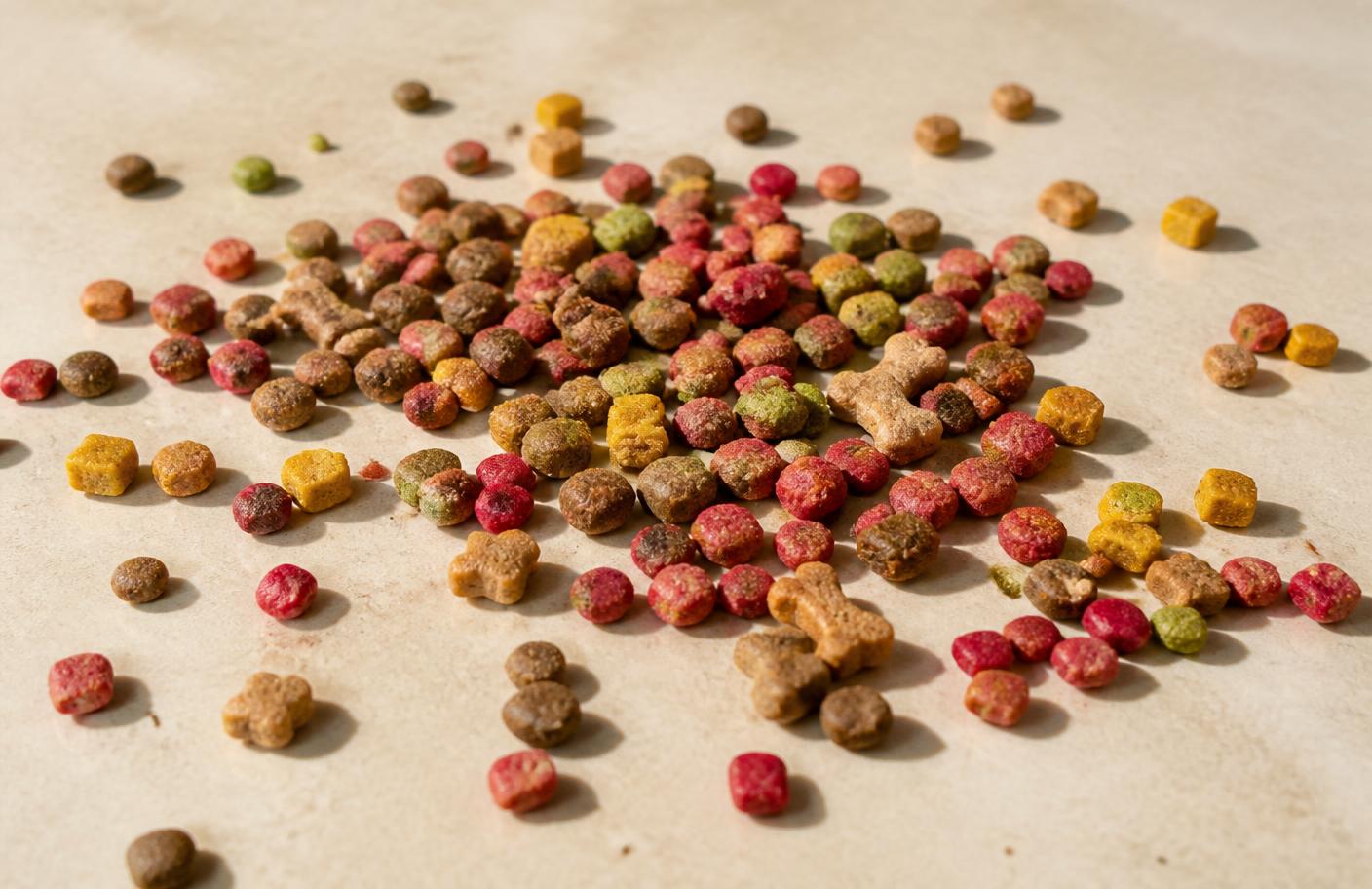
As a cat parent in India, you want the absolute best for your feline companion, but standing in the pet food aisle can feel like decoding a complex chemical manual. While many brands promise health and vitality, the fine print on the back of the packet often reveals a different story filled with additives that offer no nutritional value to an obligate carnivore.
In short: The worst cat food ingredients include chemical preservatives like BHA/BHT, artificial colours, propylene glycol, and vague "meat meals" that lack transparency. Prioritising real, named animal proteins over mystery by-products and fillers is the most effective way to ensure long-term cat food safety.
The Hidden Complexity of Cat Food Safety
Understanding what goes into your cat’s bowl is not just about avoiding immediate toxins; it is about recognizing how cumulative exposure to low-quality fillers affects their health over years. Cats have a unique metabolism. Unlike humans or even dogs, they lack specific liver enzymes to process certain chemicals and require a diet dominated by animal tissues to thrive.
When we discuss the "worst" ingredients, we are looking at two categories: those that are actively harmful (toxic) and those that are biologically inappropriate (fillers). In India, where pet food regulation is still evolving compared to standards set by the Association of American Feed Control Officials (AAFCO), the responsibility falls on the pet parent to be the final gatekeeper of quality.
Chemical Preservatives: BHA, BHT, and Ethoxyquin
If you see a bag of kibble that stays "fresh" for two years, it is likely packed with synthetic antioxidants. BHA (Butylated Hydroxyanisole) and BHT (Butylated Hydroxytoluene) are chemical preservatives used to prevent fats and oils from going rancid.
The Evidence for Concern
While the FDA permits these in small quantities, several veterinary studies and health organisations have raised red flags regarding their long-term effects. BHA, in particular, has been flagged by some international health bodies as a potential carcinogen.
How to Spot It
Scan the very end of the ingredient list. You will often see "BHA used as a preservative" or "BHT added to preserve freshness." Many mass-market brands use these because they are cheaper and more stable than natural alternatives like Vitamin E (Mixed Tocopherols) or Rosemary Extract. At Cleos, we believe that if an ingredient requires a chemistry degree to pronounce, it likely doesn't belong in a cat’s treat.
Propylene Glycol: The Dangerous Moisture Retainer
Propylene glycol is a humectant—an additive used to keep "semi-moist" cat foods and treats soft and chewy. While it is still used in some dog foods, it is significantly more dangerous for cats.
Why It Is Used
It prevents the food from drying out and inhibits the growth of bacteria. However, cats are uniquely sensitive to this chemical. It can cause Heinz body anaemia, a condition where the cat’s red blood cells are damaged and destroyed prematurely.
According to the Pet Poison Helpline, even small amounts over time can be detrimental. In many regions, propylene glycol is actually banned in cat food, but it occasionally appears in imported or lower-quality treats. Always check for this specific term, especially in treats that have a "spongey" or soft texture without being fully wet.
Meat Meal vs Real Meat: The Mystery Protein Problem
Protein is the cornerstone of a cat’s diet, but not all protein is created equal. On a label, you might see "Chicken," or you might see "Meat Meal" or "Animal By-product Meal."
Understanding the Difference
- Real Meat: This is the clean flesh of the named animal (e.g., Real Tuna or Chicken).
- Meat Meal: This is a rendered product. Rendering involves cooking animal tissues at high heat to remove moisture and fat, leaving a concentrated protein powder.
- Vague Definitions: The word "Meat" or "Poultry" without a species name (like "Chicken" or "Salmon") is a red flag. It means the source could be any mixture of animals.
Using named ingredients is essential for cats with allergies. If a treat says "Real Tuna," you know exactly what your cat is eating. If it says "Fish Meal," it could be any combination of fish species, which is why The Science Behind Named Ingredients vs Mystery Meat in Cat Treats is such a vital topic for modern pet parents.
Artificial Colours and Flavours: Purely for the Human Eye
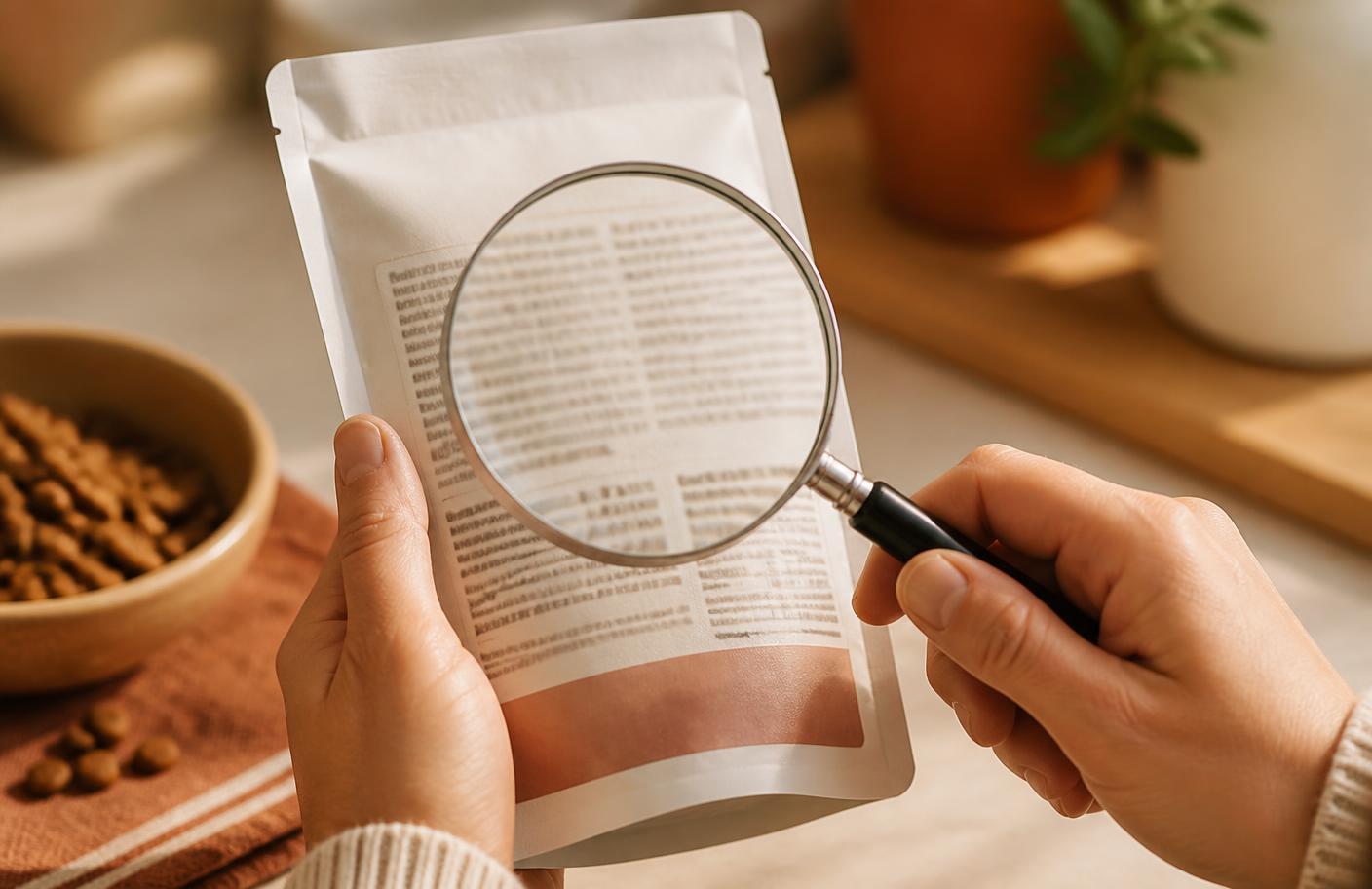
Have you ever wondered why some cat kibble comes in shades of red, green, and orange? Cats are dichromatic; they do not see the full spectrum of colours that humans do, and they certainly don't care if their food looks like a garden salad.
The Problem with Dyes
Artificial colours like Red 40, Yellow 5, and Blue 2 are added solely to make the food look "appealing" to the human buyer. These dyes have been linked to hyperactivity and allergic reactions in some pets. Similarly, "Artificial Flavours" are used to mask the bland taste of high-filler foods. If the ingredients were high-quality and fresh, the natural aroma of the meat would be enough to entice any cat.
Looking for a treat that doesn't hide behind chemicals? Cleos is crafting lickable treats with zero artificial fillers and 100% real named meats. Join our waitlist here to be the first to try them in India.
Carrageenan: The Controversial Thickener
Carrageenan is an additive extracted from red seaweed, used to thicken and jellify wet cat foods and lickable treats. While it sounds "natural" because it comes from seaweed, the processing matters.
The Gut Health Connection
Degraded carrageenan is a known inflammatory agent. Even food-grade carrageenan is suspected by some veterinary nutritionists to cause low-level inflammation in the feline digestive tract. For cats with sensitive stomachs, this can lead to vomiting or diarrhoea. This is a primary reason why many pet parents are moving toward Best Cat Treat Ingredients for Sensitive Stomachs that avoid these harsh binding agents.
Menadione (Vitamin K3): A Synthetic Alternative
Vitamin K is essential for blood clotting. However, instead of using natural sources of Vitamin K, many manufacturers use Menadione Sodium Bisulfite, also known as Vitamin K3.
The Risks
While the Merck Veterinary Manual details the importance of vitamins, synthetic K3 has been linked to liver toxicity and damage to cell membranes in high doses. While it is still legal in pet food, many premium brands have removed it in favour of natural sources like kale or kelp, or simply relying on the natural vitamins found in high-quality organ meats.
Excess Plant Protein and Fillers
Cats are "obligate carnivores." This means their bodies are biologically designed to process animal protein, not plant protein. Ingredients like corn gluten meal, wheat gluten, and soy protein concentrate are often used to "boost" the protein percentage on the label without using expensive meat.
| Ingredient Category | Common Examples | Why It’s a Problem for Cats |
|---|---|---|
| Grains | Corn, Wheat, Soy | Difficult to digest; can lead to obesity and blood sugar spikes. |
| Starches | Tapioca, Potato Flour | Used as binders; high glycaemic index. |
| Plant Proteins | Pea Protein, Corn Gluten | Lacks essential amino acids like Taurine found in meat. |
Using these fillers is a common practice in the industry. For instance, brands such as Whiskas, Purina Friskies, Sheba, Temptations and Royal Canin all sell cat treats in India, and it is common to find various levels of grains or starches in many commercial formulations globally. However, if you are looking to maximize health, you should check Are There Any Fillers in Premium Cat Treats? to understand how even "luxe" brands sometimes include these unnecessary carbs.
How to Read a Cat Food Label Like a Pro
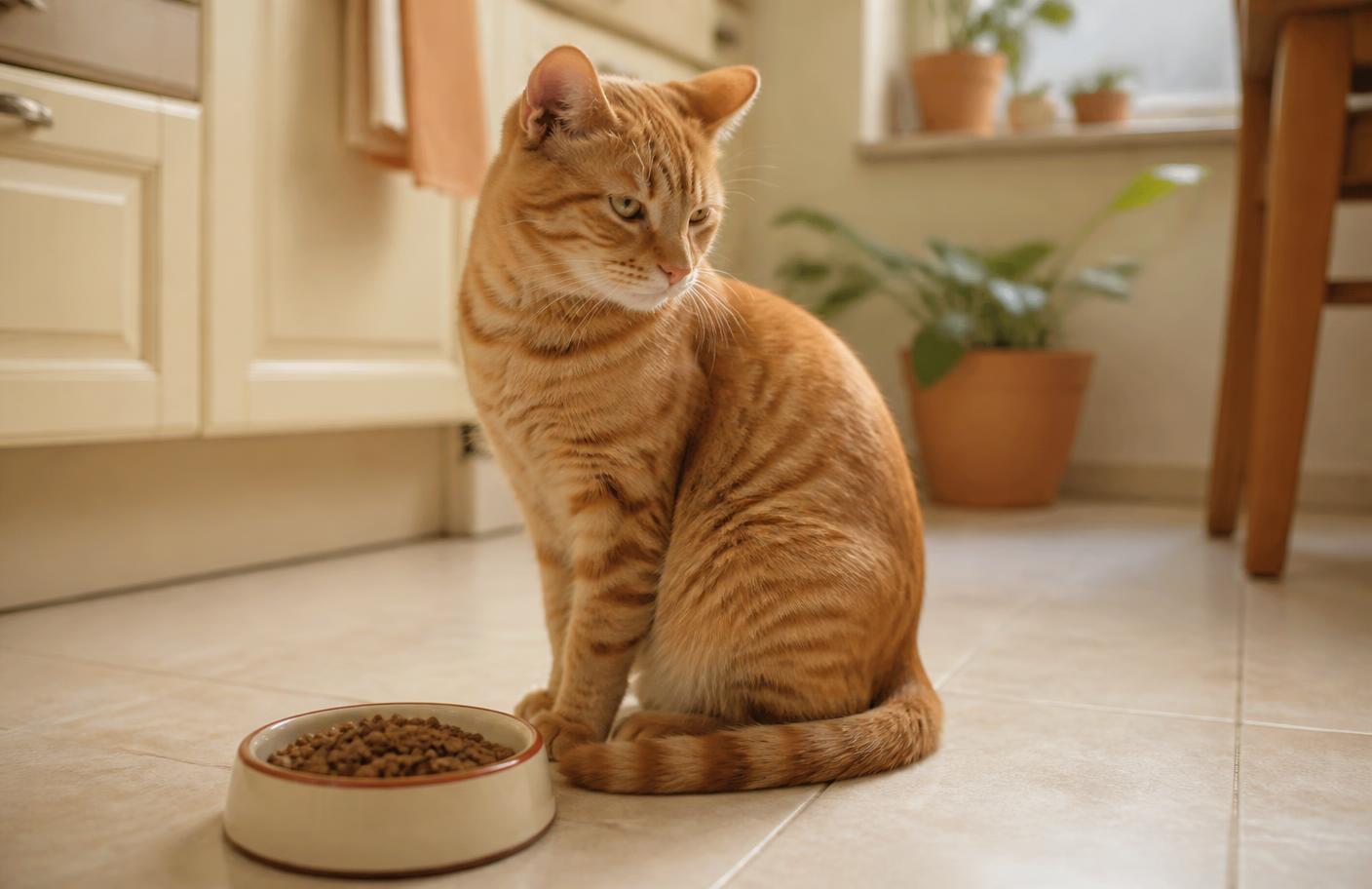
To avoid the worst cat food ingredients, you must look past the marketing on the front of the bag. The "Chicken Feast" might only contain 4% chicken once you read the back.
- The First Five Ingredients: These make up the majority of the food. At least three of the first five should be named animal proteins (e.g., "Chicken," "Tuna," "Chicken Liver").
- Avoid Vague Terms: If you see "Animal Fat" instead of "Chicken Fat," or "Fish Meal" instead of "Salmon Meal," put it back.
- Check for "Splitting": Manufacturers sometimes list "Corn Flakes," "Corn Flour," and "Corn Gluten" separately so that "Chicken" can stay at the #1 spot, even though there is more total corn than chicken in the bag.
- Sugar and Sweeteners: Cats cannot taste "sweet." Ingredients like molasses, corn syrup, or sucrose are added purely to make the food addictive or to caramelise it for a better colour.
For a deeper dive into these tactics, read our guide on How to Read Cat Food Labels: Decoding Pet Food Marketing Claims.
The Cleos Standard: Real Protein, No Fluff
At Cleos, we started with a simple question: Why are cat treats filled with so much "stuff" that isn't meat? Most lickable treats in the market rely on thickeners, starches, and flavours to create that creamy texture.
We took a different path. Our formulations are built on vet-reviewed principles that prioritise high protein and named ingredients. Whether it’s our Real Chicken or our Tuna & Shrimp varieties, we ensure that what you see is what your cat gets. No hidden BHA, no propylene glycol, and no mystery meat meals. We invite you to explore the Cleos hub to learn more about our commitment to transparency.
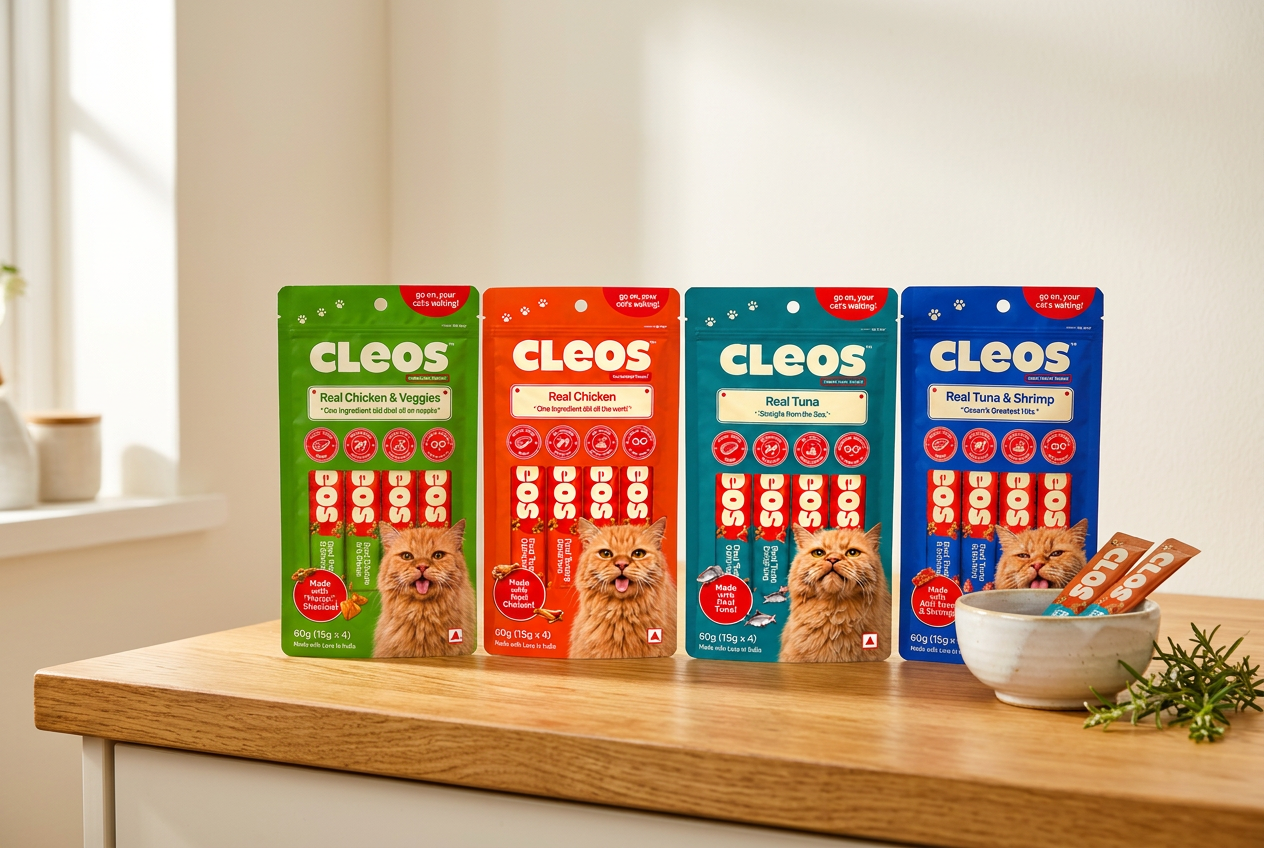
Ready to upgrade your cat's snack time? Join the movement for cleaner, meatier treats. Sign up for the Cleos waitlist and be the first to know when we launch in India.
Frequently Asked Questions
What is the most toxic ingredient for cats in common food?
While not an "ingredient" in cat food, things like onions and garlic are highly toxic. Inside cat food packets, Propylene Glycol is one of the most concerning additives due to its link to Heinz body anaemia. Always ensure your cat's treats are free from this humectant.
Is "Meat By-Product" always bad?
Not necessarily, but it lacks transparency. By-products can include nutritious organs like the heart and liver, but they can also include less desirable parts. The problem is you never know the ratio. Choosing "Real Meat" or named organs is always safer for quality control.
Why do brands use BHA and BHT if they are controversial?
These synthetic antioxidants are extremely effective at preventing spoilage and are very inexpensive. They allow food to sit on warehouse shelves in varying temperatures for long periods without the fats going rancid, which is a logistical advantage for large-scale manufacturers.
Can cats eat grains like corn and wheat?
Cats can digest processed starches to some extent, but they have no biological requirement for them. Grains are primarily used as "fillers" to lower the cost of production. A diet too high in grains can contribute to obesity and feline diabetes over time.
How do I know if a treat has too much plant protein?
Look for ingredients like "Pea Protein," "Potato Protein," or "Corn Gluten Meal" in the first few spots of the list. If these appear before or alongside the meat sources, the manufacturer is likely using them to inflate the total protein percentage cheaply.
Are natural preservatives like Vitamin E better?
Yes. Natural preservatives like Mixed Tocopherols (Vitamin E) and Rosemary Extract are much safer alternatives to BHA and BHT. They have a shorter shelf life, which is why they are typically found in higher-quality, fresher batches of cat food and treats.
Keep Cleos close
Get more Cleos stories on Google
Add Cleos as a preferred source to make our cat care guides easier to find in Google.
Add to Preferred SourcesFound this useful? Share it
Treats worth reading the label for.
Cleos lickable treats are built on real, named ingredients — Real Chicken, Real Tuna, Tuna & Shrimp and Chicken & Veggies — with zero artificial fillers.
Join the Cleos waitlistKeep reading
Travel Carriers and Cat Crates: Stress-Free Transport
Choose the right cat carrier or crate and learn practical tips for calmer vet visits, car trips, and moves with your feline companion.
Read more →

Pet Cameras and Monitoring: Tech for Checking on Your Cat
A practical guide to pet cameras and monitoring systems for cats, covering features, placement, and how to use them without over-worrying.
Read more →
Food and Water Bowls: Material, Design, and Health Considerations
Compare cat food bowls and water bowls by material and design, including stainless steel bowls, to protect whisker health and hygiene.
Read more →