Artificial Sweeteners and Cats: Is Xylitol Dangerous?
Xylitol, sorbitol, maltodextrin and dextrose around cats — the real risk level, the hidden sources in your home, warning signs, and why treats never need sweeteners.
By the Cleos team · 26 October 2026 · 9 min read
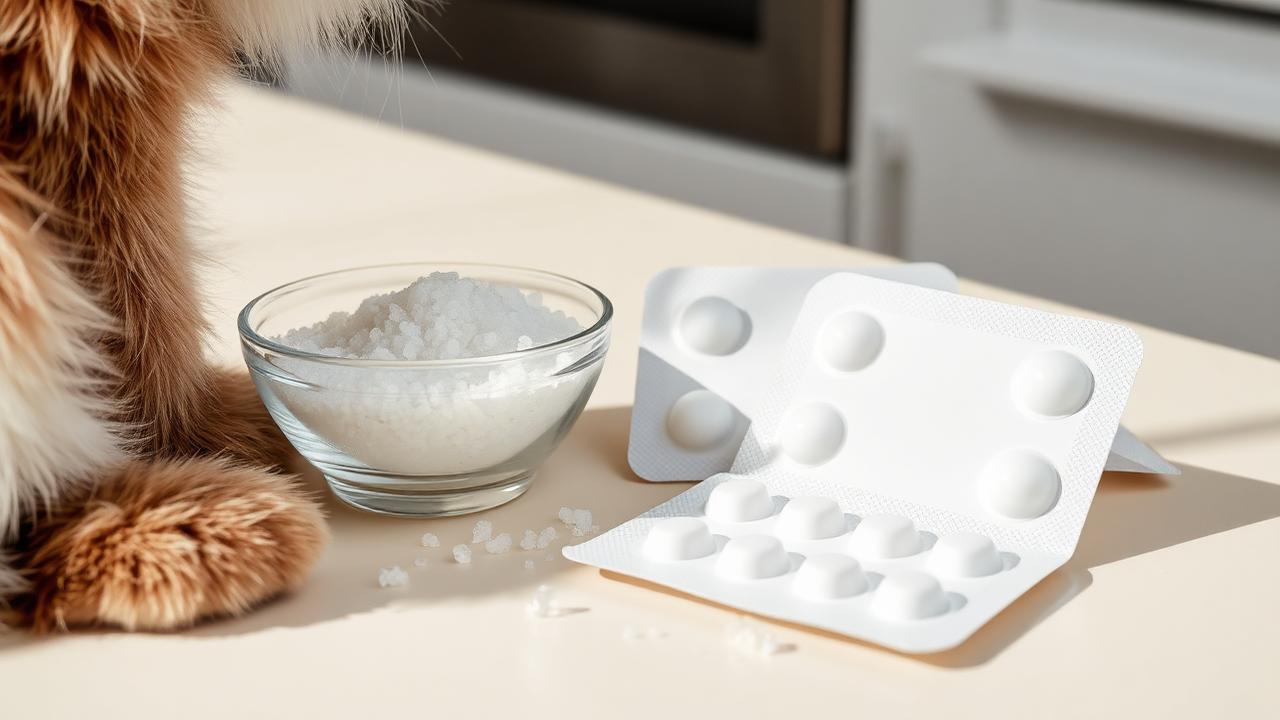
Most Indian cat parents have heard the frantic warnings about xylitol and dogs, but far fewer know what this common sugar substitute actually does to a cat. As sugar-free products become more popular in Indian households—from diet colas to imported peanut butter—the risk of accidental exposure is rising, and it is worth understanding exactly where cats stand.
In short: Xylitol causes a dangerous, rapid insulin surge in dogs that leads to life-threatening hypoglycemia, but this specific reaction has not been well documented in cats. However, vets still urge caution because cats are exposed to xylitol and other sweeteners through many hidden household sources, and general toxicity to the feline liver and gut remains a real concern. Sweeteners have no place in a cat's diet, and treats like Cleos are formulated with zero artificial sweeteners of any kind.
What Exactly Is Xylitol?
Xylitol is a sugar alcohol, naturally found in small quantities in fruits like berries and plums, but manufactured in bulk from corn cobs or birch bark for commercial use. It tastes almost identical to sugar but contains far fewer calories, which is why it has become a favourite additive in "sugar-free" and "diet" products worldwide, including a growing number of Indian brands catering to diabetics and weight-conscious consumers.
In dogs, xylitol is notorious for triggering a massive, rapid release of insulin from the pancreas. This causes blood sugar to crash within 10 to 60 minutes of ingestion, a condition called hypoglycemia, which can progress to seizures, liver failure, and death if untreated. This mechanism is well studied and documented by organisations like the ASPCA Animal Poison Control Center.
Dogs vs. Cats: Why the Risk Profile Differs
This is where the science gets nuanced, and where a lot of online misinformation circulates.
The Current Evidence on Cats
Research and case reports specifically documenting xylitol toxicity in cats are limited compared to the extensive body of evidence in dogs. Some veterinary toxicologists believe cats may be less susceptible to the same dramatic insulin-release mechanism, possibly due to differences in how their pancreas responds to sugar alcohols. The Pet Poison Helpline notes that clinical cases in cats are rare, largely because cats are far less likely to seek out and eat sweet-tasting foods in the first place—they lack the taste receptors for sweetness that make sugary treats appealing to dogs and humans.
Why Caution Still Applies
A lack of documented cases is not the same as a proven safety record. Veterinary toxicologists generally agree that:
- Cats can still experience gastrointestinal upset from ingesting xylitol, including vomiting and diarrhoea, simply from the substance disrupting normal gut flora and osmotic balance.
- Liver stress is possible in any species metabolising large amounts of an unfamiliar compound, and cats already have unique, limited liver enzyme pathways compared to other mammals.
- Concentrated or repeated exposure is unpredictable, and because feline-specific studies are scarce, most vets in India and abroad recommend treating xylitol as an emergency-worthy ingestion regardless of species, purely as a precaution.
In short, "less documented" should never be read as "safe." The absence of large case studies simply reflects that cats rarely eat enough of it to generate the same volume of reported poisonings as dogs.
Hidden Sources of Xylitol in Indian Homes
Xylitol is not always labelled obviously, and it hides in more products than most pet parents expect.
| Product Category | Common Examples | Why It's a Risk |
|---|---|---|
| Sugar-free gum and mints | Orbit, various imported brands | Small, easy for a cat to bat around and lick |
| Peanut butter | Certain "diet" or keto-style imported brands | Cats sometimes lick spoons or jars left out |
| Toothpaste and mouthwash | Human oral care products | Left on counters, appealing due to mint smell |
| Over-the-counter medicines | Chewable vitamins, cough syrups, melatonin gummies | Often flavoured and left within reach |
| Baked goods and desserts | Sugar-free cookies, protein bars, diabetic sweets | Popular in Indian households managing diabetes |
| Diet beverages and supplements | Some sports and diet powders | Rarely suspected as a pet hazard |
Because these products are increasingly common in urban Indian kitchens, it is worth checking labels for "xylitol," "birch sugar," or "wood sugar" before leaving anything within your cat's reach.
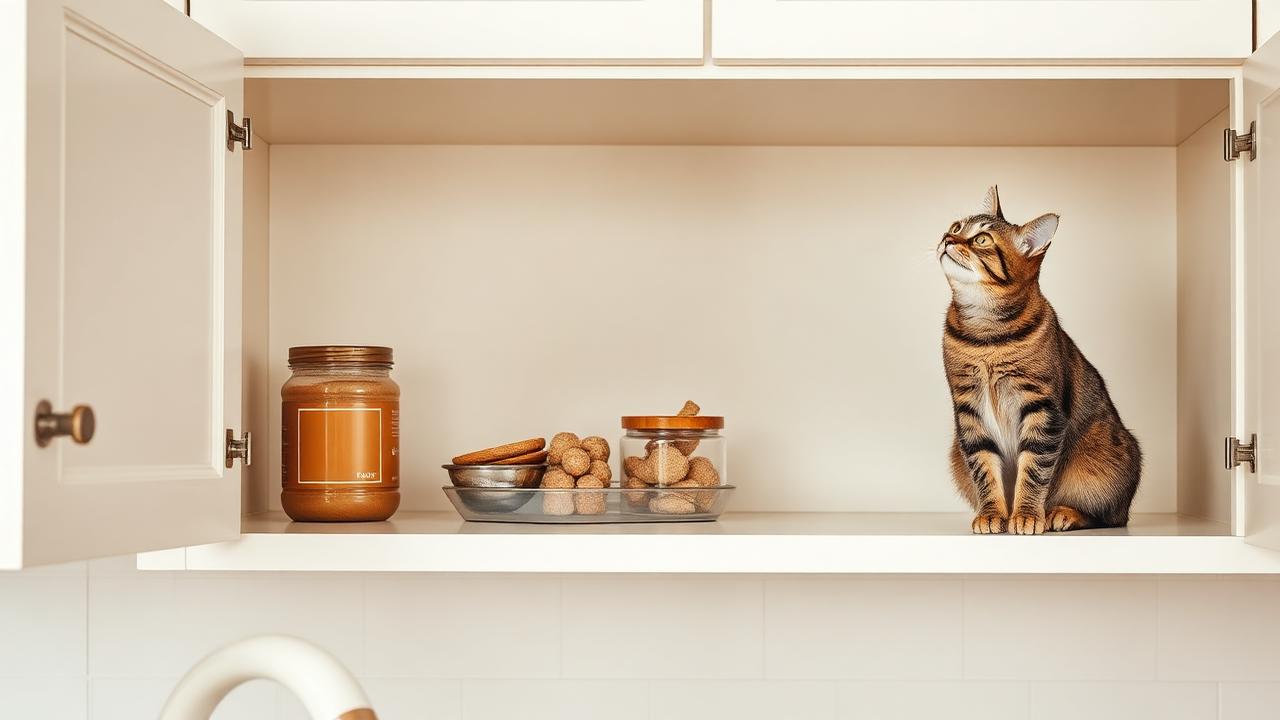
Other Sweeteners Used in Pet Treats
Xylitol is not the only sweetener cat parents should watch for. Several commercial cat treats—even those marketed as "premium"—contain sugars and sugar alcohols that serve no nutritional purpose for an obligate carnivore. Understanding these is part of learning how to read cat food labels properly.
Sorbitol
Like xylitol, sorbitol is a sugar alcohol used to add sweetness and moisture retention in semi-moist treats. It is generally considered lower risk than xylitol, but in large amounts it can cause diarrhoea and digestive upset because cats process sugar alcohols poorly.
Maltodextrin and Dextrose
These are simple sugars often added purely to improve palatability or to bulk out a formula cheaply. Cats have no biological need for dietary sugar, and repeated exposure through treats can contribute to unnecessary blood sugar spikes over time, a concern especially relevant for cats already prone to obesity or insulin resistance. You can read more about these additives in our article on fillers in premium cat treats.
Why This Matters for Treat Selection
None of these sweeteners exist in nature as part of a cat's ancestral diet. A cat's palate is not even wired to detect sweetness, so sweeteners in cat treats exist purely to appeal to human perception of what tastes "good," not the cat's actual preference. This is one of several reasons we cover in our guide on the worst cat food ingredients to watch for on Indian shelves.
Symptoms of Xylitol or Sweetener Toxicity
If your cat has ingested a product containing xylitol or another sweetener, watch closely for the following signs, which can appear within 30 minutes to a few hours:
- Vomiting — often the first and most obvious symptom.
- Weakness or lethargy — a sign that blood sugar may be dropping.
- Wobbly or uncoordinated movement (ataxia) — indicates neurological effects from hypoglycemia.
- Tremors or seizures — a medical emergency requiring immediate care.
- Yellowing of the gums or eyes (jaundice) — a possible sign of liver involvement, which can develop over 24-72 hours.
- Diarrhoea — common with sorbitol, maltodextrin, and other sugar alcohols even without the insulin-crash mechanism.
What to Do in an Emergency
If you suspect your cat has eaten anything containing xylitol or another artificial sweetener, do not wait for symptoms to appear before acting.
- Do not induce vomiting at home unless specifically instructed by a veterinarian, since this can sometimes worsen the situation depending on what was ingested.
- Note the product and estimated quantity ingested. Check the label for "xylitol," "birch sugar," "sorbitol," or other sweetener names, and bring the packaging with you.
- Call your veterinarian or an emergency animal hospital immediately, even if your cat seems fine. Hypoglycemia and liver damage can take hours to become apparent.
- Monitor closely for the symptoms listed above while you are en route to care.
- Follow up with bloodwork as advised, since liver enzyme changes can appear days after ingestion even if initial symptoms resolve.
Organisations such as the Cornell Feline Health Center and the AVMA both recommend treating any sweetener ingestion in cats as a reason to consult a vet rather than "wait and see," given how limited feline-specific data still is.
Why Cleos Never Uses Artificial Sweeteners
At Cleos, we believe cat treats should never require sugar, sugar alcohols, or artificial sweeteners of any kind to be appealing. Since cats cannot taste sweetness the way humans do, a sweetener in a cat treat only ever serves a manufacturing purpose—never a nutritional or palatability one for the cat itself.
Our lickable treats, made with real named ingredients like Real Chicken, Real Tuna, Tuna & Shrimp, and Chicken & Veggies, rely entirely on the natural aroma and taste of real meat to win over even the fussiest cats. There is no xylitol, no sorbitol, no maltodextrin, and no dextrose in our formulas—just high-protein nutrition supported by L-Taurine and Vitamin E. If you are comparing ingredient philosophies, our piece on real protein vs. meat meal explains why simplicity wins every time.
Join the Cleos Waitlist: We formulate every recipe without a single gram of artificial sweetener, filler, or mystery ingredient. Be the first to try our real-meat lickable treats when we launch in India. Sign up at https://getcleos.in/#waitlist.
Frequently Asked Questions
Is xylitol as dangerous to cats as it is to dogs?
Current veterinary evidence suggests cats may be less prone to the severe insulin-spike reaction seen in dogs, largely because documented feline poisoning cases are rare. However, this does not mean xylitol is safe for cats. Vets still recommend treating any suspected ingestion as an emergency, since cats can experience gastrointestinal upset, liver stress, and unpredictable reactions even without the dramatic hypoglycemia crash typically seen in dogs.
Why don't cats seek out sugary or sweet foods?
Cats lack the specific taste receptor genes needed to detect sweetness, a trait unique among mammals. This means a cat is unlikely to deliberately eat sugar-free gum or a sweetened dessert the way a dog might. However, cats can still accidentally ingest sweeteners by licking spoons, jars, spilled powders, or medicine residue, so household caution is still essential.
What household items should I keep away from my cat?
Keep sugar-free gum, mints, diet peanut butter, toothpaste, mouthwash, chewable vitamins, sugar-free baked goods, and diet beverages stored securely away from counters and floors. Many of these products contain xylitol, sorbitol, or other sweeteners that offer no benefit and some risk to cats. Treat any spilled powder or open sweetened product as a potential hazard requiring quick cleanup.
Do commercial cat treats ever contain xylitol?
Xylitol itself is uncommon in commercial cat treats, but other sweeteners like maltodextrin, dextrose, and sorbitol do appear in some products to improve palatability or texture. These offer no nutritional value to an obligate carnivore and can contribute to blood sugar issues over time. Always check the ingredient label for hidden sugars before purchasing any treat.
What are the first signs my cat may have eaten a sweetener?
Early signs include vomiting, sudden lethargy, wobbly movement, and disorientation, typically appearing within 30 minutes to a few hours. In more serious cases, tremors, seizures, or jaundice can develop. Because feline-specific data is limited, any of these symptoms following exposure to a sweetened product should prompt an immediate call to your veterinarian rather than waiting to see if symptoms worsen.
How can I make sure my cat's treats are sweetener-free?
Look for treats with short ingredient lists led by named real meats, such as chicken or tuna, with no mention of sugar, syrup, sorbitol, maltodextrin, or dextrose. Brands transparent about their formulation, like Cleos, will clearly state they contain zero artificial sweeteners. When in doubt, contact the manufacturer directly or consult resources like ICatCare for guidance on safe feline nutrition.
For more vet-informed guidance on keeping your cat safe from hidden dietary dangers, explore the Cleos Blog. Ready for treats made with real ingredients and zero artificial sweeteners? Join our waitlist to be notified the moment Cleos launches in India.
Keep Cleos close
Get more Cleos stories on Google
Add Cleos as a preferred source to make our cat care guides easier to find in Google.
Add to Preferred SourcesFound this useful? Share it
Treats worth reading the label for.
Cleos lickable treats are built on real, named ingredients — Real Chicken, Real Tuna, Tuna & Shrimp and Chicken & Veggies — with zero artificial fillers.
Join the Cleos waitlistKeep reading
Travel Carriers and Cat Crates: Stress-Free Transport
Choose the right cat carrier or crate and learn practical tips for calmer vet visits, car trips, and moves with your feline companion.
Read more →
Pet Cameras and Monitoring: Tech for Checking on Your Cat
A practical guide to pet cameras and monitoring systems for cats, covering features, placement, and how to use them without over-worrying.
Read more →
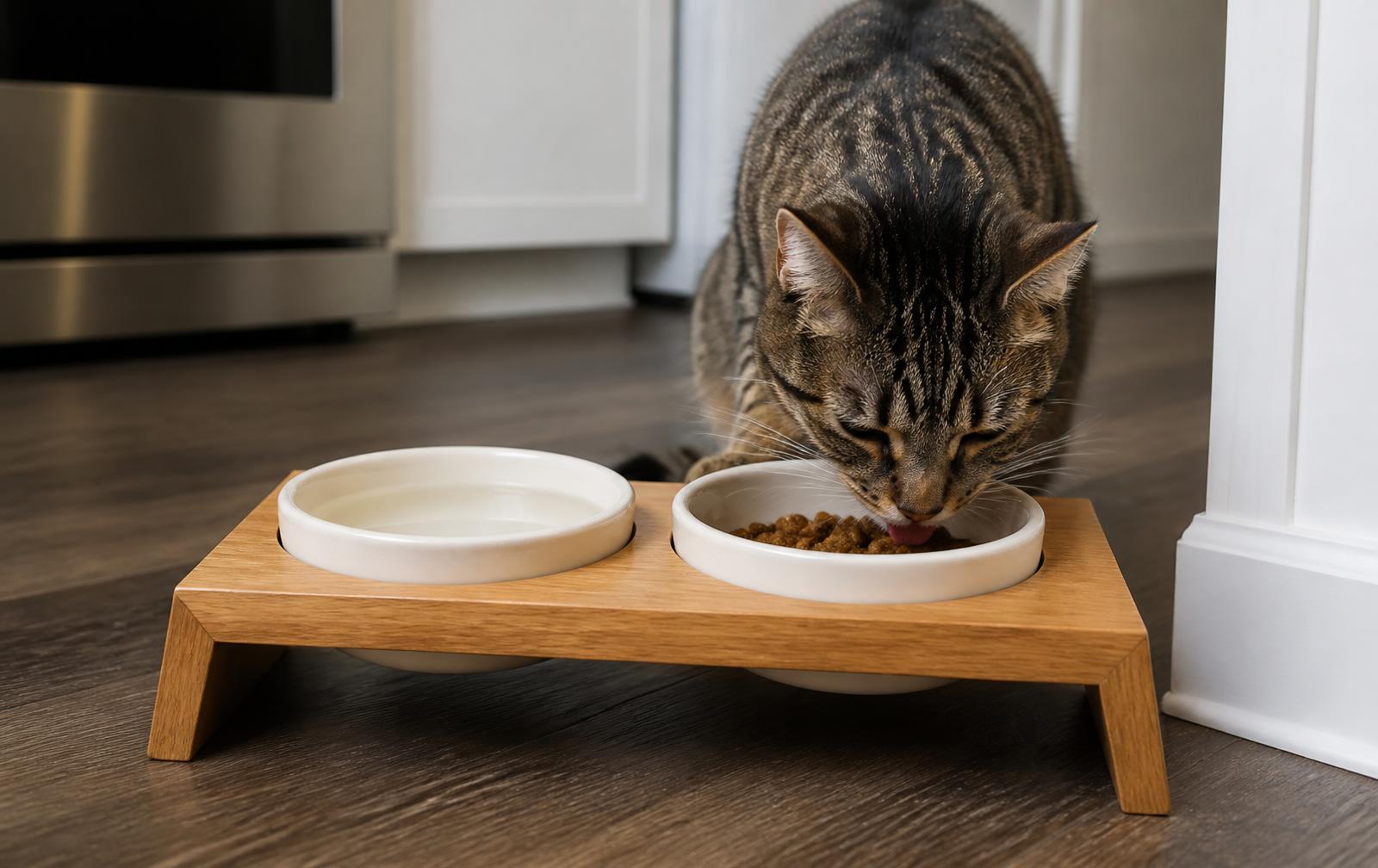
Food and Water Bowls: Material, Design, and Health Considerations
Compare cat food bowls and water bowls by material and design, including stainless steel bowls, to protect whisker health and hygiene.
Read more →