Nutritional Needs Across a Cat's Lifespan
How feline nutritional needs change from kitten to adult to senior, with life-stage feeding guidance on protein, calories, moisture and treats.
By the Cleos team · 27 December 2027 · 5 min read
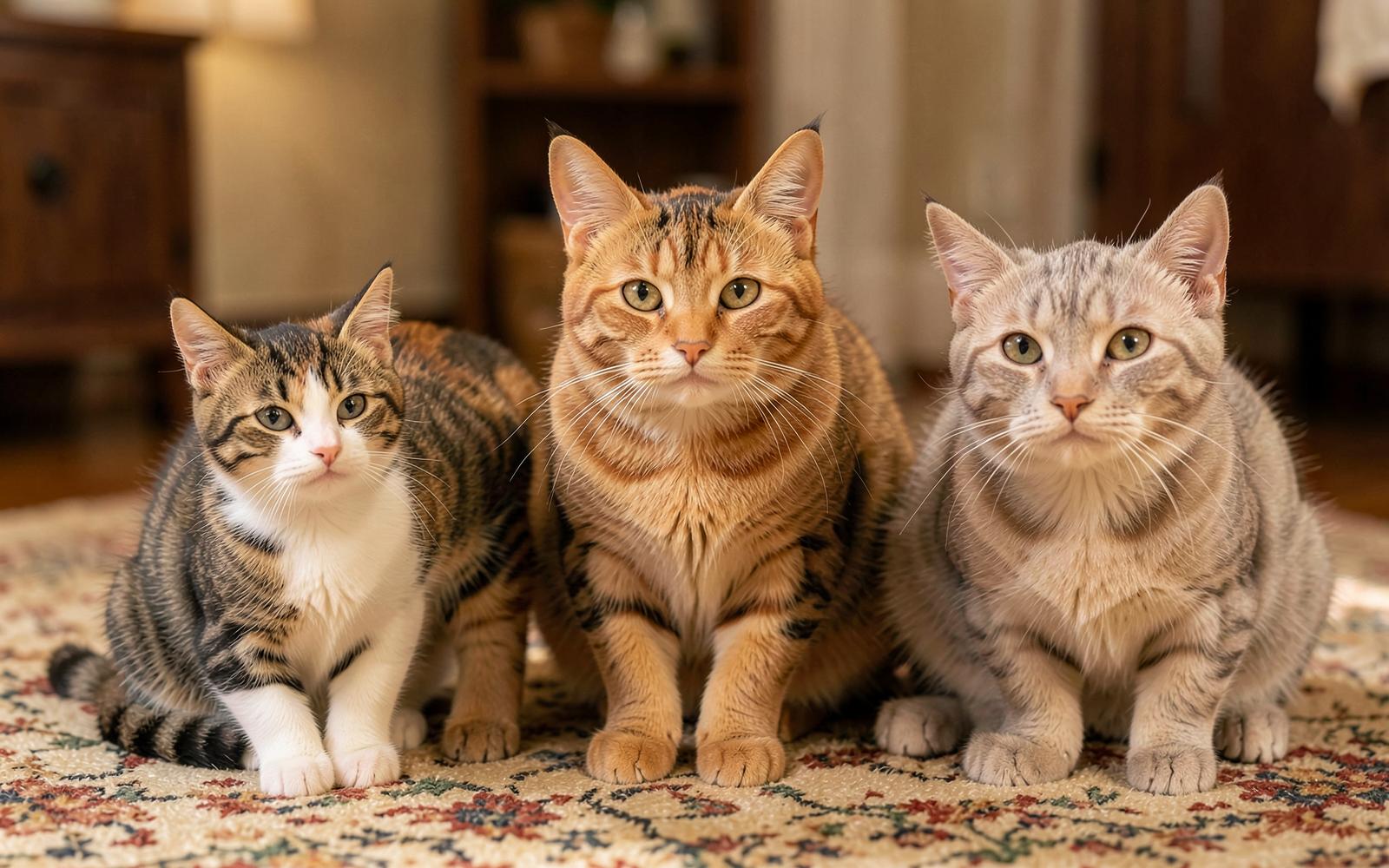
A cat's nutritional needs don't stay fixed. They shift dramatically from the explosive growth of kittenhood through the steady maintenance of adulthood to the careful support of the senior years. Understanding what changes, and when, helps you feed your cat well at every age.
In short: Kittens need calorie-dense, protein-rich food in frequent small meals; healthy adults need measured portions of quality protein with attention to weight control; seniors need highly digestible protein (not less protein), extra moisture, and textures suited to aging teeth. At every stage, real named animal protein and adequate hydration are the constants. And treats should adapt too, staying under 10% of daily calories throughout life.
The Constants: What Never Changes
Before the differences, the universals. Cats are obligate carnivores at every age, which means:
- Animal protein is non-negotiable: cats require nutrients (taurine, arachidonic acid, preformed vitamin A) found only in animal tissue
- Taurine must come from the diet: deficiency causes blindness and heart disease (see eye health in cats)
- Moisture matters lifelong: cats have a low thirst drive and depend on food moisture
- Carbohydrates are not required: cats have no dietary carbohydrate need
Kittenhood (0-12 Months): Building the Body
Growth demands everything in abundance:
- Calories: 2-3 times more per kg of body weight than adults
- Protein: elevated, to build muscle, organs, and coat
- Calcium and phosphorus: for rapid bone development
- DHA: supports brain and vision development
- Meals: 4 daily up to 3 months, 3 daily to 6 months, then 2-3
Feed kitten-formulated food exclusively, adult food can't support this growth rate. Details in our kitten growth stages guide.
Adulthood (1-7 Years): Maintenance and Balance
The longest life stage, and the one where habits matter most:
- Calories: drop sharply after growth ends. This is where weight creeps on. Measured meals, not free feeding (see feline obesity prevention)
- Protein: high-quality animal protein maintains lean muscle
- Moisture: wet food or mixed feeding protects urinary and kidney health
- Meals: 2-3 measured portions daily
The prime adult years are when preventive nutrition pays compound interest: cats kept lean and well-hydrated now face dramatically lower rates of diabetes, urinary disease, and joint problems later.
Pregnancy and Nursing
A special adult case: pregnant and nursing queens need kitten-level (or higher) calories. Feed kitten food during the second half of pregnancy and throughout nursing, with free access while milk production peaks.
The Mature Years (7-10 Years): Early Adjustments
Cats in this bracket are still healthy adults but metabolism begins slowing:
- Watch body condition more closely; activity often declines before appetite does
- Annual vet bloodwork begins to matter more
- Prioritise highly digestible, quality protein
- Keep play sessions going, muscle maintenance needs movement, not just diet
Senior Years (10+): Support, Not Restriction
Senior nutrition inverts old assumptions. For decades, older cats were put on low-protein diets; we now know healthy senior cats need generous, highly digestible protein. They absorb nutrients less efficiently and lose muscle easily. Full detail in senior cat nutrition.
Key senior adjustments:
- Protein quality over restriction (unless kidney disease requires a vet-prescribed diet)
- Extra moisture: aging kidneys concentrate urine less effectively; hydration support is vital
- Soft textures: dental disease is common; soft food and lickable treats protect eating comfort
- Smaller, more frequent meals: gentler on aging digestion
- Enhanced palatability: smell and taste fade; strongly aromatic foods tempt fading appetites
Life-Stage Feeding at a Glance
| Stage | Calories | Protein | Meals/Day | Watch For |
|---|---|---|---|---|
| Kitten (0-12 mo) | Very high | Very high | 3-4 | Steady growth |
| Adult (1-7 yr) | Moderate | High | 2-3 | Weight creep |
| Mature (7-10 yr) | Moderate-low | High, digestible | 2-3 | Slowing metabolism |
| Senior (10+ yr) | Moderate | High, digestible | 3-4 smaller | Muscle loss, hydration |
Treats Across the Lifespan
Treats adapt along with meals:
- Kittens: soft textures, tiny portions, used as developmental rewards
- Adults: portion-controlled protein treats that satisfy without calorie creep
- Seniors: soft, aromatic, hydrating treats gentle on aging teeth and appetites
Lickable treats made with real named protein are one of the few treat formats that genuinely suit every life stage, which is exactly why we built Cleos that way.
Join the Cleos Waitlist: One treat, every life stage. Cleos lickable treats bring real named protein and natural moisture from kittenhood through the golden years. Be first to try them at https://getcleos.in/#waitlist.
Frequently Asked Questions
Is "all life stages" cat food a good option?
Foods labelled for all life stages meet kitten nutritional minimums, which means they're calorie-dense for adults. They work for multi-cat households with mixed ages, but portions must be managed carefully for adults and seniors, and a dedicated adult or senior formula usually fits those stages better. For most single-cat homes, life-stage-specific food is the simpler choice.
When should I start senior food?
Base it on health, not birthdays. A healthy 10-year-old doesn't automatically need a senior formula; changes should follow vet bloodwork and body condition. Many cats do well on quality adult food well into their teens, with adjustments (more moisture, softer textures, smaller meals) layered in as needed.
Do older cats really need more protein, not less?
For healthy senior cats, yes, research over the past two decades reversed the old low-protein advice. Aging cats digest protein less efficiently and lose muscle mass easily (a condition called sarcopenia), so they benefit from abundant, highly digestible animal protein. The exception is cats with diagnosed kidney disease, where vets may prescribe specific renal diets. That's a medical decision, not a general senior rule.
How do I feed a multi-cat household with different ages?
Separate feeding stations (or microchip-activated feeders) let each cat eat their own formula. Feed kittens their calorie-dense food away from adults, and avoid leaving kitten kibble out where the adult grazes on it. Measured mealtimes rather than free feeding make multi-stage households far easier to manage.
Keep Cleos close
Get more Cleos stories on Google
Add Cleos as a preferred source to make our cat care guides easier to find in Google.
Add to Preferred SourcesFound this useful? Share it
Treats worth reading the label for.
Cleos lickable treats are built on real, named ingredients: Real Chicken, Real Tuna, Tuna & Shrimp and Chicken & Veggies. No artificial fillers.
Join the Cleos waitlistKeep reading
Travel Carriers and Cat Crates: Stress-Free Transport
Choose the right cat carrier or crate and learn practical tips for calmer vet visits, car trips, and moves with your feline companion.
Read more →
Pet Cameras and Monitoring: Tech for Checking on Your Cat
A practical guide to pet cameras and monitoring systems for cats, covering features, placement, and how to use them without over-worrying.
Read more →
Food and Water Bowls: Material, Design, and Health Considerations
Compare cat food bowls and water bowls by material and design, including stainless steel bowls, to protect whisker health and hygiene.
Read more →