Pet Cameras and Monitoring: Tech for Checking on Your Cat
A practical guide to pet cameras and monitoring systems for cats, covering features, placement, and how to use them without over-worrying.
By the Cleos team · 27 September 2027 · 7 min read
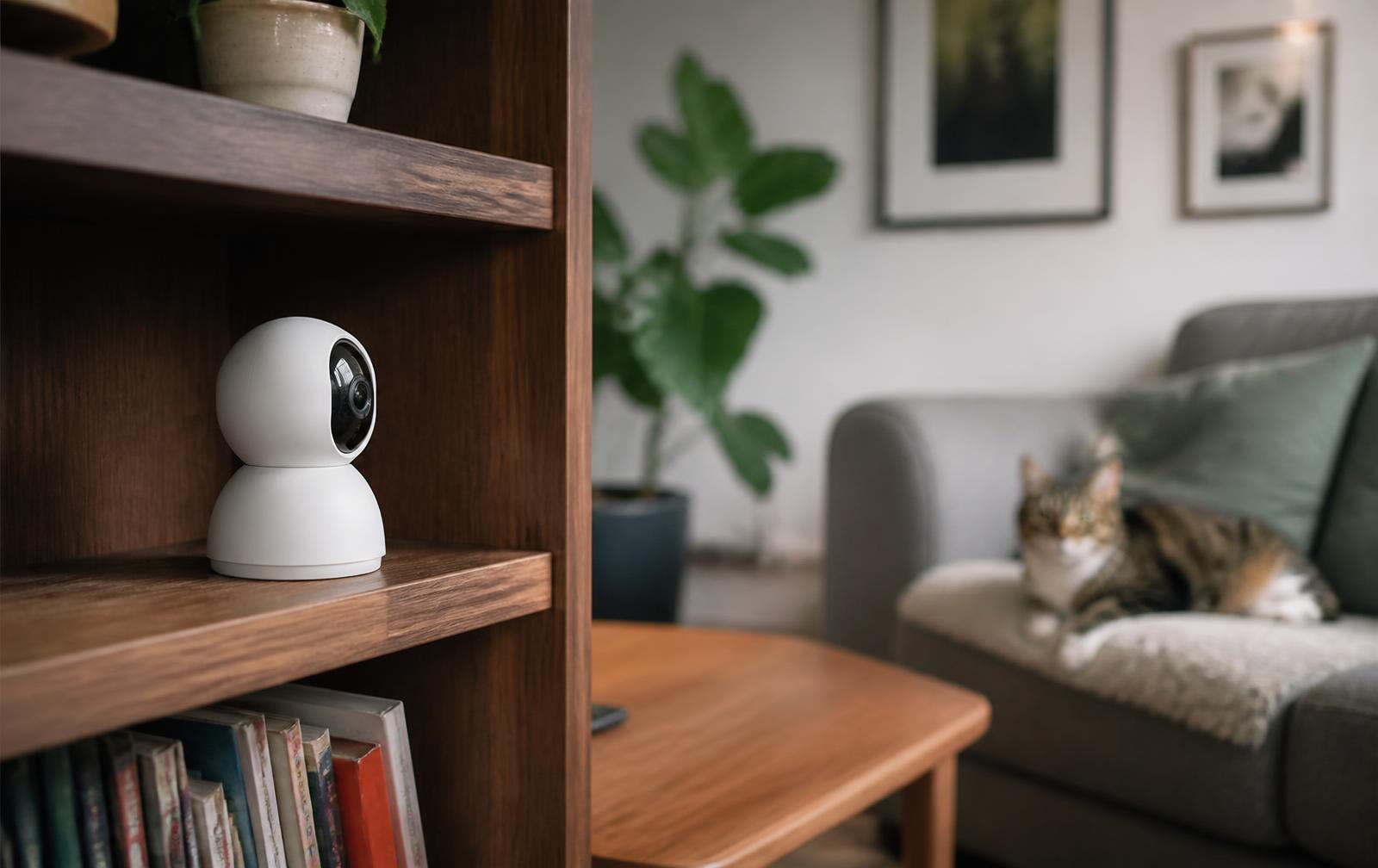
For many cat owners, the hardest part of the working day is not the meetings or the commute; it is wondering what your cat is doing at home alone. Is she sleeping in her favourite sunbeam, or has she knocked the plant off the windowsill again? Pet cameras and monitoring systems have become a genuinely useful bit of kit for answering that question, and the technology has improved a great deal in recent years, moving well beyond a shaky webcam feed.
This guide walks through what pet cameras actually do, the features worth paying for, where to place them, and how to use monitoring sensibly rather than obsessively. In short: a good pet camera gives you two-way audio, night vision, motion alerts, and sometimes a treat dispenser, and it is best used as a reassurance tool for known routines (feeding, litter habits, anxiety) rather than a replacement for proper cat care or veterinary judgement.
Why Owners Use Pet Cameras
Cats are creatures of routine, and disruptions to that routine, whether from a house move, a new pet, or simply being left alone for longer than usual, can cause stress. A camera will not fix that stress on its own, but it can help you spot the signs early. Common reasons owners invest in monitoring include:
- Checking in on a nervous or newly adopted cat during the settling-in period
- Watching for symptoms of illness, such as reduced activity, vomiting, or repeated trips to the litter tray
- Keeping an eye on multi-cat households where bullying or resource guarding might be happening out of sight
- Confirming that a pet sitter or dog walker has visited as arranged
- Simply enjoying a bit of company from your cat during a long day, which many owners find surprisingly comforting
According to the ASPCA, separation-related distress is a real issue for many pets, and understanding a cat's specific triggers often starts with observation. A camera can be part of that observation process, alongside advice from your vet or a qualified behaviourist.
Key Features to Look For
Not all pet cameras are created equal, and the market ranges from basic budget models to elaborate multi-sensor systems. Here is what actually matters for cat owners specifically, since cats have different needs to dogs (they are quieter, more nocturnal, and often prefer to be up high).
Video and Audio Quality
Look for at least 1080p resolution with a wide field of view, ideally 130 degrees or more, since cats move around a room more than dogs tend to. Two-way audio lets you talk to your cat, which can be soothing for some cats and utterly ignored by others (do not take it personally).
Night Vision
Cats are most active at dawn, dusk, and through the night, so infrared night vision is genuinely one of the more important features rather than a nice extra. Check reviews for how well a model handles low light without excessive graininess.
Motion and Sound Alerts
Smart alerts that trigger on movement or noise can flag anything unusual, such as a crash from a knocked-over object or unusual vocalisation. Some systems let you set activity zones so you are not pinged every time your cat walks past.
Treat Dispensers and Interactive Features
Several cameras on the market now include a small treat-launching mechanism, useful for a bit of remote enrichment or to reward a cat for using a scratching post correctly. If you use this feature, keep portions small and remember that a mechanical dispenser is not a substitute for the sort of enrichment described in why cats love lickable treats; Cleos treats, for instance, are best given by hand where possible so you can watch your cat enjoy them and read their body language.
Local vs Cloud Storage
Cloud storage plans usually charge a monthly fee for extended video history, while local storage (an SD card or hub) is a one-off cost but has less capacity and is vulnerable if the physical device is damaged or stolen. Many households use a hybrid: local storage for everyday footage and cloud alerts for anything flagged as unusual.
Comparing Common Types of Monitoring Setups
| Setup type | Typical cost | Best for | Limitations |
|---|---|---|---|
| Basic plug-in camera | Low | Single-room monitoring, budget-conscious owners | Fixed field of view, limited smart features |
| Pan-and-tilt camera | Mid | Larger rooms, cats that roam between areas | Requires stable Wi-Fi, higher power draw |
| Camera with treat dispenser | Mid to high | Owners wanting interactive check-ins | Treats can encourage begging behaviour if overused |
| Multi-camera whole-home system | High | Multi-cat households, larger homes | More setup time, higher subscription costs |
| GPS or activity collar (not a camera, but complementary) | Mid | Outdoor or indoor-outdoor cats | Does not show video, battery needs regular charging |
Where to Place a Camera
Placement matters more than most people expect. Cats spend a lot of time in a few key spots, so aim the camera accordingly rather than at the middle of an empty room.
- Near the litter tray area (without being intrusive) to monitor toileting habits, which can be an early sign of urinary issues
- Facing a favourite perch, windowsill, or cat tree
- Near the food and water bowls to check eating patterns, especially useful if you have more than one cat and want to confirm each is eating enough
- In a doorway or hallway if you want a general overview of movement between rooms
Avoid placing cameras in a way that feels overly surveillance-heavy for household members, and be transparent with anyone who visits your home, such as a cleaner or pet sitter, that a camera is present.
Using Monitoring Sensibly
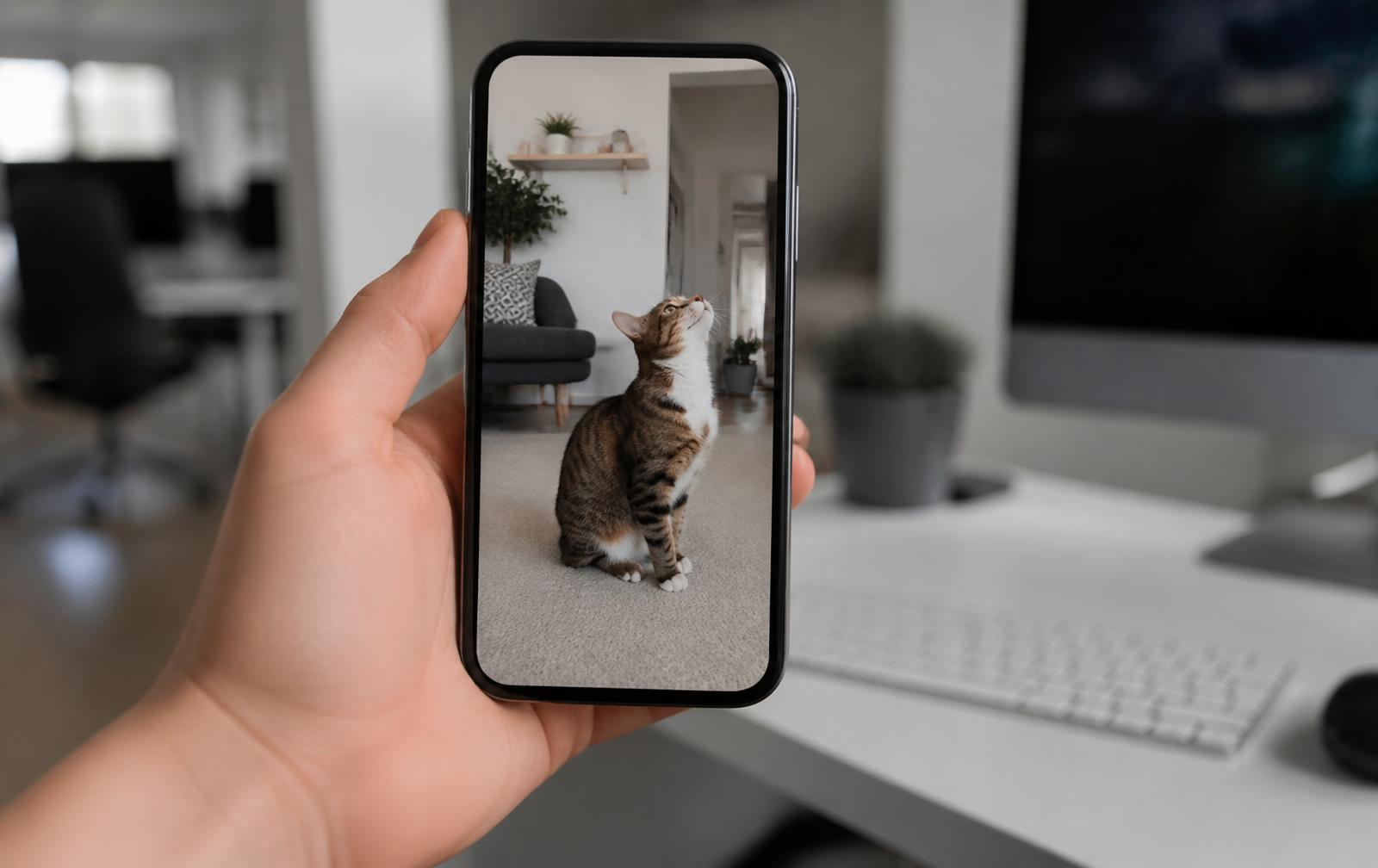
It is easy to fall into the trap of checking a pet camera constantly, which can increase your own anxiety rather than reduce it. A few guidelines help keep things balanced:
- Set specific check-in times rather than leaving the app open all day
- Use alerts for genuinely unusual events rather than every twitch of movement
- Remember that a camera shows behaviour, not a diagnosis; sudden lethargy, repeated vomiting, or straining in the litter tray warrants a call to your vet, not just more watching
- Share access with a trusted neighbour or family member if you travel, so someone else can respond to genuine emergencies
The Cornell Feline Health Center offers useful, evidence-based resources on recognising signs of illness in cats, which pairs well with what you might observe on camera. If you notice a change in appetite, it is also worth reading what to do when your cat refuses treats, since appetite shifts are often one of the first things owners spot remotely.
A Note on Cost and Necessity
A pet camera is a convenience and a comfort, not a medical device, and it is entirely reasonable to decide you do not need one. Many cats do perfectly well with a consistent routine, a comfortable environment, and regular check-ins from a trusted sitter when you are away. If you do invest in one, treat it as one input among several, alongside a good relationship with your vet and an understanding of your own cat's normal habits, so you can spot what is genuinely out of the ordinary.
For households managing a nervous or recovering cat, monitoring can be reassuring during the settling-in period described in how to help an anxious cat settle in, where routine and predictability matter enormously.
Frequently Asked Questions
Do pet cameras cause stress to cats?
Most cats are indifferent to a small, stationary camera once it becomes part of the furniture. A minority of cats may be curious or briefly wary of a new object, particularly one with a moving lens or dispensing mechanism, so introduce it gradually and observe your cat's reaction over the first few days.
Can a camera replace a pet sitter?
No. A camera lets you observe, but it cannot feed, medicate, clean a litter tray, or physically comfort your cat. For trips longer than a day, a reliable sitter or boarding arrangement is still necessary.
What internet speed do I need for a pet camera?
Most cameras work reliably on a standard home broadband connection of 5 to 10 Mbps upload speed, though higher resolution models may benefit from more. Check the manufacturer's specific recommendation before buying.
Should I use the treat dispenser feature often?
Use it sparingly. It is a fun way to interact remotely, but treats delivered mechanically should still count toward your cat's daily calorie intake, and overuse can encourage attention-seeking behaviour around the device.
Is it worth getting a camera for a healthy, settled cat?
It can still be a nice-to-have for peace of mind or simply to enjoy watching your cat, but it is not essential. Prioritise it for cats who are anxious, recovering from illness, newly adopted, or in a multi-pet household where dynamics need watching.
Curious about other ways to keep your cat happy and healthy at home? Join the Cleos waitlist to be among the first to try our premium lickable treats, made with clean, named ingredients your cat will genuinely love.
Keep Cleos close
Get more Cleos stories on Google
Add Cleos as a preferred source to make our cat care guides easier to find in Google.
Add to Preferred SourcesFound this useful? Share it
Treats worth reading the label for.
Cleos lickable treats are built on real, named ingredients — Real Chicken, Real Tuna, Tuna & Shrimp and Chicken & Veggies — with zero artificial fillers.
Join the Cleos waitlistKeep reading
Travel Carriers and Cat Crates: Stress-Free Transport
Choose the right cat carrier or crate and learn practical tips for calmer vet visits, car trips, and moves with your feline companion.
Read more →
Food and Water Bowls: Material, Design, and Health Considerations
Compare cat food bowls and water bowls by material and design, including stainless steel bowls, to protect whisker health and hygiene.
Read more →
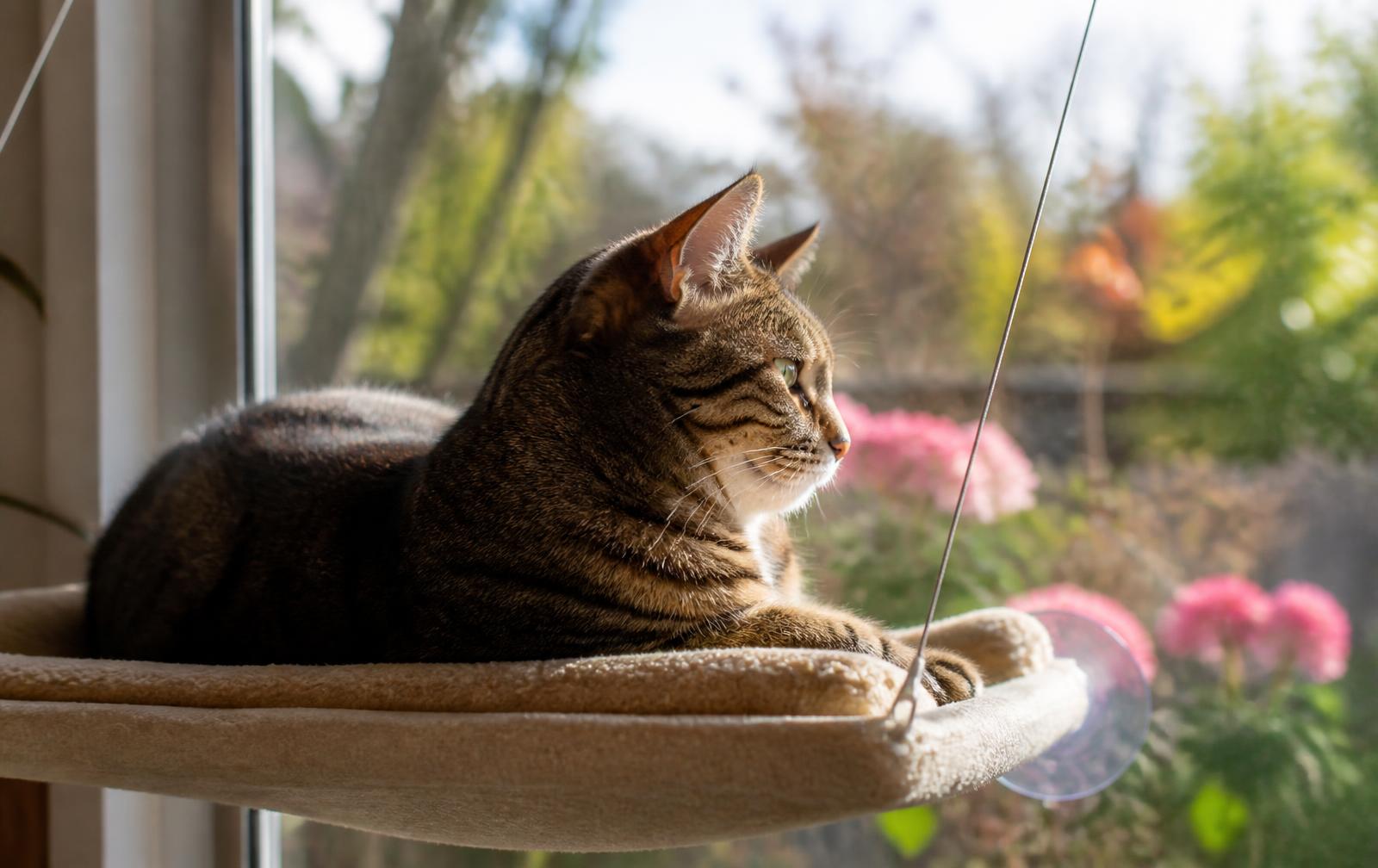
Window Perches and Cat Hammocks: Entertainment for Indoor Cats
Discover how cat window perches and hammocks boost enrichment for indoor cats, with buying tips, safety notes, and DIY ideas for happier cats.
Read more →