Window Perches and Cat Hammocks: Entertainment for Indoor Cats
Discover how cat window perches and hammocks boost enrichment for indoor cats, with buying tips, safety notes, and DIY ideas for happier cats.
By the Cleos team · 30 August 2027 · 6 min read
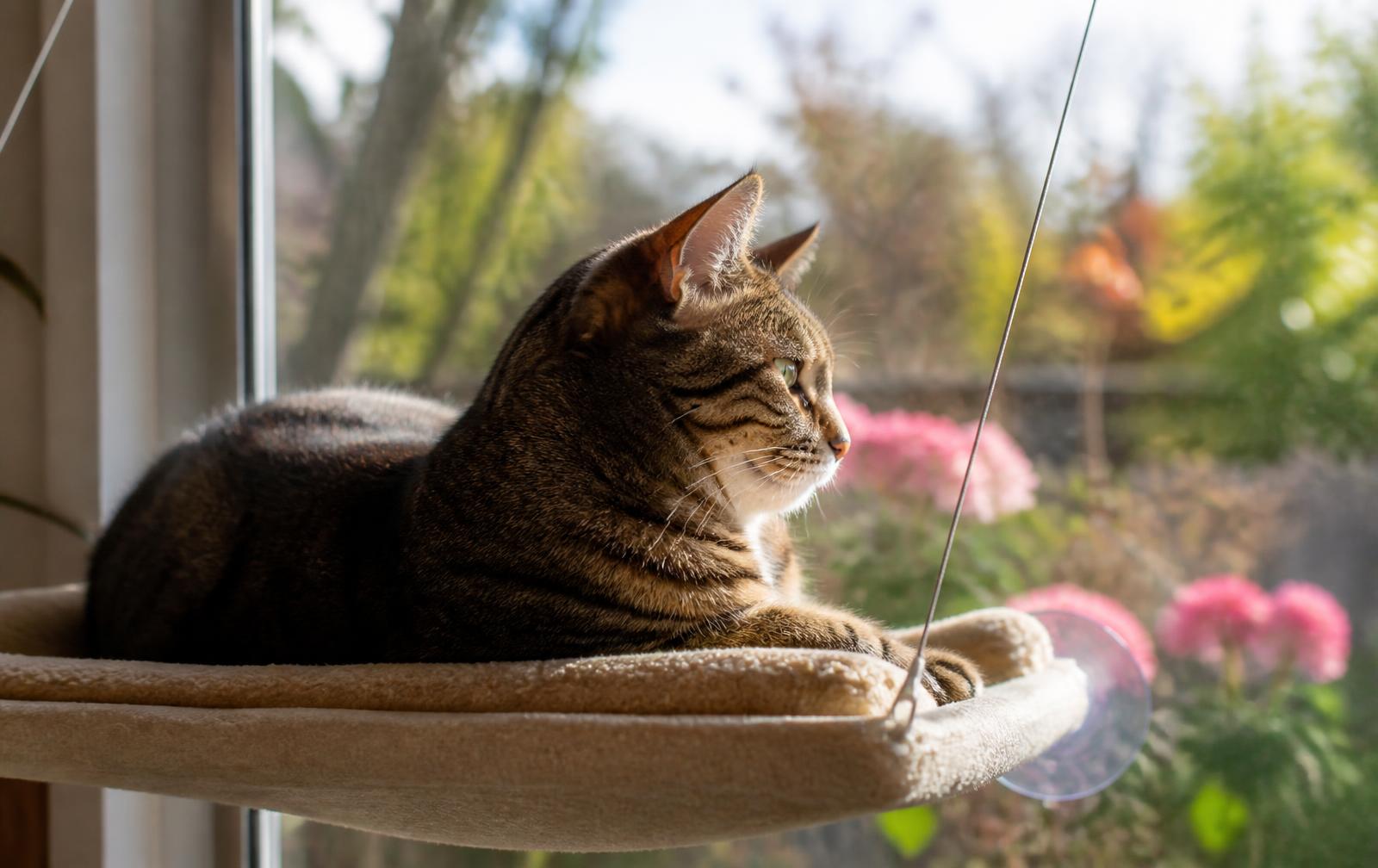
Indoor cats live safer, longer lives, but safety alone doesn't guarantee happiness. Without access to the sights, sounds, and vertical vantage points that outdoor cats enjoy naturally, many indoor cats become understimulated, and that boredom often shows up as scratching, overeating, or restless pacing. Two of the simplest, most effective additions you can make to a cat's environment are a window perch and a cat hammock.
Both give your cat what they crave most: height, a sense of security, and a front-row seat to the world outside. In short: window perches and hammocks provide low-cost, high-impact enrichment for indoor cats by satisfying their instinct to observe from an elevated, secure vantage point, and choosing sturdy, well-placed, easy-to-clean options makes the biggest difference to how much your cat actually uses them.
Why Cats Are Drawn to Height and Windows
Cats are natural climbers, and in the wild, elevated positions let them survey territory, spot prey, and stay away from threats. Indoors, that instinct doesn't disappear just because there's no garden to patrol. According to International Cat Care, providing vertical space is one of the five pillars of a healthy feline environment, alongside safe hiding places, resources spread apart, opportunities for play, and positive human interaction.
Windows add a second layer of stimulation on top of height: movement. Birds, falling leaves, passing cars, and neighbourhood cats all provide what behaviourists sometimes call "cat television" — a form of passive enrichment that keeps the mind engaged even when your cat isn't physically playing.
What a Good Window Perch Offers
- A secure, elevated resting spot away from foot traffic and other pets
- Natural light and warmth, which most cats actively seek out
- Visual stimulation from outdoor activity, reducing boredom-driven behaviours
- A sense of control, since your cat can retreat or observe as they choose
Choosing a Window Perch
Not all perches are created equal, and a flimsy one can do more harm than good if your cat loses confidence in it after a wobble or fall.
Key Features to Look For
- Weight capacity — check the manufacturer's stated limit and choose one with a comfortable margin above your cat's weight.
- Mounting type — suction-cup perches suit lightweight use but can fail with vigorous jumping; bracket-mounted or sill-clamped perches are generally more secure for larger or more active cats.
- Surface material — easy-wipe fabric or faux fur that can be removed and washed keeps the perch hygienic.
- Width and depth — enough room for your cat to stretch out fully, not just perch upright.
- Placement — near a window with a view, away from direct blasting heaters or draughts, and positioned so your cat can jump up without obstruction.
Always test a new perch's stability yourself before trusting it with your cat, and recheck suction mounts periodically, as they can loosen over time with temperature changes.
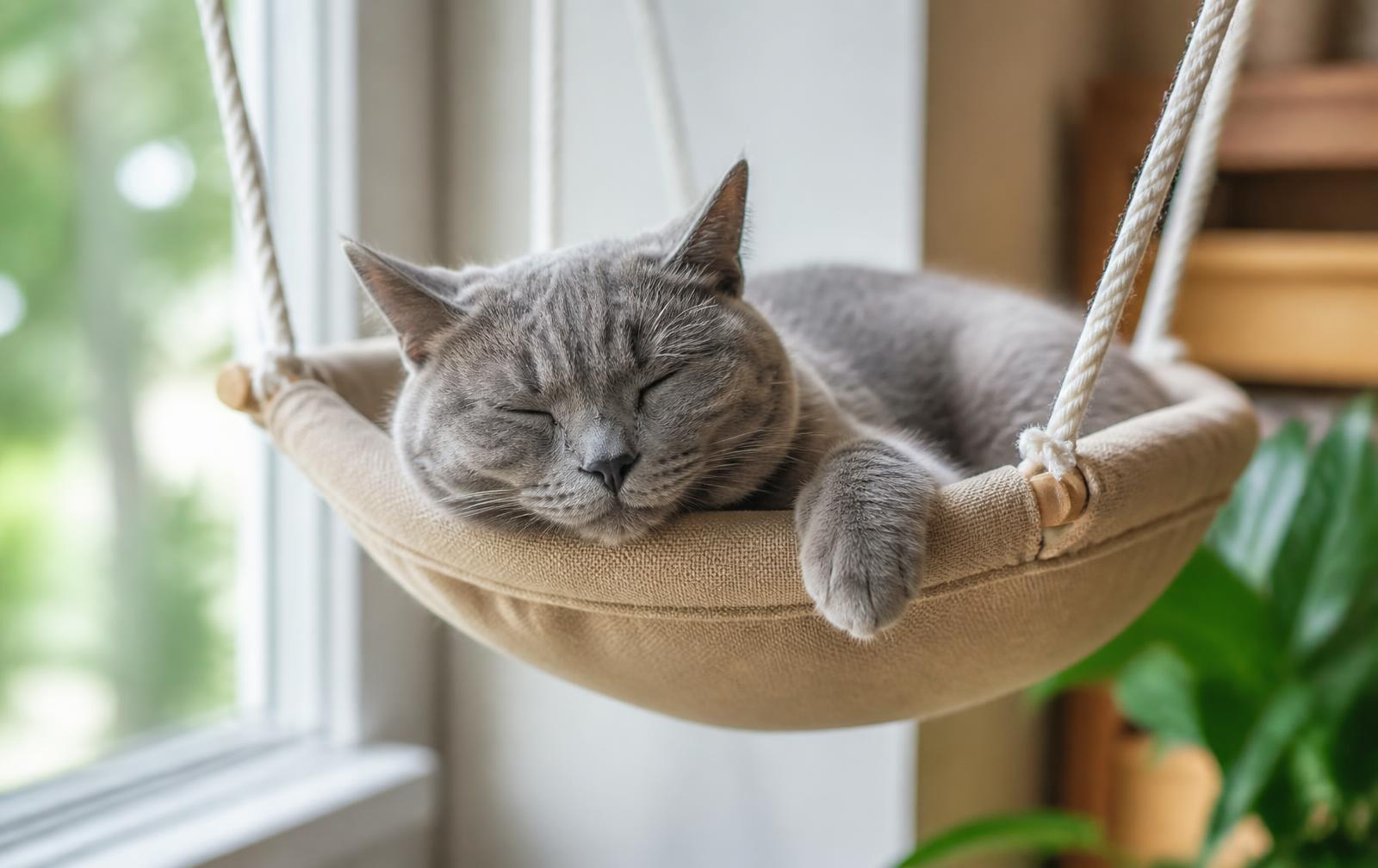
Cat Hammocks: A Cosy Alternative or Addition
Hammocks work on a similar principle to perches but usually sit lower, attach to radiators, chairs, or dedicated stands, and offer a more enclosed, cocoon-like feel that many cats find reassuring. Some cat trees also include hammock platforms partway up, combining height with the enclosed comfort of a hammock.
Hammocks vs Window Perches
| Feature | Window Perch | Cat Hammock |
|---|---|---|
| Typical placement | Attached to a window sill or frame | Radiator, chair back, or freestanding stand |
| Best for | Cats who want a view and sunlight | Cats who prefer enclosed, cocoon-like comfort |
| Mounting security needed | High (elevated, near glass) | Moderate to high, depending on style |
| Ease of cleaning | Removable cover recommended | Usually machine washable |
| Ideal for multi-cat homes | One perch per cat to avoid competition | Same, plus varied heights reduce tension |
Both options work best when your cat has choices. In multi-cat households, a single popular perch can become a source of quiet competition, so it's worth offering at least one resting spot per cat, plus a few extra, spread across different rooms and heights.
Safety Considerations
Window-adjacent furniture always deserves a closer look at safety, since curious cats and open windows are a genuinely risky combination.
- Check window screens are secure and can't be pushed open, particularly if you live above ground level; falls from height, sometimes called "high-rise syndrome", are a well-documented risk noted by veterinary sources including the AVMA.
- Avoid perches near blind or curtain cords, which pose a strangulation risk.
- Inspect mounting hardware regularly, especially suction cups and screws, for wear.
- Keep an eye on senior cats or those with joint issues, who may need a lower step or ramp to reach a higher perch comfortably; the Cornell Feline Health Center has useful guidance on supporting mobility in ageing cats.
Combining Perches and Hammocks With Other Enrichment
A window perch or hammock is most effective as part of a broader enrichment routine rather than a standalone fix. Rotating toys, short daily play sessions, and rewarding curiosity with a small treat can all reinforce positive associations with these spaces. Many cat parents find that placing a favourite lickable treat near a new perch, such as one from Cleos, helps a hesitant cat build confidence in using it. For more on why treats work so well as motivators, see why cats love lickable treats and how to use treats for positive reinforcement.
If your cat already loves climbing, pairing vertical enrichment with the kind of interactive attention discussed in bonding through treat time rituals can turn a simple perch into a genuine daily highlight.
DIY and Budget-Friendly Options
- A sturdy, cushioned shelf mounted at cat height near a window can work as well as a purpose-built perch.
- Repurposed chair backs near sunny windows, with a soft blanket, offer a low-cost hammock alternative.
- Cardboard box "steps" can help older or smaller cats reach a higher perch safely.
Frequently Asked Questions
How many window perches does my cat need?
One well-placed perch is enough for many single-cat homes, but if you have multiple cats or several sunny windows, offering more than one avoids competition and gives every cat a favourite spot of their own.
Are hammocks safe for kittens?
Yes, provided the hammock is stable, close to the ground initially, and doesn't have gaps a small kitten could slip through. Supervise use until you're confident in their balance and confidence.
My cat ignores the new perch. What should I do?
Try repositioning it somewhere with more visible outdoor activity, add a soft blanket with your cat's scent, and place a treat there to build a positive association. Patience over a week or two often works better than moving it repeatedly.
Can I use a suction-cup perch on any window?
Suction mounts work best on smooth, flat glass and should be checked regularly for grip. Textured or very cold glass can weaken suction over time, so a bracket-mounted alternative is safer for daily heavy use.
Ready to make treat time part of your cat's favourite window-side ritual? Join the Cleos waitlist and be first to try treats your cat will genuinely look forward to.
Keep Cleos close
Get more Cleos stories on Google
Add Cleos as a preferred source to make our cat care guides easier to find in Google.
Add to Preferred SourcesFound this useful? Share it
Treats worth reading the label for.
Cleos lickable treats are built on real, named ingredients — Real Chicken, Real Tuna, Tuna & Shrimp and Chicken & Veggies — with zero artificial fillers.
Join the Cleos waitlistKeep reading
Travel Carriers and Cat Crates: Stress-Free Transport
Choose the right cat carrier or crate and learn practical tips for calmer vet visits, car trips, and moves with your feline companion.
Read more →
Pet Cameras and Monitoring: Tech for Checking on Your Cat
A practical guide to pet cameras and monitoring systems for cats, covering features, placement, and how to use them without over-worrying.
Read more →
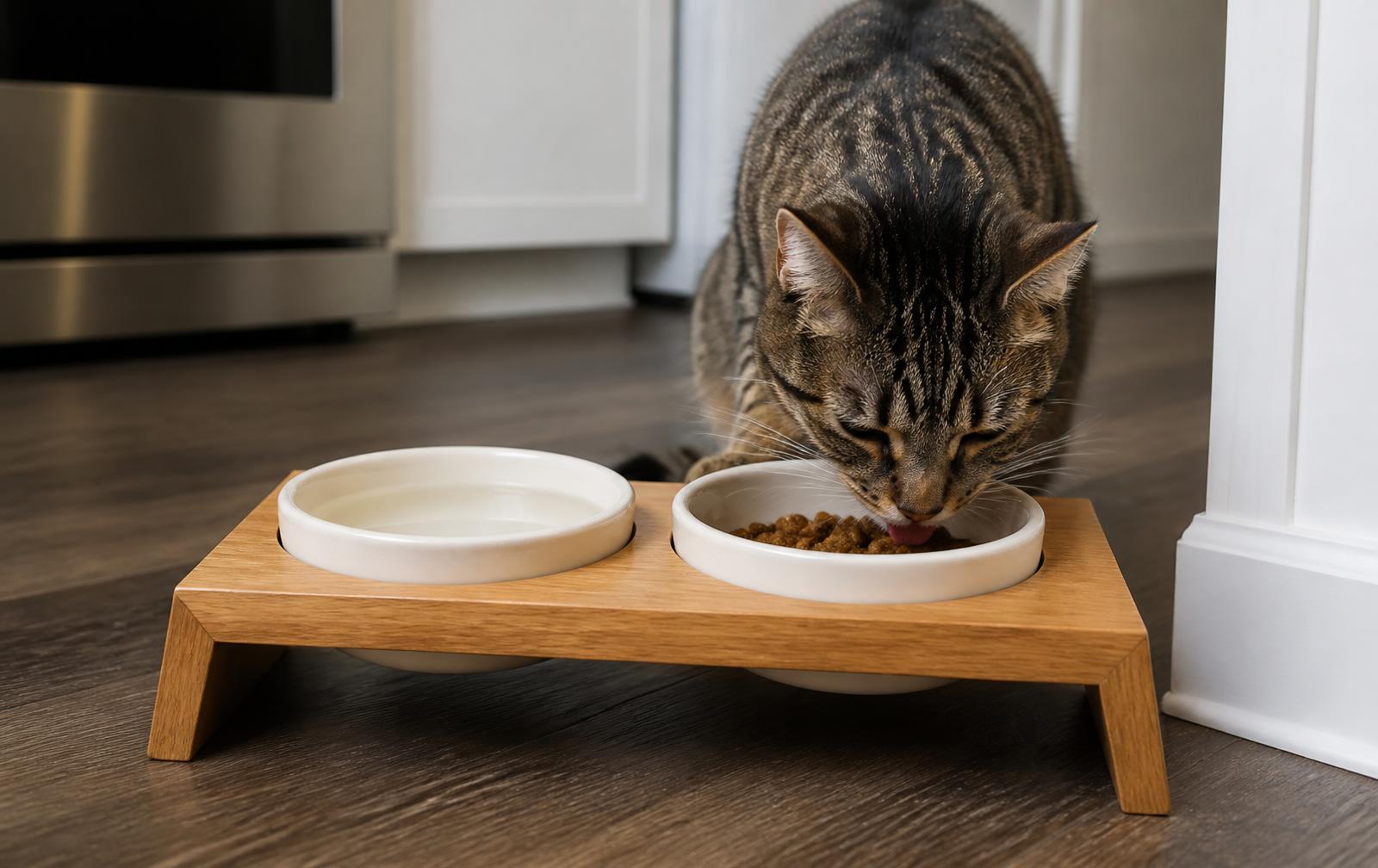
Food and Water Bowls: Material, Design, and Health Considerations
Compare cat food bowls and water bowls by material and design, including stainless steel bowls, to protect whisker health and hygiene.
Read more →