How to Use Treats for Positive Reinforcement in Cats
Learn cat training basics, clicker training steps, and how to use treats effectively for positive reinforcement in cat behavior training.
By the Cleos team · 25 January 2027 · 6 min read
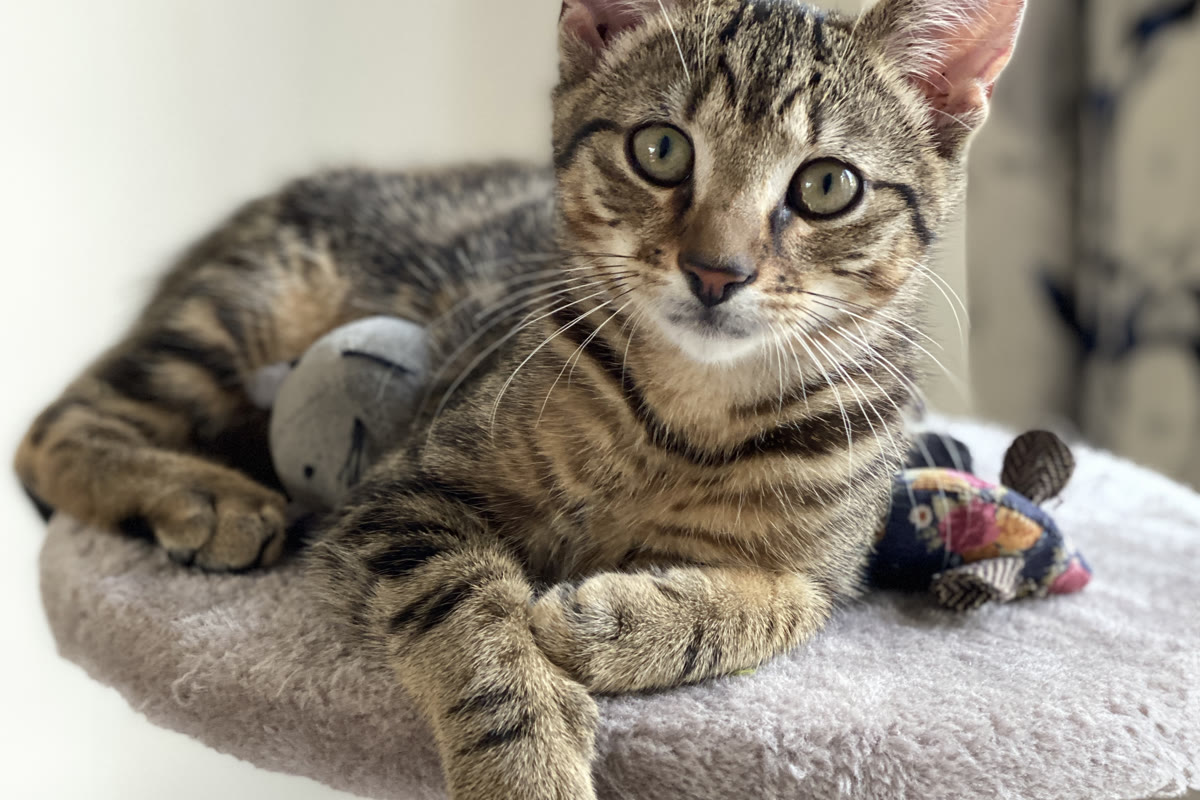
Cats are often labelled untrainable, but that's simply not true — they learn brilliantly through positive reinforcement, and treats are the single most effective tool for it.
In short: Positive reinforcement training uses a reward, usually a treat, immediately after a desired behaviour to make that behaviour more likely to repeat, and it works far better on cats than punishment ever does. The key to success is timing, consistency, and using a treat your cat is genuinely excited about — a small, high-value, aromatic reward like a lickable treat can make training sessions faster and more enjoyable for both of you.
Why Positive Reinforcement Works Better Than Punishment
Cats don't respond well to scolding or physical correction — it typically increases fear and anxiety without teaching the desired behaviour. According to the ASPCA, reward-based training builds trust and is far more effective for shaping lasting behaviour change in cats than punishment-based methods.
Positive reinforcement works because it taps into a simple learning principle: behaviours followed by something rewarding get repeated. Over time, your cat begins offering the desired behaviour more readily because they've learned it reliably leads to something good.
Core Principles of Effective Reinforcement
- Timing matters most — reward within 1-2 seconds of the behaviour, or your cat won't connect the two.
- Consistency builds habits — reward the same behaviour the same way each time initially.
- High-value rewards work faster — save your cat's favourite treat specifically for training, not everyday snacking.
- Keep sessions short — 2-5 minutes, a few times a day, works better than one long session.
- End on a win — always finish training with a success, even if it means simplifying the ask.
Getting Started: Clicker Training Basics
Clicker training is a popular, structured way to mark the exact moment your cat does something right.
Step-by-Step Introduction
- Charge the clicker — click, then immediately give a treat, repeated 10-15 times so your cat associates the sound with reward.
- Capture a simple behaviour — click and treat the moment your cat naturally sits or looks at you.
- Add a cue word — once the behaviour is reliable, say the word just before it happens, then click and treat.
- Fade the clicker gradually — eventually the cue word alone, followed by a treat, is enough.
- Practice daily in short bursts — cats retain training better with frequent, brief repetition.
For more on why cats respond so strongly to certain treats, see why cats love lickable treats.
Behaviours You Can Train With Treats
| Behaviour | Training Approach | Typical Time to Learn |
|---|---|---|
| Coming when called | Pair name + treat consistently, several times daily | 1-2 weeks |
| Sitting on cue | Lure with treat above head, click/reward when seated | Days to 1 week |
| Using a scratching post | Reward any interaction with the post immediately | 1-3 weeks |
| Tolerating nail trims | Treat after each paw touch, build up gradually | 2-4 weeks |
| Going into a carrier | Treat inside carrier daily until it feels safe | 2-3 weeks |
Redirecting Unwanted Behaviour
Rather than punishing scratching furniture or jumping on counters, redirect and reward the alternative. For example, reward your cat generously every time they use a scratching post instead of the sofa — our guide on destructive scratching covers this in more depth. The icatcare.org resource centre also has excellent guidance on understanding feline behaviour before training.
Choosing the Right Treat for Training
Not all treats work equally well for training. You want something:
- Small — so your cat can eat it in one bite without breaking focus
- High-value — noticeably more exciting than daily food
- Quick to consume — long chewing breaks training momentum
- Made with real, named protein — better for frequent use without empty-calorie fillers
This is where Cleos fits naturally into a training routine — its lickable format means cats can get a quick, satisfying reward in seconds without a long chew break, keeping sessions flowing. Made with real named protein (Real Tuna, Tuna & Shrimp, Chicken) and fortified with L-Taurine and Vitamin E, it works well as a genuinely high-value reward without relying on empty fillers, since it will be used frequently during active training phases.
Common Training Mistakes to Avoid
- Delayed rewards — waiting too long after the behaviour confuses the cat about what's being rewarded.
- Overusing treats without variety — mix in occasional praise or play once behaviours are established, to avoid over-reliance on food alone.
- Training when hungry vs full — a slightly hungry cat is more motivated; training right after a big meal often flops.
- Inconsistent household cues — make sure everyone in the family uses the same cue words and rewards.
- Skipping portion awareness — factor training treats into your cat's daily calorie intake to avoid overfeeding.
Join the Cleos Waitlist: Make training time reward time with a lickable treat cats genuinely get excited about — real named protein, no fillers, fortified with L-Taurine and Vitamin E. Sign up at https://getcleos.in/#waitlist.
Frequently Asked Questions
Can all cats be trained with treats?
Most cats can be trained to some degree with treats, though individual motivation varies. Food-motivated cats tend to learn fastest, while some may respond better to play or petting as a reward. The key is identifying what your specific cat finds most rewarding and using that consistently. Even shy or older cats can learn simple behaviours with patience, short sessions, and the right high-value treat.
How many treats is too many during training?
Training treats should be small enough that several can be given in a session without exceeding your cat's daily calorie needs, generally treats should make up no more than 10% of total daily calories. Break treats into tiny pieces for frequent training, and reduce regular meal portions slightly on heavy-training days to avoid unwanted weight gain over time.
What if my cat loses interest in training quickly?
Short attention spans are normal in cats. Keep sessions to 2-5 minutes, use a treat your cat finds genuinely exciting, and stop before they get bored or distracted, ending on a success. If interest fades fast even at the start, try training before a meal when your cat is more food-motivated, and ensure the environment is quiet and free of competing distractions.
Is clicker training necessary, or can I just use a treat and cue word?
Clicker training isn't mandatory — a consistent cue word or even just immediate treat delivery after the desired behaviour works too. The clicker's main advantage is precise timing, marking the exact right moment more clearly than a verbal cue can. If you're consistent and quick with treat delivery, verbal-only reinforcement can be just as effective for most household behaviours.
Can treats be used to fix bad behaviour, not just teach new tricks?
Yes, treats work well for behaviour redirection too — reward the desired alternative behaviour (like using a scratching post) rather than punishing the unwanted one (scratching furniture). This approach, called differential reinforcement, tends to produce faster, longer-lasting results than punishment, since it teaches your cat what to do instead of just what not to do.
Keep Cleos close
Get more Cleos stories on Google
Add Cleos as a preferred source to make our cat care guides easier to find in Google.
Add to Preferred SourcesFound this useful? Share it
Treats worth reading the label for.
Cleos lickable treats are built on real, named ingredients — Real Chicken, Real Tuna, Tuna & Shrimp and Chicken & Veggies — with zero artificial fillers.
Join the Cleos waitlistKeep reading
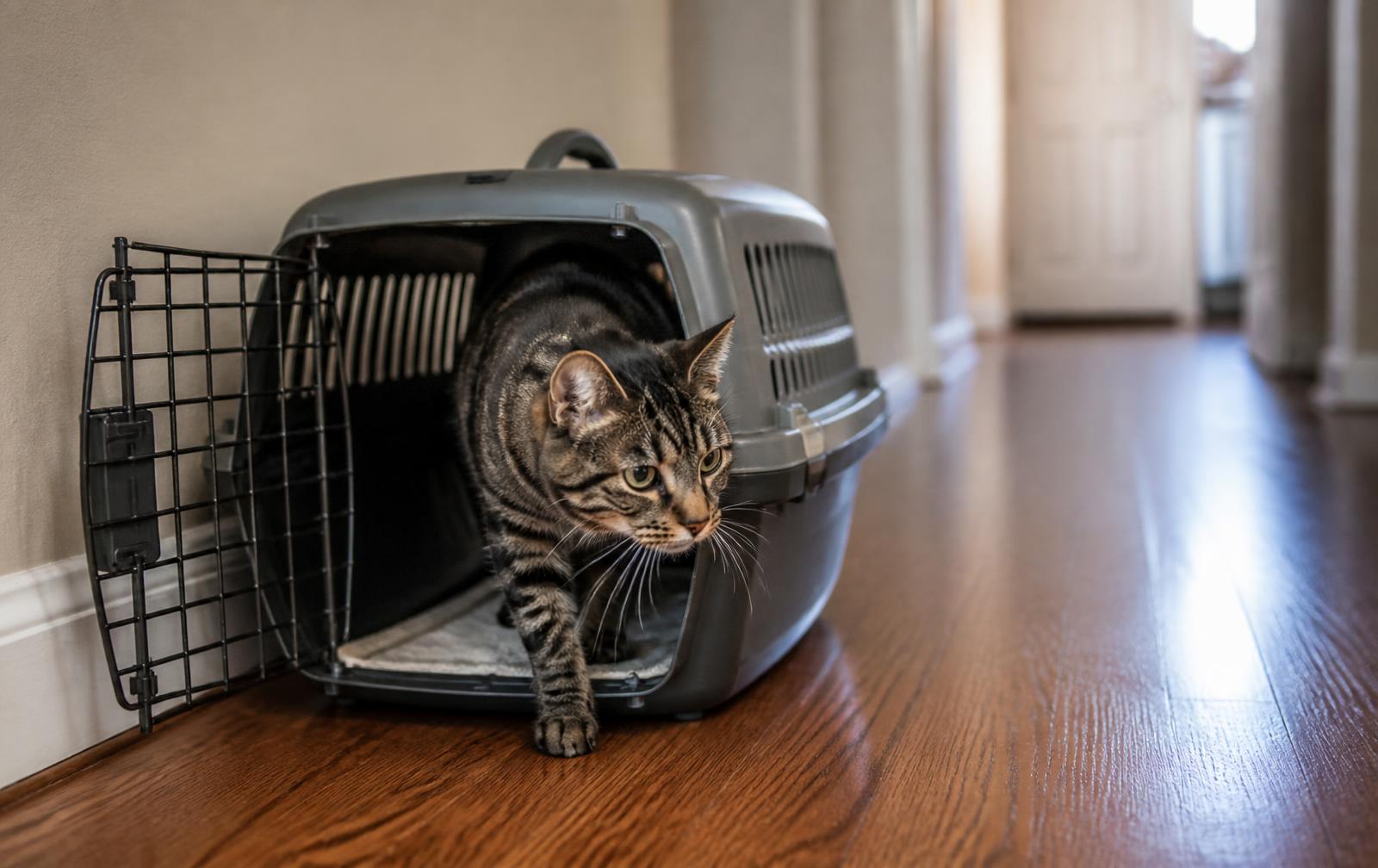
Travel Carriers and Cat Crates: Stress-Free Transport
Choose the right cat carrier or crate and learn practical tips for calmer vet visits, car trips, and moves with your feline companion.
Read more →
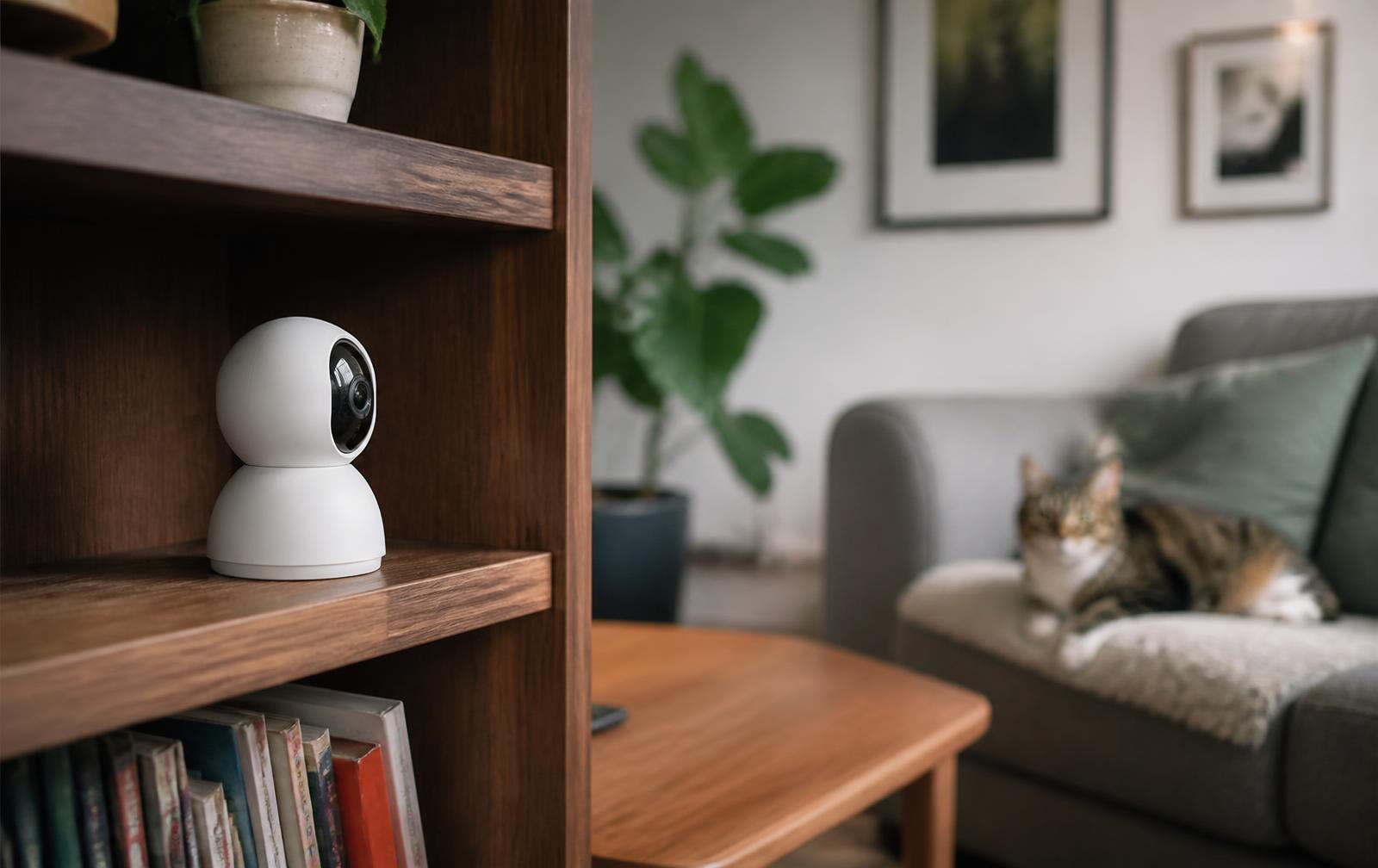
Pet Cameras and Monitoring: Tech for Checking on Your Cat
A practical guide to pet cameras and monitoring systems for cats, covering features, placement, and how to use them without over-worrying.
Read more →
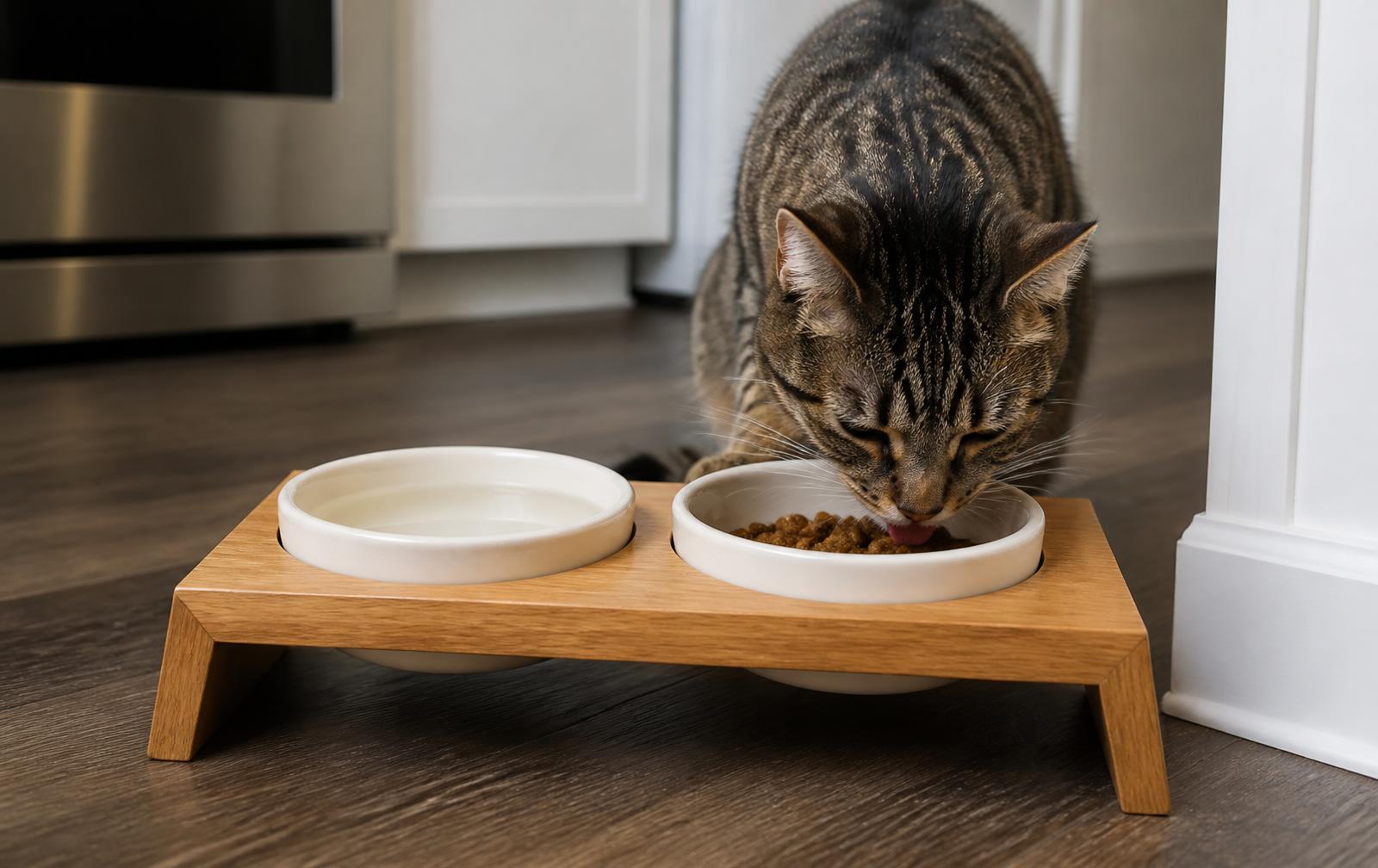
Food and Water Bowls: Material, Design, and Health Considerations
Compare cat food bowls and water bowls by material and design, including stainless steel bowls, to protect whisker health and hygiene.
Read more →