Territorial Behavior in Cats: How to Manage It
Understand feline territorial marking, spraying and multi-cat tension, with practical strategies for resources, introductions and scent management.
By the Cleos team · 31 January 2028 · 5 min read
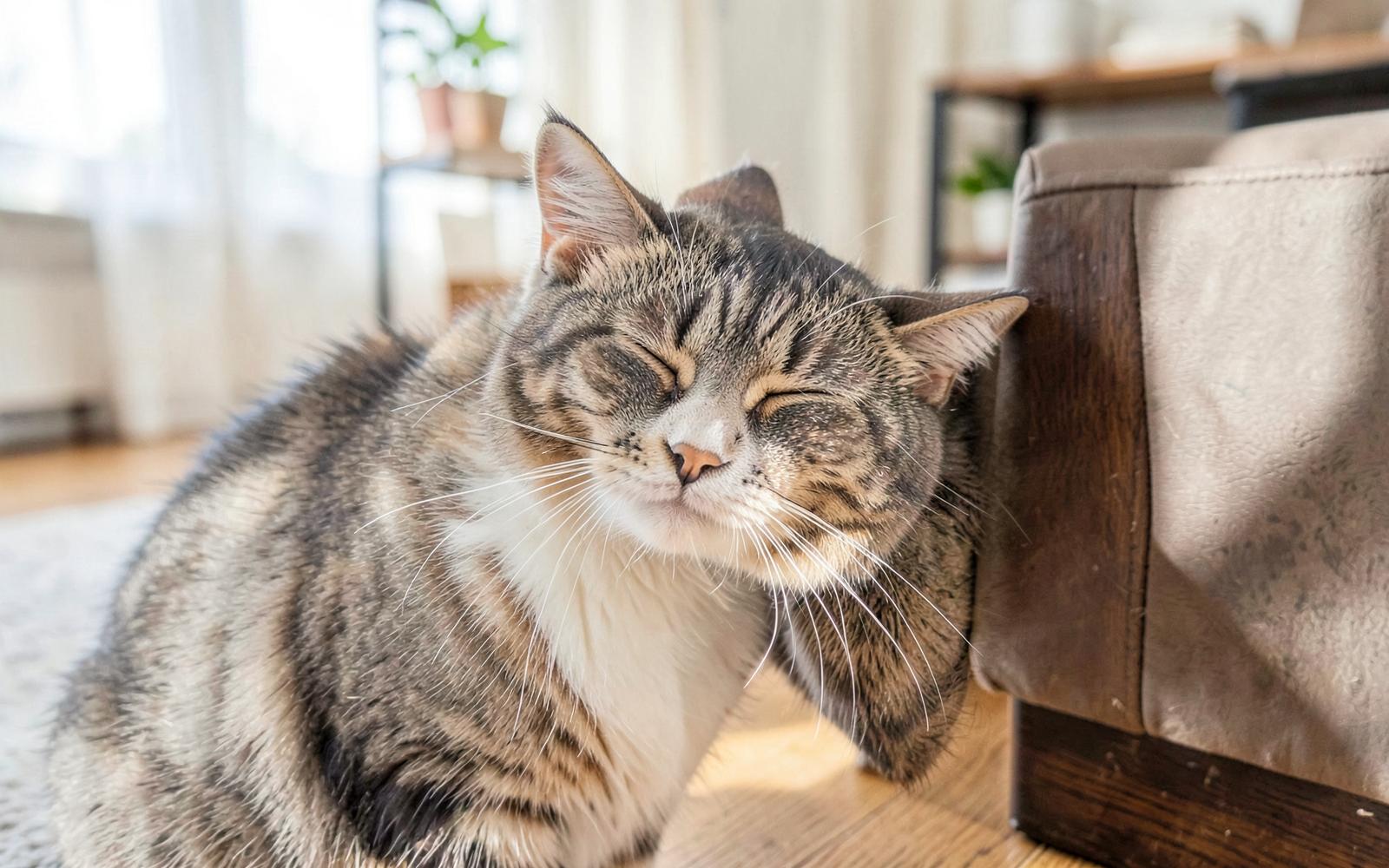
Your cat's fierce attachment to their favourite windowsill, their dramatic response to a new pet, their insistence on rubbing every doorframe in the house. All of it traces back to one of the deepest feline instincts: territory. Understanding territorial behaviour explains much of what cats do, and helps you manage the conflicts it can cause.
In short: Cats are naturally territorial animals who mark and defend space through scent (rubbing, scratching, spraying), and patrol routines. Territorial stress shows as spraying, blocking other pets, aggression toward newcomers, or anxiety after environmental changes. Management centres on adequate resources (one litter box per cat plus one, multiple feeding and resting stations), gradual introductions of new pets, scent management, and keeping routines predictable.
The Feline Territorial Mind
Wild cats live by territory: a core area for sleeping, hunting ranges, and marked boundaries. Your pampered indoor cat carries the same wiring. Within your home, they maintain:
- Core territory: sleeping spots and feeding areas where they feel safest
- Shared spaces: hallways, living rooms, patrol routes
- Boundary points: windows, doors, and entry points they monitor
This is why cats patrol the house on regular routes, rub doorframes (scent-marking boundaries), and sit at windows watching for intruders. It's not quirky. It's territorial maintenance, and it's deeply satisfying to them.
How Cats Mark Territory
Scent Rubbing
The friendly one. Cheek and forehead rubbing deposits pheromones marking things as safe and familiar, the same behaviour behind headbutting. A home well-rubbed by a cat smells "right" to them.
Scratching
Scratching leaves both a visual mark and scent from glands between the paw pads. It's territorial signage, which is why cats love scratching prominent furniture rather than hidden posts. Our guide on redirecting destructive scratching covers managing this without conflict.
Urine Marking (Spraying)
The problematic one. Vertical urine spraying is territorial communication, distinct from litter box problems (which happen on horizontal surfaces). Spraying intensifies with territorial stress: outdoor cats visible through windows, new pets, moves, or household tension.
Signs of Territorial Stress
- Spraying: especially near windows, doors, or new items
- Blocking behaviour. One cat guarding hallways, litter boxes, or food stations against another
- Staring contests and ambushes between household cats
- Aggression toward visitors or new pets
- Over-marking: frantic rubbing and scratching after changes
- Anxiety after moves or renovations: the territory smells wrong
Managing Territorial Behaviour
Provide Adequate Resources
Most multi-cat territorial tension is resource competition in disguise. The formulas:
- Litter boxes: one per cat, plus one extra, in separate locations
- Feeding stations: separate, ideally out of each other's sight
- Water stations: multiple, away from food
- Resting spots: at least as many quality options as cats, spread vertically (cat trees, shelves) and horizontally
- Escape routes: no dead ends where one cat can be trapped by another
When resources are abundant and distributed, there's nothing worth fighting over.
Introduce New Pets Gradually
Throwing a new cat straight into a resident cat's territory is the single biggest introduction mistake. Correct introductions take 1-2 weeks minimum: separate base room, scent swapping via bedding, feeding on opposite sides of a door, then brief supervised visual contact before free access. The territorial cat needs time to update their map.
Manage Outdoor Triggers
If neighbour cats appearing at windows trigger spraying or agitation, block the sightline (frosted film on lower window sections), use deterrents in your garden, or redirect with play when your cat spots an intruder.
Keep Scent Stable
Cats navigate by smell. After moves, renovations, or new furniture, spread familiar scent: rub a soft cloth on your cat's cheeks and dab it on new items at cat height. Synthetic feline facial pheromone diffusers help significantly during transitions.
Never Punish Marking
Punishment increases anxiety, which increases marking. Clean sprayed areas with enzymatic cleaners (ordinary cleaners leave odour traces that invite re-marking), address the trigger, and consult your vet if spraying persists, pain and urinary issues can masquerade as marking.
Rebuild Positive Associations
Territorial hotspots can be re-patterned. Feeding meals or offering special treats near contested areas (with cats at comfortable distances) builds positive associations with shared space. Treat-based counter-conditioning, rewarding calm behaviour near the rival cat or trigger is the backbone of behaviour modification for territorial tension.
Join the Cleos Waitlist: Cleos lickable treats are ideal for counter-conditioning and rewarding calm behaviour in multi-cat homes. Be first to try them at https://getcleos.in/#waitlist.
Frequently Asked Questions
Why did my cat suddenly start spraying?
Sudden spraying always has a trigger: a new pet, a move, outdoor cats at windows, a new baby, changed routines, or medical issues. First, rule out urinary tract problems with a vet, pain changes elimination behaviour (see urinary tract issues in cats). Then identify the environmental trigger. Sterilisation eliminates or reduces spraying in most intact cats.
Do male cats mark more than females?
Intact males spray most, but any cat, male or female, neutered or not, can spray under sufficient territorial stress. Neutering before six months prevents most spraying from ever starting. In neutered cats, spraying is almost always stress-driven rather than hormonal.
Will my cats ever stop fighting over territory?
In most cases, yes, with proper resource distribution and, if needed, a structured re-introduction (separate spaces, scent swapping, gradual re-exposure with treat rewards for calm behaviour). Some pairs need weeks of patient work; a small number of cats genuinely prefer solo living. Severe cases benefit from a feline behaviourist's guidance.
Why does my cat attack ankles in the hallway?
Often territorial or play-aggression ambush behaviour, hallways are prime patrol territory and chokepoints. If it's play-flavoured (no growling, quick retreat), redirect to toys and increase play sessions. If it's defensive (puffed tail, growling, your cat guarding a specific area), examine what's stressing them in that space and ensure resources aren't creating a gauntlet they feel forced to defend.
Keep Cleos close
Get more Cleos stories on Google
Add Cleos as a preferred source to make our cat care guides easier to find in Google.
Add to Preferred SourcesFound this useful? Share it
Treats worth reading the label for.
Cleos lickable treats are built on real, named ingredients: Real Chicken, Real Tuna, Tuna & Shrimp and Chicken & Veggies. No artificial fillers.
Join the Cleos waitlistKeep reading
Travel Carriers and Cat Crates: Stress-Free Transport
Choose the right cat carrier or crate and learn practical tips for calmer vet visits, car trips, and moves with your feline companion.
Read more →

Pet Cameras and Monitoring: Tech for Checking on Your Cat
A practical guide to pet cameras and monitoring systems for cats, covering features, placement, and how to use them without over-worrying.
Read more →
Food and Water Bowls: Material, Design, and Health Considerations
Compare cat food bowls and water bowls by material and design, including stainless steel bowls, to protect whisker health and hygiene.
Read more →