Urinary Tract Issues in Cats: Prevention Through Diet
Learn how hydration and diet help prevent FLUTD in cats, recognise warning signs of urinary blockage, and know exactly when to see a vet.
By the Cleos team · 4 January 2027 · 6 min read
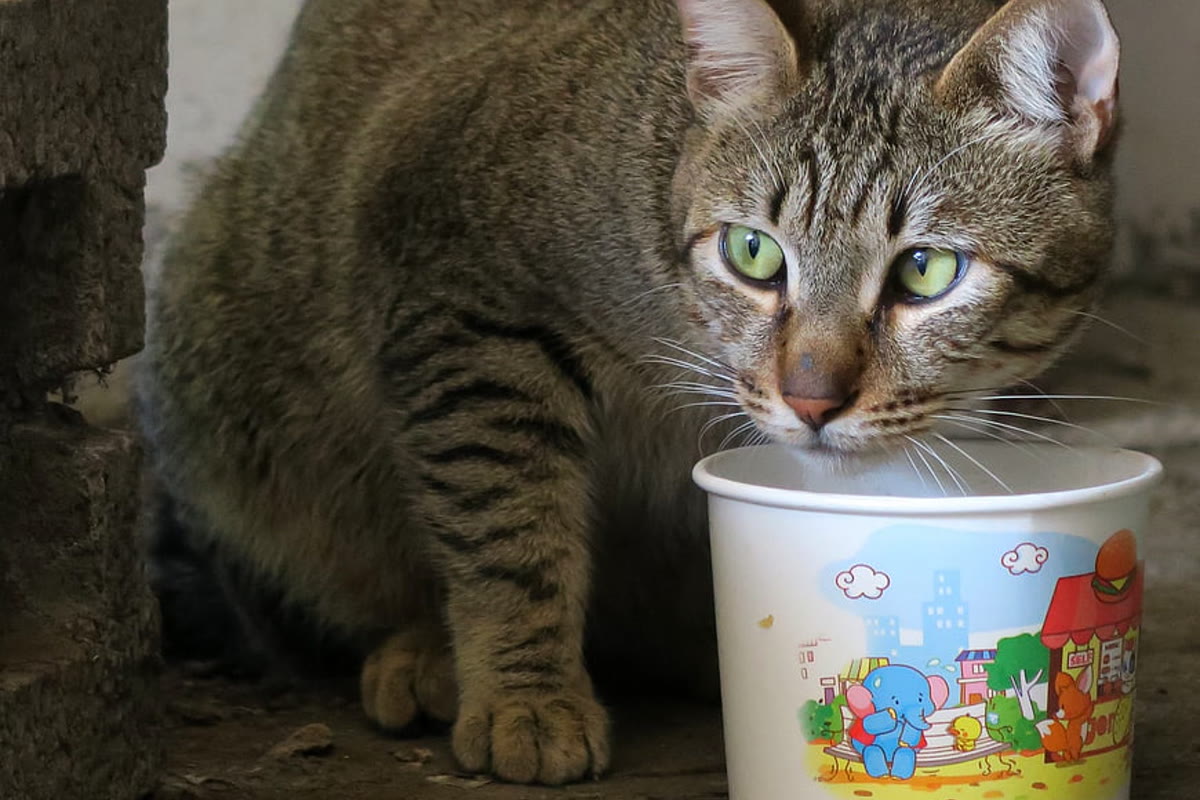
A cat straining in the litter box, crying out mid-urination, or licking at their genital area repeatedly is one of the most urgent signs a cat parent can see — and in male cats particularly, it can be a genuine emergency. Feline Lower Urinary Tract Disease (FLUTD) is common, painful, and in many cases, preventable through diet and hydration.
In short: FLUTD is an umbrella term for several conditions affecting a cat's bladder and urethra, including crystals, stones, infections, and stress-related idiopathic cystitis, and a male cat straining unproductively to urinate is a medical emergency requiring immediate veterinary care due to the risk of life-threatening urethral blockage. Diet plays a major preventive role — encouraging water intake, maintaining appropriate urinary pH, and avoiding excess minerals that promote crystal formation. Because dehydration is a key risk factor, moisture-rich foods and lickable treats can meaningfully support hydration as part of an overall prevention plan, though they are never a substitute for veterinary diagnosis and treatment.
What Is FLUTD?
Feline Lower Urinary Tract Disease (FLUTD) isn't a single disease but a group of conditions that share similar symptoms:
- Feline idiopathic cystitis (FIC) — bladder inflammation without a clear infectious cause, often linked to stress; this is actually the most common cause of FLUTD symptoms in cats.
- Urinary crystals and stones (uroliths) — mineral deposits (commonly struvite or calcium oxalate) that form in the bladder or urinary tract.
- Urinary tract infections (UTIs) — less common in cats than in dogs but possible, especially in older cats.
- Urethral obstruction — a life-threatening blockage, almost exclusively seen in male cats due to their narrower urethra, that prevents urination entirely.
Recognising the Warning Signs
- Straining or crying out in the litter box
- Frequent, small urinations
- Blood in urine
- Urinating outside the litter box (a common sign of pain associated with the box itself)
- Excessive licking of the genital area
- In male cats: repeated unproductive straining with little or no urine produced is an emergency — this can indicate a complete blockage that becomes fatal within 24-48 hours if untreated, due to kidney failure and toxin buildup, as highlighted by both the AVMA and ASPCA.
Risk Factors for FLUTD
| Risk Factor | Why It Matters |
|---|---|
| Low water intake | Concentrated urine promotes crystal formation |
| Obesity | Linked to higher FLUTD incidence and reduced mobility to reach litter box |
| Stress (multi-cat homes, changes in routine) | Major trigger for idiopathic cystitis flare-ups |
| Indoor-only, sedentary lifestyle | Reduced water intake and urination frequency |
| Male, neutered cats | Narrower urethra increases obstruction risk |
| Diet high in certain minerals (magnesium, without balanced pH) | Can promote struvite crystal formation |
Dietary Prevention Strategies
Prioritise Hydration Above Almost Everything Else
Cats evolved from desert ancestors and have a naturally low thirst drive, often not drinking enough water even when needed — a major contributor to concentrated, crystal-prone urine. Practical ways to boost hydration:
- Feed wet food as a significant part of the diet, since it naturally contains 70-80% moisture compared to roughly 10% in dry kibble.
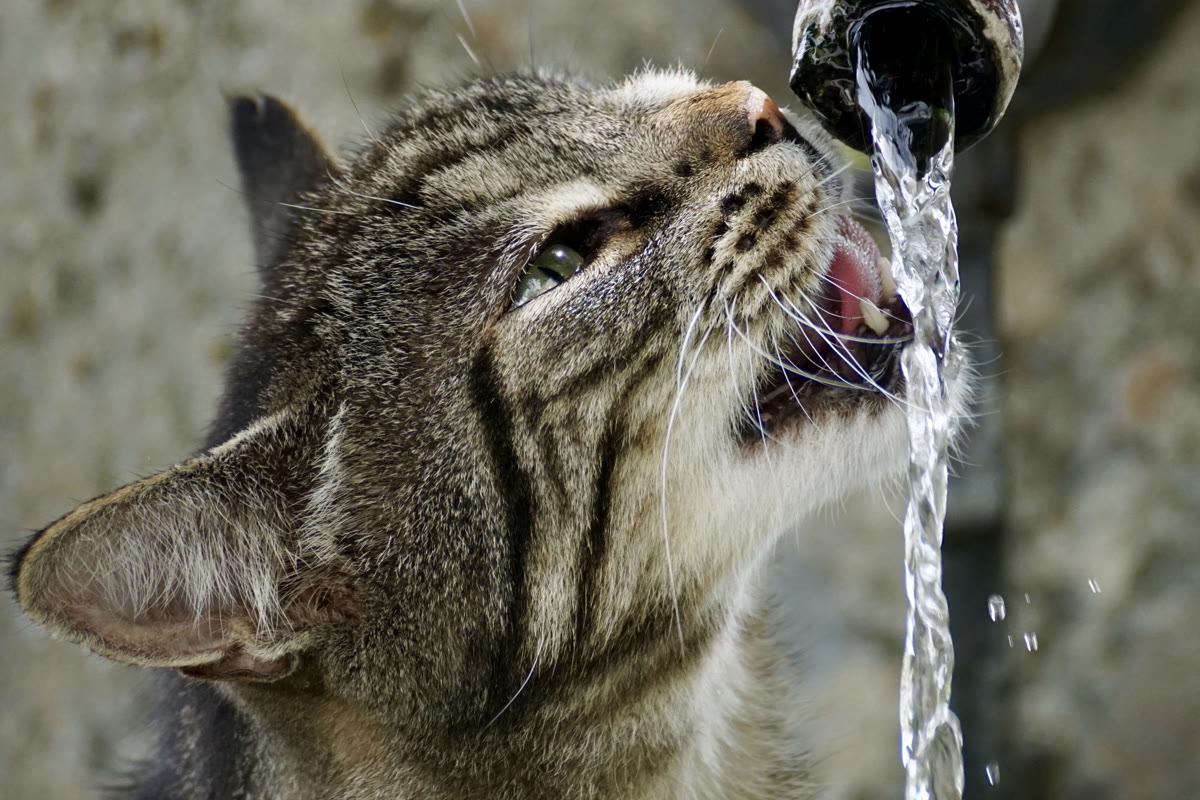
- Use a pet water fountain — many cats prefer moving water over stagnant bowls.
- Place multiple water bowls around the house, away from food and litter boxes.
- Offer lickable treats with high natural moisture content as an enjoyable way to sneak in extra fluid intake, particularly useful for cats who are reluctant water drinkers.
Manage Mineral and pH Balance
Urinary health diets are formulated to maintain a slightly acidic urine pH that discourages struvite crystal formation, while also controlling magnesium and phosphorus levels. This is a genuinely technical area best managed with a vet-recommended therapeutic diet if your cat has a history of crystals or stones — home "urinary support" claims on generic products should be checked carefully, following the label-reading principles in our guide on how to read cat food labels.
Avoid Excess Treats That Disrupt a Prescribed Diet
If your cat is on a prescribed urinary therapeutic diet, treats and snacks — even seemingly healthy ones — can dilute the diet's carefully balanced mineral profile if given in excess. Always check with your vet about how treats fit into a prescription urinary diet, and keep quantities minimal and consistent. Choosing treats built from real named protein (rather than vague fillers or unknown mineral-heavy ingredients) at least ensures you know exactly what's being added, similar to principles covered in our post on named ingredients vs mystery meat.
Reducing Stress-Related Cystitis
Since idiopathic cystitis is strongly linked to stress, environmental management matters as much as diet:
- Provide one litter box per cat plus one extra, placed in quiet, accessible locations.
- Scoop litter daily; cats are highly sensitive to a dirty box.
- Minimise sudden changes in routine, new pets, or rearranged furniture where possible.
- Provide enrichment — climbing spaces, window perches, and regular play — to reduce overall stress levels, as recommended by iCatCare.
When to Seek Emergency Care
Any male cat straining to urinate with little or no output needs to be seen by a vet immediately — this is not a "wait and see" situation. Even in female cats, where blockage is far less common, persistent straining, blood in urine, or clear distress warrants same-day veterinary attention. Diet and hydration are prevention tools, not treatment for an active urinary blockage or infection, which require professional intervention including possible catheterisation, fluid therapy, and medication.
Join the Cleos Waitlist: Cleos lickable treats are made with real named protein and natural moisture, a small but meaningful way to support your cat's daily hydration. Reserve your spot at https://getcleos.in/#waitlist.
Frequently Asked Questions
Why are male cats more prone to urinary blockages than females?
Male cats have a significantly narrower and longer urethra than females, making it much easier for crystals, mucus plugs, or small stones to cause a complete obstruction. Female cats can still develop crystals or cystitis, but true life-threatening blockage is overwhelmingly a male cat emergency. This anatomical difference is why any male cat straining unproductively needs urgent veterinary care.
Can diet alone prevent urinary tract issues in cats?
Diet is one of the most important preventive tools, particularly around hydration and mineral balance, but it can't guarantee prevention on its own since stress and individual physiology also play major roles, especially in idiopathic cystitis. A combination of appropriate diet, good hydration, environmental enrichment, and stress reduction gives the best overall protection against FLUTD.
Is wet food really better than dry food for urinary health?
Generally, yes — wet food's high moisture content helps produce more dilute urine, which reduces the concentration of minerals that form crystals and encourages more frequent urination that flushes the urinary tract. Cats who eat predominantly dry food should be encouraged to drink more water through fountains, multiple bowls, and moisture-rich treats to help offset this difference.
How do I know if my cat's litter box straining is a UTI or something else?
You can't reliably tell the difference at home — straining, frequent urination, and blood in urine can indicate infection, crystals, stones, or idiopathic cystitis, all of which need different treatments. A vet visit with a urine test (urinalysis) is necessary to identify the actual cause, especially since idiopathic cystitis, the most common cause, doesn't involve infection at all and needs a different management approach.
Are lickable treats safe for cats prone to urinary issues?
In most cases, yes, when given in moderation as part of an overall balanced diet, and they can even help with hydration goals thanks to their moisture content. However, if your cat is on a prescribed therapeutic urinary diet, always check with your vet first, since even small amounts of treats can affect the diet's carefully balanced mineral and pH profile if given inappropriately or in excess.
Keep Cleos close
Get more Cleos stories on Google
Add Cleos as a preferred source to make our cat care guides easier to find in Google.
Add to Preferred SourcesFound this useful? Share it
Treats worth reading the label for.
Cleos lickable treats are built on real, named ingredients — Real Chicken, Real Tuna, Tuna & Shrimp and Chicken & Veggies — with zero artificial fillers.
Join the Cleos waitlistKeep reading
Travel Carriers and Cat Crates: Stress-Free Transport
Choose the right cat carrier or crate and learn practical tips for calmer vet visits, car trips, and moves with your feline companion.
Read more →
Pet Cameras and Monitoring: Tech for Checking on Your Cat
A practical guide to pet cameras and monitoring systems for cats, covering features, placement, and how to use them without over-worrying.
Read more →
Food and Water Bowls: Material, Design, and Health Considerations
Compare cat food bowls and water bowls by material and design, including stainless steel bowls, to protect whisker health and hygiene.
Read more →