Food and Water Bowls: Material, Design, and Health Considerations
Compare cat food bowls and water bowls by material and design, including stainless steel bowls, to protect whisker health and hygiene.
By the Cleos team · 6 September 2027 · 5 min read
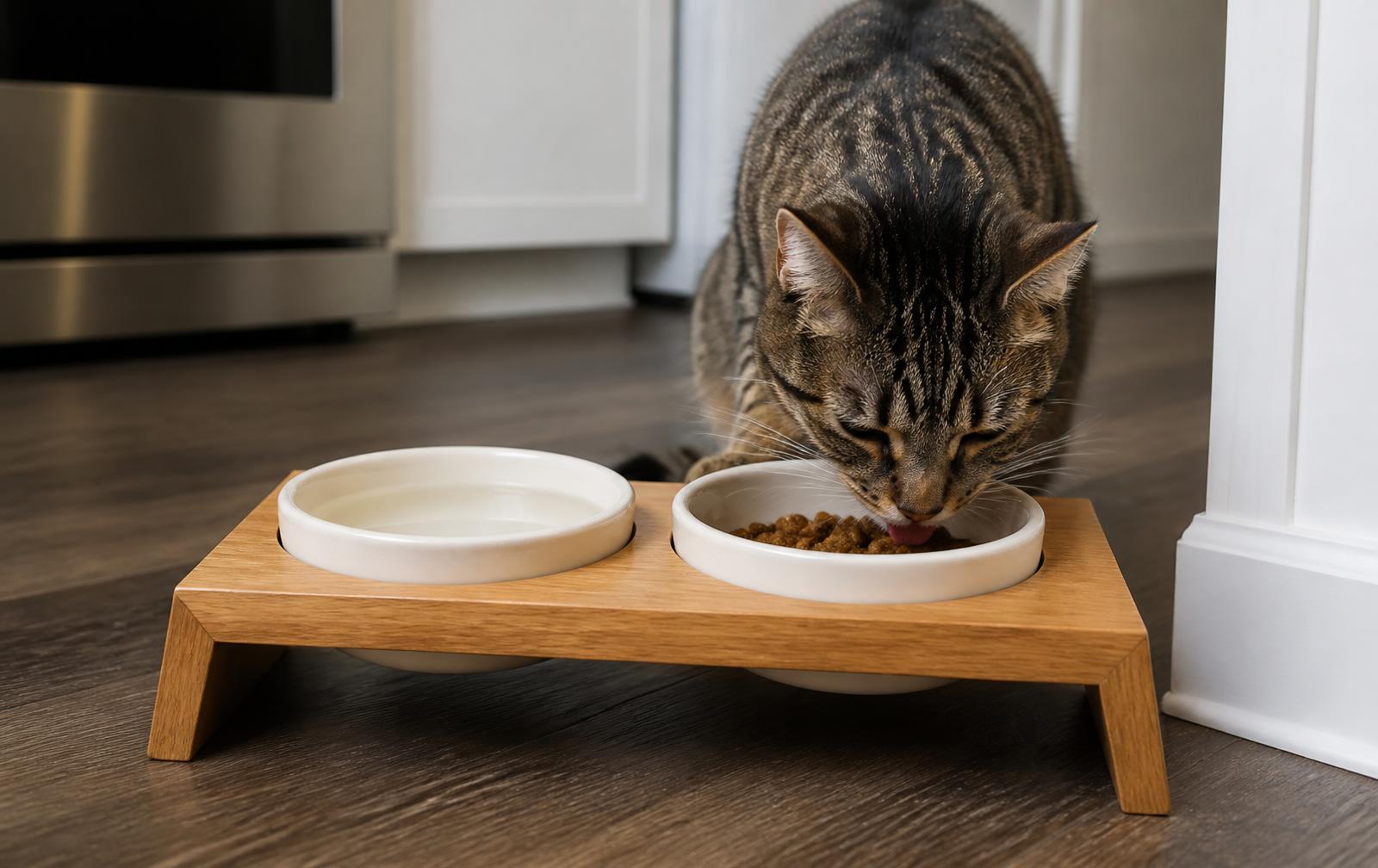
It's easy to overlook the humble food bowl, but the material, shape, and placement of your cat's bowls can meaningfully affect their comfort, hygiene, and even how much they eat and drink. What looks like a simple dish is, from a cat's perspective, closely tied to whisker comfort, sense of safety, and daily habits.
Choosing the right bowls is one of the easiest upgrades you can make to your cat's everyday wellbeing. In short: stainless steel or ceramic bowls with a wide, shallow shape are generally the healthiest choice for cat food bowls and water bowls, since they resist bacteria, avoid whisker fatigue, and are easy to keep clean, while plastic bowls are best avoided due to scratching, odour retention, and a possible link to chin acne in sensitive cats.
Why Bowl Material Matters
The material a bowl is made from affects hygiene, durability, and how comfortable it is for your cat to use.
Stainless Steel Bowls
Stainless steel is widely recommended by vets and cat behaviourists as a top choice. It's non-porous, so it doesn't absorb odours or bacteria the way plastic can, and it withstands dishwasher cleaning and daily scrubbing without scratching. The main downsides are that it can feel cold to the touch, may slide around unless it has a rubberised base, and some cats are initially wary of the reflective surface or the sound of kibble hitting metal.
Ceramic Bowls
Ceramic bowls are heavy, which helps prevent tipping, and if glazed properly, they're also non-porous and easy to clean. Look for lead-free, food-safe glazes from reputable manufacturers, and check periodically for chips or cracks, since damaged glaze can harbour bacteria and is no longer safe to use.
Plastic Bowls
Plastic is the least recommended material for regular use. It scratches easily with normal cleaning, and those microscopic grooves can trap bacteria and odours even after washing. Some veterinary sources, including guidance referenced by the Cornell Feline Health Center, note a possible association between prolonged plastic bowl use and feline chin acne in sensitive cats, thought to be linked to bacterial buildup and contact irritation. If you already use plastic bowls, replacing them regularly and washing daily can reduce this risk.
Bowl Shape and Whisker Comfort
Cats' whiskers are highly sensitive sensory organs, and deep, narrow bowls can press against them repeatedly during eating, a phenomenon often referred to as whisker fatigue or whisker stress. While the scientific evidence on whisker fatigue is still developing, many cat behaviourists and vets recommend wide, shallow dishes as a precaution, since cats using them often appear more relaxed while eating and are less likely to scoop food out onto the floor to avoid whisker contact.
Signs Your Cat Might Prefer a Different Bowl Shape
- Pawing food out of the bowl before eating it
- Reluctance to approach the bowl or eating in short bursts
- Visible discomfort or head-tilting while eating
- Preferring to eat off a flat plate or the floor nearby
Bowl Placement and Water Access
Where you put bowls matters almost as much as what they're made of. Cats generally prefer their food and water positioned away from each other, and both away from the litter tray, reflecting natural instincts to avoid contaminating water sources near where they eat or eliminate.
Placement Tips
- Keep water bowls in a separate area from food, ideally in more than one location around the home.
- Avoid placing bowls right next to the litter tray, even in small flats.
- Choose a quiet spot without heavy foot traffic, so your cat feels safe eating undisturbed.
- In multi-cat homes, offer separate bowls per cat, spaced well apart, to prevent resource guarding.
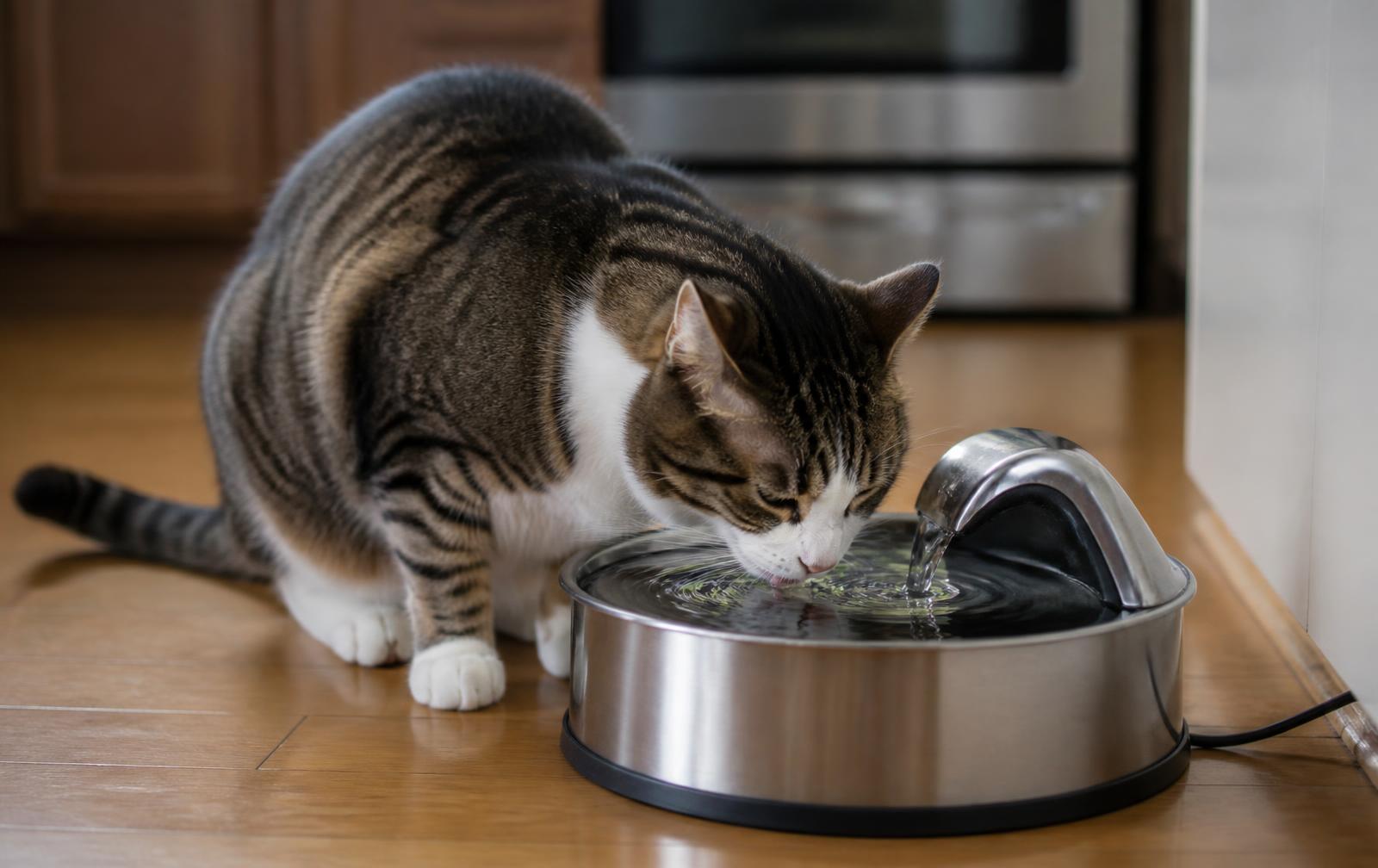
- Consider a wide, low water bowl or a pet fountain, since flowing water encourages many cats to drink more, supporting good hydration and urinary health as highlighted by the ASPCA.
Comparing Bowl Types at a Glance
| Bowl Type | Hygiene | Whisker Comfort | Durability | Best For |
|---|---|---|---|---|
| Stainless steel, shallow | Excellent | Excellent | Very high | Everyday food and water use |
| Ceramic, glazed | Very good | Good to excellent | High if not chipped | Cats who prefer weighted, stable bowls |
| Plastic | Poor over time | Variable | Moderate | Short-term or travel use only |
| Pet water fountain | Good, needs regular cleaning | Good | Moderate | Encouraging increased water intake |
Cleaning and Maintenance
Even the best bowl material needs regular cleaning to stay genuinely hygienic. Food residue left in a bowl, particularly with wet food or lickable treats, can attract bacteria quickly, especially in warm weather.
- Wash food bowls after every meal, not just once a day.
- Rinse and refill water bowls daily, even if they still look full, since biofilm can build up unseen.
- Run stainless steel and dishwasher-safe ceramic bowls through a hot cycle weekly for a deeper clean.
- Replace any bowl that develops cracks, chips, or persistent scratches.
Bowls and Treat Time
Bowls aren't just for meals. Many cat parents also use a small dish for treats, and the same principles apply: a shallow, easy-to-clean bowl makes treat time more pleasant for your cat, particularly with lickable treats designed to be enjoyed slowly. Cleos treats, for example, work well served on a small flat plate or shallow dish rather than a deep bowl, letting your cat lick comfortably without whisker interference. If you're building a treat routine around bowls and rituals, bonding through treat time rituals and why cats love lickable treats offer useful further reading, as does how to use treats for positive reinforcement if you're using treats during training.
Frequently Asked Questions
Are elevated bowls better for cats?
Elevated bowls can help some cats, particularly seniors with arthritis or cats with certain digestive sensitivities, by reducing neck strain. They aren't essential for every cat, but they're worth trying if your cat seems to struggle with a low bowl.
How often should I replace my cat's bowls?
Stainless steel and ceramic bowls can last for years if undamaged, but plastic bowls should be replaced more frequently, roughly every few months, due to scratching. Replace any bowl immediately if it becomes cracked or heavily scratched.
Why does my cat prefer drinking from the tap over their bowl?
Many cats are instinctively drawn to moving water, which historically signalled a safer, fresher source. A pet fountain can replicate this appeal and may encourage cats who are otherwise reluctant drinkers to stay better hydrated.
Should I use separate bowls for wet and dry food?
It's not essential, but having separate bowls, especially if you feed both in the same sitting, keeps textures and cleaning easier, and some cats do show a preference for keeping foods apart.
Curious about pairing the right bowl with treats your cat will love? Join the Cleos waitlist to be among the first to try them.
Keep Cleos close
Get more Cleos stories on Google
Add Cleos as a preferred source to make our cat care guides easier to find in Google.
Add to Preferred SourcesFound this useful? Share it
Treats worth reading the label for.
Cleos lickable treats are built on real, named ingredients — Real Chicken, Real Tuna, Tuna & Shrimp and Chicken & Veggies — with zero artificial fillers.
Join the Cleos waitlistKeep reading
Travel Carriers and Cat Crates: Stress-Free Transport
Choose the right cat carrier or crate and learn practical tips for calmer vet visits, car trips, and moves with your feline companion.
Read more →
Pet Cameras and Monitoring: Tech for Checking on Your Cat
A practical guide to pet cameras and monitoring systems for cats, covering features, placement, and how to use them without over-worrying.
Read more →
Window Perches and Cat Hammocks: Entertainment for Indoor Cats
Discover how cat window perches and hammocks boost enrichment for indoor cats, with buying tips, safety notes, and DIY ideas for happier cats.
Read more →