Why Cats Love Lickable Treats: The Texture and Taste Advantage
The palatability science behind lickable cat treats — moisture, aroma, tongue anatomy and bonding — and why the format outperforms crunchy treats for many cats.
By the Cleos team · 3 August 2026 · 10 min read
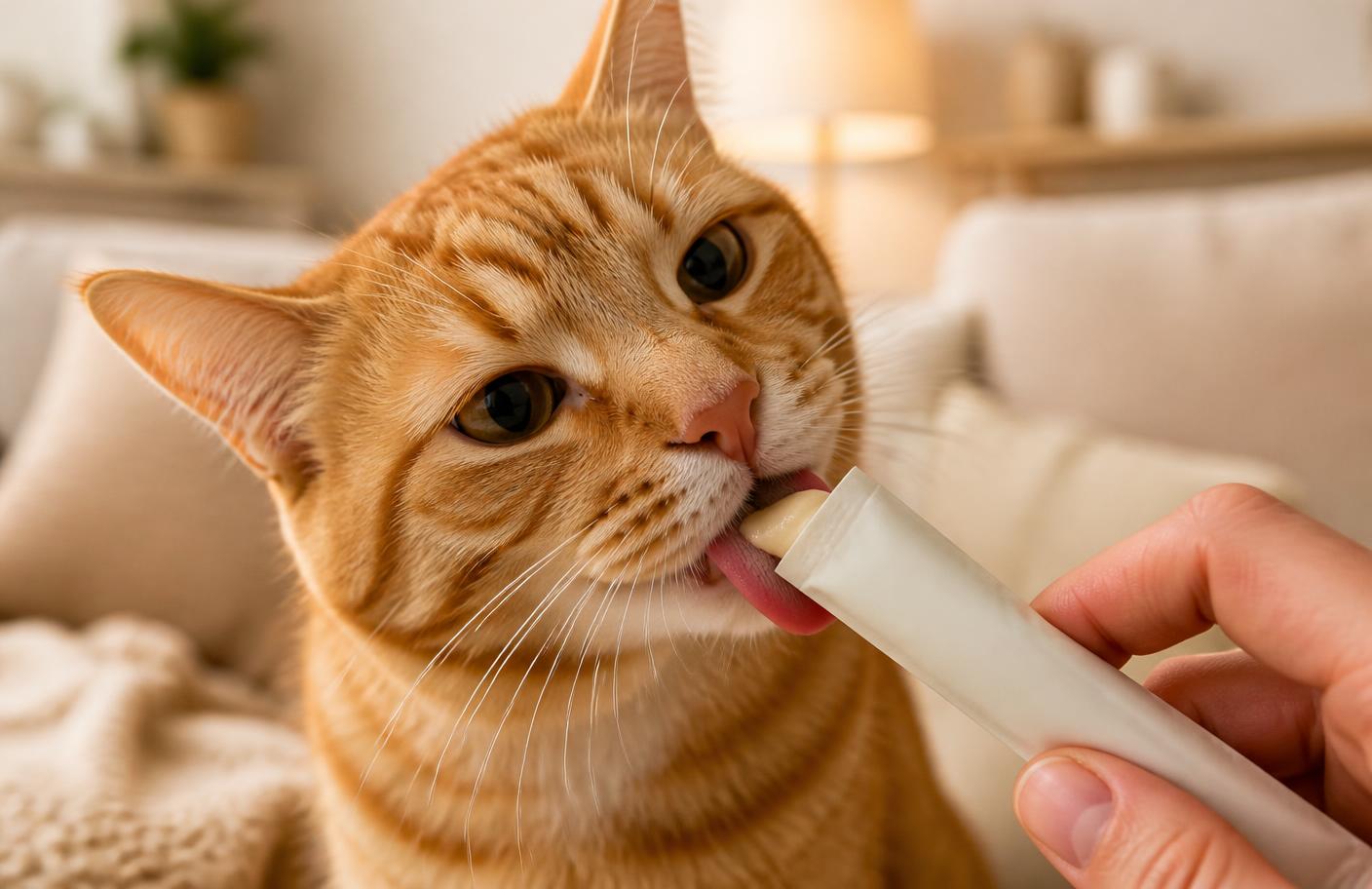
Many cat parents find themselves frustrated when their feline companions turn their noses away from premium kibble or expensive crunchy biscuits, leaving the bowl untouched. If your cat seems bored with traditional textures or struggles to stay hydrated, you are likely witnessing the biological drive that makes lickable treats so uniquely appealing.
In short: Lickable treats succeed because they mimic the high-moisture, protein-rich diet of wild felines, utilizing a creamy texture that amplifies aroma and accommodates the unique structure of a cat’s sandpaper-like tongue.
The Sensory Science of the Feline Tongue
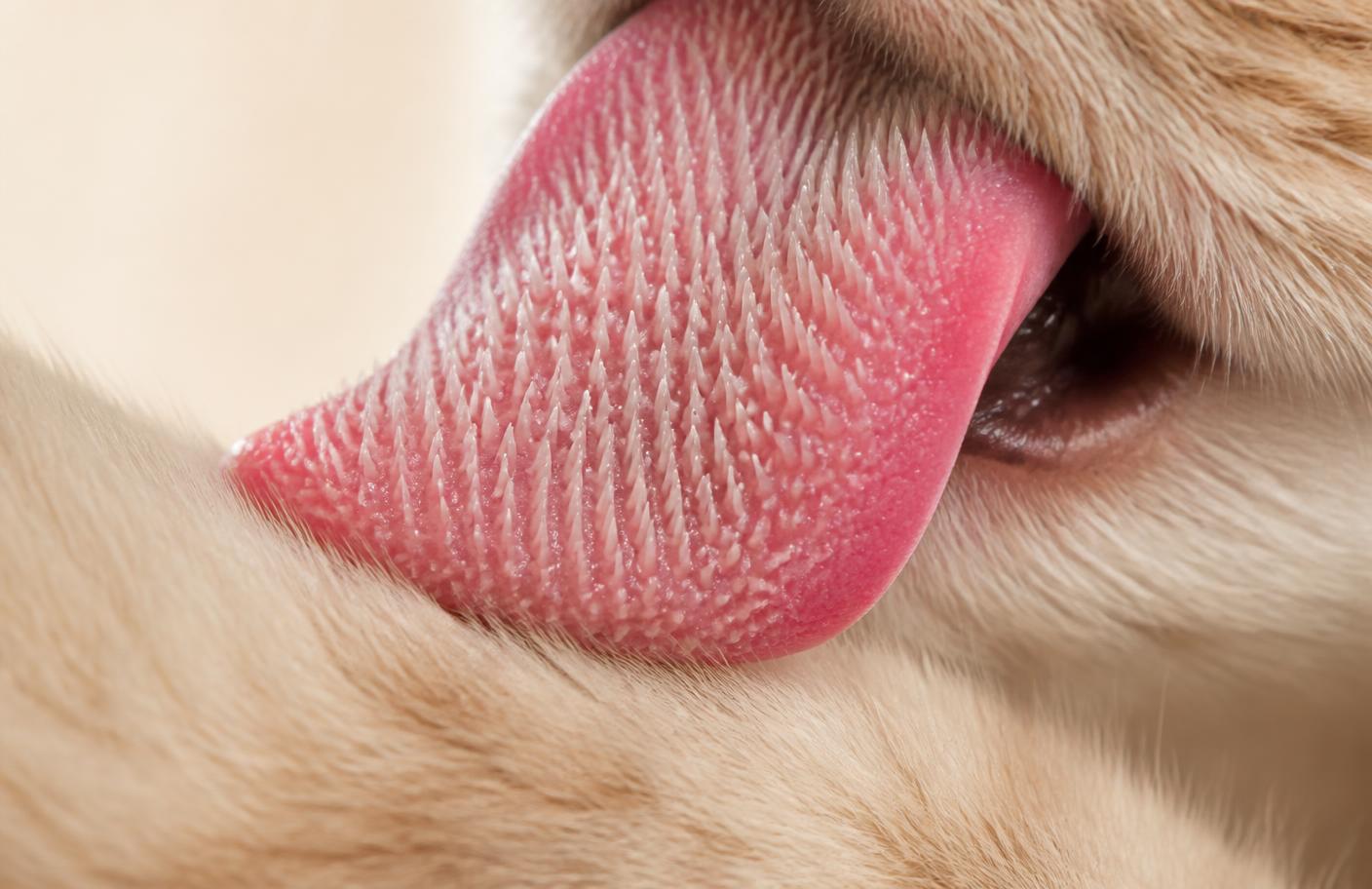
To understand why lickable treats have become a global phenomenon, we must first look at the anatomy of the cat’s tongue. Unlike human tongues, which are relatively smooth, a cat’s tongue is covered in tiny, hook-like structures called filiform papillae. These are made of keratin—the same protein found in human fingernails—and are curved toward the throat.
In the wild, these papillae help cats groom themselves and rasp meat away from the bones of prey. However, in a domestic setting, these hooks interact with food texture in a very specific way. When a cat consumes soft cat treats or liquids, the papillae act like tiny spoons, trapping the moisture and the pureed solids within the gaps. This allows the cat to transport a significant amount of flavour and nutrients to the back of the throat with minimal effort.
Aroma Release and Volatile Compounds
A cat’s sense of smell is roughly 14 times stronger than that of a human. Texture plays a direct role in how "smelly" a treat is. Dry treats lock aromatics inside a hard, baked matrix. In contrast, creamy cat treats have a high surface area and a high moisture content. As the treat is licked and moved around the mouth, volatile organic compounds are released more rapidly into the nasal cavity via the vomeronasal organ (also known as Jacobson's organ).
When you tear open a pouch of Cleos Real Tuna or Chicken, the immediate "hit" of aroma is what triggers the hunting instinct and the salivation response. This is why even the pickiest cats, who may ignore dry biscuits, will often come running the moment a lickable tube is handled.
Why Texture Preferences Matter in Feline Nutrition
While humans often prioritise taste (sweet, sour, salty, bitter, umami), cats lack the receptors for sweetness. Instead, they are hyper-attuned to cat treat texture preferences and the presence of amino acids. Texture is often the deciding factor in whether a cat considers a substance "food" or "non-food."
The "Mouthfeel" of Smooth Purees
The smoothness of a lickable treat provides a consistent mouthfeel that lacks the unpredictability of chunky wet food or the abrasive nature of dry kibble. For many cats, especially those with sensory sensitivities, the uniformity of a puree is comforting. This consistency ensures that every lick delivers the same concentration of protein and moisture.
In the wider market, brands such as Whiskas, Purina Friskies, Sheba, Temptations, and Royal Canin all sell cat treats in India, offering various textures from crunchy pillows to meaty sticks. However, the shift toward lickable formats reflects a growing understanding of feline ethology. Cats are "lapping" animals; their natural way of consuming water and liquid nutrients is a highly efficient physical process.
The Hydration Connection
One of the most significant advantages of lickable treats is their role in supplemental hydration. Felines are descended from desert-dwelling ancestors and have a naturally low thirst drive. They are biologically designed to get the majority of their water from their prey, which is typically about 70-75% water.
Chronic Dehydration and Kidney Health
Many cats living on a strictly dry diet exist in a state of chronic mild dehydration. This can place stress on the kidneys and urinary tract over time. According to the International Cat Care organisation, maintaining adequate fluid intake is crucial for preventing urinary crystals and supporting renal function.
| Treat Type | Average Moisture Content | Caloric Density |
|---|---|---|
| Dry Biscuits | 6-10% | High |
| Semi-Moist Bites | 20-30% | Medium |
| Lickable Purees | 85-90% | Low to Medium |
| Raw Meat | 65-75% | Medium |
By incorporating soft cat treats that are primarily composed of moisture and real animal protein, you are effectively "sneaking" water into your cat's diet. This is particularly useful for Indian cat parents during the hot summer months when heatstroke and dehydration are genuine risks.
Bridging the Gap for Seniors and Dental-Limited Cats
As cats age, their nutritional needs and physical capabilities change. Senior cats often suffer from periodontal disease, gingivitis, or resorptive lesions, making the act of crunching down on hard kibble painful.
Easier Ingestion for Ailing Felines
For a cat with missing teeth or sore gums, a lickable treat is a godsend. It requires zero mastication (chewing). The cat can simply lap up the nutrients. Furthermore, as cats age, their sense of smell can decline. The intense aroma of creamy cat treats helps stimulate the appetite of an older cat who might otherwise be losing weight.
If you are concerned about what goes into these purees, it is vital to learn how to read cat food labels to ensure you aren't just feeding your senior cat empty calories or fillers. You can also explore our guide on named ingredients vs mystery meat to understand why specific protein sources like "Real Tuna" are superior to "meat by-products."
Bonding Through Hand-Feeding: The Social Advantage
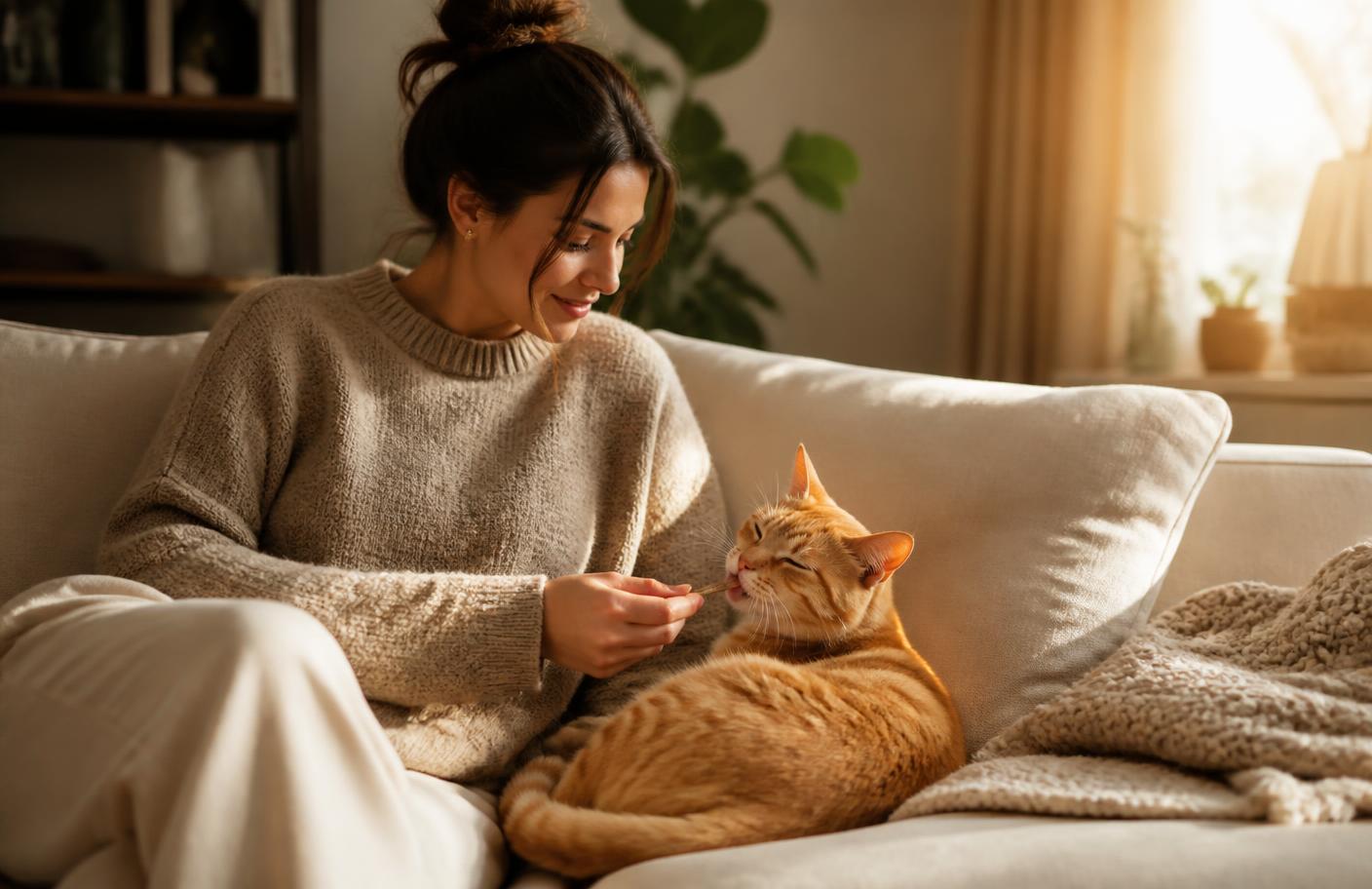
Unlike a bowl of dry food that is left on the floor, a lickable treat is an interactive experience. Most lickable treats come in long, narrow tubes designed to be squeezed slowly while the cat licks the tip.
The Psychology of Shared Feeding
This method of feeding creates a direct physical and social link between the human and the cat. The cat must remain in close proximity to you for several minutes, engaging in a calm, repetitive licking motion. Licking releases endorphins in cats, which helps them feel relaxed and secure.
Join the Cleos Waitlist: We believe treat time is bonding time. Our recipes are crafted with real meat and zero fillers to keep your cat coming back for more. Join our waitlist here to be the first to know when we launch.
For shy or newly adopted cats, hand-feeding lickable treats is one of the fastest ways to build trust. It transforms the human from a "scary giant" into a source of high-value rewards and positive reinforcement.
Navigating the Ingredients: What Makes a Treat "High Quality"?
Not all lickable treats are created equal. While the texture is universally appealing to cats, the chemical composition can vary wildly. Many mass-market options rely on artificial thickeners, excessive salt, and "meat derivatives" to achieve their consistency.
Avoiding Artificial Fillers
When choosing a treat, look for those that avoid carrageenan, xanthan gum, or excessive corn starch as primary binders. High-quality treats, like those developed at Cleos, focus on "Real Protein" as the first ingredient. Whether it is Real Chicken or Tuna & Shrimp, the goal is to provide a treat that aligns with the cat's obligate carnivore nature.
For a deeper dive into what to avoid, read our checklist of harmful ingredients to avoid in cat food. Understanding the difference between real protein vs meat meal will also help you make better decisions for your pet's long-term health. The Association of American Feed Control Officials (AAFCO) provides guidelines on ingredient definitions that are helpful for any pet parent to review.
The Role of Lickable Treats in Medical Care
Veterinarians often use lickable treats as a "distraction tool" during examinations or vaccinations. The high palatability and the focused licking behaviour can distract a cat from the slight pinch of a needle or the discomfort of being handled by a stranger.
Pill Hiding and Medication
If you have ever tried to give a cat a pill, you know how stressful it can be. The thick, creamy consistency of these treats makes them excellent for masking the taste and texture of crushed medications or small tablets. By mixing the medicine into a small amount of a high-value puree, the cat often consumes the dose without even noticing the hidden "intruder."
For cats with sensitive stomachs who may need frequent medication, choosing the right base is essential. Check out our guide on best cat treat ingredients for sensitive stomachs to ensure the treat doesn't cause further digestive upset.
The Cleos Difference: Why We Chose Lickable
At Cleos, we spent time looking at the science of feline nutrition and the common complaints of Indian cat parents. We saw too many treats filled with mystery ingredients and "fillers." To learn more about this, see our article Are There Any Fillers in Premium Cat Treats?.
We decided to focus on a lickable format because it solves three problems at once:
- It provides high-quality protein in a form cats instinctively love.
- It aids in hydration, which is a major concern in our climate.
- It fosters the bond between pet and parent through interactive feeding.
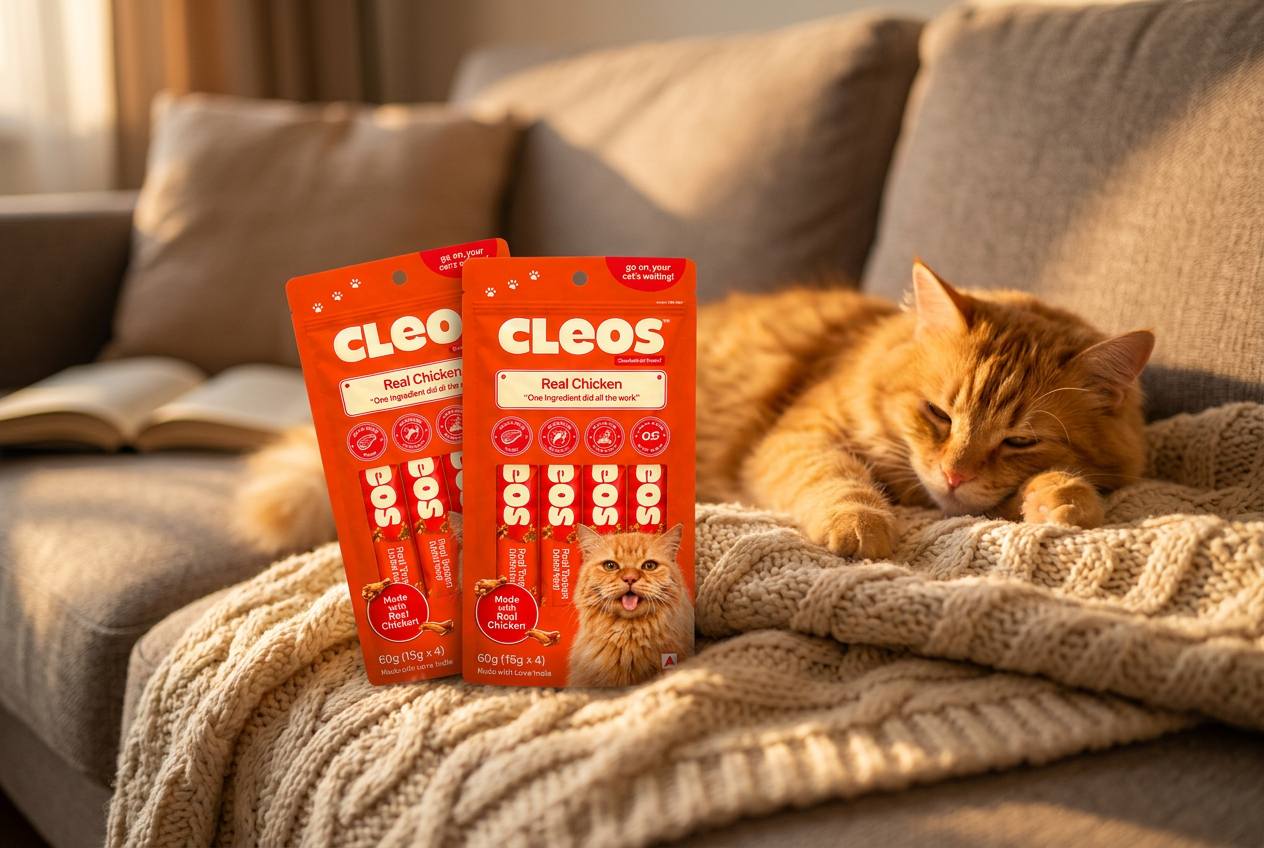
Our lineup includes Real Chicken, Real Tuna, Tuna & Shrimp, and Chicken & Veggies—all formulated with vet-reviewed principles to ensure your cat gets the best without the junk.
Summary of Benefits
Lickable treats aren't just a trend; they are a response to the biological and emotional needs of cats. From the way the papillae move the liquid to the way the aroma fills the room, every aspect of a creamy cat treat is designed to satisfy a feline's senses.
- Superior Palatability: High moisture and aroma appeal to even the pickiest eaters.
- Health Support: Adds essential moisture to the diet, supporting kidney health.
- Inclusivity: Safe and easy for kittens, seniors, and cats with dental issues.
- Bonding: Encourages hand-feeding and positive association with the owner.
If you are looking for more information on feline nutrition, visit our blog hub to explore articles like The Complete Guide to Protein Content in Cat Treats.
Ready to transform treat time? Cleos is coming soon to India. Our treats are made with real named ingredients and zero artificial fillers. Join the waitlist today to get early access and exclusive launch offers for your feline friend.
Frequently Asked Questions
Can lickable treats replace a full meal for my cat?
No, lickable treats are intended as a complementary snack and not a complete and balanced meal. While they provide high-quality protein and hydration, they do not contain the full spectrum of vitamins, minerals, and taurine levels required for a cat's daily survival as mandated by FDA animal veterinary standards. Treats should generally not exceed 10% of a cat’s daily caloric intake.
Are lickable treats safe for kittens?
Yes, lickable treats are generally safe for kittens once they have been weaned onto solid foods. The soft texture is particularly good for developing teeth. However, because kittens have specific nutritional requirements for growth, ensure the treat does not distract them from eating their primary kitten-formulated food. Always introduce new treats gradually to monitor for any signs of digestive upset.
How often can I give my cat a lickable treat?
Most healthy adult cats can enjoy one lickable tube per day as part of their 10% treat allowance. However, this depends on the cat’s overall weight, activity level, and the caloric density of the treat. If your cat is prone to obesity, consult your veterinarian to determine the appropriate portion size. Always ensure fresh water is available alongside any snack.
Why does my cat suddenly prefer lickable treats over dry ones?
This preference usually stems from the "aroma advantage." As cats age, or if they have minor dental issues, the ease of licking a moisture-rich puree becomes more attractive than the effort required to crunch dry kibble. Additionally, the intense scent of a puree is more stimulating to a cat's olfactory system than the subtle scent of processed dry biscuits.
Do lickable treats cause tooth decay?
Lickable treats themselves do not inherently cause decay, but like any food, they leave residue in the mouth. Since they don't provide the mechanical "scraping" action that some dry foods claim to offer, it is even more important to maintain a regular dental care routine. According to the AVMA, regular brushing and professional cleanings are the most effective ways to prevent dental disease in cats.
My cat has a sensitive stomach; can they eat these?
Many lickable treats are actually easier to digest because they are already broken down into a smooth puree. However, you should check the ingredient list for common allergens or fillers like corn, soy, or wheat. Cleos focuses on limited, real ingredients which can be gentler on the stomach. If your cat has a diagnosed condition, always check with your vet before introducing new proteins.
Keep Cleos close
Get more Cleos stories on Google
Add Cleos as a preferred source to make our cat care guides easier to find in Google.
Add to Preferred SourcesFound this useful? Share it
Treats worth reading the label for.
Cleos lickable treats are built on real, named ingredients — Real Chicken, Real Tuna, Tuna & Shrimp and Chicken & Veggies — with zero artificial fillers.
Join the Cleos waitlistKeep reading
Travel Carriers and Cat Crates: Stress-Free Transport
Choose the right cat carrier or crate and learn practical tips for calmer vet visits, car trips, and moves with your feline companion.
Read more →
Pet Cameras and Monitoring: Tech for Checking on Your Cat
A practical guide to pet cameras and monitoring systems for cats, covering features, placement, and how to use them without over-worrying.
Read more →
Food and Water Bowls: Material, Design, and Health Considerations
Compare cat food bowls and water bowls by material and design, including stainless steel bowls, to protect whisker health and hygiene.
Read more →