Why Cats Get the Zoomies: The Science of Playfulness
The science behind cat zoomies (FRAPs): why cats sprint at 3 AM, common triggers, when to worry, and how to channel the energy with play routines.
By the Cleos team · 7 February 2028 · 5 min read
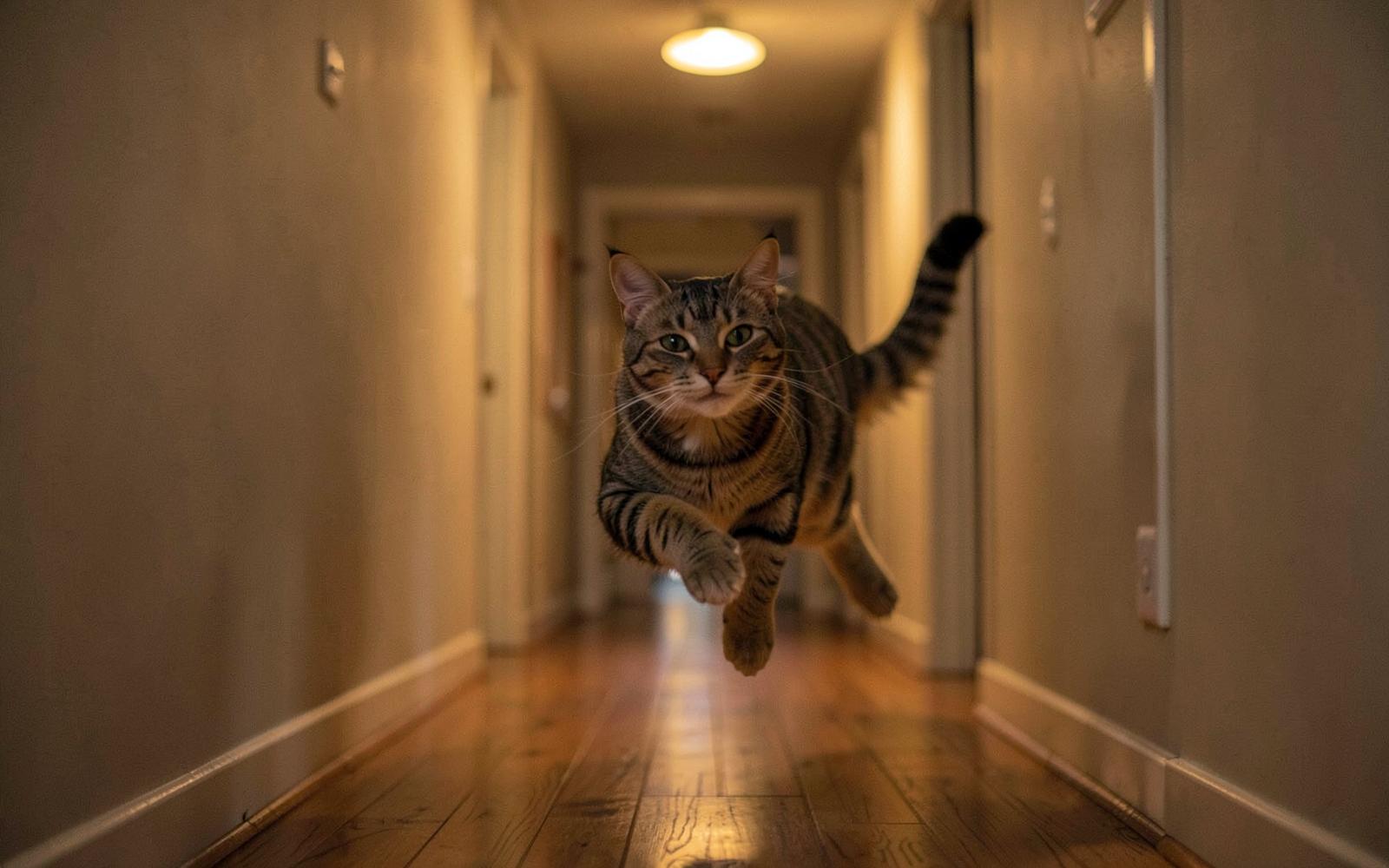
It's 3 AM. Somewhere in the dark, your cat transforms into a furry missile, sprinting down hallways, ricocheting off furniture, pupils huge, tail puffed, absolutely possessed. Then, as suddenly as it started, they're calmly washing a paw as if nothing happened. Welcome to the zoomies.
In short: Zoomies, technically FRAPs (Frenetic Random Activity Periods), are sudden bursts of energy release rooted in cats' crepuscular hunting instincts, pent-up energy, and post-litter-box relief. They're completely normal in healthy cats of all ages, especially kittens and indoor cats with excess energy. Frequent zoomies may signal your cat needs more structured play; two daily interactive sessions usually channel the energy at more convenient hours.
What Are Zoomies, Scientifically?
Ethologists call them FRAPs, Frenetic Random Activity Periods: short, explosive episodes of running, jumping, and spinning that release accumulated energy. They're seen across many species (dogs get them too), but in cats they have a specific evolutionary logic.
The Hunting Rhythm
Cats are crepuscular: most active at dawn and dusk, when their prey is most active. A wild cat's day runs on cycles: hunt (explosive energy), eat, groom, sleep. Your indoor cat has the same engine but no hunting to spend it on. Zoomies are the built-up hunting energy finding its outlet, just often at 3 AM, because nobody told your cat your schedule.
Why Indoor Cats Zoom More
Outdoor cats distribute energy across patrols, climbing, and actual hunting. Indoor cats accumulate it. This is why zoomies are most intense in:
- Kittens and young cats: boundless energy, still mastering their bodies (see kitten growth stages)
- Indoor-only cats: fewer natural outlets
- Cats sleeping much of the day: especially when their humans are at work
Common Zoomie Triggers
- Dawn and dusk: the crepuscular hardwiring
- Post-litter-box zoomies: a well-documented quirk; theories range from relief and celebration to an instinct to flee the scent site quickly (in the wild, waste attracts predators)
- After eating: energy from the meal arriving
- After naps: batteries recharged
- After your bedtime: the house goes quiet and the night shift begins
- Pent-up play drive: no outlet all day equals explosion later
When Zoomies Are Normal (Almost Always)
In healthy cats, zoomies are harmless and often entertaining. Signs of normal zoomies: short duration (a few minutes), playful body language (forward ears, puffy "Halloween cat" tail, hopping and sideways crab-walking), and a return to calm afterward.
When to Look Closer
Occasionally, frantic running has a cause beyond play:
- Fleas or skin irritation: sudden bolting with frantic biting at the back or flanks suggests itch, not play
- Feline hyperesthesia syndrome: a rare condition involving skin rippling, sudden aggression, and distressed (rather than playful) frantic episodes; needs a vet
- Anxiety: stress-driven zoomies look different: tucked tail, flattened ears, fleeing rather than playing
- Pain or hyperthyroidism in seniors: a senior cat suddenly developing manic nighttime activity, especially with weight loss or increased appetite, warrants bloodwork (see hyperthyroidism in cats)
The distinction: playful zoomies look joyful. Distressed zoomies look like escape.
How to Channel the Energy
You can't eliminate zoomies, nor should you want to. But you can schedule them:
Structured Play Sessions
Two interactive play sessions daily (15 minutes each) dramatically reduce random explosions, especially at night. The key is completing the hunting sequence: stalk, chase, pounce, catch, let the cat actually capture the toy, then feed a meal or substantial treat afterward. Hunt-eat-groom-sleep is the natural cycle; completing it tells your cat's nervous system the work is done.
The Evening Routine
To protect your sleep: play session in the evening → then dinner or a treat → your cat grooms and settles. A cat who "hunted" and ate at 10 PM rarely zooms at 3 AM.
Environmental Enrichment
Climbing structures, window perches, puzzle feeders, and rotating toys (see best cat toys) drain energy throughout the day so less accumulates.
The Treat Finisher
Ending evening play with a small lickable treat completes the hunt-catch-eat sequence beautifully, the treat is the "prey" they caught. It's the most satisfying possible ending for the cat and the most effective way to transition them to sleep mode.
Join the Cleos Waitlist: Cleos lickable treats make the perfect "catch" at the end of evening play, the satisfying finish that sends cats to sleep, not to 3 AM hallway sprints. Be first to try them at https://getcleos.in/#waitlist.
Frequently Asked Questions
Is it normal for adult cats to get zoomies, or just kittens?
Completely normal at any age, kittens and young cats zoom most often and most dramatically, but healthy adults and even seniors zoom. A playful 12-year-old doing hallway sprints is usually a sign of good health and spirits. The pattern to watch is the opposite: a sudden change in zoomie behaviour (much more, much less, or differently frantic) is worth attention.
Why does my cat zoom after using the litter box?
Several theories compete: relief and celebration after a vulnerable activity, an instinct to flee the scent quickly (wild cats' waste attracts predators), vagus nerve stimulation, or simply feeling lighter and friskier. Whatever the cause, post-litter-box zoomies are universal, harmless, and one of cat ownership's reliable comedies. If the zooming is accompanied by signs of discomfort, straining, or pain in the box, that combination needs a vet check instead.
How do I stop the 3 AM zoomies?
Reschedule rather than suppress: a vigorous 15-minute interactive play session in the late evening, immediately followed by dinner or a treat, mimics the natural hunt-eat-sleep cycle and dramatically reduces nighttime activity. Also ignore any nighttime attention-seeking completely, responding (even negatively) reinforces it. Most cats shift their active hours within a couple of weeks of a consistent evening routine.
Are zoomies a sign my cat is unhappy?
Almost never, zoomies are play behaviour, and play is a sign of a cat who feels safe enough to be silly. Anxious cats hide and withdraw; they don't throw themselves joyfully across the living room. If anything, regular zoomies signal a cat with healthy energy and environmental security. The only caveat: a cat whose only outlet is zoomies may benefit from more daily interactive play with you.
Keep Cleos close
Get more Cleos stories on Google
Add Cleos as a preferred source to make our cat care guides easier to find in Google.
Add to Preferred SourcesFound this useful? Share it
Treats worth reading the label for.
Cleos lickable treats are built on real, named ingredients: Real Chicken, Real Tuna, Tuna & Shrimp and Chicken & Veggies. No artificial fillers.
Join the Cleos waitlistKeep reading
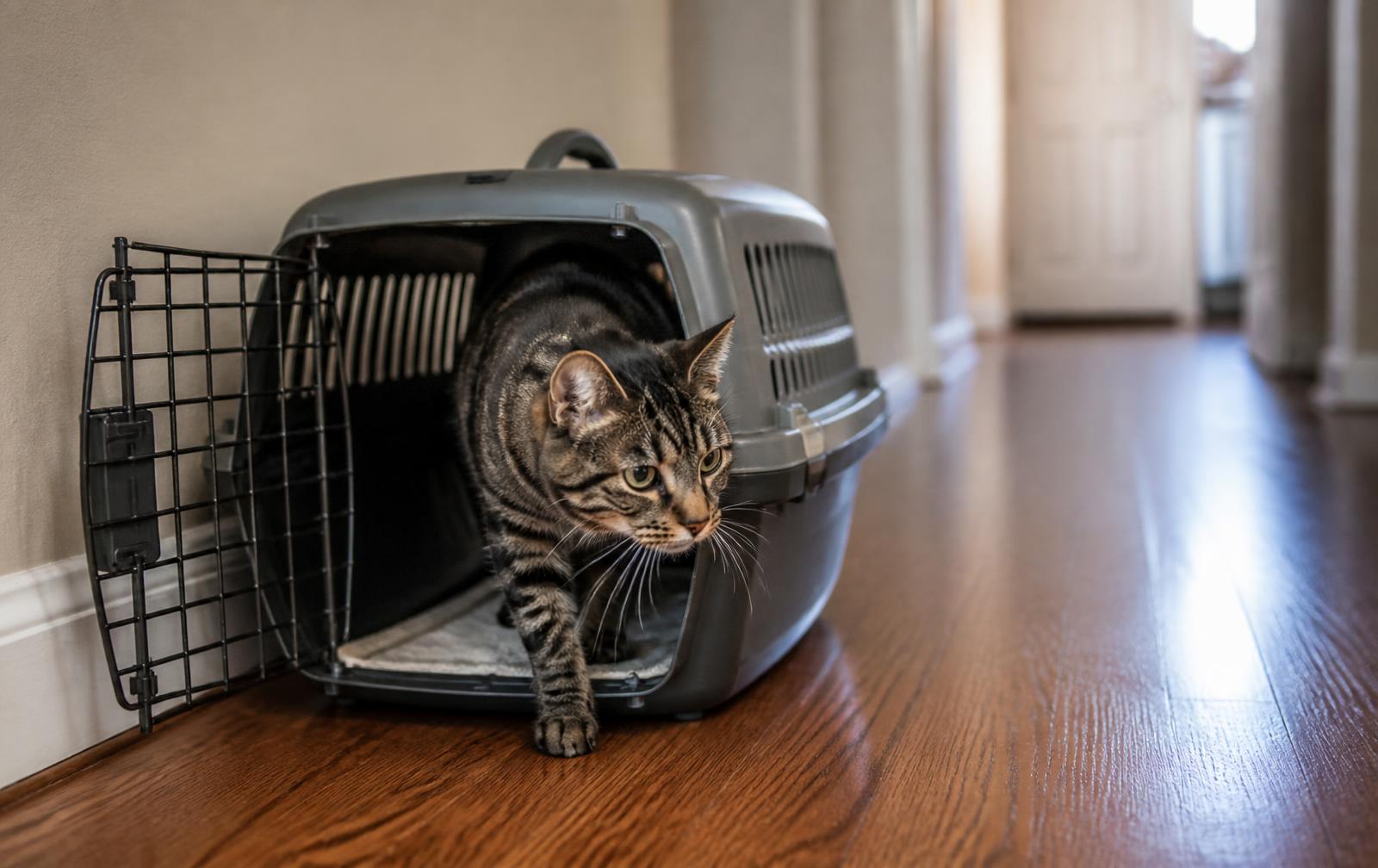
Travel Carriers and Cat Crates: Stress-Free Transport
Choose the right cat carrier or crate and learn practical tips for calmer vet visits, car trips, and moves with your feline companion.
Read more →
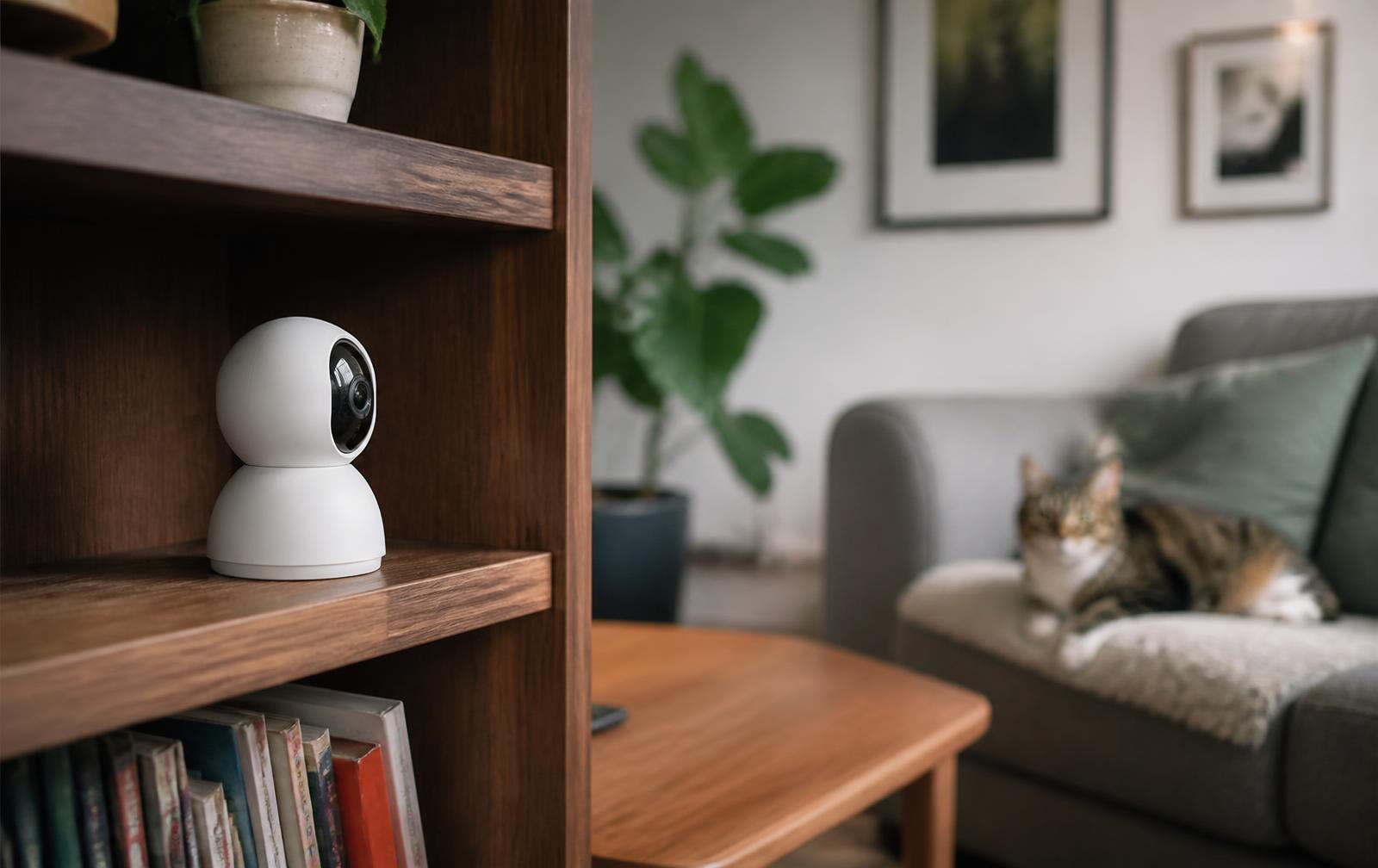
Pet Cameras and Monitoring: Tech for Checking on Your Cat
A practical guide to pet cameras and monitoring systems for cats, covering features, placement, and how to use them without over-worrying.
Read more →
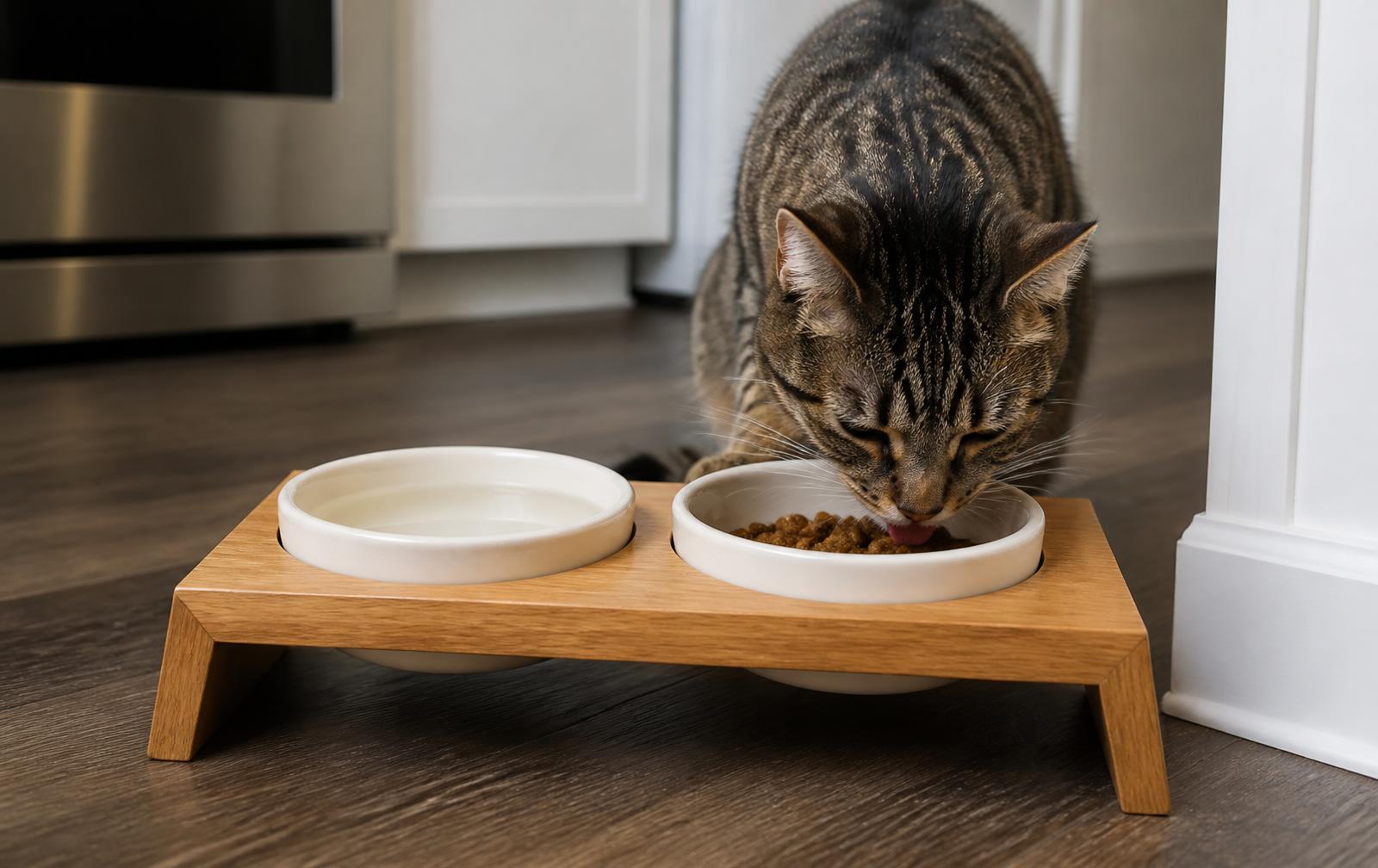
Food and Water Bowls: Material, Design, and Health Considerations
Compare cat food bowls and water bowls by material and design, including stainless steel bowls, to protect whisker health and hygiene.
Read more →