The Complete Guide to Protein Content in Cat Treats
How much protein cat treats should carry, why taurine and amino acids matter for obligate carnivores, and how to read guaranteed analysis on a dry matter basis.
By the Cleos team · 20 July 2026 · 10 min read
As a cat parent in India, you likely spend a significant amount of time scrutinising the nutritional labels of your cat’s main meals, but have you ever considered if your snacks are undoing all that hard work? Many popular treats are packed with carbohydrates and fillers that don't align with a cat's biological needs, leading to weight gain and nutritional gaps.
In short: Cats are obligate carnivores requiring high-protein diets rich in specific amino acids like taurine and arginine; choosing high protein cat treats made from real named meats ensures your cat receives functional nutrition rather than empty calories.
Why Cats Are Obligate Carnivores
To understand the importance of protein in cat treats, we must first look at the evolutionary biology of the domestic cat. Unlike dogs, who are scavenging omnivores and can derive nutrition from plant-based sources, cats are "obligate" or "true" carnivores. This means their bodies are biologically pre-programmed to require nutrients found only in animal flesh.
In the wild, a cat's diet consists almost entirely of small prey—birds, rodents, and insects. These meals are naturally high in protein, moderate in fat, and extremely low in carbohydrates. Their digestive tracts are shorter than those of omnivores, designed to process animal proteins quickly and efficiently. They lack the specific enzymes, such as salivary amylase, required to break down large amounts of starches and sugars.
When we introduce treats that are heavy on corn, wheat, or soy, we are asking the feline body to process ingredients it wasn't built to handle. High-quality Cleos treats focus on this biological necessity by using real chicken and tuna as the primary ingredients.
The Building Blocks: Essential Amino Acids for Cats
Protein is not a single monolithic substance; it is composed of various chains of amino acids. While humans can synthesise many of these internally, cats have a unique list of "essential" amino acids that must be consumed through their diet. If these are missing from their main meals or if their treats are entirely devoid of them, their health can suffer.
Taurine: The Non-Negotiable Nutrient
Taurine is perhaps the most critical amino acid for feline health. While most mammals can manufacture taurine from other amino acids, cats have a very limited ability to do so. A deficiency in taurine can lead to dilated cardiomyopathy (a serious heart condition) and central retinal degeneration, which can result in blindness. Because taurine is found almost exclusively in animal tissues, high protein cat treats derived from real meat naturally provide this essential nutrient.
Arginine: The Ammonia Flush
Arginine is vital for the urea cycle. Cats are extremely sensitive to arginine deficiency; even a single meal lacking this amino acid can lead to high levels of ammonia in the blood, causing lethargy, vomiting, and neurological issues. Animal-based proteins are the most reliable source of arginine.
Methionine and Cysteine
These sulfur-containing amino acids are essential for hair growth, skin health, and the production of glutathione, a major antioxidant. Because cats have a high requirement for sulfur-containing amino acids to produce keratin for their fur, a diet low in these can lead to a dull, brittle coat.
Understanding the Guaranteed Analysis
When you pick up a bag of treats from brands such as Whiskas, Purina Friskies, Sheba, Temptations and Royal Canin, you will see a "Guaranteed Analysis" on the back. This table lists the minimum percentages of crude protein and crude fat, and the maximum percentages of crude fibre and moisture.
However, these numbers can be misleading if you don't account for the water content. This is especially true when comparing dry kibble-style treats to lickable, wet treats like those from Cleos.
How to Calculate Dry Matter Basis (DMB)
To truly understand the protein in cat treats, you must convert the percentages to a "Dry Matter Basis." This removes the water from the equation, allowing for an apples-to-apples comparison.
The Formula:
- Subtract the Moisture percentage from 100 to get the Total Dry Matter.
- Divide the listed Protein percentage by the Total Dry Matter.
- Multiply by 100.
For example, if a lickable treat has 8% crude protein and 90% moisture:
- 100 - 90 = 10 (Total Dry Matter)
- 8 / 10 = 0.8
- 0.8 x 100 = 80% Protein on a dry matter basis.
This shows that what looks like a low number (8%) is actually a very high-protein snack once the water is removed. You can learn more about decoding these labels in our guide on How to Read Cat Food Labels.
| Ingredient Component | As-Fed (Example) | Dry Matter Basis |
|---|---|---|
| Crude Protein | 9.0% | 60.0% |
| Crude Fat | 2.0% | 13.3% |
| Moisture | 85.0% | 0% |
| Crude Fibre | 0.5% | 3.3% |
The Role of Vitamins and Antioxidants in Protein Utilisation
Protein doesn't work in a vacuum. To properly metabolise amino acids for cats, the body requires supporting nutrients. Vitamin E, for instance, acts as a powerful antioxidant that protects cell membranes from oxidative damage, which is particularly important when feeding a diet high in polyunsaturated fats (often found in fish-based proteins like tuna).
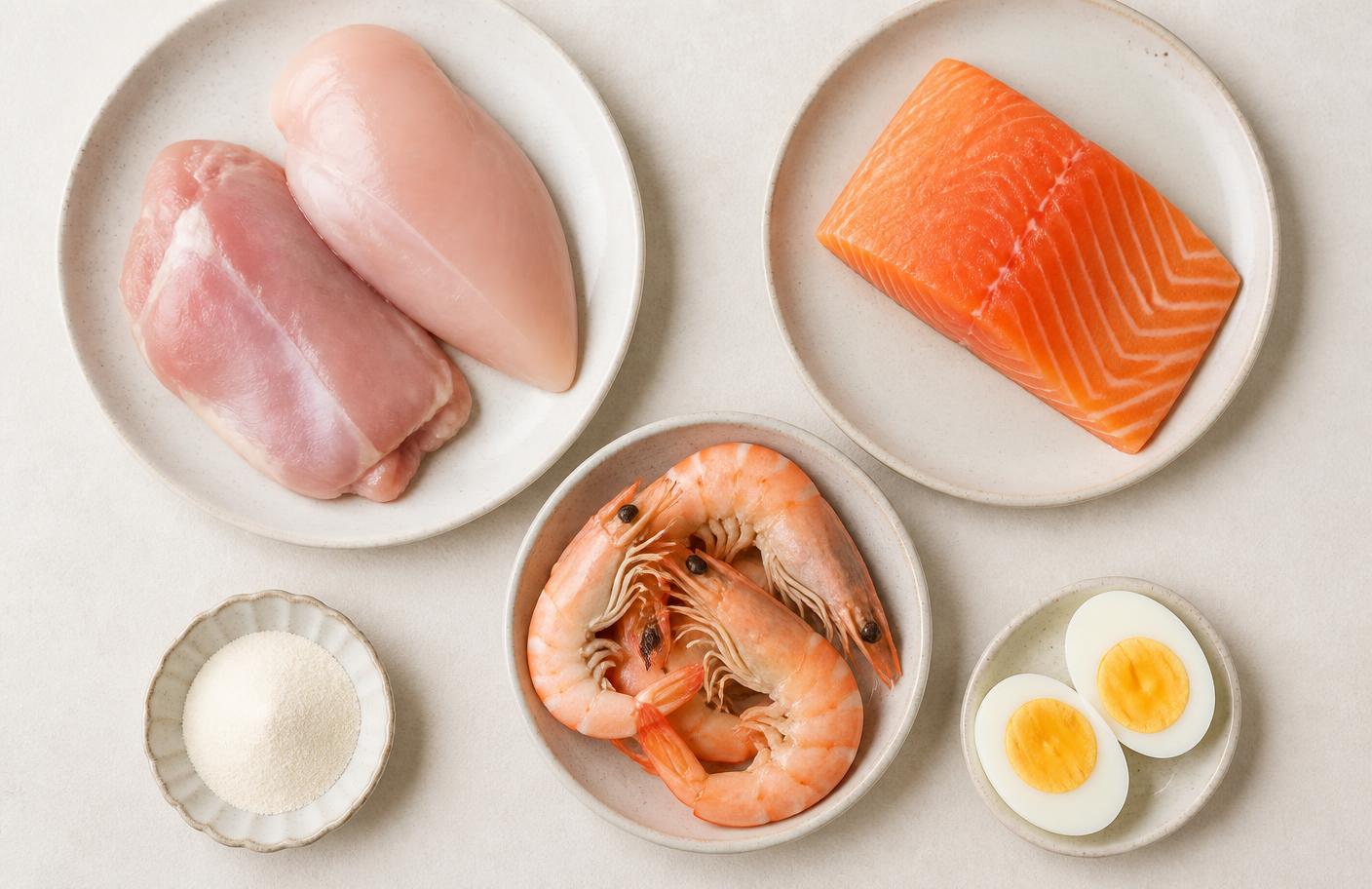
When selecting treats, look for those that use natural preservatives and added vitamins to support the metabolic process. Avoiding synthetic chemicals is crucial for long-term health, as discussed in our Complete Safety Checklist for Harmful Ingredients.
The 10% Treat Rule
No matter how high the quality of the treat, it should never replace a balanced meal. The clinical consensus among veterinary organisations, such as the American Veterinary Medical Association (AVMA), is that treats should make up no more than 10% of a cat’s total daily caloric intake.
Exceeding this 10% threshold can lead to:
- Nutritional Imbalance: Even high protein cat treats may not contain the full spectrum of vitamins and minerals required for daily maintenance if they are not labelled as "complete and balanced."
- Obesity: Calories from treats add up quickly.
- Fussy Eating: Cats may begin to reject their nutritionally complete kibble or wet food in favour of the more palatable treats.
For a standard 4kg indoor cat, the daily caloric requirement is roughly 200-240 calories. This means only 20-24 calories should come from treats. Lickable treats are often preferred by parents because they offer high hydration and intense flavour with fewer calories per gram compared to dense, biscuit-style snacks. You can read more about why this texture is so appealing in our article on Why Cats Love Lickable Treats.
Join the Cleos Waitlist: We believe treats should be as nutritious as they are delicious. Our recipes use real tuna and chicken with zero fillers. Sign up now to be the first to know when we launch in India: Join the Waitlist
Real Protein vs. Meat Meals and Fillers
Not all protein in cat treats is created equal. The source of the protein significantly impacts its bioavailability—how much of the protein the cat's body can actually use.
The Problem with "Meat Meal"
Many commercial treats use "poultry meal" or "fish meal." These are rendered products made by cooking animal tissues at high temperatures, drying them, and grinding them into a powder. While high in protein, the intense processing can degrade sensitive amino acids. Furthermore, "meat meal" is an anonymous term; it doesn't tell you which animal it came from.
The Benefit of Named Ingredients
Look for "Real Chicken," "Real Tuna," or "Shrimp." These are named ingredients that imply the use of whole muscle meat or organs rather than industrial by-products. Named ingredients are generally more digestible and palatable for cats. For a deeper dive into this, check out our piece on Named Ingredients vs. Mystery Meat.
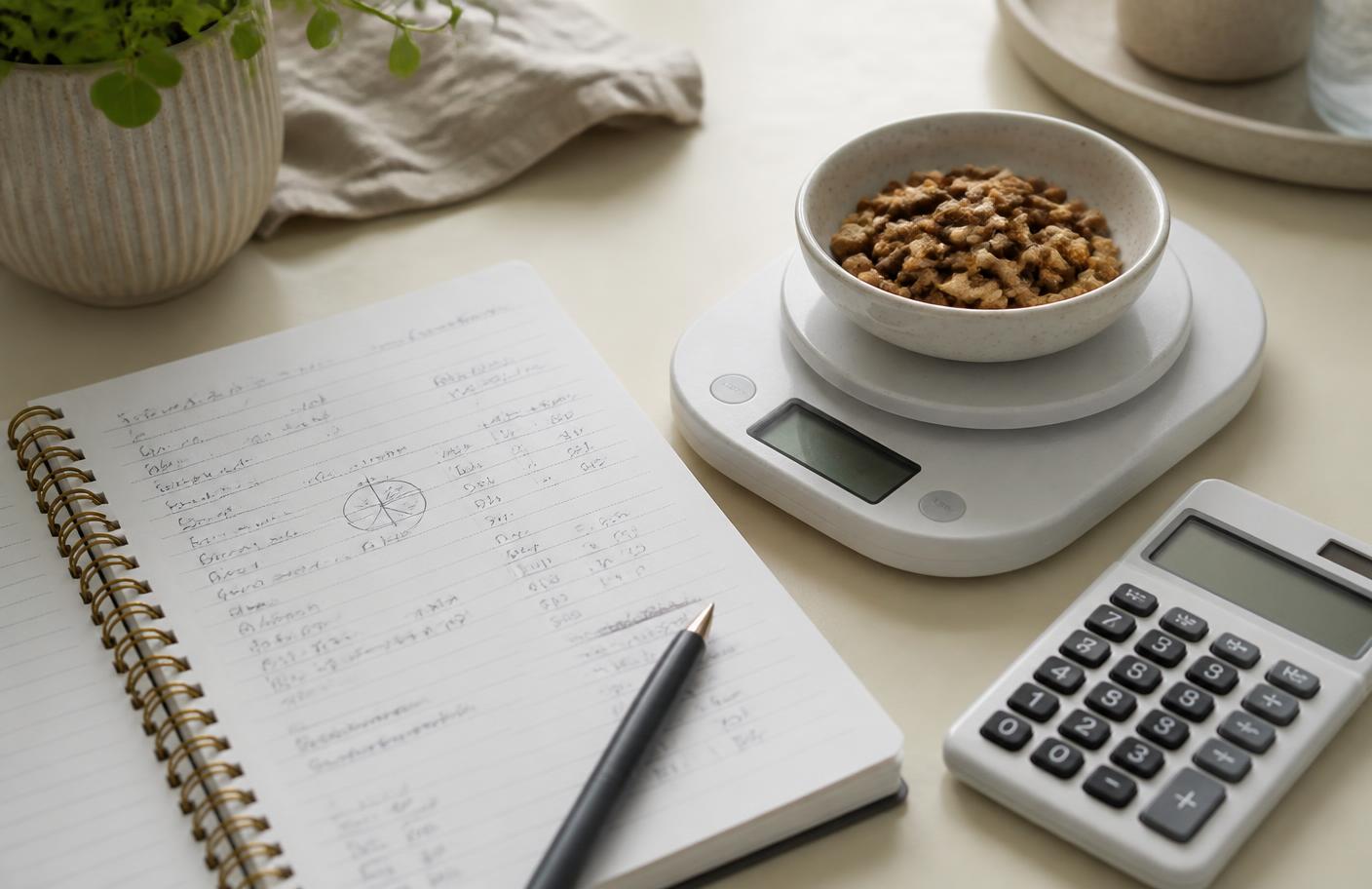
Identifying Fillers
Fillers are ingredients added to pet food to provide bulk at a lower cost, often providing little to no nutritional value for a carnivore. Common fillers include:
- Corn gluten meal
- Wheat flour
- Rice bran
- Soybean hulls
These are often used to artificially inflate the protein percentage on the label, but because they are plant-based, they lack the specific amino acids for cats like taurine. You can learn more about these in our article on Fillers in Premium Cat Treats.
How Much Protein Should a Treat Carry?
While there is no legal minimum for treat protein content (as they are not intended to be a sole source of nutrition), a high-quality treat should ideally reflect the cat's natural dietary proportions.
For a lickable treat, you should look for a crude protein minimum of at least 6-9% on an as-fed basis. For dry treats, this should be upwards of 25-30%. If the first three ingredients are grains or starches, the protein content is likely insufficient for a cat's needs.
Higher protein levels in treats are particularly beneficial for:
- Senior Cats: Older cats often have a decreased ability to digest protein and may require higher quality sources to maintain muscle mass.
- Kittens: Growing cats need massive amounts of protein for tissue development.
- Weight Management: Protein is more satiating than carbohydrates, helping cats feel full without the insulin spikes associated with sugary fillers.
For more information on selecting treats for cats with specific needs, visit our guide on Best Cat Treat Ingredients for Sensitive Stomachs.
The Importance of Hydration in High Protein Snacking
Protein metabolism produces nitrogenous waste, which the kidneys must filter and excrete via urine. This process requires adequate water. Since cats naturally have a low thirst drive (evolving from desert-dwelling ancestors who got their moisture from prey), feeding dry, high-protein treats can sometimes put a strain on the renal system if the cat isn't drinking enough.
This is why lickable treats have become a favourite among modern cat parents. They provide the high protein cat treats desire while simultaneously boosting moisture intake. This helps maintain urinary tract health and kidney function, a topic widely discussed by authorities like International Cat Care.
Summary of Best Practices for Cat Parents
Choosing the right treat involves more than just looking at the front of the pack. To ensure your cat is getting the best nutrition:
- Prioritise Named Meats: Ensure the first ingredient is a specific animal like Chicken or Tuna.
- Check for Taurine: Ensure the snack supports heart and eye health.
- Avoid Fillers: If you see corn, wheat, or soy in the top ingredients, keep looking.
- Watch the Calories: Keep treats to 10% of the daily total.
- Consider Texture: Lickable treats offer hydration that dry kibble snacks cannot.
For a comprehensive list of what to avoid, read our guide on What Are the Worst Cat Food Ingredients?.
Ready to upgrade your cat's snack game? Cleos is bringing high-protein, moisture-rich, real-meat treats to India. No fillers, no mystery meat—just pure goodness. [Join our waitlist today](/ #waitlist) to get exclusive early access and launch offers.
Frequently Asked Questions
Can my cat get too much protein from treats?
It is very difficult for a healthy cat to consume "too much" protein, as their bodies are designed to use it as a primary energy source. However, if your cat has pre-existing kidney disease, your vet might recommend a protein-restricted diet. For healthy cats, the main concern isn't the protein itself, but the total calories and the balance of minerals.
Why is taurine often missing from cheap cat treats?
Taurine is found in high concentrations in animal muscle and organ meat. Cheap treats often use plant-based fillers or high amounts of cereals to reduce costs. Since plants do not contain taurine, these treats offer no benefit for a cat's heart or vision health. Always look for treats that list real meat as the primary ingredient.
Is "crude protein" the same as "digestible protein"?
No. "Crude protein" is a chemical measurement of the nitrogen content in the food, which is then used to estimate protein levels. It doesn't tell you where the protein came from or how easily your cat can digest it. A treat made with feathers would have high crude protein but very low digestibility compared to a treat made with real chicken.
Are lickable treats better than dry treats for protein delivery?
Lickable treats aren't necessarily higher in protein than dry treats when compared on a dry matter basis, but they are often more palatable and offer the added benefit of hydration. Because they are made with real meat purees, the protein is usually highly bioavailable and easier for the cat to process than highly processed dry biscuits.
How do I know if a treat has too many fillers?
Check the ingredient list for terms like "cereals," "meat by-products," "corn gluten meal," or "vegetable protein extracts." If these appear before the named meat ingredient, the treat is likely high in fillers. High-quality treats will list a specific meat (like Tuna or Chicken) as the very first item on the label.
Should I worry about the salt content in high protein treats?
While cats do need a small amount of sodium for bodily functions, excessive salt is unnecessary and can be harmful to cats with heart or kidney issues. High-quality treats rely on the natural savoury flavour of meat (umami) rather than added salts or artificial flavour enhancers to attract the cat's interest.
Keep Cleos close
Get more Cleos stories on Google
Add Cleos as a preferred source to make our cat care guides easier to find in Google.
Add to Preferred SourcesFound this useful? Share it
Treats worth reading the label for.
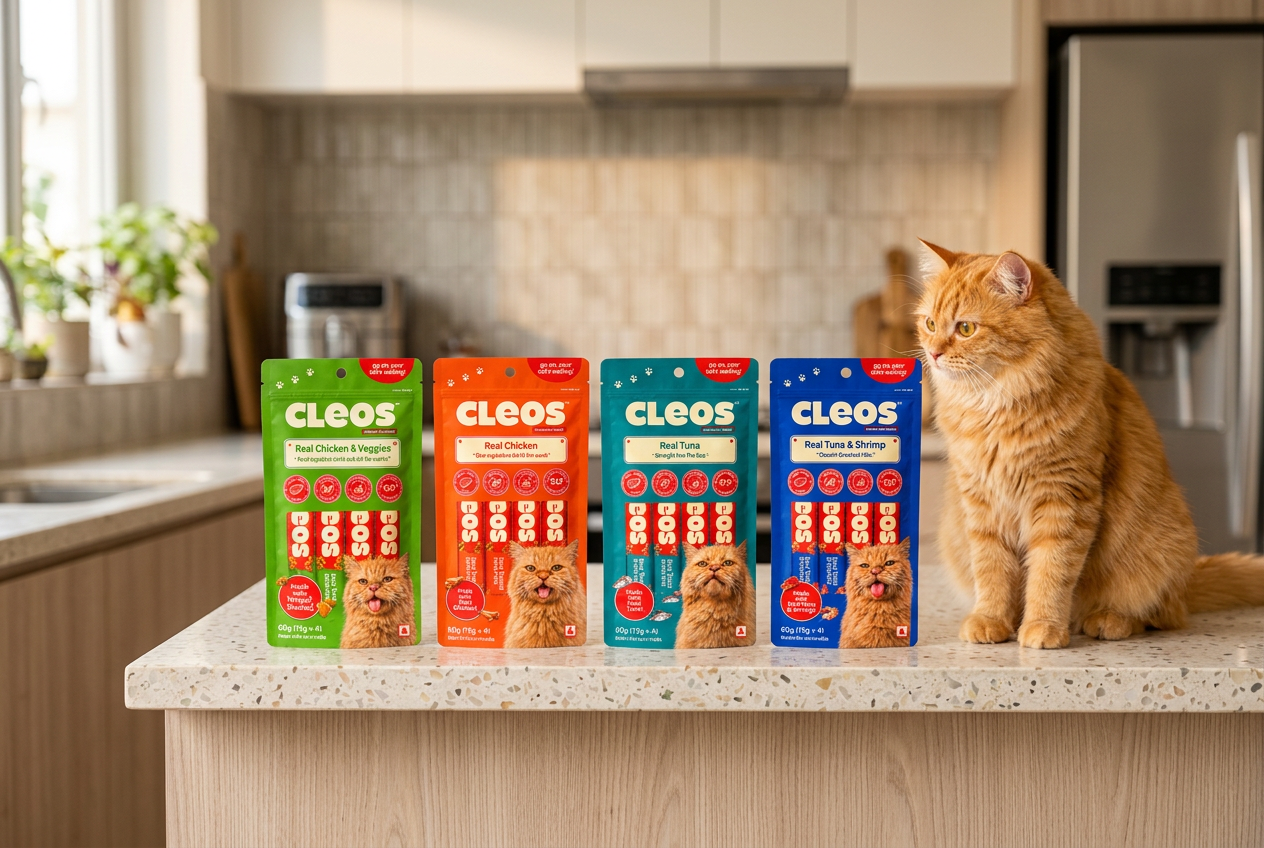
Cleos lickable treats are built on real, named ingredients — Real Chicken, Real Tuna, Tuna & Shrimp and Chicken & Veggies — with zero artificial fillers.
Join the Cleos waitlistKeep reading
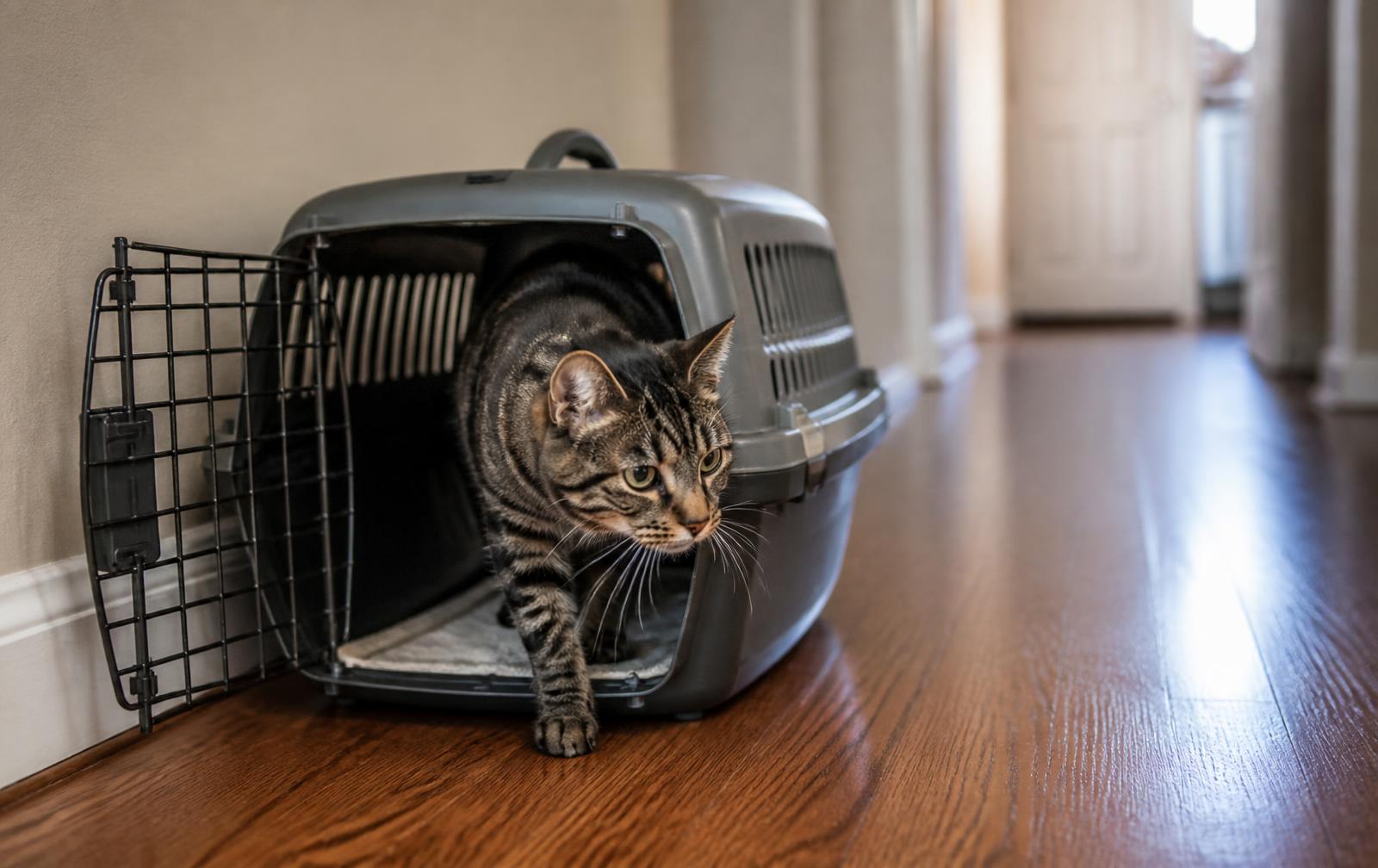
Travel Carriers and Cat Crates: Stress-Free Transport
Choose the right cat carrier or crate and learn practical tips for calmer vet visits, car trips, and moves with your feline companion.
Read more →
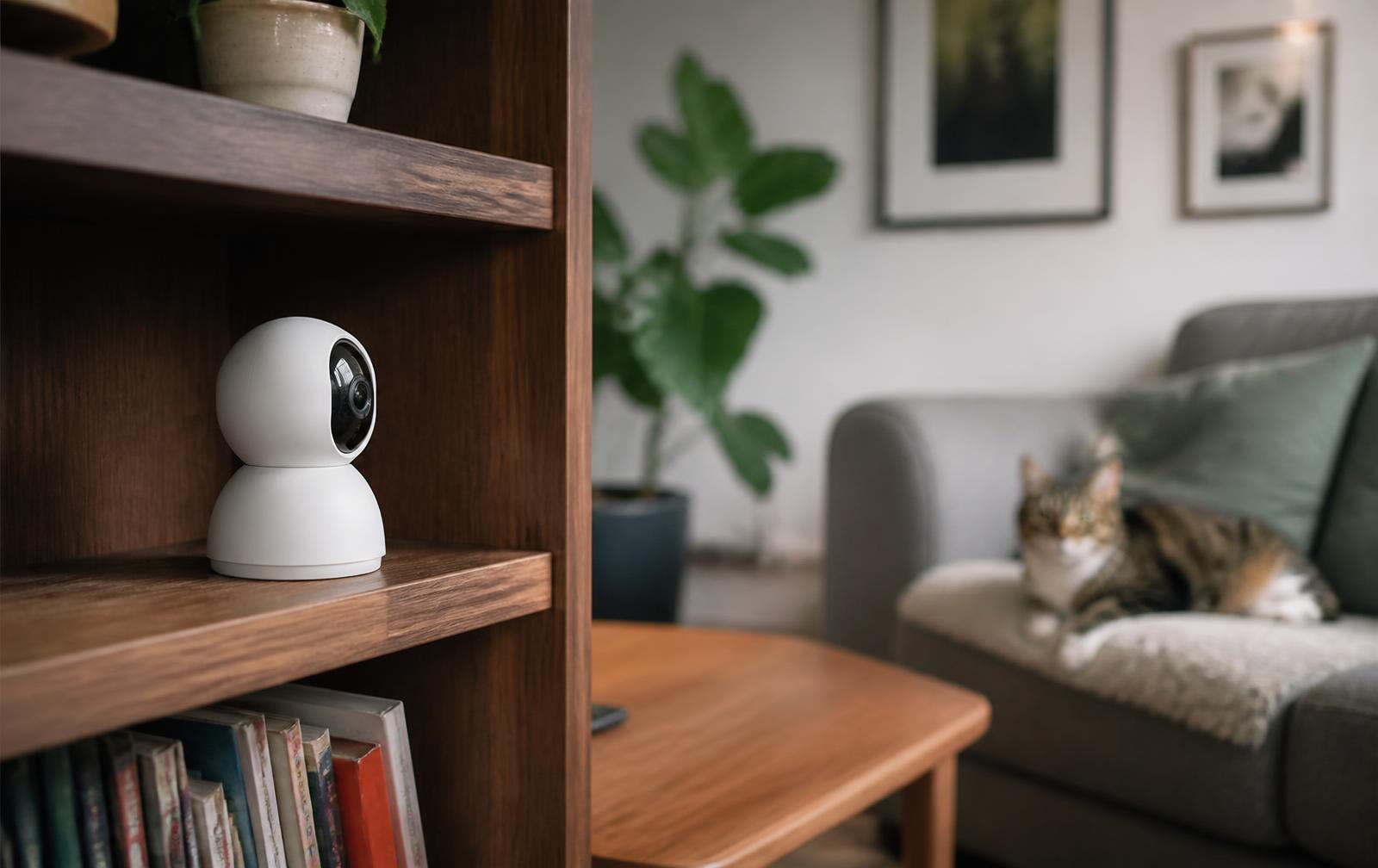
Pet Cameras and Monitoring: Tech for Checking on Your Cat
A practical guide to pet cameras and monitoring systems for cats, covering features, placement, and how to use them without over-worrying.
Read more →
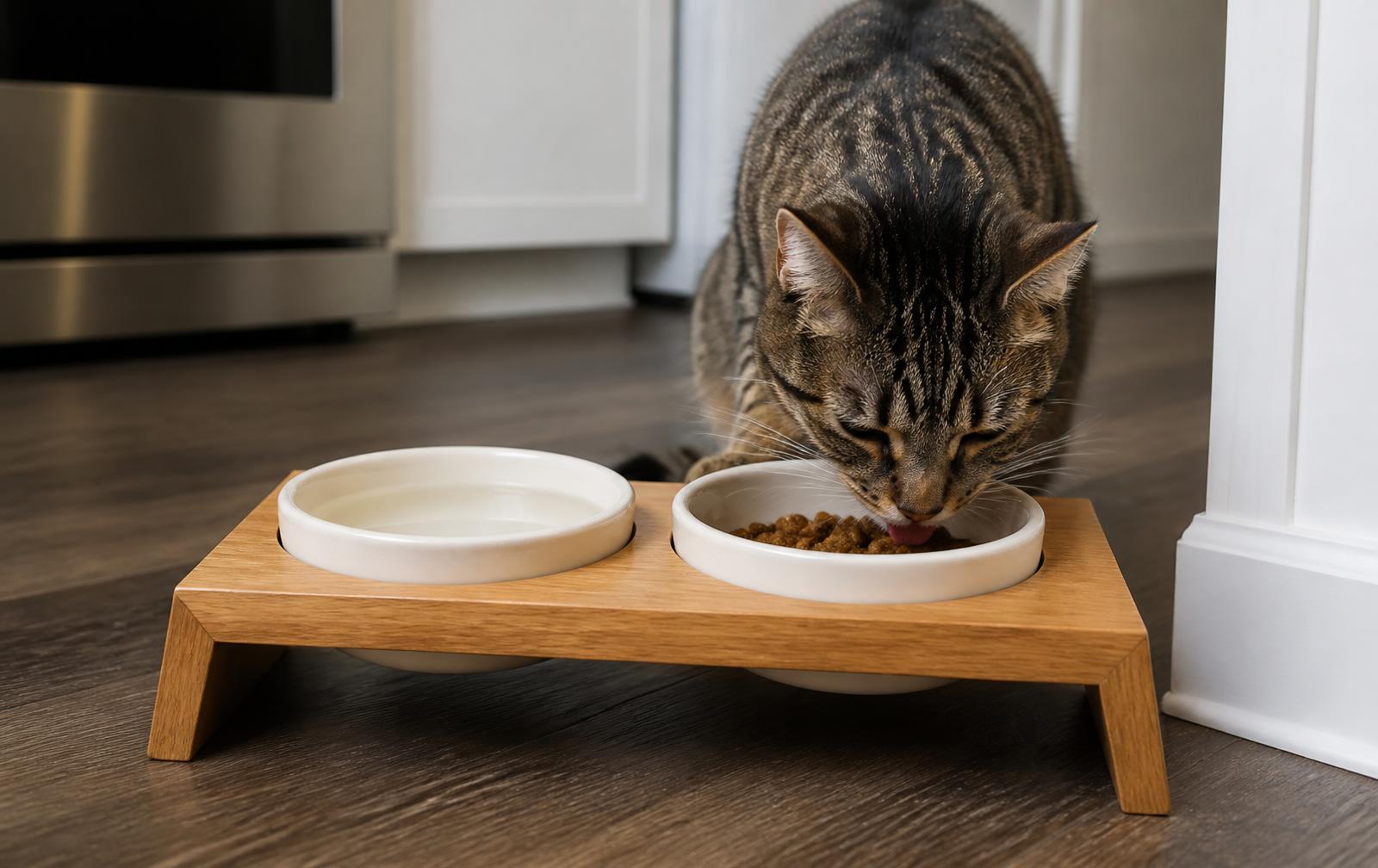
Food and Water Bowls: Material, Design, and Health Considerations
Compare cat food bowls and water bowls by material and design, including stainless steel bowls, to protect whisker health and hygiene.
Read more →