Real Protein vs Meat Meal in Cat Treats: What Your Cat Actually Tastes
Real named meat or rendered meat meal? How the two differ in aroma, digestibility and taste — and what that means for the treats your cat actually enjoys.
By the Cleos team · 13 July 2026 · 9 min read
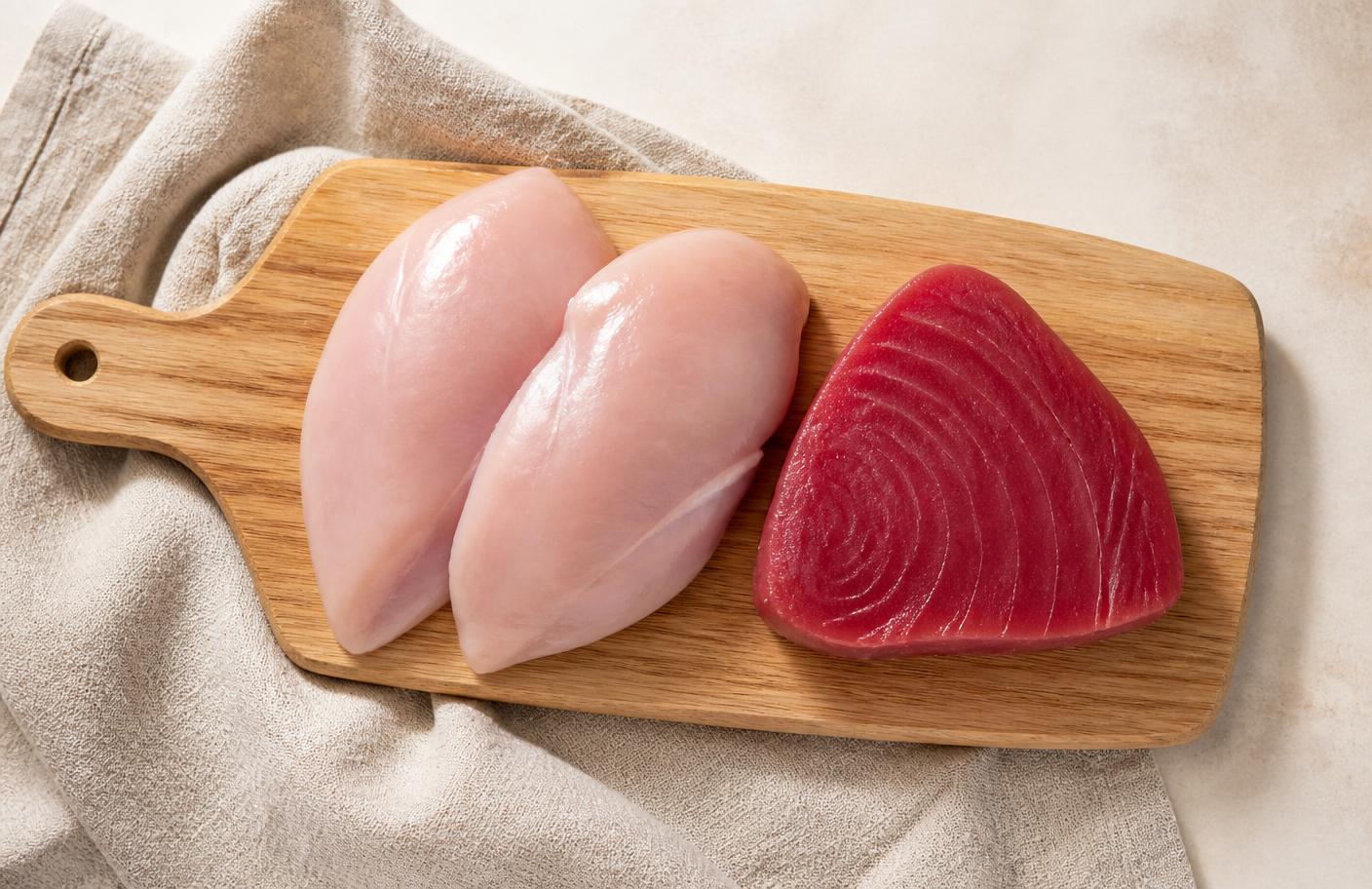
As a cat parent in India, you have likely spent time squinting at the fine print on the back of a treat pouch, wondering why some brands list "Real Chicken" while others lead with "Poultry Meal." Deciphering these terms is more than just an academic exercise; it directly affects the nutritional value, digestibility, and pure enjoyment your cat gets from every bite.
In short: Real named proteins provide higher bioavailability, superior moisture, and more potent natural aromas compared to rendered meat meals, which are highly processed powders often lacking the specific amino acid profiles and hydration benefits cats need.
Pet Food Labels Decoded: Understanding the Terminology
When you look at quality cat treats, the first three ingredients tell most of the story. The regulatory landscape, guided globally by organizations like AAFCO, requires ingredients to be listed in descending order by weight. However, weight can be deceptive due to water content.
What is "Real Meat"?
In the context of pet food labels decoded, "Real Chicken" or "Real Tuna" refers to the clean flesh of the animal. This includes the striated muscle, which is rich in essential amino acids like taurine—a non-negotiable requirement for feline heart and eye health. Because it hasn't been pre-processed into a powder, it retains its natural cellular structure and moisture.
What is "Meat Meal"?
Meat meal is the result of a process called rendering. According to the FDA, rendering involves cooking animal tissues at high temperatures to separate the fat from the protein and bone. The resulting product is a dry, brown powder. While it is concentrated in protein, the high-heat processing can alter the chemical structure of the proteins, potentially making them harder for a cat's sensitive digestive system to break down.
The Problem with "Generic" Proteins
One of the biggest red flags in cat treats is the lack of a "named" source. Terms like "meat meal," "poultry meal," or "animal by-products" are vague. They don't tell you if the protein came from a cow, a chicken, or a pig. For cats with allergies, this ambiguity is dangerous. At Cleos, we believe in transparency, which is why you will only find named proteins like Real Tuna or Real Chicken in our recipes.
The Rendering Process: How Meat Becomes Meal
To understand why real meat is superior, one must understand how meat meal is made. Rendering is essentially an industrial-scale stewing process. Large vats of animal parts are heated to temperatures between 115°C and 145°C. This intense heat serves two purposes: it kills pathogens and it melts away the fat.
While this makes the meal shelf-stable and easy to transport, the nutritional cost is high. High heat can lead to the "Maillard reaction," where proteins and sugars bond, creating compounds that may be less digestible. Furthermore, because the source material for generic "meat meal" can be inconsistent, the nutrient profile varies from batch to batch.
In contrast, using real, named protein cat treats ensures that the ingredient goes through minimal processing before it reaches the pouch. This preserves the integrity of the vitamins and minerals naturally found in the meat. You can read more about this in our guide on named ingredients vs mystery meat.
The Moisture Maths: Why "Dry" Isn't Always Better
One of the most common arguments in favor of meat meal is that it is "concentrated protein" because the water has been removed. On paper, a treat with 30% meat meal might look higher in protein than one with 30% real chicken. However, this is a misunderstanding of feline biology.
Cats evolved from desert dwellers and have a low thirst drive. They are designed to get their hydration from their prey. Real meat is approximately 75% water. When you use real meat in a lickable treat, you are providing "biological moisture"—water that is naturally structured within the protein.
| Feature | Real Meat (Chicken/Tuna) | Meat Meal / By-product Meal |
|---|---|---|
| Moisture Content | High (Natural hydration) | Low (Dry powder) |
| Processing | Minimal (Gentle cooking) | Intense (High-heat rendering) |
| Digestibility | Very High | Variable to Low |
| Aroma | Natural & Potent | Muted (often requires additives) |
| Transparency | Specific (Named source) | Often Vague (Generic "meat") |
Lickable treats made with real meat help bridge the hydration gap, supporting kidney function and urinary tract health. If you are interested in the specific percentages, check out The Complete Guide to Protein Content in Cat Treats.
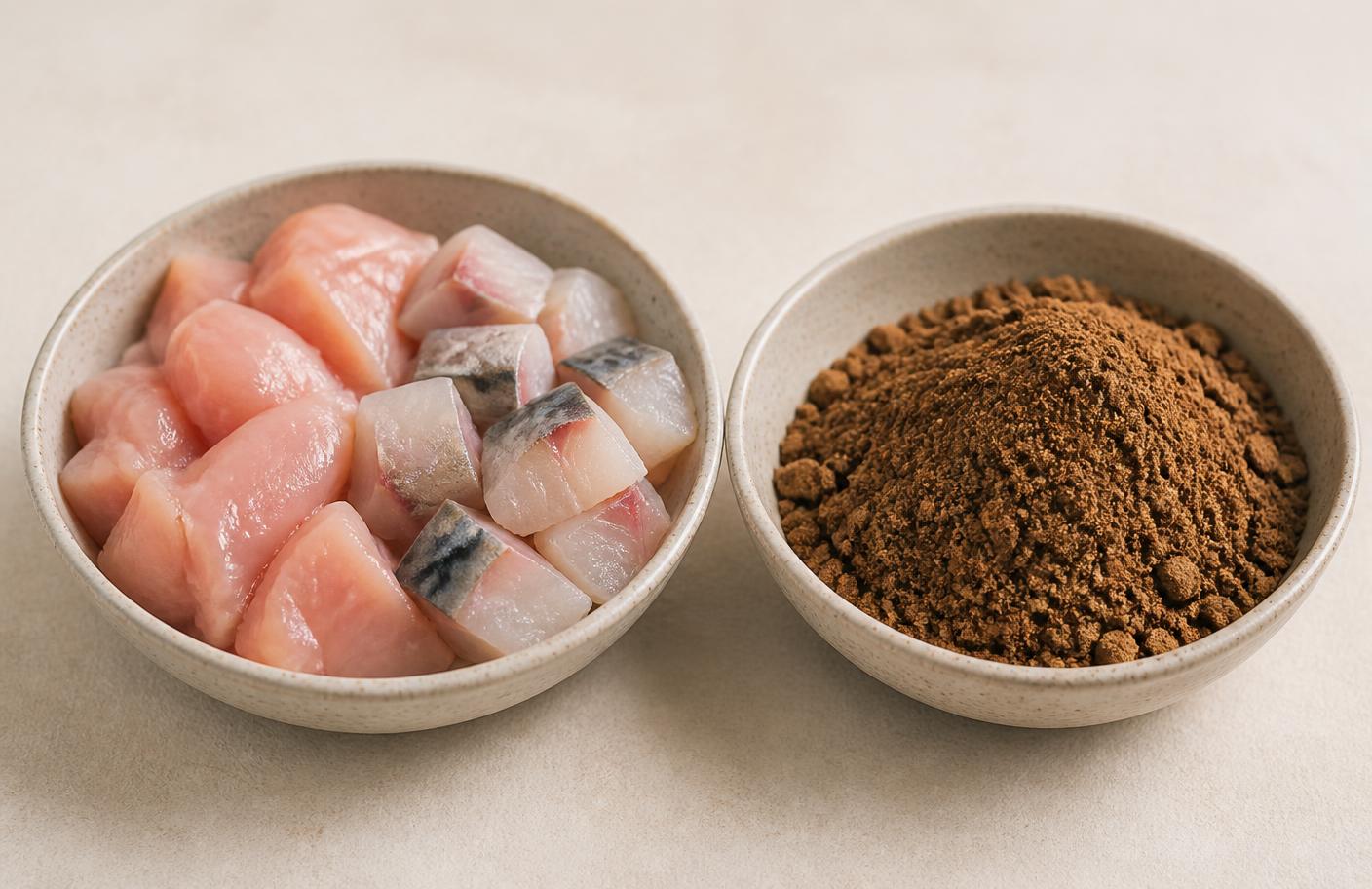
Palatability and Aroma Volatiles: What Your Cat Actually Tastes
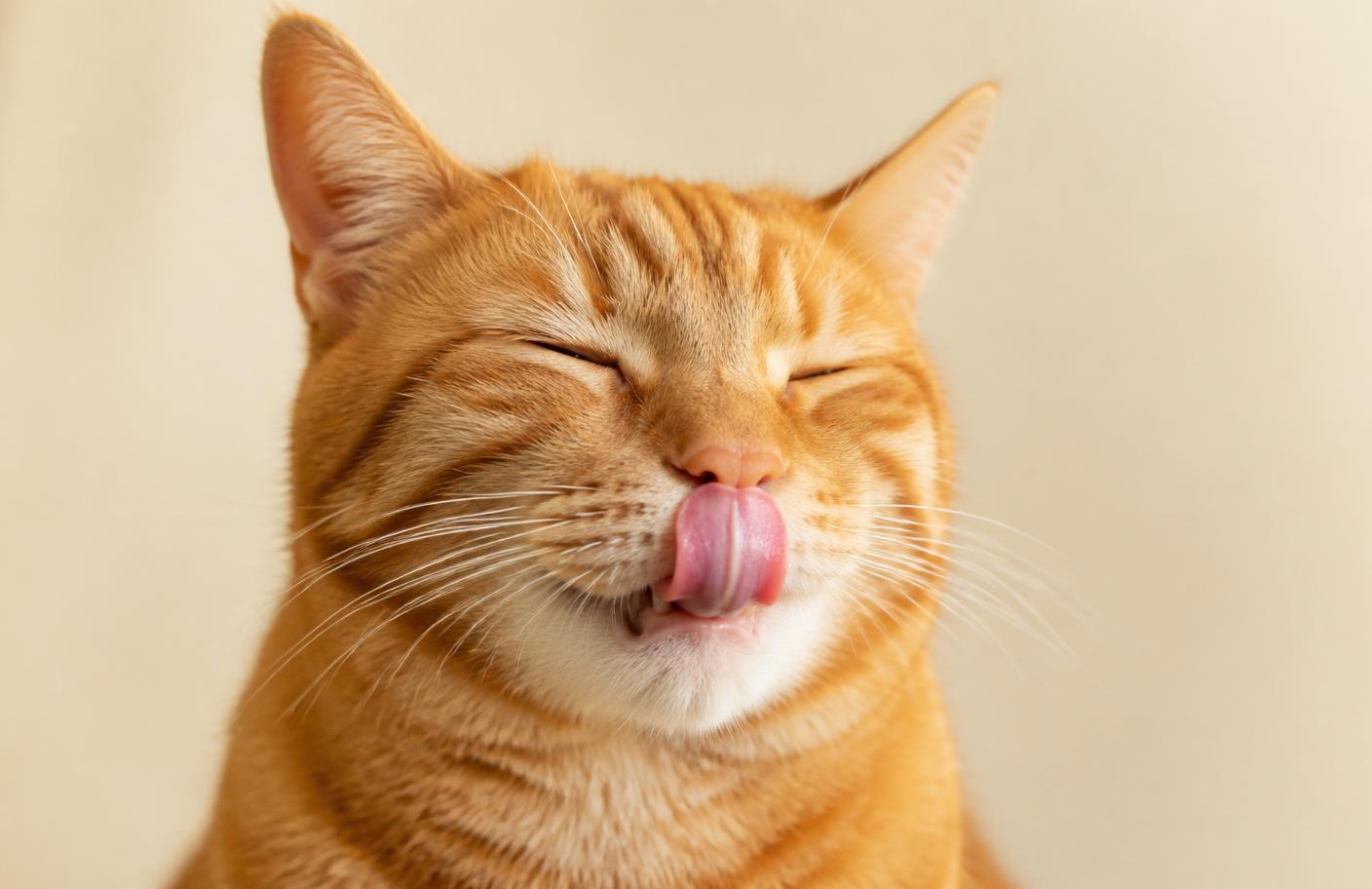
Cats are famous for being "fussy," but science tells us they are actually "sensory specialists." A cat has roughly 470 taste buds (compared to a human's 9,000), but their sense of smell is 14 times stronger than ours. They don't just "taste" food; they "smell-taste" it through aroma volatiles.
The Freshness Factor
Real meat contains natural fats and juices that release volatile organic compounds when opened. These are the scents that tell a cat, "This is fresh prey." When meat is rendered into meal, many of these delicate aroma compounds are destroyed by heat. To compensate, some manufacturers of standard treats may add artificial "palatants" or animal digests to make the dry powder appealing to cats.
The Texture Advantage
Texture plays a massive role in a cat's enjoyment. Lickable treats made from real meat have a smooth, fibrous consistency that mimics the feeling of groomed fur or fresh prey. Meat meal, when reconstituted with thickeners, often feels "grainy" or "pasty" to a cat. Understanding why cats love lickable treats helps us realize that the mouthfeel of real protein is irreplaceable.
Join the Cleos Waitlist: We are bringing high-protein, real-meat lickable treats to India. Don't let your cat settle for mystery powders. Join our exclusive waitlist here to be the first to know when we launch!
Digestibility: The Bioavailability Gap
Bioavailability refers to how much of the protein your cat actually absorbs into their bloodstream versus how much passes through as waste.
Proteins are made of amino acids. Cats require 11 essential amino acids that their bodies cannot produce on their own. Real meat, especially "named" sources like tuna or shrimp, provides these in a highly bioavailable form. The VCA Animal Hospitals notes that high-quality animal proteins are the most digestible for obligate carnivores.
When meat meal is used, the protein quality can be degraded. If the meal contains high amounts of bone or connective tissue (common in "by-product meals"), the protein percentage might look high on the lab report, but the cat's body cannot effectively use it. This often results in larger, smellier stools and less energy for the cat. For those with cats prone to upsets, choosing the best cat treat ingredients for sensitive stomachs is crucial, and that almost always starts with real, non-rendered meat.
Real Meat vs Meat Meal: The Ingredient Checklist
When you are scanning the shelves or browsing online for quality cat treats, keep this checklist in mind to ensure you are getting real meat vs meat meal:
- Does it name the animal? Look for "Chicken" or "Tuna," not "Meat" or "Poultry."
- Is it the first ingredient? The primary protein should always be at the top.
- Are there hidden fillers? Watch out for corn, soy, or wheat which are often used to bulk up treats made with meat meal. You can learn more about this in our article on fillers in premium cat treats.
- Is the moisture content high? For lickable treats, a high moisture content (usually above 80%) indicates the use of real meat and broth rather than just water and powders.
In the Indian market, brands such as Whiskas, Purina Friskies, Sheba, Temptations and Royal Canin all sell cat treats in India, offering a variety of textures including dry kibble-style treats and wet sachets. As a discerning cat parent, your job is to decode the labels of any brand you choose to ensure the protein source aligns with your cat's needs as an obligate carnivore.
Why Cleos Chooses Real Protein
At Cleos, our formulation principles are centered on the biological needs of the cat. We understand that in India, many cats struggle with dehydration and protein deficiency due to diets heavy in carbohydrates.
Our lickable treats are crafted using:
- Real Tuna & Real Chicken: No generic "meat" or "poultry."
- No Artificial Fillers: We avoid the thickeners and starches that often hide the low quality of meat meals.
- Vet-Reviewed Formulation Principles: Ensuring the balance of nutrients is safe and beneficial for daily treating.
By choosing real meat, we ensure that the treat isn't just a "snack," but a functional part of your cat's health regimen. We avoid the harmful additives often found in mass-market options—read our Harmful Ingredients to Avoid in Cat Food for a full safety checklist.
Summary: The Real Meat Difference
To wrap up, while meat meal provides a cost-effective way to add protein to pet food, it falls short in the categories that matter most to your cat: taste, aroma, hydration, and digestibility. Real meat is the gold standard for a reason. It respects the cat's evolutionary biology and provides the sensory satisfaction they crave.
By learning how to decode pet food labels, you empower yourself to make better choices at the pet store. Your cat might not be able to read the label, but they can certainly taste the difference.
For more insights into feline nutrition and tips on keeping your kitty healthy, visit the Cleos blog hub.
Give Your Cat the Best of Real Protein: Cleos is coming soon to India with a range of treats that put real meat first. No fillers, no renders, just pure protein. Sign up for our waitlist today and get early access to our launch offers!
Frequently Asked Questions
Is meat meal always bad for cats?
Not necessarily "bad," but it is lower in quality compared to real meat. Meat meal is a highly processed, rendered product that can vary in digestibility. While it provides protein, it lacks the natural moisture and aroma volatiles found in real, named meat sources. For treats, where palatability is key, real meat is always the superior choice.
Why do some brands use meat meal instead of real meat?
The primary reason is cost and shelf stability. Meat meal is significantly cheaper to produce, transport, and store because it is a dry powder with the water and fat removed. It allows manufacturers to keep treat prices low, but it often requires the addition of artificial flavors and thickeners to appeal to cats.
How can I tell if a treat uses real meat?
Look at the ingredient list on the back of the pouch. The first ingredient should be a specific animal, such as "Chicken," "Tuna," or "Salmon." If the label says "Meat Meal," "Poultry Meal," or "Animal By-product Meal," the treat is made from rendered, processed powders rather than fresh muscle meat.
Does real meat in treats provide enough hydration?
While treats should not be the sole source of water, lickable treats made with real meat have a high moisture content (often 80-90%). This provides essential "biological moisture" that helps support a cat's kidney and urinary tract health, which is especially important for cats in warm climates like India.
Can meat meal cause allergies in cats?
Generic meat meal is a common trigger for food sensitivities because the source of the protein is often "unnamed." A cat might be allergic to beef but fine with chicken; if a treat uses "meat meal," it could contain either (or both). Using treats with named real proteins allows you to control exactly what your cat is eating.
Is "Chicken Meal" better than "Meat Meal"?
"Chicken Meal" is slightly better because it is a "named" protein, meaning you know the species it came from. However, it is still a rendered, high-heat processed powder. "Real Chicken" remains the gold standard because it is not rendered and retains its natural nutritional integrity and moisture.
Keep Cleos close
Get more Cleos stories on Google
Add Cleos as a preferred source to make our cat care guides easier to find in Google.
Add to Preferred SourcesFound this useful? Share it
Treats worth reading the label for.
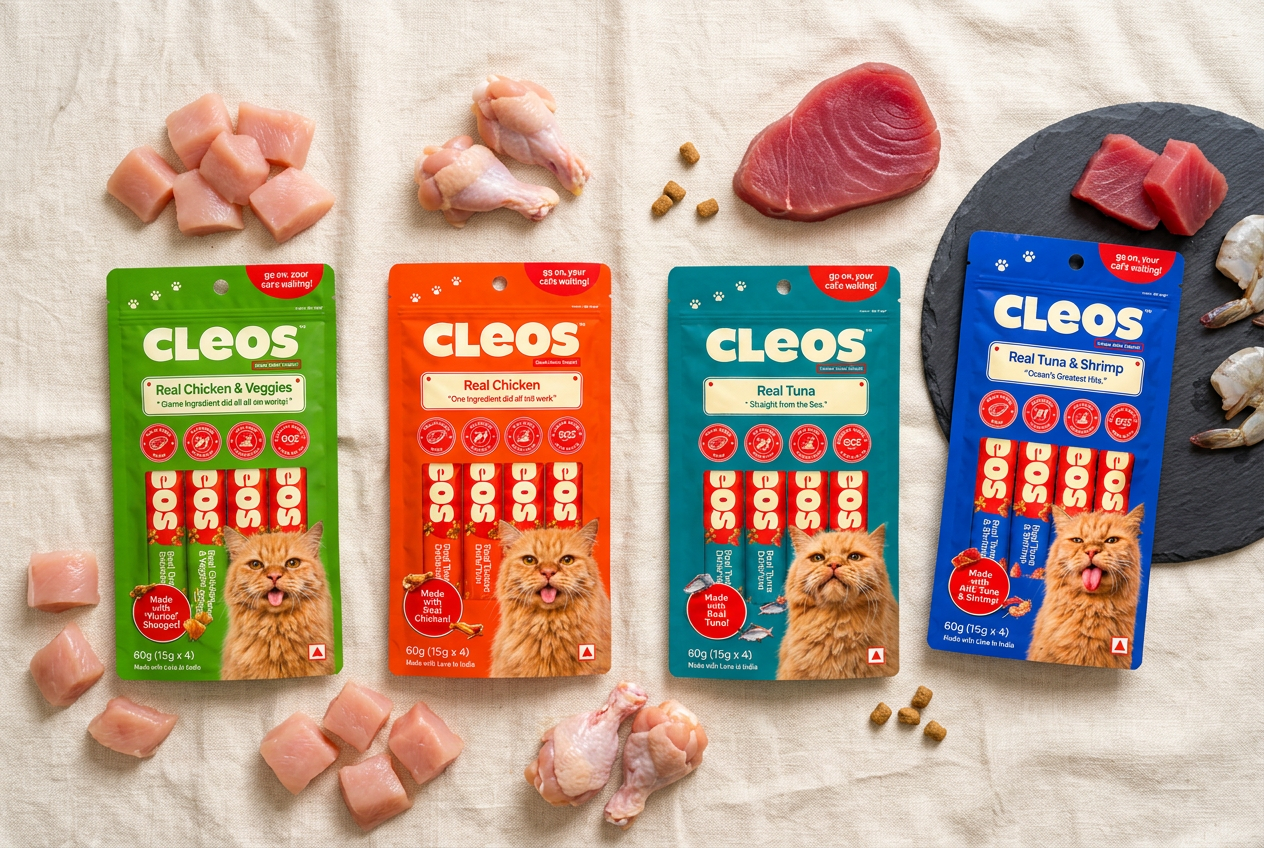
Cleos lickable treats are built on real, named ingredients — Real Chicken, Real Tuna, Tuna & Shrimp and Chicken & Veggies — with zero artificial fillers.
Join the Cleos waitlistKeep reading
Travel Carriers and Cat Crates: Stress-Free Transport
Choose the right cat carrier or crate and learn practical tips for calmer vet visits, car trips, and moves with your feline companion.
Read more →
Pet Cameras and Monitoring: Tech for Checking on Your Cat
A practical guide to pet cameras and monitoring systems for cats, covering features, placement, and how to use them without over-worrying.
Read more →
Food and Water Bowls: Material, Design, and Health Considerations
Compare cat food bowls and water bowls by material and design, including stainless steel bowls, to protect whisker health and hygiene.
Read more →