Destructive Scratching: How to Redirect This Natural Behaviour
Stop cat scratching furniture for good — learn how to redirect scratching with posts, training and rewards that actually work.
By the Cleos team · 22 February 2027 · 6 min read
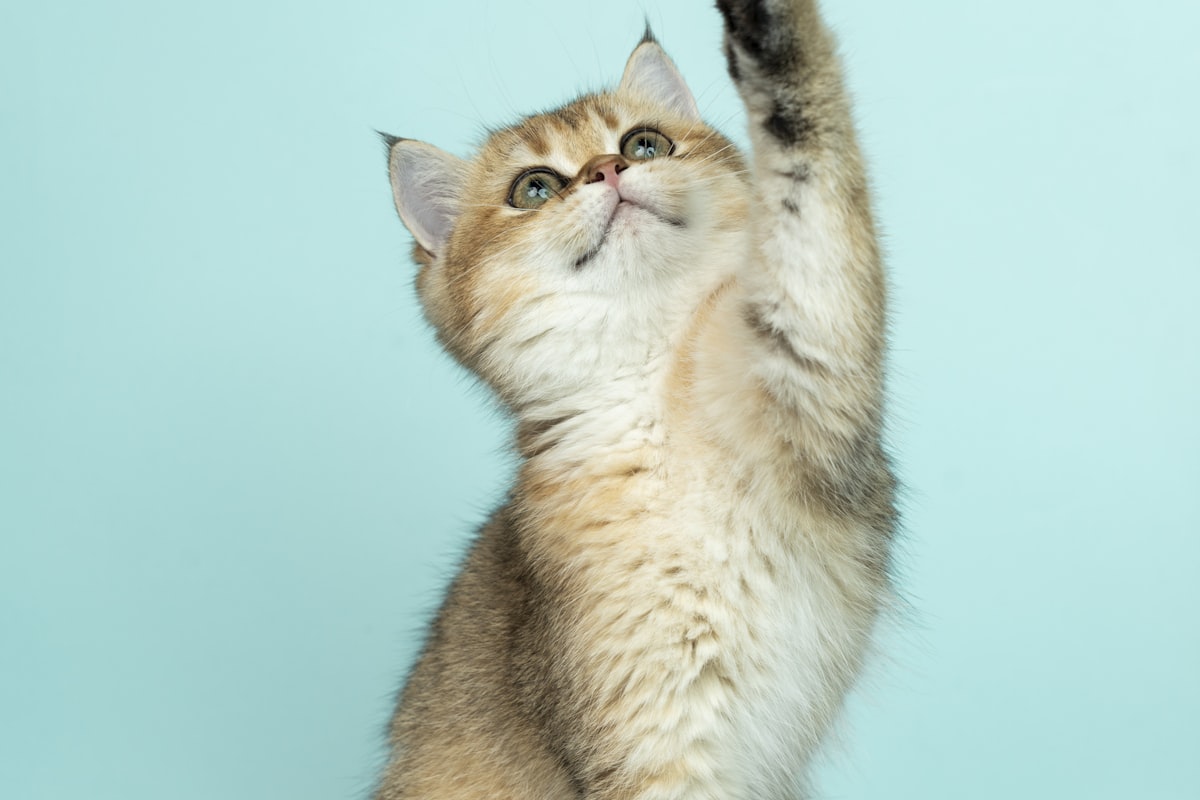
If your sofa or door frame is covered in shredded fabric, you're not alone — cat scratching furniture is one of the top complaints among Indian cat parents. The good news: scratching isn't misbehaviour, it's biology, and it can be redirected with the right setup and rewards.
In short: Cats scratch to maintain claw health, mark territory (visually and via scent glands in their paws), and stretch their muscles. You cannot stop scratching entirely, but you can redirect scratching onto appropriate surfaces using placement, texture preference and consistent rewards. Treats play a genuinely useful role here — used correctly, they reinforce the desired behaviour without confusing the cat.
Why Cats Scratch in the First Place
Scratching serves several biological purposes simultaneously:
- Claw maintenance: it removes the outer sheath of the claw, keeping it sharp and healthy.
- Scent marking: paw pads have scent glands that leave a chemical signature invisible to us but meaningful to cats.
- Visual marking: the physical scratch marks themselves communicate territory to other cats.
- Stretching: scratching engages the shoulders, back and forelimbs in a full-body stretch.
- Stress relief: scratching can be a self-soothing behaviour during anxiety or excitement.
The ASPCA and icatcare.org both confirm that scratching cannot and should not be eliminated — attempts to suppress it entirely (including declawing, which is illegal or discouraged in most veterinary associations) can cause significant behavioural and physical harm.
Why Cats Scratch Furniture Instead of Posts
Understanding why a cat prefers your sofa arm over a designated post is the key to fixing the problem.
Common Reasons
- Wrong texture. Many cats prefer rough, vertical, grippy textures like sisal rope over soft carpet-covered posts.
- Wrong location. A post tucked in a corner nobody uses is far less appealing than the doorway or sofa the cat already frequents.
- Unstable posts. If a post wobbles or tips when scratched, cats will avoid it — stability mimics a tree trunk.
- Too short. Cats need to fully extend their body; posts under 75-80cm often don't satisfy this stretch.
- No positive association yet. A brand-new post with no scent or reward history is simply less interesting than furniture already marked.
A Practical Redirect Plan
Step 1: Match the Substrate to Cat Preference
Observe what your cat currently scratches. Fabric sofa arm? Try a sisal-wrapped post. Cardboard door frame edges? A horizontal cardboard scratcher might work better than a vertical post. Carpet? A sisal or carpet-covered post placed exactly where the damage occurs works best initially.
Step 2: Placement Matters More Than Aesthetics
Place the new scratching surface directly next to (not far from) the furniture currently being damaged. Once the cat consistently uses it for a few weeks, you can slowly move it a few centimetres at a time toward a more convenient location.
Step 3: Make the Post Irresistible
- Rub a little catnip or silvervine into the surface.
- Dangle a wand toy near it to encourage play-scratching.
- Reward immediately when the cat scratches it, even accidentally.
Step 4: Make Furniture Less Appealing
- Cover previously scratched areas temporarily with double-sided tape, aluminium foil, or a throw blanket cats dislike the texture of.
- Trim claws regularly to reduce damage during the transition period.
- Never use scent deterrents that are toxic — check ingredients against petpoisonhelpline.com before spraying anything near your cat.
Step 5: Reward-Based Reinforcement
This is where treats do real work. The moment your cat scratches the appropriate post — even briefly — offer immediate praise and a small treat. Timing is everything: the reward must come within a couple of seconds of the behaviour for the cat to make the connection.
| Behaviour Observed | Response | Why It Works |
|---|---|---|
| Cat scratches new post | Immediate treat + verbal praise | Reinforces desired behaviour instantly |
| Cat approaches post but doesn't scratch | Small treat near the post | Builds positive association with location |
| Cat scratches furniture | Redirect calmly to post, no punishment | Avoids fear/anxiety which worsens behaviour |
| Cat ignores post entirely | Add catnip, reposition, try new texture | Behaviour isn't "stubbornness," it's a preference mismatch |
Using a lickable treat for this kind of reward-based training has a practical advantage: it's fast to dispense, highly palatable, and doesn't require the cat to stop and chew for long, so you can reinforce the behaviour again within the same short session if the cat scratches multiple times. Real, named-protein lickable treats — like Cleos's Real Tuna or Chicken options — also tend to be more motivating than dry filler-based treats, because cats respond strongly to genuine protein aroma. For background on why lickable formats are so effective as rewards, see why cats love lickable treats.
What Not to Do
Punishment-based approaches almost always backfire with scratching behaviour. Yelling, spraying water, or physically moving the cat away forcefully can create anxiety, which paradoxically increases stress-scratching. The Cornell Feline Health Center recommends redirection and reward over correction for nearly all natural feline behaviours, scratching included.
Avoid using treats indiscriminately as a bribe unrelated to the behaviour — timing and consistency are what make treat-based training work, not simply offering more treats overall.
Special Notes for Indian Homes
Many Indian apartments have limited floor space, making tall, freestanding posts impractical. Wall-mounted scratchers, corner posts, or door-hanging scratch pads can be effective alternatives. Additionally, in homes with joint families or frequent guests, consistency in not scolding the cat near furniture is important — mixed signals from different family members slow down redirection significantly. Sit the household down and agree on one shared response plan.
Join the Cleos Waitlist: Reward good behaviour the right way — with real, honest treats your cat will actually work for. Join the waitlist at https://getcleos.in/#waitlist.
Frequently Asked Questions
How long does it take to redirect a cat's scratching habit?
Most cats show noticeable improvement within two to four weeks of consistent redirection, though full habit change can take up to two to three months, especially for older cats with long-established preferences. Success depends heavily on how quickly you identify the right texture, placement and reward timing for your specific cat. Patience matters — reverting to punishment or giving up on the new post too early usually resets progress back to the starting point.
Do all cats need more than one scratching post?
Most multi-room homes benefit from at least two to three scratching surfaces, placed near sleeping areas, entry points, and high-traffic zones. Cats scratch as part of their daily routine near where they sleep and socialise, not just in one fixed spot. In multi-cat households, providing multiple posts also reduces territorial competition, since each cat may want to mark its own separate spot without direct confrontation.
Can nail caps or trimming replace scratching posts?
No. Nail caps and regular trimming reduce damage from scratching but do not remove the cat's underlying need to scratch for stretching, marking and stress relief. Posts and appropriate surfaces are still essential even if you trim claws regularly. Think of trimming as damage reduction, and appropriate scratching surfaces as addressing the actual behavioural need — the two work best together, not as substitutes for one another.
Is declawing ever a solution for destructive scratching?
No. Declawing is not an amputation-free procedure — it removes the last bone of each toe and is considered inhumane by most veterinary bodies, including the AVMA, which discourages it except in rare medical circumstances. It can cause long-term pain, mobility issues and behavioural problems including increased aggression or litter box avoidance. Redirection, environmental enrichment and consistent reward-based training are safer, effective, and vet-recommended alternatives.
My cat scratches only at night — how do I redirect that?
Nighttime scratching often ties to a cat's natural crepuscular activity peaks and pent-up energy from an under-stimulated day. Increase interactive play sessions in the evening to tire the cat out before bedtime, and place a scratching post in the room where nighttime scratching occurs, such as near the bedroom door. Avoid closing the cat out of shared spaces as punishment, since isolation can increase anxiety-driven scratching rather than resolve it.
Keep Cleos close
Get more Cleos stories on Google
Add Cleos as a preferred source to make our cat care guides easier to find in Google.
Add to Preferred SourcesFound this useful? Share it
Treats worth reading the label for.
Cleos lickable treats are built on real, named ingredients — Real Chicken, Real Tuna, Tuna & Shrimp and Chicken & Veggies — with zero artificial fillers.
Join the Cleos waitlistKeep reading
Travel Carriers and Cat Crates: Stress-Free Transport
Choose the right cat carrier or crate and learn practical tips for calmer vet visits, car trips, and moves with your feline companion.
Read more →

Pet Cameras and Monitoring: Tech for Checking on Your Cat
A practical guide to pet cameras and monitoring systems for cats, covering features, placement, and how to use them without over-worrying.
Read more →
Food and Water Bowls: Material, Design, and Health Considerations
Compare cat food bowls and water bowls by material and design, including stainless steel bowls, to protect whisker health and hygiene.
Read more →