Why Cats Headbutt: What Bunting Really Means
Cat headbutting (bunting) is scent-marking affection. Learn what it means, how to respond, and when head pressing signals a vet emergency instead.
By the Cleos team · 17 January 2028 · 4 min read
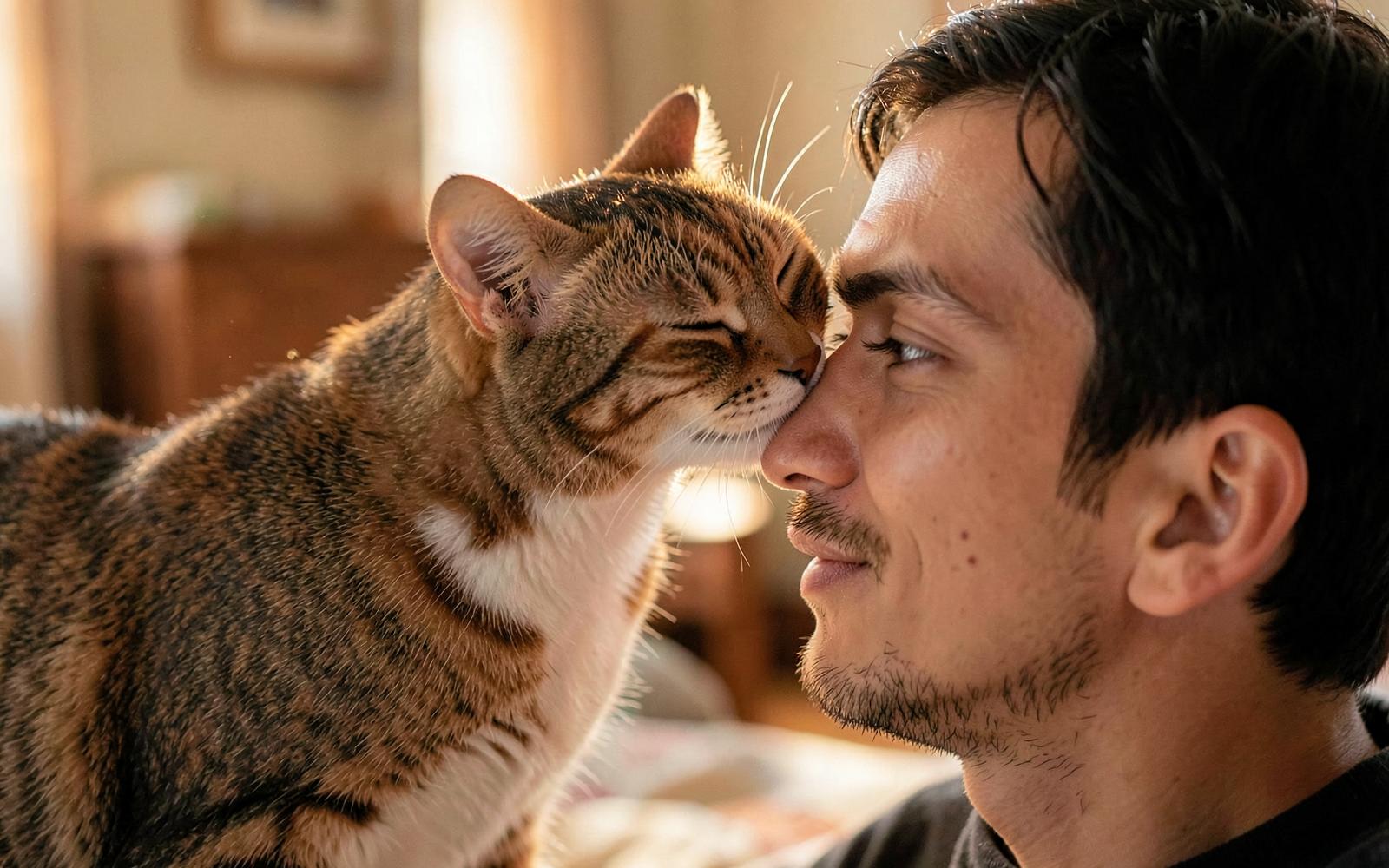
You're sitting quietly when your cat approaches, lowers their head, and firmly bumps their forehead against your face, hand, or leg. Congratulations. You've been "bunted," and it's one of the highest compliments a cat can give.
In short: Headbutting, technically called bunting, is a cat marking you with scent glands in their forehead and cheeks, declaring you part of their trusted social group. It's a sign of affection, trust, and social bonding, not dominance. Cats bunt people, other cats, and even objects they consider "theirs." Responding warmly (and returning the gesture gently) strengthens your bond.
What Bunting Actually Is
Cats have scent glands concentrated around their forehead, temples, cheeks, and chin. When your cat presses and rubs these areas against you, they deposit pheromones, chemical signatures invisible to us but deeply meaningful to cats.
This behaviour, called bunting (or allorubbing when done between cats), serves to:
- Mark you as safe and familiar. You now carry their scent
- Create a shared colony scent: in cat social groups, members smell like each other; bunting blends you into the family
- Claim comfortable territory: the same reason cats rub against furniture corners, doorframes, and your freshly unpacked luggage
Far from being pushy, a headbutting cat is saying something close to "you're mine, and I'm yours."
Bunting vs. Similar Behaviours
Not every head press is a bunt:
- Full headbutt (bunting): deliberate forehead press, often with cheek rubs after. Affectionate marking. ✅
- Cheek rubbing: the same glands, the same message, often delivered to hands, phone screens, and table legs. ✅
- Head pressing (concerning): a cat standing motionless, pressing their head hard against a wall or object for extended periods, is not bunting. It's a neurological symptom requiring immediate veterinary attention. The difference is unmistakable in context: bunting is brief, social, and followed by relaxed behaviour; head pressing is compulsive, prolonged, and accompanied by disorientation.
Who Gets Bunted?
Cats are selective. Bunting is reserved for:
- Trusted humans: especially the primary caregiver
- Bonded cats: cats who bunt each other have genuine affiliative relationships
- Familiar, safe objects: marking territory they want to smell "right"
A cat who headbutts visitors is unusually social and confident. A cat who reserves bunting exclusively for you is giving you a private honour. Either way, it signals real trust, cats don't mark things they fear.
How to Respond to a Headbutt
You can't bunt back with scent glands, but you can respond in cat-language:
- Lean in gently: a soft forehead touch back is understood and often welcomed
- Offer cheek scratches: rub along the same gland areas they use; most cats melt for cheek and chin scratches
- Slow blink: the feline "I trust you" (see why cats slow blink)
- Mark the moment. Many cats bunt at predictable times (when you come home, before meals). Adding a small treat to the reunion ritual layers positive association onto an already loving behaviour
The key is responding calmly and positively, bunting is an invitation to connection, and accepting it strengthens the bond each time.
When Bunting Comes with Demands
Cats are practical creatures, and they quickly learn that headbutts get human attention. Many cats develop a two-step move: bunt first (affection), then escalate (meal requests, door opening, lap claiming). The affection is genuine. But so is the agenda. A cat who headbutts and then leads you toward the kitchen has combined love with lobbying, which is honestly peak cat.
If the demanding side becomes excessive (pre-dawn bunting campaigns, for instance), avoid rewarding the demand itself, respond to the affection, but feed on schedule, not on demand.
Join the Cleos Waitlist: For the cat who marks you as theirs, mark the moment back. Cleos lickable treats turn headbutt reunions into bonding rituals. Be first to try them at https://getcleos.in/#waitlist.
Frequently Asked Questions
Why does my cat headbutt me but not my partner?
Bunting tracks with bond strength, time spent together, and who provides care, the primary feeder and player usually earns the most headbutts. Scent matters too: cats mark those whose scent they want to blend with. It's not rejection of your partner; it's simply the hierarchy of trust as your cat sees it. More interactive play and feeding time from your partner usually shifts things over time.
My cat has never headbutted me. Should I worry?
Not at all. Cats express affection across a wide repertoire: slow blinking, following you room to room, sleeping on your clothes, showing their belly, grooming you, choosing your lap. Some cats simply aren't bunting cats. Look at your cat's full vocabulary, if they're relaxed, social, and seeking proximity, the bond is there regardless of the headbutt count.
Why does my cat headbutt my phone / laptop / book?
Partly marking. These objects carry your concentrated scent and attention, and your cat wants them smelling like the family. Partly strategy: they've learned the object is competition for your focus, and bunting it (or lying directly on it) reliably redirects you to them. It's both sweet and calculated.
Do cats headbutt other animals, like dogs?
Yes, cats who are genuinely bonded with household dogs often bunt them, marking them into the colony scent group. It's one of the clearest signs of true cross-species friendship. If your cat bunts your dog, they've fully accepted them as family.
Keep Cleos close
Get more Cleos stories on Google
Add Cleos as a preferred source to make our cat care guides easier to find in Google.
Add to Preferred SourcesFound this useful? Share it
Treats worth reading the label for.
Cleos lickable treats are built on real, named ingredients: Real Chicken, Real Tuna, Tuna & Shrimp and Chicken & Veggies. No artificial fillers.
Join the Cleos waitlistKeep reading
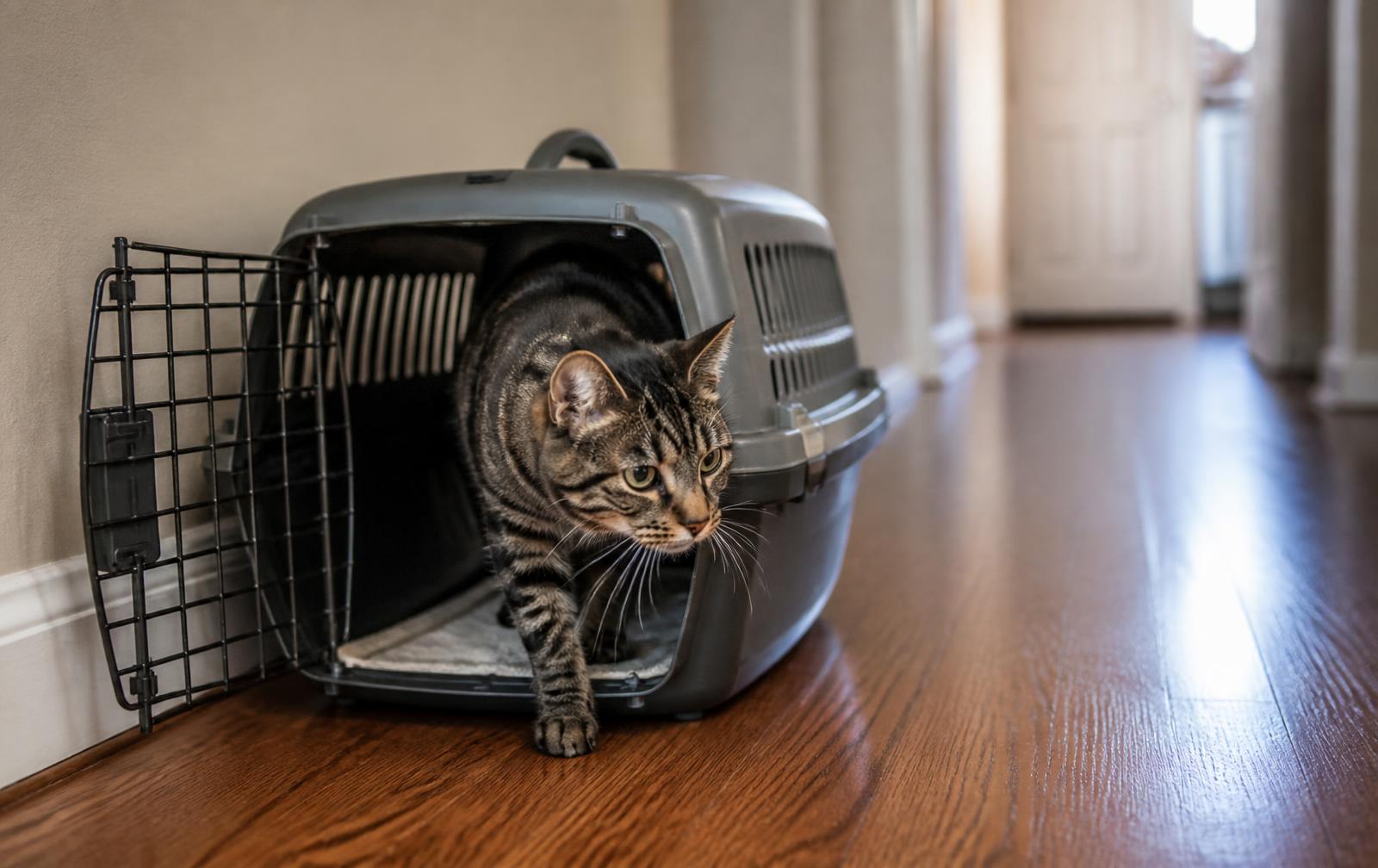
Travel Carriers and Cat Crates: Stress-Free Transport
Choose the right cat carrier or crate and learn practical tips for calmer vet visits, car trips, and moves with your feline companion.
Read more →
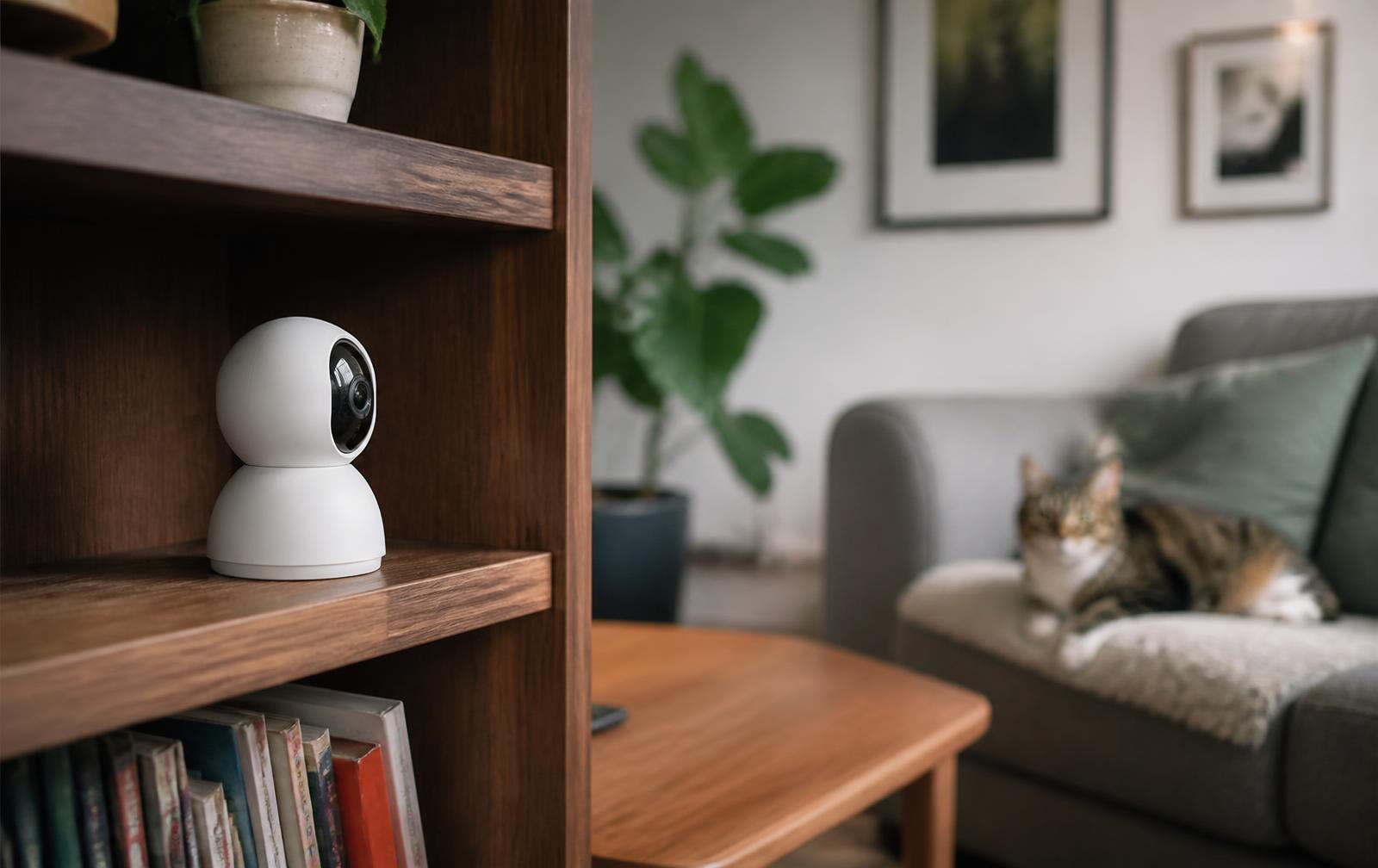
Pet Cameras and Monitoring: Tech for Checking on Your Cat
A practical guide to pet cameras and monitoring systems for cats, covering features, placement, and how to use them without over-worrying.
Read more →
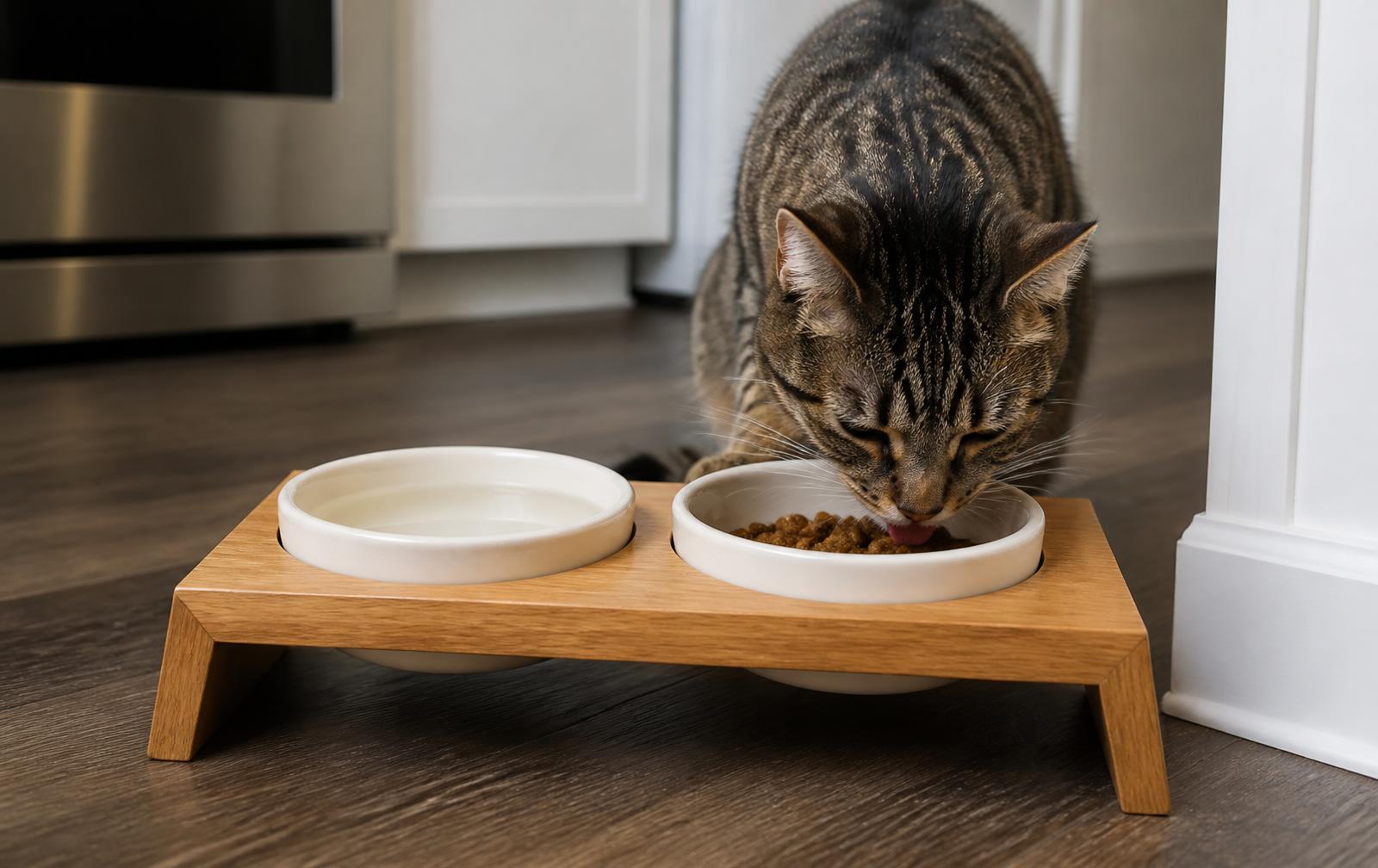
Food and Water Bowls: Material, Design, and Health Considerations
Compare cat food bowls and water bowls by material and design, including stainless steel bowls, to protect whisker health and hygiene.
Read more →