Why Cats Slow Blink (And Why You Should Blink Back)
The slow blink is a feline smile backed by science. Learn what it means, the research behind it, and how to slow blink back to build trust.
By the Cleos team · 24 January 2028 · 4 min read
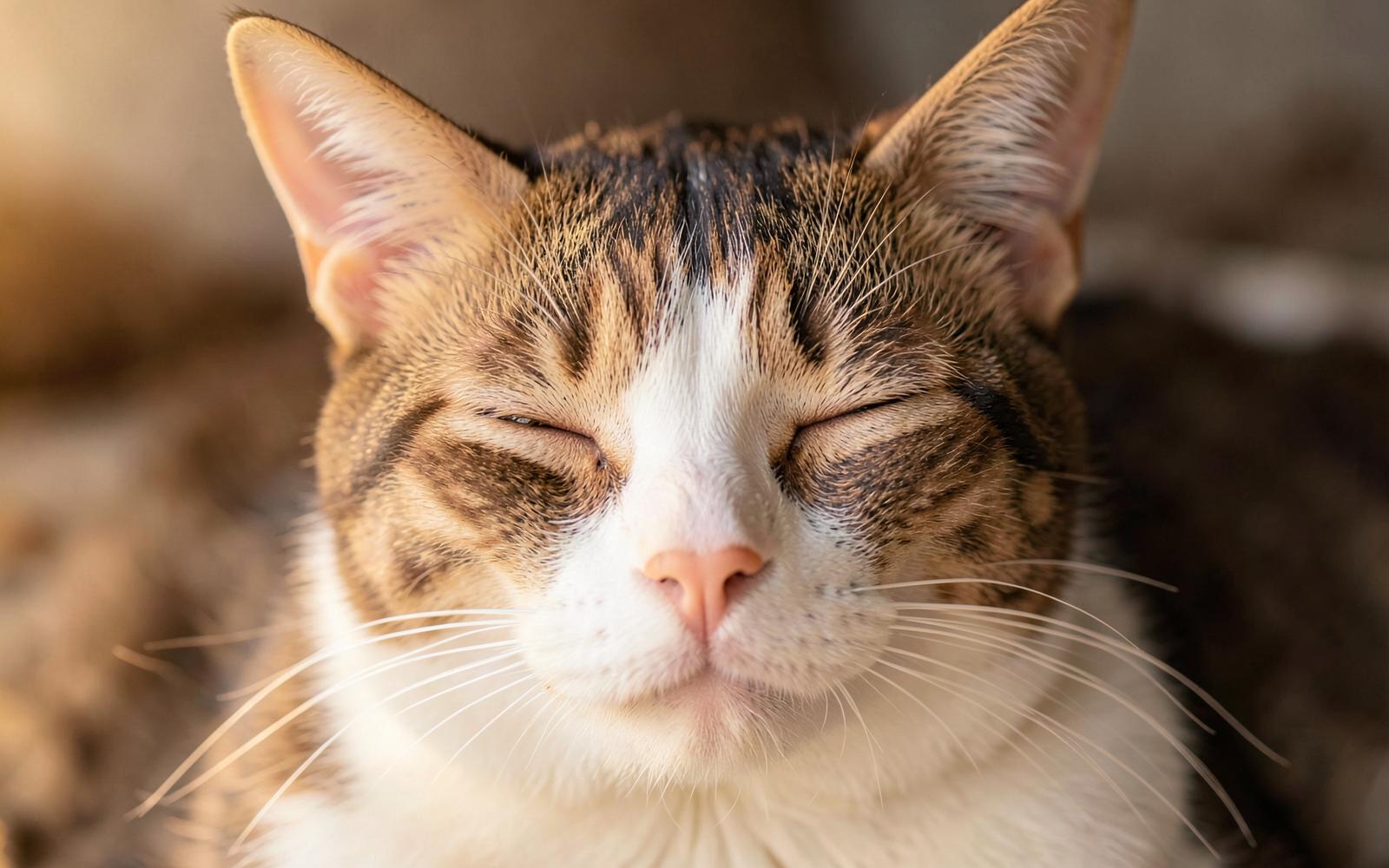
Of all the subtle ways cats communicate, the slow blink may be the most charming. And it's one of the few feline signals we humans can directly return. When your cat looks at you and slowly closes and opens their eyes, they're not sleepy. They're saying they trust you.
In short: Slow blinking is a friendly, affiliative signal in cats, essentially a feline smile indicating relaxation and trust. Research confirms cats slow blink more at humans who slow blink at them, and cats approach people who slow blink more readily. You can use slow blinks deliberately to build trust with your own cat and to signal friendliness to unfamiliar cats.
What the Slow Blink Means
For a predator that is also small enough to be prey, closing your eyes in front of someone is a vulnerability. That's precisely the point. A cat who slowly closes their eyes in your presence is communicating:
- "I feel safe with you". I can afford to stop watching you
- "I'm not a threat": a signal directed at you, asking for the same in return
- "We're good": social ease, the cat equivalent of a relaxed smile
Cats slow blink at trusted humans, at bonded feline housemates, and during their most relaxed moments. It's one of the clearest markers of contentment in the feline repertoire, alongside purring and headbutting.
The Science Behind It
The slow blink isn't folklore. It's been experimentally tested. A 2020 study from the University of Sussex demonstrated that:
- Cats slow blink significantly more at their owners after the owner slow blinks at them
- Cats are more likely to approach an unfamiliar person who has slow blinked at them, compared to someone with a neutral expression
- Cats can distinguish slow blinks from normal neutral staring. And respond to the difference
This makes slow blinking one of the only scientifically validated two-way communication channels between humans and cats. You're not just interpreting your cat; you're speaking back in a language they demonstrably understand.
How to Slow Blink Back
It takes a little practice to do naturally:
- Wait for a calm moment: your cat relaxed, perhaps watching you from across the room
- Meet their gaze softly: relaxed face, no staring intensity
- Slowly narrow your eyes: closing them gently over about a second
- Hold for a moment: then slowly open
- Look slightly away afterward, in cat etiquette, this removes any trace of challenge
Many cats respond immediately with a return slow blink; some get up, walk over, and ask for attention. Either response means the message landed.
What to Avoid
- Hard, unbroken staring: in cat language, sustained direct eye contact is confrontational. This is why cats often gravitate toward the one guest who's ignoring them: the non-starers read as polite
- Blinking during tense moments: if your cat is already anxious or aroused, focus on reducing the stressor first
Using Slow Blinks to Build Trust
Slow blinking is a genuine tool, useful in specific situations:
With Shy or New Cats
A newly adopted cat hiding under the bed isn't ready for hands. But you can slow blink from across the room. Combined with sitting at floor level and quiet presence, it tells the cat you're safe before any physical approach. Many rescue workers use slow blinks as a first-contact tool.
With Nervous Cats at the Vet
Slow blinks during examination room waits can help settle an anxious cat, a familiar calming signal in an unfamiliar place.
In Daily Bonding Rituals
Fold slow blinks into quiet daily moments: morning greetings, evening lap time, treat rituals. Offering a lickable treat slowly, with soft eyes and a slow blink, stacks trust signals, your cat receives affection, food, and safety cues simultaneously.
Join the Cleos Waitlist: Trust is built in quiet moments, a slow blink, a soft treat, a shared calm. Cleos lickable treats are made for exactly these rituals. Be first to try them at https://getcleos.in/#waitlist.
Frequently Asked Questions
Why does my cat slow blink and then look away?
The look-away completes the message. In feline social etiquette, soft eye contact followed by breaking gaze says "I'm relaxed and no threat exists here." It's the full polite gesture, the blink offers trust, and the glance away confirms peaceful intent. When your cat does this, they've essentially told you everything is fine.
Do cats slow blink at other cats?
Yes, cats slow blink at familiar, friendly cats in their social group, and it serves the same trust-signalling function. Between unfamiliar cats, you'll more often see averted gaze (avoiding conflict) than slow blinking. Among bonded housemates, mutual slow blinks are a regular part of peaceful coexistence.
Can I slow blink at a cat I've just met?
Absolutely. It's one of the best first moves with an unfamiliar cat. Approach indirectly, crouch to reduce your height, avoid direct staring, and offer slow blinks. Many cats visibly relax in response. It's far more effective than reaching out a hand immediately, which puts your scent near them before trust exists.
My cat stares at me without blinking. Is that aggression?
Usually not, cats stare at their humans out of simple interest, monitoring, or expectation (a cat staring at you near mealtime is a cat sending a reminder). Context distinguishes friendly staring from hostile staring: a relaxed staring cat has a loose body, neutral ears, and normal pupils; a threatened cat shows dilated pupils, flattened ears, and tension. If the vibe is calm, try a slow blink and watch what happens.
Keep Cleos close
Get more Cleos stories on Google
Add Cleos as a preferred source to make our cat care guides easier to find in Google.
Add to Preferred SourcesFound this useful? Share it
Treats worth reading the label for.
Cleos lickable treats are built on real, named ingredients: Real Chicken, Real Tuna, Tuna & Shrimp and Chicken & Veggies. No artificial fillers.
Join the Cleos waitlistKeep reading
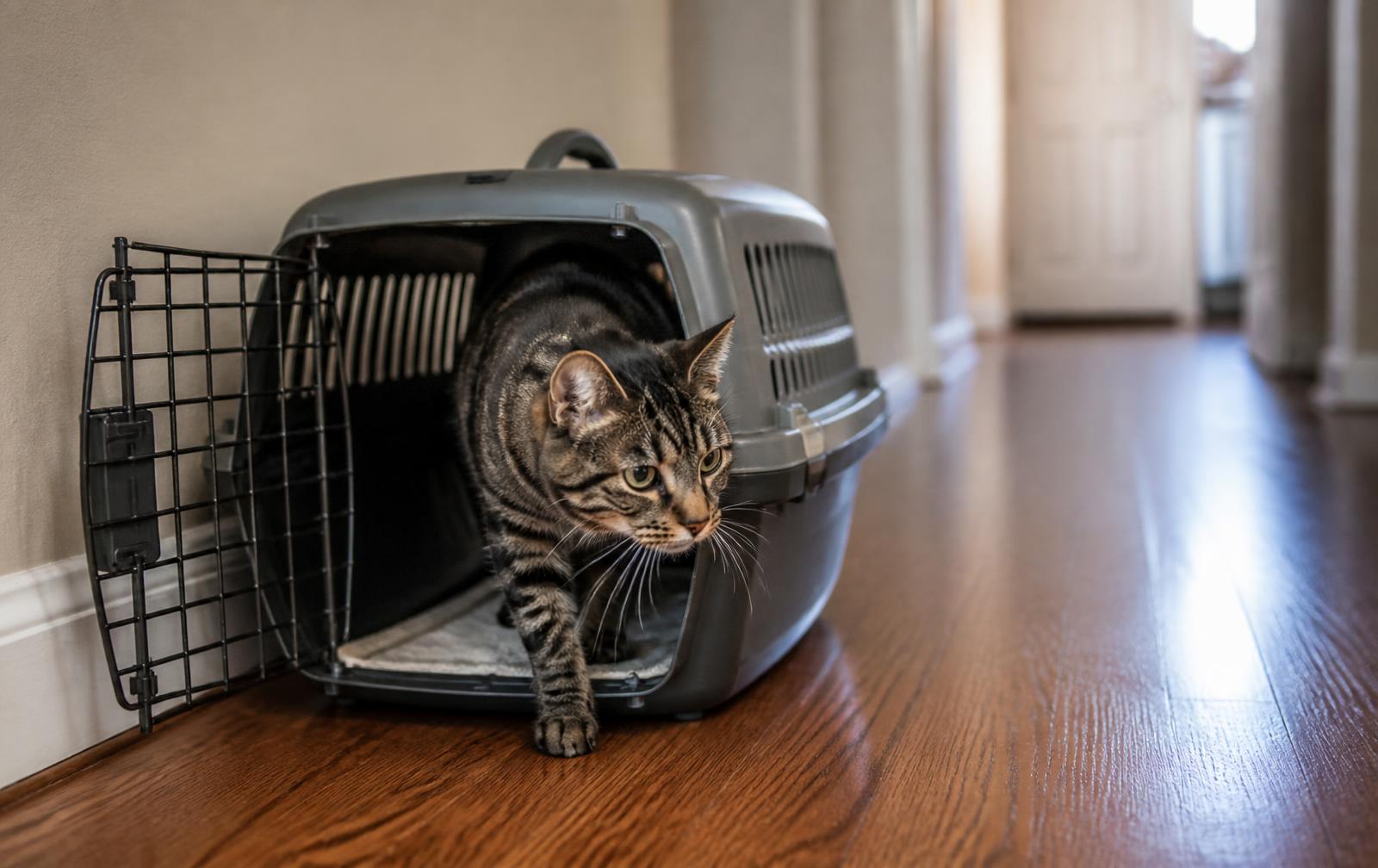
Travel Carriers and Cat Crates: Stress-Free Transport
Choose the right cat carrier or crate and learn practical tips for calmer vet visits, car trips, and moves with your feline companion.
Read more →
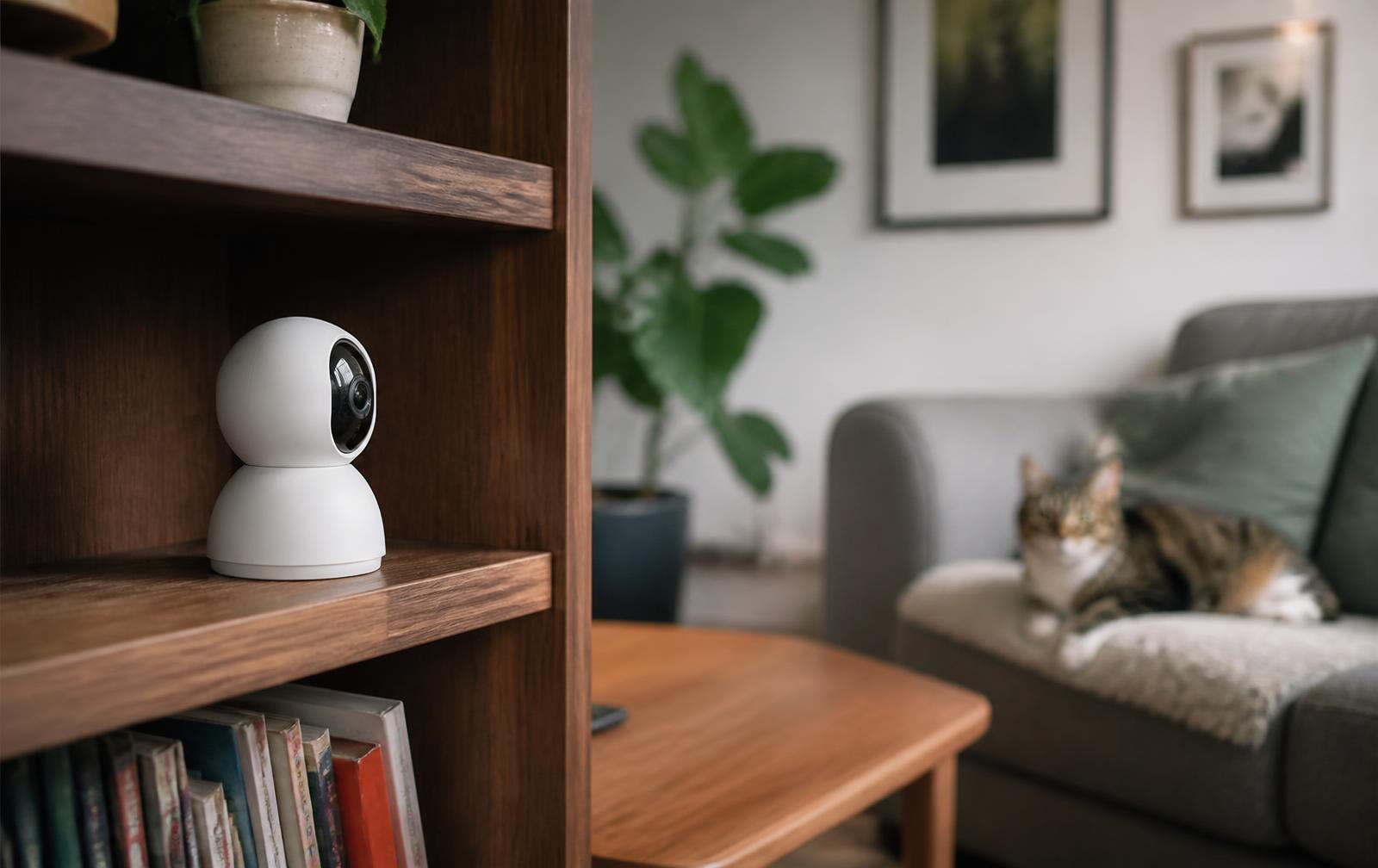
Pet Cameras and Monitoring: Tech for Checking on Your Cat
A practical guide to pet cameras and monitoring systems for cats, covering features, placement, and how to use them without over-worrying.
Read more →
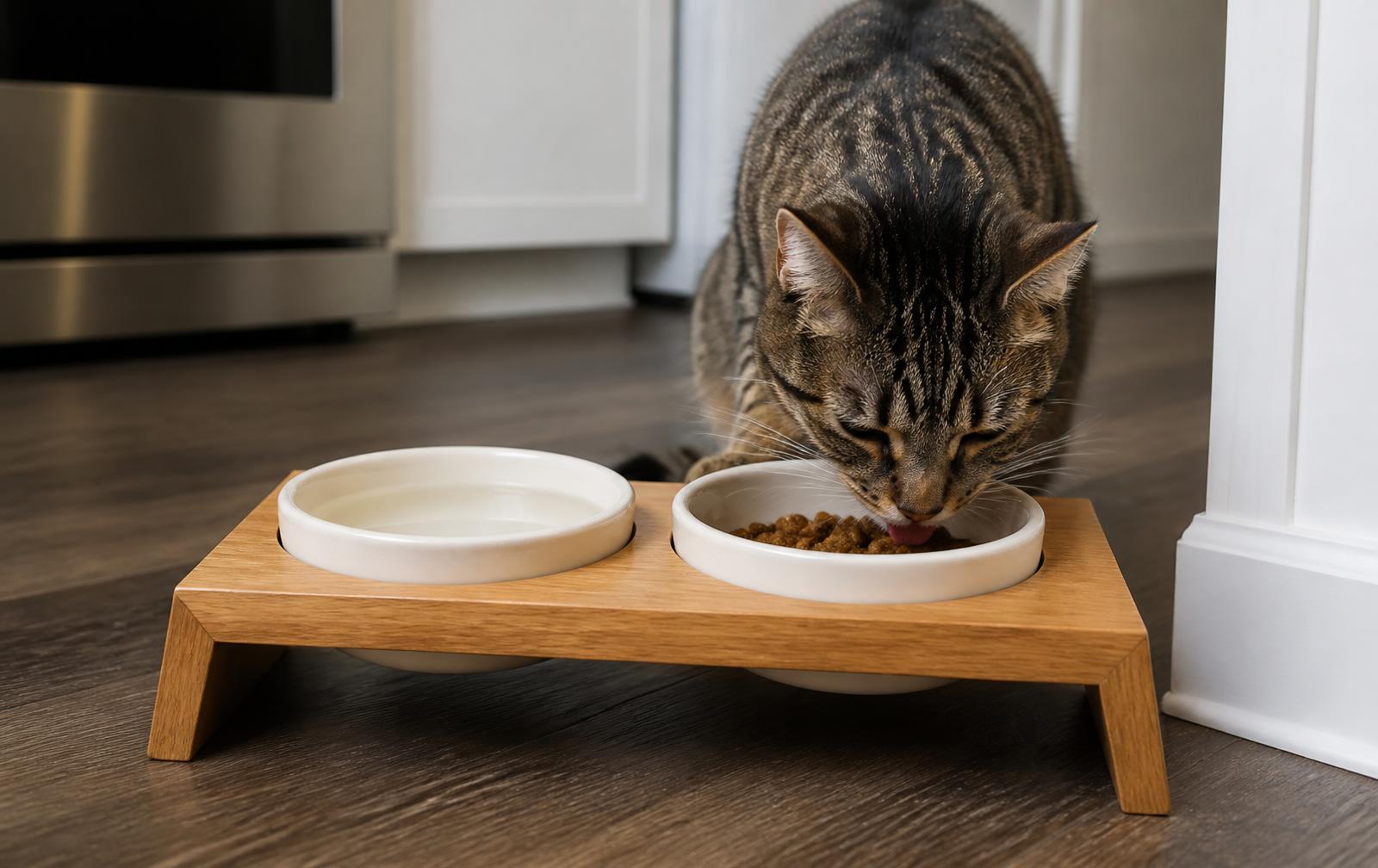
Food and Water Bowls: Material, Design, and Health Considerations
Compare cat food bowls and water bowls by material and design, including stainless steel bowls, to protect whisker health and hygiene.
Read more →