Why Does My Cat Refuse to Eat Treats? (And How to Fix It)
Discover why your picky eater cat refuses treats, common causes behind it, and proven ways to fix treat refusal for good.
By the Cleos team · 1 February 2027 · 6 min read
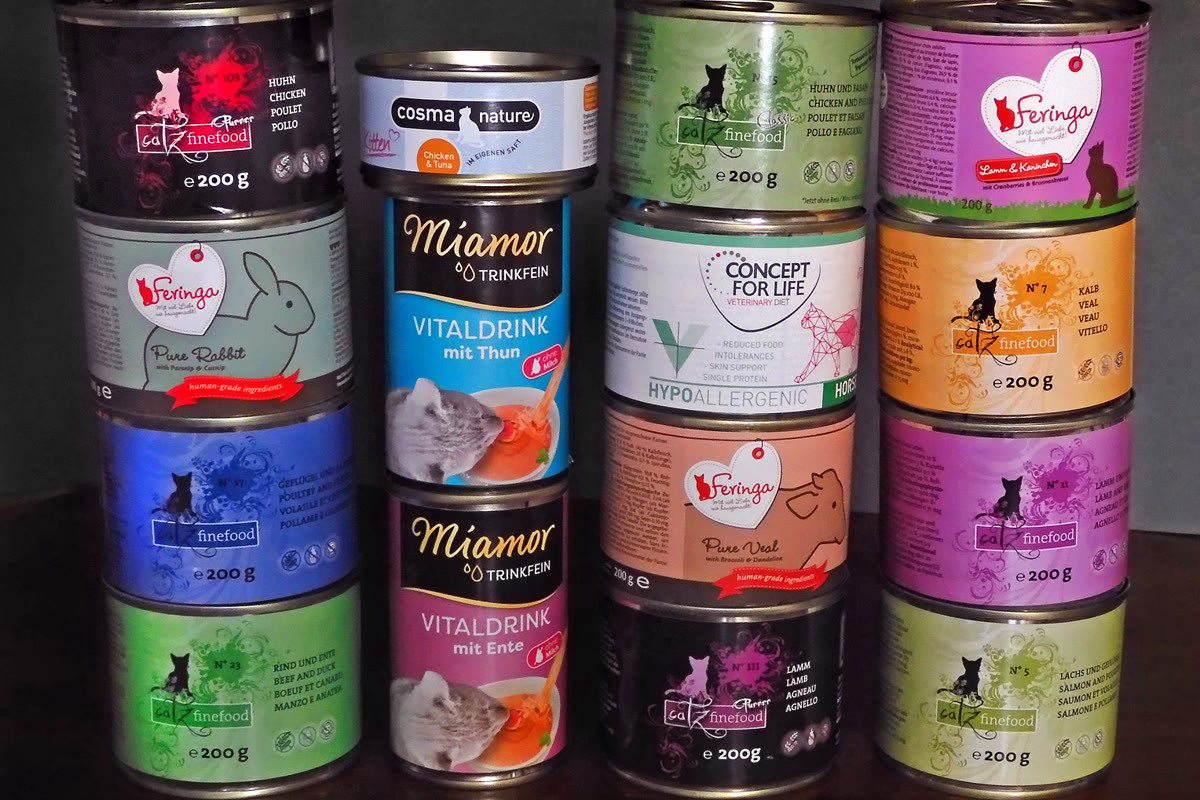
Few things are more puzzling than a cat who sniffs a treat, walks away, and leaves you wondering what went wrong. Picky eating around treats is common, and usually has identifiable, fixable causes.
In short: Cats refuse treats for reasons ranging from texture and smell preferences to stale product, past negative associations, or genuine underlying health issues, and the fix usually starts with checking freshness, offering variety, and paying attention to your cat's specific texture and flavour preferences. Highly aromatic, palatable, real-protein treats often succeed where drier, bland ones fail — but persistent total food refusal always warrants a vet check.
Understanding Why Cats Are Picky
Cats are obligate carnivores with an extremely refined sense of smell — far more sensitive than humans or even dogs in specific ranges. This means smell, more than taste, drives much of their food preference. According to icatcare.org, so-called "fussy eating" is often rooted in learned preferences, food neophobia (fear of new foods), or negative associations from a single bad experience rather than pure stubbornness.
Common Reasons Cats Refuse Treats
- Stale or old product — treats exposed to air lose aroma quickly, especially in humid Indian conditions.
- Wrong texture — some cats dislike hard, crumbly, or overly dry textures.
- Weak aroma — low-quality or bland treats simply don't smell interesting enough.
- Negative association — if a treat was given alongside something stressful (like a vet visit), your cat may reject it going forward.
- Neophobia — natural caution around new or unfamiliar smells/textures.
- Underlying health issue — dental pain, nausea, or illness can suddenly make a previously loved treat unappealing.
- Overfeeding treats — a cat that's simply full won't show enthusiasm regardless of the treat's quality.
Health-Related Causes to Rule Out
| Symptom Alongside Refusal | Possible Cause | Action |
|---|---|---|
| Bad breath, pawing at mouth | Dental disease | Vet dental check |
| Lethargy, reduced appetite overall | Illness (kidney, GI, etc.) | Vet visit promptly |
| Drooling, difficulty chewing | Oral pain or ulcers | Vet exam |
| Sudden refusal after new packaging | Product freshness/quality issue | Try fresh batch, check seal |
| No other symptoms, selective refusal | Preference/neophobia | Try texture/flavour variety |
If your cat refuses all food (not just treats) for more than 24 hours, this is a genuine emergency — cats can develop hepatic lipidosis, a dangerous liver condition, from prolonged food refusal. Consult the AVMA or your vet immediately in that case.
How to Reintroduce Treats Successfully
Check Freshness First
Before assuming your cat is being fussy, check the treat itself — has it been open a while, stored improperly, or exposed to India's heat and humidity? Stale treats lose the aroma that draws cats in. Our guide on how to read cat food labels also covers spotting freshness and quality cues on packaging.
Offer at the Right Time
Cats are more likely to accept a new treat when mildly hungry rather than right after a full meal. Try offering treats between meals rather than immediately after.
Warm It Slightly
Gently warming wet treats (not hot) to near body temperature intensifies aroma, mimicking freshly caught prey — a trick that often revives interest in a previously ignored treat.
Choose High Aroma, Real Protein Options
Treats made with real named protein tend to have a naturally stronger, more appealing scent than those bulked with fillers, which is often the deciding factor for picky cats. We cover this distinction in real protein vs meat meal and named ingredients vs mystery meat.
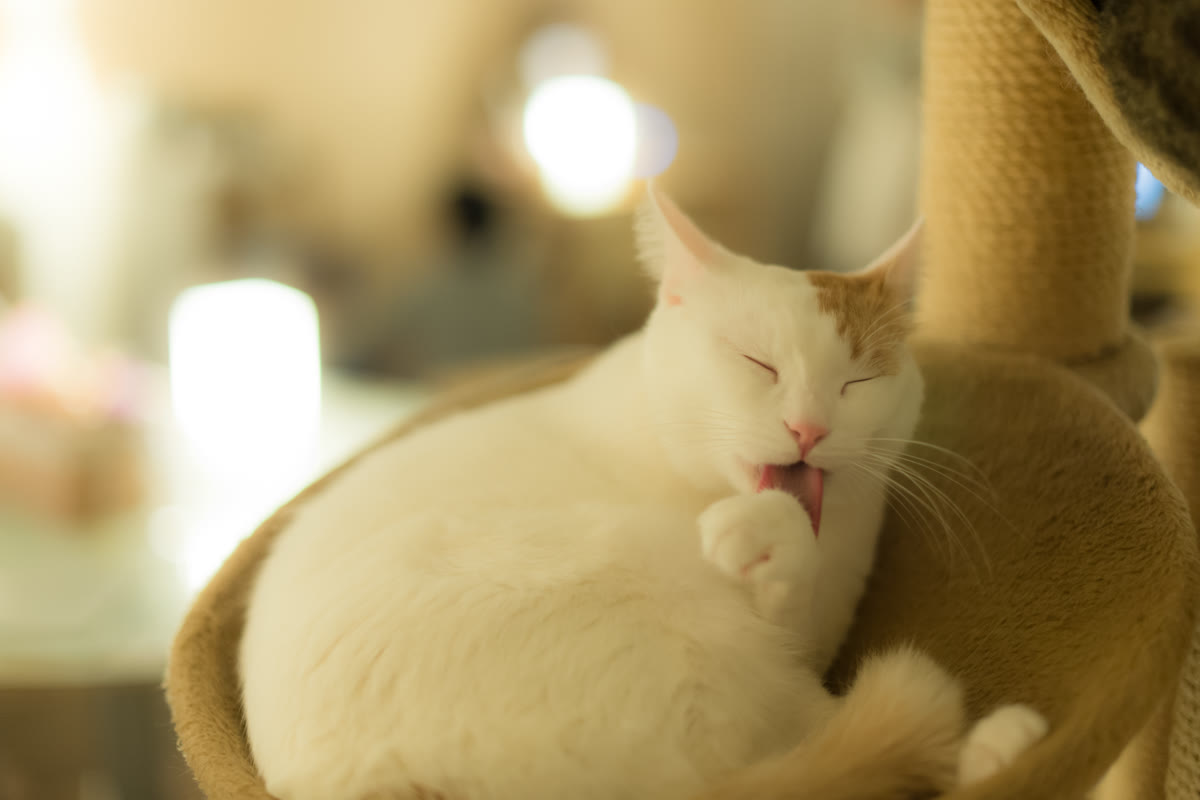
This is precisely the gap Cleos aims to fill — a lickable format made with real named protein (Real Tuna, Tuna & Shrimp, Chicken), designed for the kind of instant "begging for more" enthusiasm that dry, low-aroma treats often fail to trigger, without relying on artificial flavour enhancers to get there. It's also fortified with L-Taurine and Vitamin E, so even picky eaters get functional nutrition, not just empty appeal.
Rotate, Don't Force
If your cat rejects a treat once, don't force it repeatedly in the same sitting — this can build a negative association. Instead, remove it, try again after a day or two, or offer a different flavour.
What Not to Do
- Don't mix rejected treats forcefully into meals — it can make cats suspicious of the whole meal.
- Don't punish or scold refusal — it will only build anxiety around feeding time.
- Don't assume it's "just pickiness" if refusal is sudden and total — rule out pain or illness first.
- Don't leave treats out for extended periods — freshness (and interest) drops fast.
Join the Cleos Waitlist: Give your cat a treat worth begging for — real named protein, naturally aromatic, lickable texture, fortified with L-Taurine and Vitamin E. Sign up at https://getcleos.in/#waitlist.
Frequently Asked Questions
Why did my cat suddenly stop eating a treat they used to love?
Sudden refusal of a previously loved treat can stem from a changed formula or batch, staleness, a negative association from something happening around treat time, or an underlying health issue like dental pain or nausea. If refusal is sudden and paired with other symptoms like lethargy or appetite loss overall, see a vet. If it's isolated to that specific treat with no other symptoms, try a fresh batch or a different flavour first.
Are lickable treats better for picky cats than dry treats?
Lickable treats often work better for picky eaters because they release stronger aroma and mimic the soft, moist texture of natural prey, which many cats find more appealing than dry, crumbly textures. They're also easier to eat for cats with dental sensitivity. That said, individual preference varies, so it's worth testing a small amount before assuming any single format will universally solve pickiness.
How long should I wait before trying a rejected treat again?
Give it at least a day or two before reoffering a rejected treat, rather than repeatedly presenting it in the same session, which can create a stronger negative association. When you try again, consider warming it slightly, offering it between meals when your cat is mildly hungry, and observing whether the reaction changes.
Could my cat be allergic to a treat rather than just picky?
True food allergies in cats are less common than intolerances, but both can cause a cat to avoid a food that previously upset their stomach, even without an obvious cause visible to you. Watch for signs like vomiting, diarrhoea, itching or skin issues after eating a specific treat; if present, discontinue it and consult your vet about identifying the trigger ingredient.
Is it normal for kittens to be pickier than adult cats about treats?
Kittens are actually often less picky initially since they haven't developed strong preferences yet, but early experiences shape their long-term food acceptance. Exposing kittens to a variety of safe textures, flavours and formats early on (within reason) can reduce the likelihood of them becoming overly selective adults, while a single bad experience can also create lasting aversions if not managed gently.
Keep Cleos close
Get more Cleos stories on Google
Add Cleos as a preferred source to make our cat care guides easier to find in Google.
Add to Preferred SourcesFound this useful? Share it
Treats worth reading the label for.
Cleos lickable treats are built on real, named ingredients — Real Chicken, Real Tuna, Tuna & Shrimp and Chicken & Veggies — with zero artificial fillers.
Join the Cleos waitlistKeep reading
Travel Carriers and Cat Crates: Stress-Free Transport
Choose the right cat carrier or crate and learn practical tips for calmer vet visits, car trips, and moves with your feline companion.
Read more →
Pet Cameras and Monitoring: Tech for Checking on Your Cat
A practical guide to pet cameras and monitoring systems for cats, covering features, placement, and how to use them without over-worrying.
Read more →
Food and Water Bowls: Material, Design, and Health Considerations
Compare cat food bowls and water bowls by material and design, including stainless steel bowls, to protect whisker health and hygiene.
Read more →