Senior Cats (10+): Nutrition and Health Considerations
Understand senior cat diet needs, aging cats nutrition tips, and older cat care essentials for a healthy, comfortable senior life.
By the Cleos team · 11 January 2027 · 6 min read
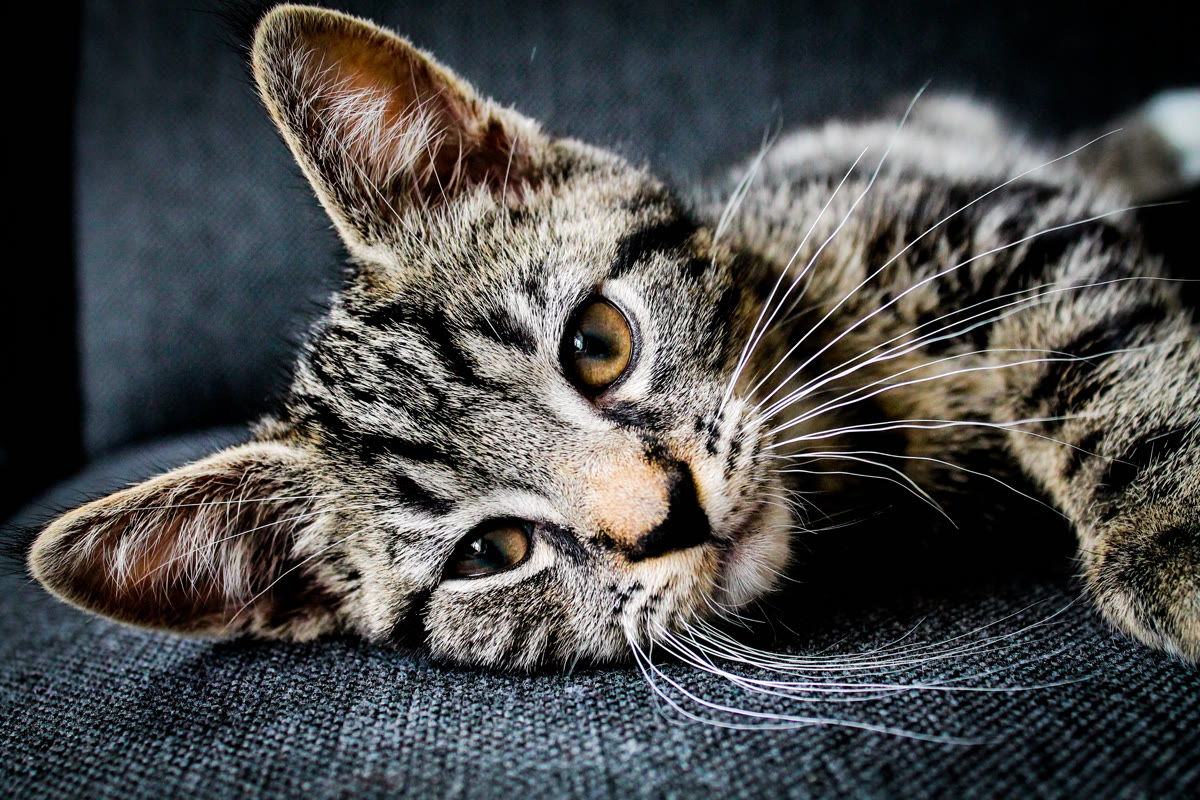
Cats today live longer than ever, and many happily cross into their senior years — generally considered 10 and above — still playful and affectionate. But ageing bodies have different needs, and Indian cat parents often miss the early, subtle signs that a diet built for an adult cat no longer suits a senior one.
In short: Senior cats need diets that are easier to digest, calorie-adjusted for lower activity, rich in high-quality named protein to fight muscle loss, and free of harsh fillers that can strain ageing kidneys and guts. Soft, lickable, easy-to-consume treats like Cleos can help seniors with dental discomfort still enjoy treat time and stay hydrated, but they are never a substitute for regular vet check-ups, especially for cats with diagnosed kidney, thyroid or dental disease.
Why Ageing Changes What Cats Need to Eat
As cats age past 10, several physiological shifts happen quietly:
- Reduced kidney efficiency — very common in senior cats, making protein quality (not just quantity) important.
- Dental wear and gum disease — Indian cats fed mostly dry kibble can develop painful teeth by their senior years, making crunching harder.
- Slower metabolism, less muscle — many seniors lose lean muscle mass (sarcopenia) even if their weight looks stable.
- Reduced thirst drive — dehydration risk rises, especially through India's hot summers.
- Weaker sense of smell and taste — some seniors become picky eaters simply because food smells and tastes duller to them.
According to the Cornell Feline Health Center, routine veterinary screening from age 7 onward, including bloodwork, helps catch kidney and thyroid issues before symptoms appear — something that should guide any dietary changes, not internet advice alone.
Common Senior Health Issues Linked to Diet
| Condition | Dietary Consideration | What to Watch For |
|---|---|---|
| Chronic kidney disease | Controlled, high-quality protein; more moisture | Increased thirst/urination, weight loss |
| Dental disease | Soft or lickable textures | Dropping food, bad breath, pawing at mouth |
| Hyperthyroidism | Vet-guided caloric management | Weight loss despite good appetite |
| Obesity/arthritis | Lower calorie density, controlled portions | Reduced mobility, reluctance to jump |
| Reduced appetite | Palatable, aromatic, easy-to-eat foods | Skipping meals, weight loss |
Building a Senior-Friendly Feeding Routine
Prioritise Real, Named Protein
Older cats especially need protein that is easy to digest and genuinely nourishing, not "meat meal" of unclear origin. Named proteins like real chicken or tuna support muscle maintenance without unnecessary processing. We've written in detail about this distinction in real protein vs meat meal and why named ingredients matter more than mystery meat.
Watch Portion Sizes, Not Just Ingredients
A senior cat that was fine on two cups of kibble at age 4 may become overweight on the same amount at age 12 due to lower activity. Work with your vet to recalculate daily calorie needs, and use a kitchen scale rather than eyeballing portions.
Keep Hydration a Priority
Since older cats often drink less water voluntarily, wet foods and lickable treats that are mostly moisture-based can meaningfully add to daily fluid intake. This is particularly relevant in Indian summers when dehydration risk climbs quickly.
Make Food Easy to Eat
If your senior cat has dental disease, arthritis in the neck, or simply weaker jaw muscles, soft textures matter enormously. This is exactly why lickable formats work so well for seniors — no chewing required, easy on tender gums, and appealing to a duller sense of smell thanks to concentrated aroma. Cleos treats, made with real named protein (Real Tuna, Tuna & Shrimp, Chicken) and fortified with L-Taurine and Vitamin E, are designed to be soft and easy-to-consume, making them a comfortable option for senior cats who struggle with harder textures — while still being an occasional treat, not a meal replacement.
Avoid Harmful Fillers and Additives
Senior organs, especially kidneys and liver, have less reserve capacity to process low-quality fillers, artificial preservatives or excess salt. Read labels carefully — our guide on how to read cat food labels and list of worst cat food ingredients are useful starting points before your next grocery run.
Supplements Seniors Often Benefit From (With Vet Guidance)
- Taurine — essential amino acid supporting heart and eye health, especially important as cats age.
- Omega-3 fatty acids — may support joint comfort and skin/coat quality.
- Vitamin E — an antioxidant that supports immune function.
- Fibre — helps manage constipation, which becomes more common in seniors.
Always introduce supplements only after discussing with your vet, since interactions with existing medications (for kidney disease, hyperthyroidism, etc.) are possible.
Red Flags That Need a Vet Visit, Not Just a Diet Change
- Sudden weight loss or gain
- Increased thirst or urination
- Vomiting or diarrhoea lasting more than a day
- Bad breath with drooling or pawing at the mouth
- Lethargy or reluctance to jump/climb
Treats and diet adjustments can support comfort and quality of life, but they are not medical treatment. Any suspected illness in a senior cat needs proper veterinary diagnosis — organisations like WSAVA and AAHA/AVMA publish senior care guidelines that most Indian vets reference, and getting bloodwork done annually after age 10 is one of the best investments in your cat's remaining years.
Join the Cleos Waitlist: Give your senior cat a treat that's genuinely gentle — real named protein, soft lickable texture, and no harsh fillers. Be the first to try Cleos when we launch: https://getcleos.in/#waitlist.
Frequently Asked Questions
At what age is a cat considered "senior"?
Most veterinary bodies, including guidance echoed by the AVMA, classify cats as "mature" from 7-10 years and "senior" from about 10-14 years, with "geriatric" beyond that. Individual cats age differently based on breed, weight history and health, so it's more useful to think in terms of life stage changes — reduced activity, dental wear, slower metabolism — rather than a strict number. Your vet can help place your specific cat within this spectrum accurately.
Should I switch my senior cat to a "senior formula" food automatically?
Not automatically — it depends on your cat's actual health status. Some senior cats need reduced calories, others need more calorie-dense food if they're losing weight, and cats with kidney disease need a specific therapeutic diet prescribed by a vet. Rather than assuming any "senior" labelled product is right, get your cat's kidney values, thyroid levels and weight trend checked, then choose a diet matched to those actual findings.
Can lickable treats replace water for hydration in older cats?
No, lickable treats can supplement hydration in small amounts but should never replace a fresh water source. They're a helpful top-up, especially for cats who drink too little, but constant clean water availability (ideally in multiple bowls or a fountain) remains essential, particularly for senior cats prone to kidney issues.
My senior cat has suddenly become a picky eater — why?
Reduced smell and taste sensitivity, dental pain, nausea from an underlying illness, or simply boredom with the same food can all cause pickiness in seniors. Because sudden appetite loss can also signal serious illness like kidney disease or hyperthyroidism, it's worth a vet visit if it persists more than 2-3 days, rather than assuming it's just a preference change.
Are lickable treats safe for cats with dental disease?
Generally yes, since they require little to no chewing, which is why many cat parents find them useful for cats with sore gums or missing teeth. That said, if your cat has diagnosed dental disease, get it treated (cleaning or extractions as advised by your vet) rather than relying on soft food alone to manage ongoing pain — untreated dental disease can affect appetite and overall health.
Keep Cleos close
Get more Cleos stories on Google
Add Cleos as a preferred source to make our cat care guides easier to find in Google.
Add to Preferred SourcesFound this useful? Share it
Treats worth reading the label for.
Cleos lickable treats are built on real, named ingredients — Real Chicken, Real Tuna, Tuna & Shrimp and Chicken & Veggies — with zero artificial fillers.
Join the Cleos waitlistKeep reading
Travel Carriers and Cat Crates: Stress-Free Transport
Choose the right cat carrier or crate and learn practical tips for calmer vet visits, car trips, and moves with your feline companion.
Read more →
Pet Cameras and Monitoring: Tech for Checking on Your Cat
A practical guide to pet cameras and monitoring systems for cats, covering features, placement, and how to use them without over-worrying.
Read more →
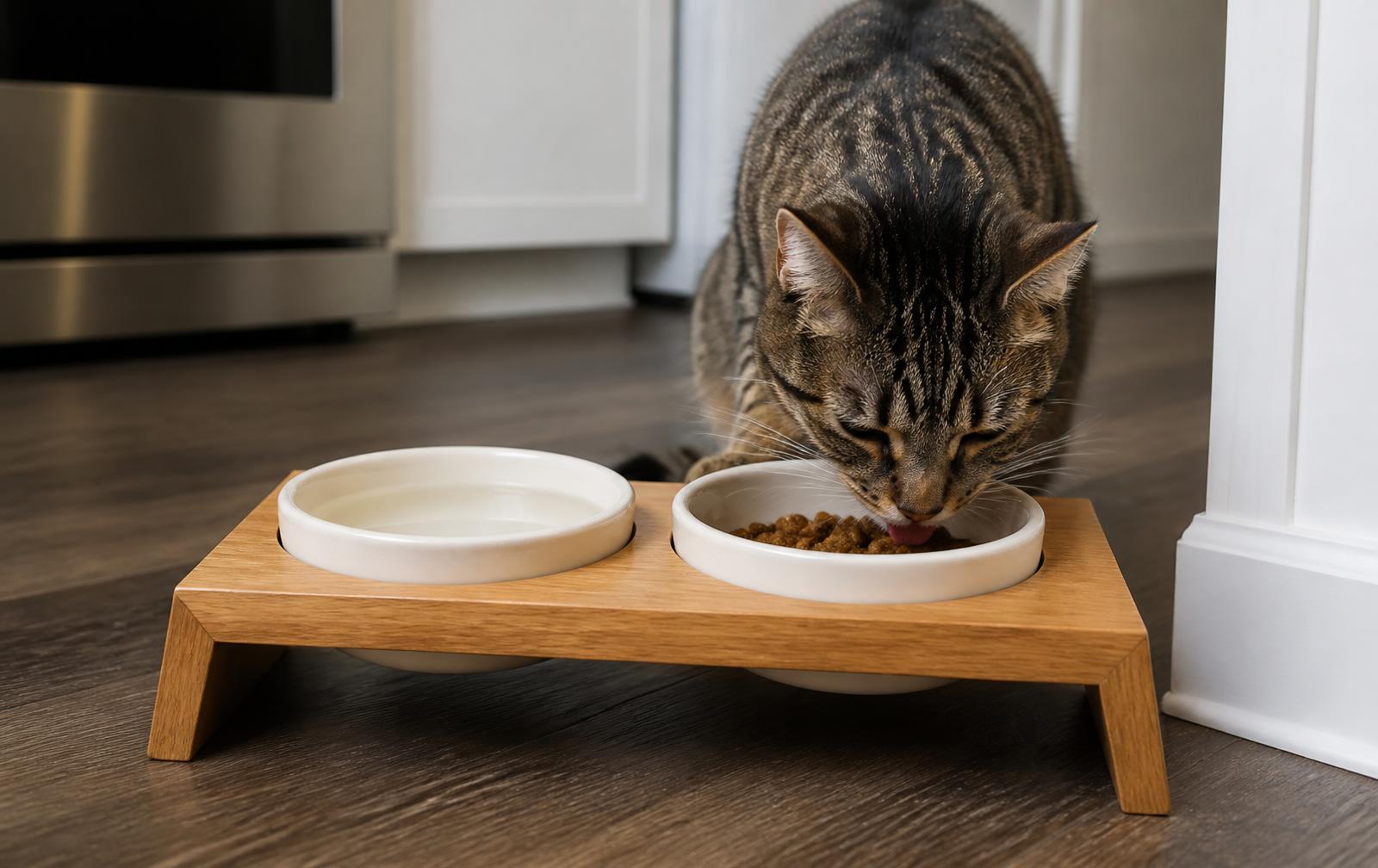
Food and Water Bowls: Material, Design, and Health Considerations
Compare cat food bowls and water bowls by material and design, including stainless steel bowls, to protect whisker health and hygiene.
Read more →