Feline Obesity: Prevention, Risks, and Weight Gain Causes
Learn what causes weight gain in cats, the health risks of feline obesity, and practical vet-informed strategies for prevention and healthy weight management.
By the Cleos team · 11 October 2027 · 5 min read
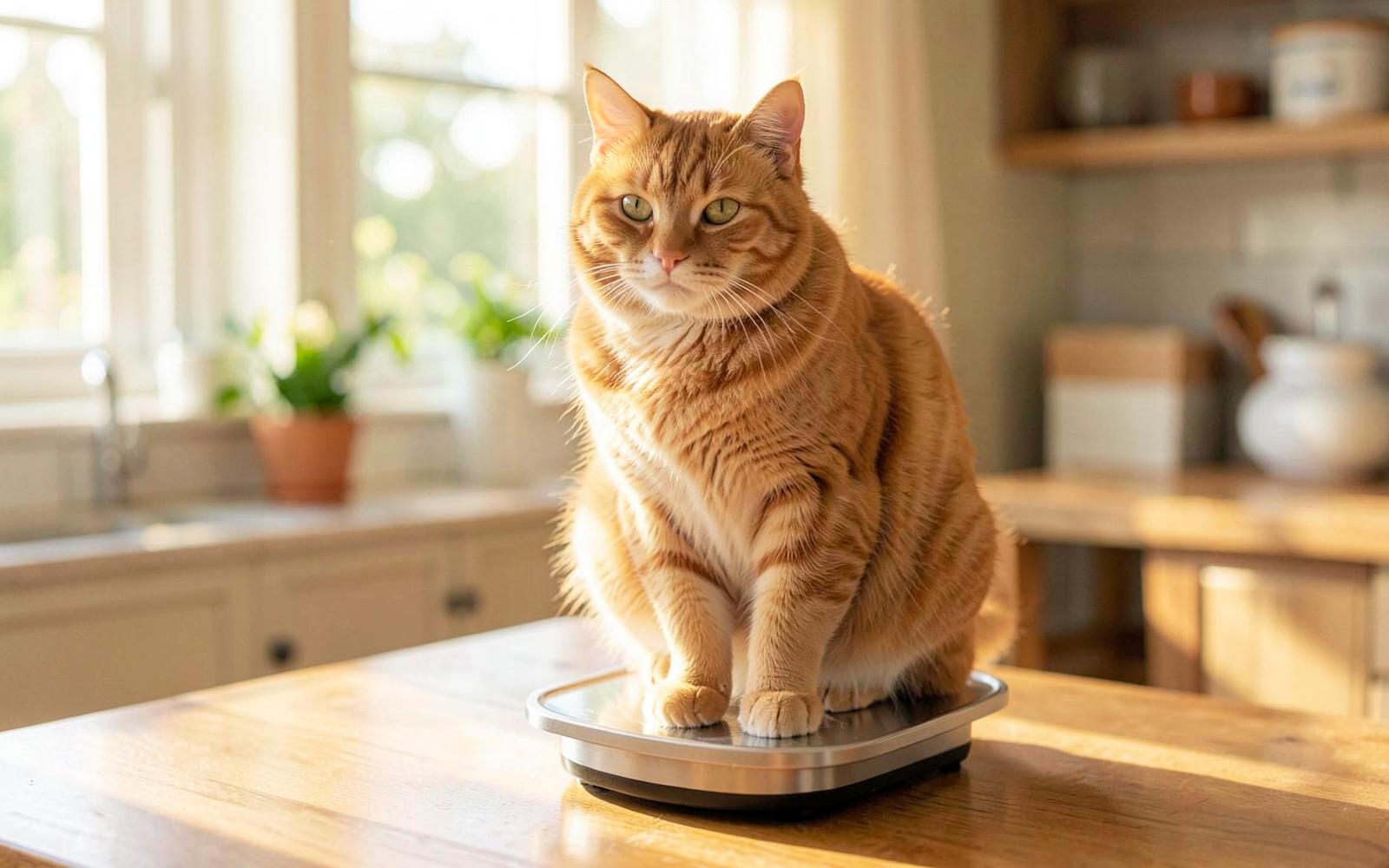
A round, chunky cat might look adorable in photos, but those extra grams carry real health consequences. Feline obesity has quietly become one of the most common health issues in indoor cats. And because weight gain happens gradually, many cat parents don't notice until their cat is significantly overweight.
In short: Feline obesity is typically defined as a cat weighing 10-20% or more above their ideal body weight. You can spot early weight gain at home by checking whether you can feel your cat's ribs easily, whether they have a visible waist when viewed from above, and whether their belly hangs low. Prevention comes down to portion control, measured meals instead of free feeding, daily play, and choosing calorie-appropriate treats made from real protein rather than carb-heavy fillers.
Why Indoor Cats Gain Weight So Easily
Cats evolved as hunters who worked for every meal. A wild cat might make 10-20 hunting attempts a day, burning calories between small, protein-rich meals. The modern indoor cat has a very different life: food appears in a bowl on schedule (or worse, is available all day), and the only "hunting" happens when the red dot comes out.
Several factors stack the odds against indoor cats:
- Free feeding: Leaving kibble out all day lets cats graze well beyond their caloric needs.
- Low activity: Indoor life dramatically reduces daily movement.
- High-carbohydrate diets: Many dry foods are calorie-dense and carb-heavy in ways a cat's metabolism isn't designed for.
- Neutering: Spayed and neutered cats have lower caloric needs, but feeding often stays the same.
- Treat creep: A few treats here and there can quietly add 20-30% extra calories daily.
How to Tell If Your Cat Is Overweight
You don't need a scale to get a first read on your cat's body condition. Vets use a Body Condition Score (BCS) system, and you can apply the basics at home.
| Check | Healthy Cat | Overweight Cat |
|---|---|---|
| Ribs | Easy to feel with light pressure, like the back of your hand | Hard to feel under a fat layer |
| Waist (top view) | Visible tuck behind the ribs | No waist; body looks oval or round |
| Belly (side view) | Slight abdominal tuck | Sagging belly that swings when walking |
| Spine and hips | Feelable under a thin fat layer | Difficult to feel at all |
| Activity | Jumps, plays, grooms fully | Tires quickly, struggles to groom back and base of tail |
A telling sign many parents miss: when an overweight cat stops grooming their lower back and tail base because they physically can't reach, dandruff and matted fur appear there.
The Health Risks of Extra Weight
Obesity isn't just a cosmetic issue. Excess weight in cats is linked to:
- Diabetes mellitus: overweight cats are significantly more likely to develop insulin resistance. (See our guide on diabetic cats feeding.)
- Joint stress and arthritis: extra weight accelerates wear on joints, reducing mobility and quality of life.
- Hepatic lipidosis: when an overweight cat suddenly stops eating, fat floods the liver, causing a potentially fatal condition.
- Urinary tract issues: overweight, sedentary cats are more prone to FLUTD.
- Reduced lifespan: studies consistently show lean cats live longer, healthier lives.
Prevention: The Habits That Keep Cats Lean
Measure Every Meal
Ditch the free-feeding bowl. Use a kitchen scale or measuring cup and feed based on your cat's ideal weight, not their current weight. Your vet can give you a target daily calorie figure, for many adult indoor cats it's roughly 180-220 kcal per day, split into 2-3 meals.
Prioritise Protein and Moisture
Cats are obligate carnivores. Diets higher in real animal protein and moisture keep cats fuller for longer than carb-heavy dry food, reducing begging behaviour and overeating.
Play Like It's a Hunt
Two 10-15 minute interactive play sessions daily make a measurable difference. Use wand toys that mimic prey movement, and end the session with a small meal or treat to complete the hunt-eat-groom-sleep cycle.
Rethink Treats
Treats should stay under 10% of daily calories. Choose small, protein-forward treats rather than carb-loaded biscuits. Lickable treats made with real named protein like chicken or tuna are naturally portion-controlled. One tube is a defined serving, easy to count, easy to limit.
Join the Cleos Waitlist: Portion-controlled lickable treats made with real protein help you reward your cat without the calorie creep. Be first to try Cleos at https://getcleos.in/#waitlist.
Frequently Asked Questions
How fast should a cat lose weight?
Slowly, no more than 0.5-1% of body weight per week. Rapid weight loss in cats is dangerous because it can trigger hepatic lipidosis (fatty liver disease). Any weight-loss plan should be designed with your vet, typically involving a measured calorie reduction of around 20-30% from maintenance levels, paired with increased play.
Is dry food making my cat fat?
Dry food isn't inherently fattening, but it's calorie-dense and easy to over-serve, and many formulas are high in carbohydrates. The bigger issue is free feeding: an always-full bowl lets cats eat from boredom. If you feed dry food, measure portions strictly and consider mixing in moisture-rich wet food or hydrating treats.
My cat begs constantly. Are they really hungry?
Usually not. Cats learn that begging works. True hunger signals differ from attention-seeking, a cat who eats a measured meal and immediately begs is often asking for interaction or has formed a habit. Try responding with a play session instead of food. If begging is sudden and intense alongside weight loss, see your vet to rule out conditions like hyperthyroidism.
Can treats be part of a weight management plan?
Yes, if they're counted. The 10% rule applies: treats should make up no more than 10% of daily calories. Protein-based, portion-controlled options like lickable treats are easier to budget than handfuls of dry biscuits, and the real-protein satisfaction means one small serving feels like a real reward.
Keep Cleos close
Get more Cleos stories on Google
Add Cleos as a preferred source to make our cat care guides easier to find in Google.
Add to Preferred SourcesFound this useful? Share it
Treats worth reading the label for.
Cleos lickable treats are built on real, named ingredients: Real Chicken, Real Tuna, Tuna & Shrimp and Chicken & Veggies. No artificial fillers.
Join the Cleos waitlistKeep reading
Travel Carriers and Cat Crates: Stress-Free Transport
Choose the right cat carrier or crate and learn practical tips for calmer vet visits, car trips, and moves with your feline companion.
Read more →

Pet Cameras and Monitoring: Tech for Checking on Your Cat
A practical guide to pet cameras and monitoring systems for cats, covering features, placement, and how to use them without over-worrying.
Read more →
Food and Water Bowls: Material, Design, and Health Considerations
Compare cat food bowls and water bowls by material and design, including stainless steel bowls, to protect whisker health and hygiene.
Read more →