Diabetic Cats: Feeding Guide and Best Practices
A vet-informed diabetic cat diet guide covering low-carb feeding, weight management, monitoring, and safe treat choices for feline diabetes.
By the Cleos team · 30 November 2026 · 7 min read
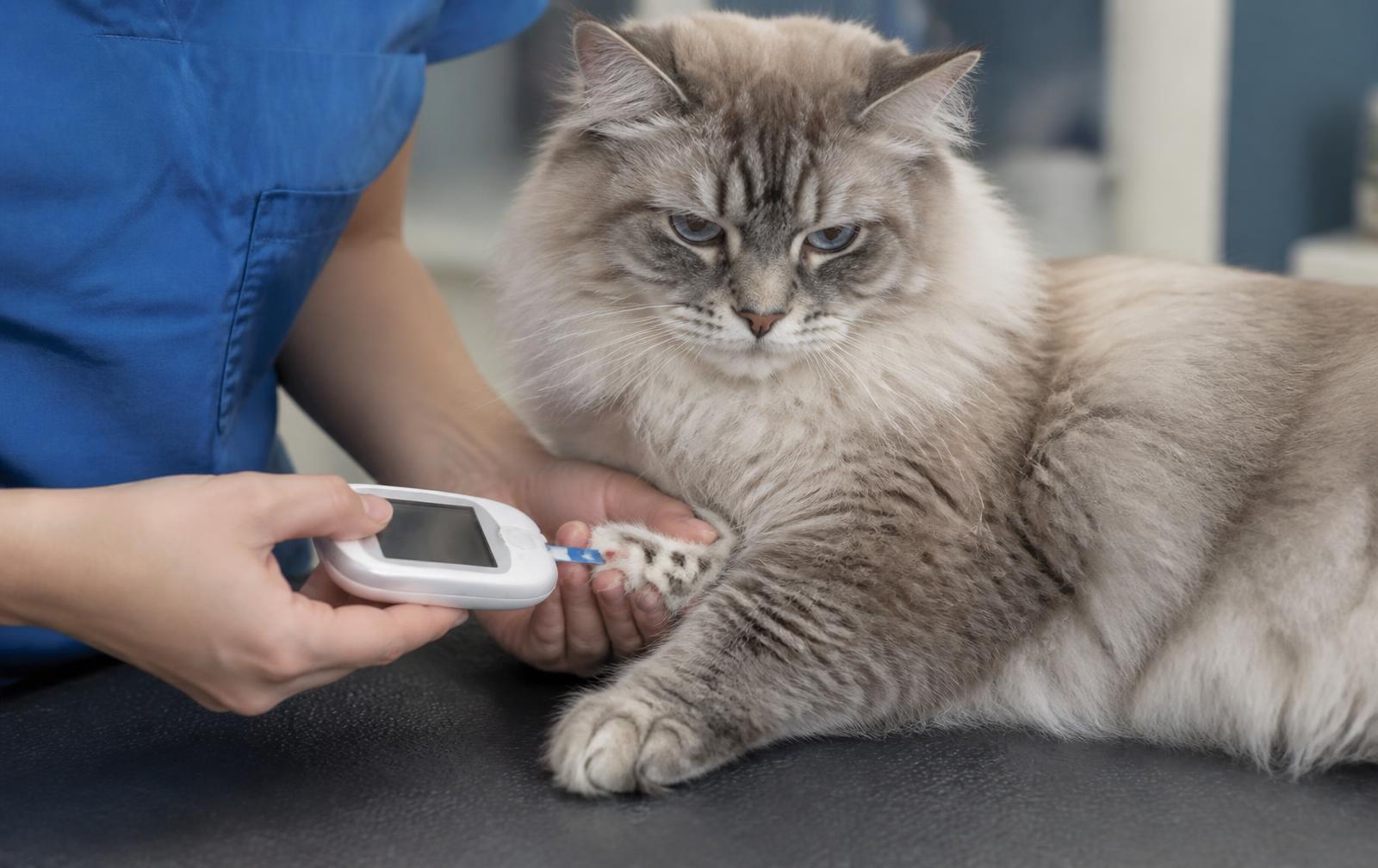
A diagnosis of feline diabetes often triggers a wave of worry, but with the right feeding approach, most diabetic cats go on to live full, active lives. Diet is actually one of the most powerful tools you and your vet have for managing this condition day to day.
In short: Diabetic cats generally do best on a low-carbohydrate, high-protein diet, fed on a consistent schedule that's coordinated with insulin therapy when prescribed. Weight management, portion control, and close monitoring of blood glucose are central to successful management. Diet and treats support this plan but never replace veterinary diagnosis, insulin dosing, or medical monitoring, all of which must be guided by your vet.
Understanding Feline Diabetes
Feline diabetes mellitus occurs when a cat's body either doesn't produce enough insulin or doesn't use it effectively, leading to elevated blood glucose levels. Most diabetic cats have Type 2-like diabetes, closely linked to obesity and insulin resistance, making it one of the more preventable chronic conditions in cats. The AVMA notes that overweight cats are significantly more likely to develop diabetes, which is a growing concern as indoor, sedentary cat lifestyles become more common across Indian households.
Common Symptoms
- Increased thirst and urination
- Weight loss despite a normal or increased appetite
- Lethargy or weakness
- A stiff, flat-footed walking gait (in advanced cases)
- Poor coat condition
If you notice these signs, a vet visit for blood and urine testing is essential — diabetes cannot be diagnosed or managed through diet changes alone.
Why Low-Carbohydrate Diets Matter
Cats are obligate carnivores, meaning their bodies are evolutionarily designed to derive energy primarily from protein and fat, not carbohydrates. Many commercial dry cat foods are relatively high in carbohydrates for manufacturing reasons (they need starch to hold kibble shape), which can contribute to blood sugar spikes and insulin resistance over time. The Cornell Feline Health Center has published extensively on how low-carbohydrate, high-protein diets can help some diabetic cats achieve better glycaemic control, and in some cases, even reach diabetic remission when combined with appropriate insulin therapy.
What "Low-Carb" Looks Like in Practice
| Food Type | Typical Carbohydrate Content | Suitability for Diabetic Cats |
|---|---|---|
| Dry kibble (standard) | 30-50% of calories | Generally not recommended |
| Dry kibble (low-carb formula) | 10-20% of calories | Better, but wet food is often preferred |
| Wet/canned food (standard) | 5-15% of calories | Often suitable |
| Wet food (therapeutic diabetic formula) | Under 10% of calories | Frequently recommended by vets |
| Lickable treats (named-protein, no fillers) | Minimal starch content | Suitable in moderation as part of overall plan |
Always check labels carefully, since "grain-free" doesn't automatically mean low-carbohydrate — some grain-free foods substitute peas, potatoes, or tapioca, which can still contribute significant carbohydrate load. Our guide on how to read cat food labels walks through exactly how to spot these substitutions.
Building a Feeding Routine for a Diabetic Cat
Consistency Is Everything
Diabetic cats, especially those on insulin, need highly consistent feeding times and portions. Sudden changes in meal size or timing can cause dangerous blood sugar swings, particularly hypoglycaemia if insulin dosing isn't matched to actual food intake. Most vets recommend feeding at the same times as insulin injections, typically twice daily, to keep glucose levels as stable as possible throughout the day.
Weight Management
Since obesity is a major driver of feline diabetes, achieving and maintaining a healthy weight is one of the most impactful things you can do. This should always be done gradually and under veterinary guidance, since rapid weight loss in cats can trigger a dangerous liver condition called hepatic lipidosis. Your vet can help set a safe, gradual weight-loss target with appropriate calorie goals.
Transitioning Diets Safely
If your vet recommends switching your cat to a new diabetic-friendly diet, do it gradually over 7-10 days, mixing increasing proportions of the new food with the old to avoid digestive upset. Diabetic cats can be sensitive to sudden dietary changes, and any transition should be closely monitored alongside blood glucose checks, especially if your cat is on insulin, since improved diet quality can sometimes reduce insulin requirements.
Treats for Diabetic Cats: What to Look For
Treats remain an important part of bonding and daily routine even for diabetic cats, but they need extra scrutiny. The ideal treat for a diabetic cat is:
- Low in carbohydrates and starches — no wheat, corn, rice, or potato fillers.
- High in named, real protein rather than vague meat by-products.
- Free of added sugars in any form, including molasses or syrups sometimes used in treat coatings.
- Given in strict moderation, factored into the day's total calorie and carbohydrate allowance.
This is exactly why real-protein, filler-free lickable treats can be a sensible option for many diabetic cats, always with your vet's approval for your cat's specific case. Cleos treats are made with real named protein like Real Tuna, Tuna & Shrimp, or Chicken, contain no fillers, and are fortified with L-Taurine and Vitamin E — meaning there's no starch-heavy filler diluting the nutrition, unlike many mass-market treats. For a diabetic cat, avoiding unnecessary carbohydrate load in treats matters just as much as it does in main meals. That said, always run any new treat past your vet before introducing it regularly, since even low-carb treats need to be factored into your cat's overall daily plan. For more background on what actually goes into treats, see our post on worst cat food ingredients and protein content in cat treats.

Monitoring and Long-Term Management
Successful diabetes management is a partnership between you, your vet, and consistent daily observation. Key monitoring practices include:
- Regular blood glucose curves or continuous glucose monitors, as recommended by your vet.
- Tracking water intake and urination, since increased thirst can signal poor glucose control.
- Watching body weight monthly, since both weight gain and unexpected weight loss are red flags.
- Noting appetite changes, since reduced appetite in a diabetic cat on insulin can be dangerous and requires prompt vet attention.
The icatcare.org diabetes resources emphasise that home monitoring, done consistently, often gives vets better data than periodic clinic visits alone, helping fine-tune insulin dosing over time. Never adjust insulin dosages yourself based on home readings — always coordinate changes with your vet.
Some Cats Achieve Remission
With early diagnosis, consistent low-carbohydrate feeding, weight management, and appropriate insulin therapy, some diabetic cats achieve remission, meaning they no longer require insulin injections. This isn't guaranteed for every cat, but it's a realistic goal that motivates many pet parents to stay disciplined with diet and monitoring. Even cats who don't reach full remission typically see improved quality of life and more stable glucose control with dedicated dietary management.
Join the Cleos Waitlist: Managing a diabetic cat's diet takes real dedication, and every treat choice matters. Cleos lickable treats are made with real named protein, no fillers, and are fortified with L-Taurine and Vitamin E, so you're never adding empty carbohydrate load to your cat's day. Join the waitlist at https://getcleos.in/#waitlist.
Frequently Asked Questions
Can a diabetic cat eat wet food only?
Yes, and many vets specifically recommend it. Wet food is naturally lower in carbohydrates than dry kibble and has higher moisture content, which supports hydration and kidney health, both important for diabetic cats. Some therapeutic wet diets are specifically formulated to be very low in carbohydrates to support glycaemic control. Always transition gradually and confirm the specific product with your vet, since not all wet foods are equally low-carb.
How often should I feed my diabetic cat?
Most vets recommend two meals a day, timed closely with insulin injections if your cat is on insulin therapy, to keep blood glucose as stable as possible. Some vets suggest smaller, more frequent meals for cats prone to glucose spikes. The key is consistency — feeding at the same times and portions daily helps your vet accurately interpret glucose readings and adjust treatment as needed, so avoid ad hoc feeding schedules.
Are grain-free treats automatically safe for diabetic cats?
Not necessarily. "Grain-free" only means the product avoids wheat, corn, or rice specifically — it can still contain high-carbohydrate substitutes like peas, potatoes, or tapioca starch. Always check the actual ingredient list and, where possible, the carbohydrate percentage rather than relying on marketing terms. Our article on fillers in premium cat treats explains how to spot these hidden carbohydrate sources in treat ingredient lists.
Can diabetic cats have occasional treats like tuna or chicken?
Generally yes, in small, controlled amounts, as long as the treat is low in carbohydrates and doesn't contain added sugars or starchy fillers. Real, named-protein treats like plain cooked chicken or cat-safe tuna preparations tend to be diabetic-friendly choices. Always factor treats into your cat's total daily calorie and carbohydrate allowance, and check with your vet before making treats a regular part of a diabetic cat's routine, especially if your cat is also managing weight loss.
What happens if a diabetic cat misses a meal?
Missing a meal can be dangerous for a diabetic cat on insulin, since insulin dosing is typically calculated based on expected food intake — without enough food, blood glucose can drop too low, causing hypoglycaemia. If your cat refuses food around an insulin dose, contact your vet immediately rather than administering the dose as usual. Keeping a small emergency plan ready, as advised by your vet, is an important part of managing diabetic cats safely.
Keep Cleos close
Get more Cleos stories on Google
Add Cleos as a preferred source to make our cat care guides easier to find in Google.
Add to Preferred SourcesFound this useful? Share it
Treats worth reading the label for.
Cleos lickable treats are built on real, named ingredients — Real Chicken, Real Tuna, Tuna & Shrimp and Chicken & Veggies — with zero artificial fillers.
Join the Cleos waitlistKeep reading
Travel Carriers and Cat Crates: Stress-Free Transport
Choose the right cat carrier or crate and learn practical tips for calmer vet visits, car trips, and moves with your feline companion.
Read more →

Pet Cameras and Monitoring: Tech for Checking on Your Cat
A practical guide to pet cameras and monitoring systems for cats, covering features, placement, and how to use them without over-worrying.
Read more →
Food and Water Bowls: Material, Design, and Health Considerations
Compare cat food bowls and water bowls by material and design, including stainless steel bowls, to protect whisker health and hygiene.
Read more →