Eye Health in Cats: Common Issues and Vision Care
Learn to spot common feline eye problems early, from conjunctivitis to cataracts, and how taurine and regular care protect your cat's vision.
By the Cleos team · 1 November 2027 · 4 min read
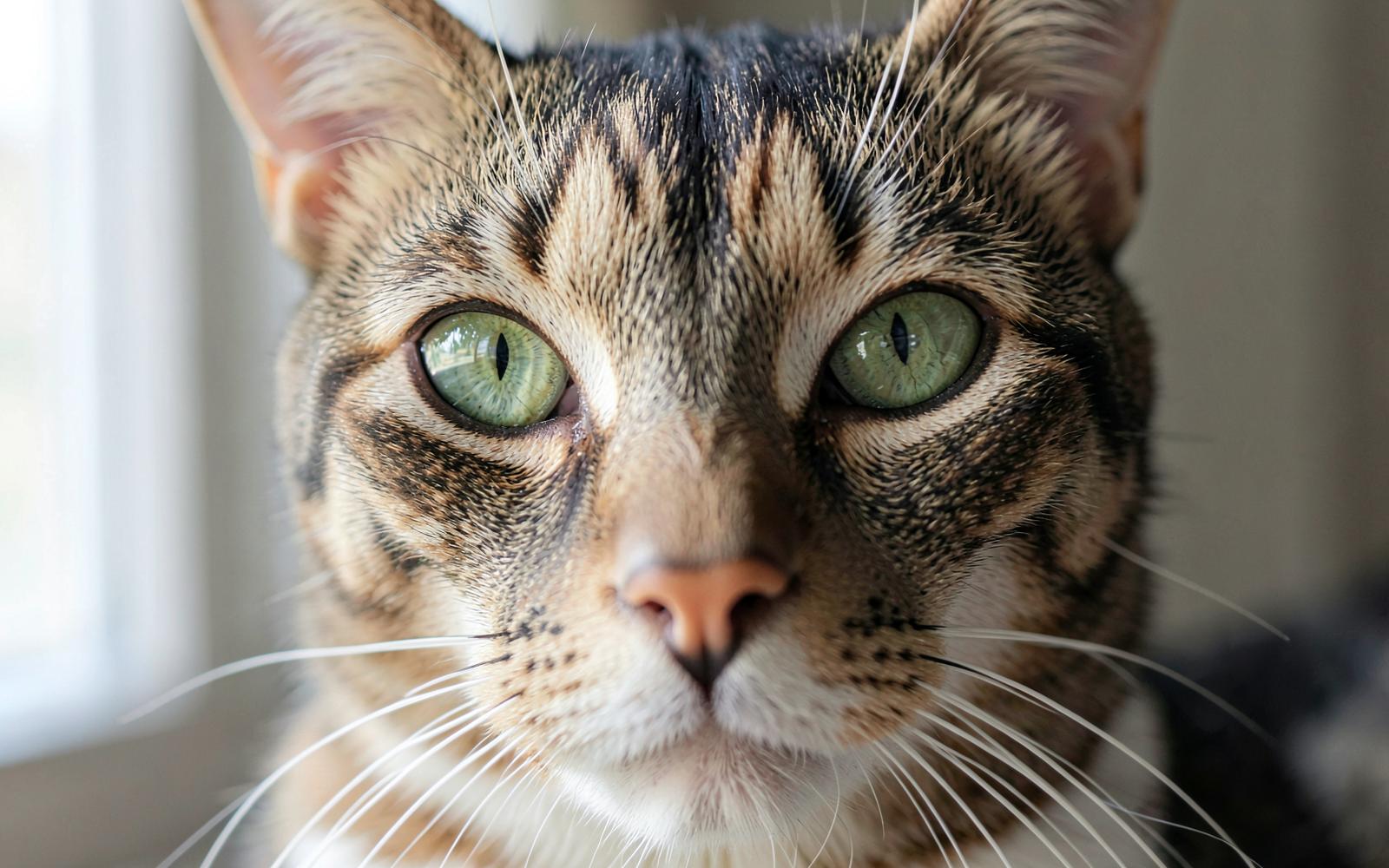
Cats rely on keen senses, and their eyes, adapted for low-light hunting, are among their most remarkable features. But cat eyes are also vulnerable, and because cats hide discomfort well, vision problems often go unnoticed until they're advanced. Knowing what healthy eyes look like helps you catch changes early.
In short: Healthy cat eyes are bright, clear, and free of discharge, with equal-sized pupils and no cloudiness or squinting. Warning signs include persistent tearing, cloudiness, redness, visible third eyelid, bumping into furniture, or hesitation jumping. Nutrition plays a supporting role, taurine deficiency, though rare on complete diets, causes irreversible retinal degeneration. Any sudden eye change warrants a prompt vet visit.
What Healthy Cat Eyes Look Like
Make a habit of looking at your cat's eyes during cuddle time. Healthy eyes show:
- Clear, bright surface with no cloudiness or film
- Equal pupils that respond to light together
- Minimal discharge: a tiny bit of sleep crust in the corners is normal
- No squinting or pawing at the face
- Third eyelid hidden: the pale membrane in the inner corner should barely be visible
Common Eye Problems in Cats
Conjunctivitis
Inflammation of the eye's pink lining, causing redness, squinting, and discharge. Often viral (feline herpesvirus is a frequent culprit, especially in cats from shelter backgrounds) or bacterial, and sometimes allergy-related.
Corneal Ulcers
Scratches or injuries to the cornea, often from cat fights or rough play. Painful, cats squint and tear heavily. Ulcers need prompt treatment to prevent deeper damage.
Cataracts
Clouding of the lens, less common in cats than dogs but seen in seniors and diabetic cats, appearing as a milky film behind the pupil.
Retinal Disease
The retina can degenerate from taurine deficiency (rare today thanks to taurine-fortified foods), hypertension in senior cats, or inherited conditions. High blood pressure from kidney disease or hyperthyroidism can cause sudden retinal detachment and blindness.
Glaucoma
Painful pressure buildup inside the eye. The eye may look enlarged, cloudy, or red. A true emergency.
Signs of Vision Loss at Home
Cats adapt remarkably well to gradual vision loss, so watch for subtle changes:
- Hesitation before jumping, or missing jumps they used to make easily
- Bumping into furniture, especially after rearranging a room
- Walking with whiskers pushed forward and body low
- Startling easily when touched
- Changes in pupil appearance, constantly dilated, unequal, or unresponsive to light
- Reluctance to move in dim lighting
Any sudden blindness is an emergency, sudden blindness in cats is often caused by retinal detachment from high blood pressure, and treatment within hours can sometimes restore sight.
Nutrition's Role in Eye Health
Taurine: The Vision Amino Acid
Cats cannot synthesise enough taurine on their own. It must come from their diet. Taurine deficiency causes feline central retinal degeneration, leading to irreversible blindness, along with heart disease (dilated cardiomyopathy). Before taurine's role was understood in the 1980s, deficiency was common; today, all complete commercial cat foods are fortified.
Taurine is found naturally in animal muscle and organ tissue, another reason real named protein matters. When choosing treats and food, animal-protein-first recipes naturally contribute taurine. This is one reason treats built on real chicken or tuna align better with feline biology than carb-based biscuits.
Antioxidants
Vitamin E and other antioxidants help protect delicate eye tissues from oxidative damage, particularly in aging cats.
Everyday Eye Care
- Look weekly: a quick, calm eye check during petting catches changes early.
- Wipe gently: remove corner discharge with a soft damp cloth, using a fresh area for each eye.
- Never use human eye drops. Many are harmful to cats; use only vet-prescribed products.
- Monitor senior cats' blood pressure: ask your vet about checks for cats over 10, since hypertension threatens retinas.
- Keep vaccinations current: feline herpesvirus vaccination reduces conjunctivitis severity.
Join the Cleos Waitlist: Cleos treats are made with real named animal protein, a natural source of taurine, the amino acid your cat's eyes and heart depend on. Be first to try them at https://getcleos.in/#waitlist.
Frequently Asked Questions
Why is my cat's third eyelid showing?
A visible third eyelid (the pale membrane in the inner corner) often signals that something's off, dehydration, intestinal parasites, digestive upset, or general illness can all cause it to protrude, sometimes in both eyes at once. If it stays visible for more than a day or appears alongside lethargy or appetite changes, see your vet.
Can cats see in complete darkness?
No, cats need some light to see, but they need far less than we do. Their eyes gather about six times more light than human eyes thanks to a reflective layer behind the retina (the tapetum lucidum, which causes that green eyeshine in photos). In truly total darkness, cats navigate by whiskers and memory instead.
Is a little eye discharge normal?
A small amount of clear or slightly rusty-coloured crust in the inner corners after sleep is normal, tears contain pigments that oxidise reddish-brown. Discharge that is yellow, green, thick, or accompanied by squinting or redness is not normal and needs a vet look.
Do senior cats commonly lose their vision?
Gradual lens changes are common and usually mild, but significant vision loss in seniors often traces to high blood pressure damaging the retinas, frequently secondary to kidney disease or hyperthyroidism. Regular senior vet checks that include blood pressure measurement are the best prevention, since early hypertension treatment protects eyesight.
Keep Cleos close
Get more Cleos stories on Google
Add Cleos as a preferred source to make our cat care guides easier to find in Google.
Add to Preferred SourcesFound this useful? Share it
Treats worth reading the label for.
Cleos lickable treats are built on real, named ingredients: Real Chicken, Real Tuna, Tuna & Shrimp and Chicken & Veggies. No artificial fillers.
Join the Cleos waitlistKeep reading
Travel Carriers and Cat Crates: Stress-Free Transport
Choose the right cat carrier or crate and learn practical tips for calmer vet visits, car trips, and moves with your feline companion.
Read more →
Pet Cameras and Monitoring: Tech for Checking on Your Cat
A practical guide to pet cameras and monitoring systems for cats, covering features, placement, and how to use them without over-worrying.
Read more →
Food and Water Bowls: Material, Design, and Health Considerations
Compare cat food bowls and water bowls by material and design, including stainless steel bowls, to protect whisker health and hygiene.
Read more →