Onions and Garlic in Cat Food: Why It's Dangerous
Why onions and garlic cause Heinz body hemolytic anemia in cats, how little it takes, the hidden sources in everyday food, and the symptoms every cat parent should know.
By the Cleos team · 28 September 2026 · 9 min read
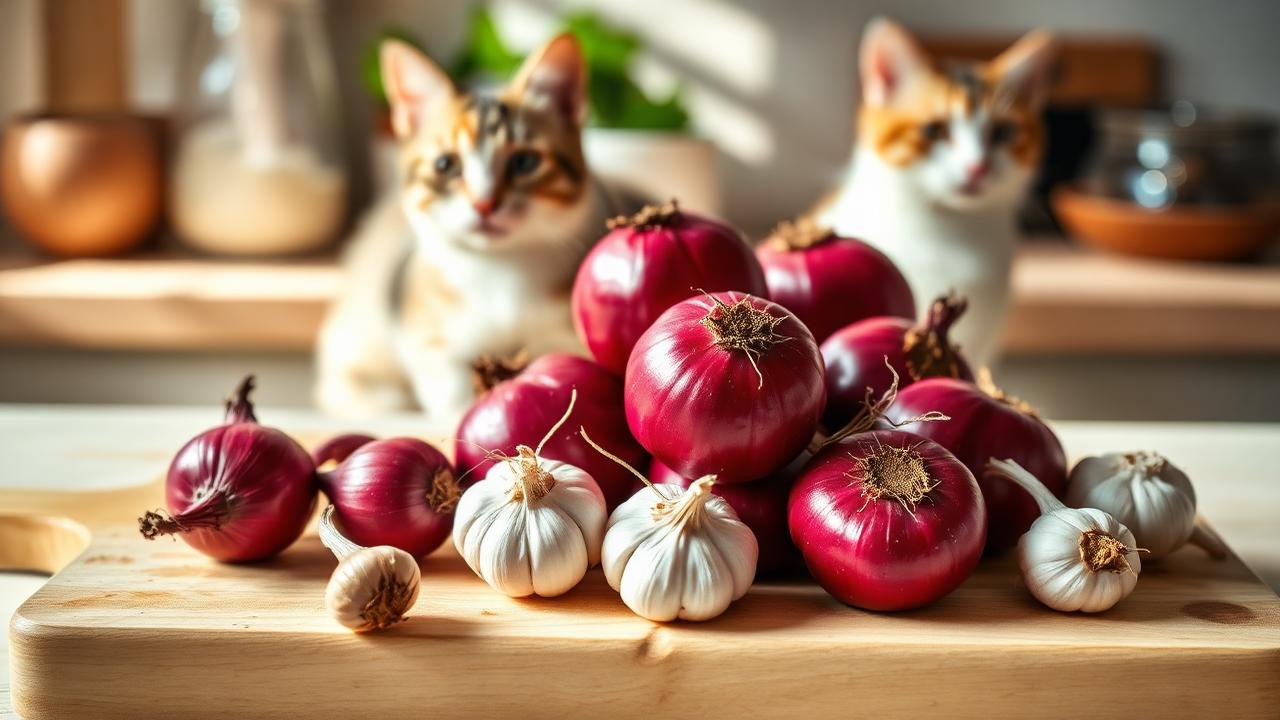
Ask any Indian cat parent about "human food scraps" and you will likely hear about a bowl of dal, a piece of roti, or leftover curry gravy shared with a beloved cat. What most people do not realise is that the onion and garlic simmered into that gravy is quietly toxic to cats, and even small, repeated amounts can cause serious harm over time.
In short: Onions, garlic, leeks, chives, and shallots (the allium family) contain compounds that damage a cat's red blood cells, leading to a condition called hemolytic anemia. There is no truly "safe" amount for regular feeding, toxicity is cumulative, and hidden allium powders in gravies, broths, baby food, and even some pet foods make this one of the most under-recognised dangers in Indian kitchens.
The Allium Family and Why It Is Toxic to Cats
Onions, garlic, leeks, chives, and shallots all belong to the plant genus Allium. These plants contain sulfur-based organosulfur compounds, most notably N-propyl disulfide and related thiosulphates, which are harmless to most humans but highly toxic to cats and dogs.
Cats lack sufficient levels of an enzyme called glucose-6-phosphate dehydrogenase, which makes them especially vulnerable to oxidative damage from these compounds. When a cat ingests allium compounds, the oxidants attack hemoglobin inside red blood cells, causing it to denature and clump. This damaged hemoglobin forms clusters known as Heinz bodies, which make red blood cells rigid, fragile, and prone to rupture. The result is a condition called hemolytic anemia — a dangerous drop in functional red blood cells that reduces the amount of oxygen a cat's body can carry.
Garlic is generally considered more potent than onion, roughly five times so by weight, but both are dangerous. Cooking, drying, or powdering these vegetables does not neutralise the toxic compounds — in fact, dehydrated and powdered forms are often more concentrated than the fresh vegetable.
How Much Is Too Much?
Veterinary toxicology references, including guidance referenced by the ASPCA Animal Poison Control Center, suggest that ingestion of as little as 5 grams of onion per kilogram of a cat's body weight can cause clinically significant damage. For an average 4 kg cat, that is a surprisingly small amount — roughly a few teaspoons of raw or cooked onion.
The danger is also cumulative. A cat that receives small amounts of onion or garlic-flavoured gravy every day may not show symptoms after the first exposure, but repeated small doses can build toxicity over days or weeks, eventually triggering anemia even though no single meal seemed "large enough" to cause harm.
Hidden Sources of Onion and Garlic in Indian Homes
Many cat parents are careful never to hand-feed raw onion or garlic, yet their cats are still exposed through indirect sources. This is one of the most common blind spots discussed in our guide to harmful ingredients to avoid in cat food.
- Table scraps and curry gravies — Most Indian dals, sabzis, and non-vegetarian curries start with an onion-garlic base. Even a small lick of gravy off a plate can add up over a week.
- Store-bought broths and stocks — Many packaged chicken or vegetable broths contain onion or garlic powder as a flavour base, even when the label emphasises "chicken" prominently.
- Baby food — Some cat parents use baby food as a palatable way to administer medication, not realising that many savoury baby food jars contain onion or garlic powder as seasoning.
- Seasoned or flavoured pet treats — Some lower-quality commercial treats and "human-grade" style products use onion or garlic powder for flavour enhancement, which is why reading full ingredient panels matters, as we explain in how to read cat food labels.
- Leftover fried snacks and namkeen — Many Indian snack mixes are seasoned with onion or garlic powder and are sometimes shared as "treats" without a second thought.
- Soup powders and instant noodle seasoning sachets — These are concentrated allium sources that pet parents rarely suspect.
Symptoms and Timeline of Onion or Garlic Toxicity
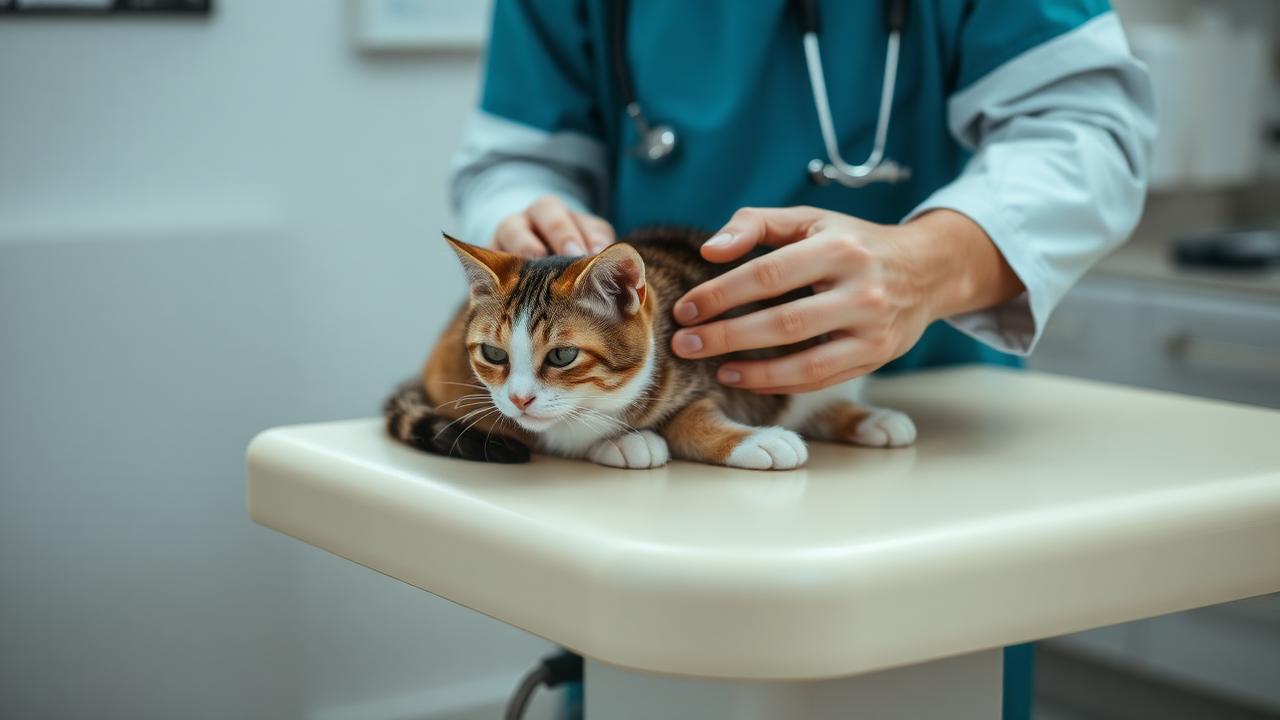
Because hemolytic anemia develops as red blood cells break down over time, symptoms of onion or garlic toxicosis often do not appear immediately. This delay is part of what makes the condition dangerous — by the time visible signs show up, meaningful red blood cell damage may have already occurred.
| Timeframe | Typical Signs |
|---|---|
| Within a few hours | Vomiting, diarrhea, reduced appetite, drooling |
| 1–4 days | Lethargy, weakness, pale or yellowish gums |
| 2–7 days | Rapid breathing, elevated heart rate, dark or orange-tinged urine |
| Severe/advanced cases | Collapse, jaundice, marked pale gums indicating significant anemia |
If you notice pale gums, unusual tiredness, or reddish-brown urine in a cat that has had access to onion, garlic, or gravy-based foods, this should be treated as an emergency. The Cornell Feline Health Center and Pet Poison Helpline both list alliums among the most common and preventable toxic exposures seen in cats.
Diagnosis and Treatment
If a veterinarian suspects onion or garlic toxicity, diagnosis typically involves a combination of history-taking (has the cat had access to onion, garlic, or gravy-based food?) and laboratory tests.
Common Diagnostic Steps
A veterinarian will usually run a complete blood count to check for a drop in red blood cell numbers and hematocrit, along with a blood smear examination to look for Heinz bodies, which appear as small round inclusions on the surface of red blood cells. Urinalysis may also reveal hemoglobin in the urine, a sign of red blood cells breaking down faster than the body can replace them.
Treatment Approach
There is no direct antidote for allium toxicity, so treatment is supportive and focuses on managing the effects of oxidative damage:
- Decontamination — If ingestion was recent (within a couple of hours), a vet may induce vomiting or administer activated charcoal to limit further absorption.
- Intravenous fluids — Fluids help support circulation, protect kidney function, and dilute circulating toxins.
- Oxygen therapy — In cases of significant anemia, supplemental oxygen may be needed to support the body while red blood cells regenerate.
- Blood transfusion — In severe cases where hematocrit drops critically low, a transfusion may be lifesaving.
- Monitoring — Follow-up blood work over several days tracks recovery, since red blood cell regeneration takes time.
Most cats recover fully with prompt veterinary care, but severe or repeated exposures can be fatal, particularly in kittens, senior cats, or cats with pre-existing kidney or heart conditions. According to the American Veterinary Medical Association (AVMA), prevention through careful ingredient awareness remains far more effective than treatment after the fact.
Why This Matters When Choosing Treats
Because onion and garlic toxicity is cumulative and easy to miss, the safest approach is to eliminate the risk at the source: never offer table scraps from onion-garlic based cooking, and scrutinise every packaged treat label for hidden allium powders. This is especially important for lickable and gravy-style treats, which are designed to be highly palatable and are often consumed enthusiastically in larger quantities than dry treats — a topic we explore in why cats love lickable treats.
This is one of the founding reasons behind how Cleos formulates its recipes. Every Cleos lickable treat — whether Real Chicken, Real Tuna, Tuna & Shrimp, or Chicken & Veggies — is made with named, whole-food ingredients and contains zero onion, zero garlic, and no allium derivatives of any kind. We believe cat parents should never have to squint at fine print wondering whether "natural flavouring" might be hiding a toxic seasoning base. For a deeper look at how named ingredients protect cats from exactly this kind of risk, see our article on real protein vs meat meal and named ingredients vs mystery meat.
Formulated Without Compromise: Cleos treats are crafted with real, named proteins and no onion, garlic, or hidden allium powders — ever. Join our waitlist to be notified when we launch across India.
A Quick Kitchen Safety Checklist
Preventing exposure is far simpler than treating it. Keep these habits in mind:
- Never share curry, dal, or gravy leftovers with your cat, however small the portion.
- Check ingredient labels on broths, baby food jars, and seasoning sachets before using them around pets.
- Store raw onions and garlic well out of reach of curious cats, including peels and skins in the kitchen bin.
- Choose treats and toppers with a short, named ingredient list, as discussed in our guide on worst cat food ingredients.
- If in doubt about a food item, treat it as unsafe until confirmed otherwise by a veterinarian or ICatCare resource.
Frequently Asked Questions
Can a small amount of onion or garlic really harm my cat?
Yes. Cats are far more sensitive to allium compounds than humans or dogs, and toxicity is cumulative rather than requiring one large dose. Even a few teaspoons of onion-based gravy, repeated over several days, can damage red blood cells enough to cause hemolytic anemia. There is no scientifically established "safe" amount for regular feeding, so the safest approach is complete avoidance rather than trying to calculate a tolerable dose.
How long after eating onion or garlic do symptoms appear?
Initial digestive symptoms like vomiting or reduced appetite can appear within hours, but the more serious signs of anemia, such as pale gums, lethargy, and dark urine, often take one to seven days to develop as damaged red blood cells gradually break down. This delay is why many cat parents miss the connection between a food exposure and their cat becoming unwell days later.
Is garlic more dangerous than onion for cats?
Garlic is generally considered more potent than onion, roughly five times so by weight, due to a higher concentration of toxic organosulfur compounds. However, both are dangerous, and neither should be considered a "safer" alternative to feed a cat under any circumstances, including as a home remedy for parasites, which is a myth some pet parents unfortunately still believe.
Does cooking or powdering onion and garlic destroy the toxin?
No. Cooking, dehydrating, or powdering onion and garlic does not neutralise the toxic organosulfur compounds responsible for hemolytic anemia. In fact, powdered and dehydrated forms are often more concentrated by weight than the fresh vegetable, making onion powder or garlic powder in broths, seasoning mixes, and processed foods a significant hidden risk.
What should I do if my cat eats something containing onion or garlic?
Contact your veterinarian or an animal poison control resource immediately, even if your cat seems fine. Note the approximate amount consumed and how long ago it happened, since early decontamination is most effective within the first couple of hours. Watch closely for vomiting, lethargy, pale gums, or dark urine over the following week, and seek in-person veterinary evaluation promptly if any of these develop.
Are onion and garlic toxic to other pets besides cats?
Yes, dogs are also susceptible to allium toxicity, though cats are generally considered more sensitive due to differences in their red blood cell chemistry. Other animals, including some birds, can also be affected. Regardless of species, the AVMA and major veterinary toxicology bodies recommend keeping all alliums, in any form, completely away from household pets.
Understanding hidden risks like allium toxicity is a core part of responsible feeding, and it is exactly the kind of ingredient-first thinking behind every Cleos recipe. Explore more vet-informed guides on the Cleos Blog, and join our waitlist to be first in line when our onion-free, garlic-free, real-protein treats launch in India.
Keep Cleos close
Get more Cleos stories on Google
Add Cleos as a preferred source to make our cat care guides easier to find in Google.
Add to Preferred SourcesFound this useful? Share it
Treats worth reading the label for.
Cleos lickable treats are built on real, named ingredients — Real Chicken, Real Tuna, Tuna & Shrimp and Chicken & Veggies — with zero artificial fillers.
Join the Cleos waitlistKeep reading
Travel Carriers and Cat Crates: Stress-Free Transport
Choose the right cat carrier or crate and learn practical tips for calmer vet visits, car trips, and moves with your feline companion.
Read more →
Pet Cameras and Monitoring: Tech for Checking on Your Cat
A practical guide to pet cameras and monitoring systems for cats, covering features, placement, and how to use them without over-worrying.
Read more →
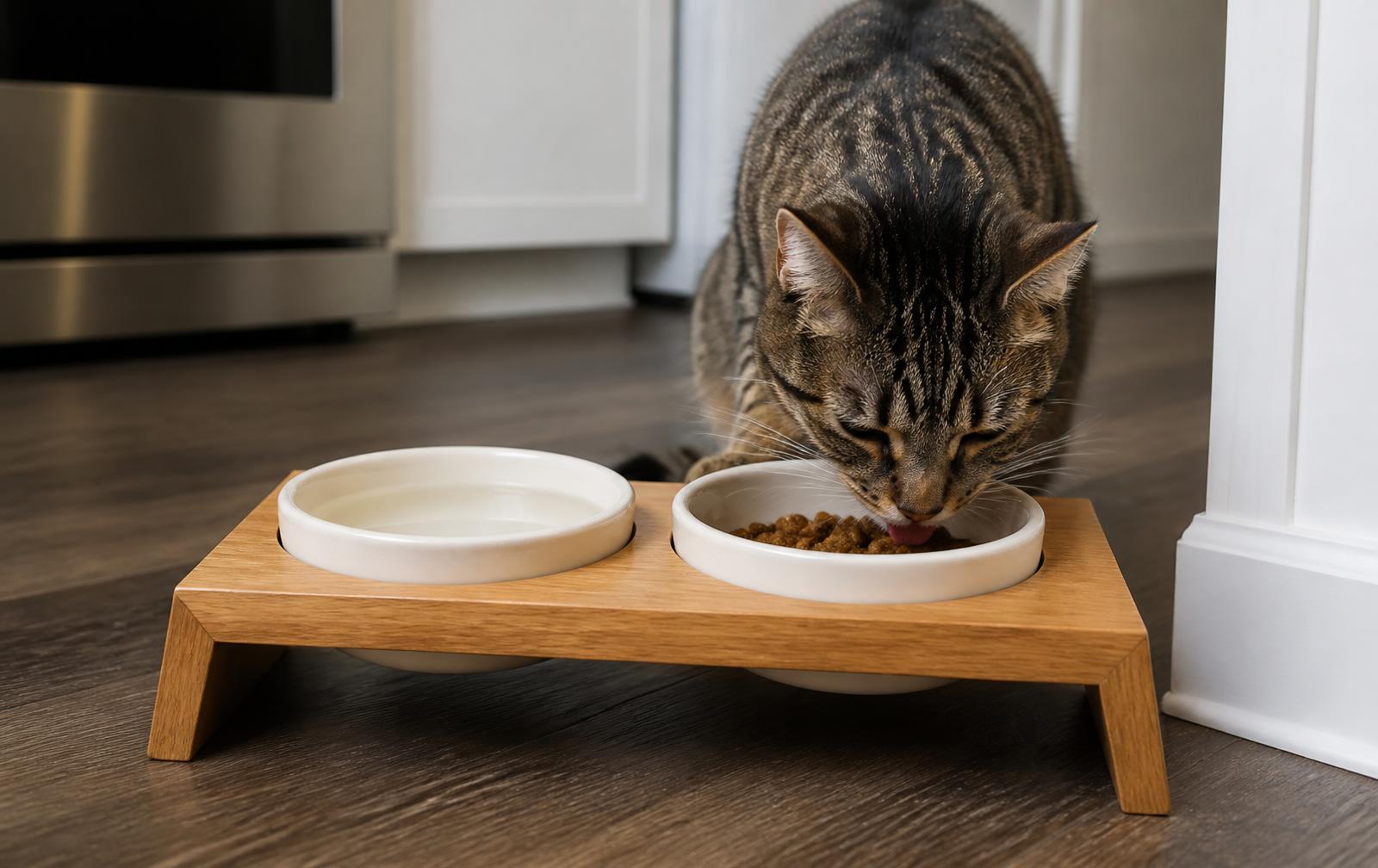
Food and Water Bowls: Material, Design, and Health Considerations
Compare cat food bowls and water bowls by material and design, including stainless steel bowls, to protect whisker health and hygiene.
Read more →