Foods Toxic to Cats: Complete List (Vet-Reviewed)
A vet-reviewed list of foods toxic to cats — onions, garlic, chocolate, grapes, xylitol, alcohol and more — with symptoms, Indian kitchen risks and emergency steps.
By the Cleos team · 21 September 2026 · 9 min read
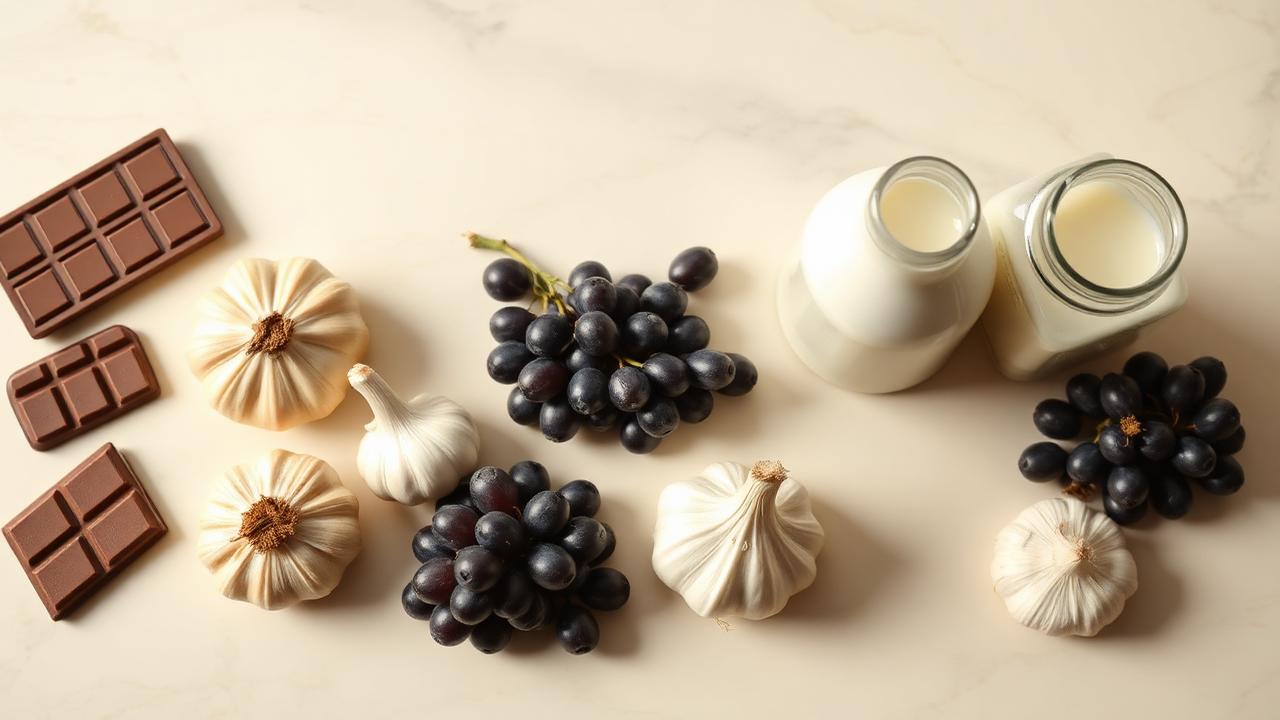
Indian kitchens are full of aromas that humans love and cats find irresistible—simmering onion-garlic masala, warm milk with cardamom, and festival sweets stacked on every counter. Unfortunately, many of these everyday foods are quietly dangerous, even fatal, to cats. Because our feline companions are curious and often underfoot during cooking or celebrations, knowing exactly which foods are toxic to cats is one of the most important things a cat parent can learn.
In short: Onion, garlic, chocolate, grapes/raisins, caffeine, alcohol, xylitol, raw dough, and many "human" foods common in Indian households are poisonous to cats and can cause anything from vomiting to organ failure. If your cat eats something toxic, do not wait for symptoms—contact a vet or animal poison helpline immediately, and in the meantime, keep table scraps away from your cat by offering safe, purpose-made treats like Cleos instead.
Why Cats Are More Vulnerable Than Dogs or Humans
Cats are obligate carnivores with a very specific metabolism. Their livers lack certain enzymes (like glucuronyl transferase) that humans and even dogs use to break down many plant compounds and drugs. This means substances that are mildly irritating to a human—like a clove of garlic or a square of chocolate—can be severely toxic in a cat's much smaller body.
Cats are also tiny compared to us. A dose of onion powder that seems trivial in a large pot of curry can represent a dangerous concentration relative to a 4-kilogram cat's body weight. This is why even "a little taste" of leftovers can tip into toxicity, and why understanding the worst cat food ingredients matters as much for home cooking as it does for store-bought food.
The Complete List of Toxic Foods for Cats
Below is a reference table of common foods that are poisonous to cats, why they are dangerous, and the symptoms to watch for. Keep this list handy, especially during festivals and family gatherings when food is more accessible to a wandering cat.
| Food | Why It's Toxic | Symptoms to Watch For |
|---|---|---|
| Onion, Garlic, Shallots, Leeks | Contain thiosulfates that damage red blood cells, causing hemolytic anemia | Lethargy, pale gums, rapid breathing, vomiting |
| Chocolate & Cocoa | Contains theobromine and caffeine, which cats cannot metabolize efficiently | Restlessness, vomiting, tremors, elevated heart rate |
| Grapes & Raisins | Mechanism unclear, but linked to acute kidney failure | Vomiting, lethargy, decreased urination |
| Caffeine (tea, coffee, chai) | Overstimulates the nervous system and heart | Hyperactivity, tremors, rapid heartbeat |
| Alcohol | Rapidly absorbed, depresses the central nervous system | Disorientation, vomiting, breathing difficulty |
| Xylitol (sugar-free sweets, gum) | Causes a dangerous insulin surge and can damage the liver | Weakness, vomiting, collapse |
| Raw Bread Dough (yeast) | Expands in the stomach and produces alcohol as it ferments | Bloating, disorientation, vomiting |
| Milk & Dairy (in excess) | Most adult cats are lactose intolerant | Diarrhea, vomiting, gas |
| Cooked Bones | Splinter easily and can puncture the digestive tract | Choking, bloody stool, abdominal pain |
| Salty/Spicy Snacks | High sodium and spice levels stress kidneys and stomach lining | Excessive thirst, vomiting, diarrhea |
| Raw Fish (in large amounts) | Contains thiaminase, which destroys vitamin B1 | Loss of appetite, seizures over time |
| Macadamia Nuts | Toxic mechanism unknown, but well documented | Weakness, tremors, hyperthermia |
If you want a broader view of ingredients that seem harmless but are not, our guide on harmful ingredients to avoid in cat food is a useful companion to this list.
Indian Kitchen and Festival Foods to Watch Closely
Indian households have unique risk factors that don't always appear on Western pet-safety lists. Awareness of these everyday items is essential for every cat parent in India.
Onion-Garlic Masala Base
Nearly every Indian curry begins with an onion-garlic base, often cooked down until it is unrecognizable in the final dish. Cats are often fed "a bit of dal" or "curry gravy on rice" as a treat, but even cooked-down onion and garlic retain their toxic thiosulfate compounds. This is one of the most common and underestimated sources of feline poisoning in Indian homes.
Festival Sweets (Mithai)
Ladoos, barfis, and other mithai are frequently made with ghee, khoya, sugar, and sometimes chocolate or nuts. The high sugar and fat content alone can trigger pancreatitis in cats, and if the sweet contains chocolate (as in modern fusion mithai) or raisins, the risk becomes acute. During Diwali and other festivals, keep sweet trays well out of paw's reach.
Raisins in Kheer and Sheera
Kheer, sheera, and many festive puddings are studded with raisins and sometimes cashews. Raisins are one of the more mysterious toxins on this list—vets still do not fully understand why they damage the kidneys, but the effect is well documented and can be fatal even in small quantities. Never let a cat lick the bowl after kheer, however tempting they find the milky aroma.
Chai, Milk, and Coffee
Offering a saucer of chai or milk to a cat is a common gesture of affection in India, but chai typically contains caffeine, and most adult cats are lactose intolerant despite the "cats love milk" stereotype. Plain water is always the safer, healthier offering.
Emergency Steps: What to Do If Your Cat Eats Something Toxic
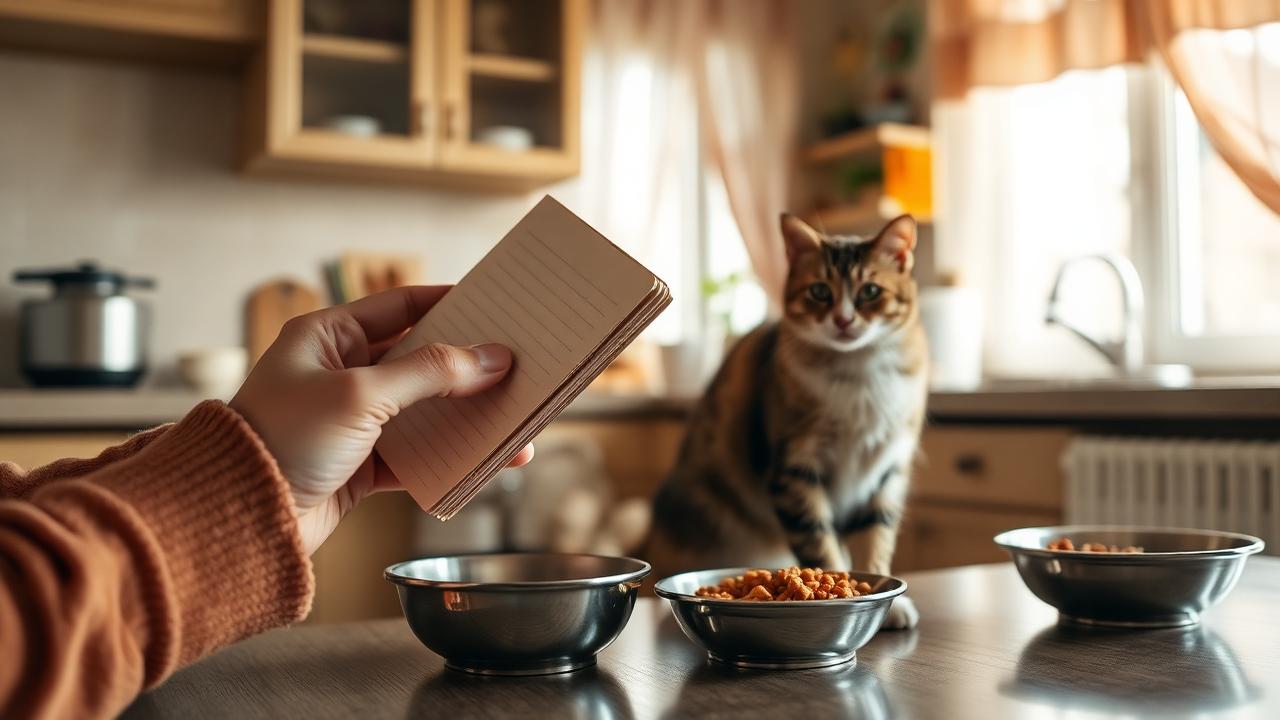
If you catch or suspect your cat has ingested a toxic food, time matters. Follow these steps immediately.
- Stay calm and remove access. Take away any remaining food so your cat cannot eat more, and move other pets away from the area.
- Identify what and how much was eaten. Check labels or recall the recipe—was there onion, chocolate, xylitol, or raisins involved? This information helps the vet decide on treatment.
- Do not induce vomiting at home unless a veterinarian specifically instructs you to. Some substances cause more damage coming back up.
- Call your vet or an animal poison helpline right away. In India, contact your nearest veterinary hospital immediately; internationally recognized resources like the ASPCA Animal Poison Control Center and Pet Poison Helpline publish detailed emergency protocols that most vets reference.
- Watch for delayed symptoms. Some toxins, like onion or raisins, may not show obvious symptoms for 12-24 hours. Even if your cat "seems fine," a vet visit is still recommended.
- Bring the packaging or leftover food to the vet visit if possible, as this speeds up diagnosis and treatment.
According to the AVMA and Cornell Feline Health Center, early intervention dramatically improves outcomes in feline poisoning cases, so it is always better to over-react than under-react.
Why Table Scraps Are a Bigger Risk Than They Seem
Many cat parents assume that a small taste of "human food" is harmless affection, but the cumulative risk adds up over time. Beyond acute toxicity, regular table scraps expose cats to excess salt, spice, and fat that their digestive systems are not built to handle. ICatCare recommends keeping a cat's diet consistent and free from unpredictable human ingredients, precisely because reactions can vary from cat to cat.
The safest way to satisfy a cat's begging behavior at the dinner table is to redirect it toward a treat made specifically for feline biology. This is where named ingredients and clean labels matter—when you know exactly what is in a treat, you eliminate the guesswork that comes with sharing your own plate.
Cleos: A Safe Alternative to Table Scraps
At Cleos, we built our lickable treats specifically so Indian cat parents have a genuinely safe way to bond with their cats over food, without the risks of onion-laced gravy or sugary mithai. Our recipes use:
- Real Chicken, Real Tuna, Tuna & Shrimp, and Chicken & Veggies—no onion, garlic, or seasoning blends of any kind.
- No fillers or artificial additives that could irritate a sensitive stomach; see our breakdown of fillers in premium cat treats for why this matters.
- L-Taurine and Vitamin E, supporting heart and immune health instead of adding empty, risky calories.
- High protein content that satisfies a cat's natural cravings the way meat gravy or festival sweets never should; learn more in our protein content guide.
Instead of handing your cat a spoon of curry or a piece of ladoo next Diwali, a lick of a Cleos pouch gives them the flavour and attention they're asking for, minus the emergency vet visit.
Frequently Asked Questions
Can a small amount of onion really harm my cat?
Yes. Even small, cooked amounts of onion or garlic contain thiosulfates that damage a cat's red blood cells over time, leading to hemolytic anemia. The effect is cumulative, meaning repeated small exposures—like regular bites of curry—can be just as dangerous as one large dose. There is no "safe" amount of onion or garlic for cats, so it is best to avoid sharing any dish that contains them, however diluted the flavor seems.
Is milk actually bad for cats?
Contrary to popular imagery, most adult cats are lactose intolerant because they lose the enzyme lactase after kittenhood. Drinking milk or chai with milk often leads to diarrhea, vomiting, and stomach discomfort rather than any nutritional benefit. Kittens tolerate it slightly better but should ideally only drink kitten-specific formula. Fresh water is always a safer choice, and lickable treats provide hydration without the digestive upset.
What should I do if my cat licks just a little bit of chocolate?
Even a small lick of chocolate warrants caution, as theobromine content varies by chocolate type—dark and baking chocolate are far more concentrated than milk chocolate. Watch closely for restlessness, vomiting, or a racing heartbeat over the next few hours. It is safest to call your vet and describe the type and estimated amount eaten so they can advise whether an in-person visit or monitoring at home is appropriate.
Are raisins really dangerous, or is that a myth?
Raisins and grapes are genuinely toxic to cats, even though the exact toxic compound remains unidentified by veterinary researchers. Some cats can eat a raisin with no visible reaction, while others develop acute kidney failure from a similar amount, making it impossible to predict individual risk. Because the consequences can be fatal and irreversible, festival foods like kheer and sheera containing raisins should always be kept away from cats entirely.
How quickly do symptoms of food poisoning appear in cats?
This varies significantly by toxin. Chocolate and caffeine often cause symptoms within a few hours, while onion-induced anemia and raisin-related kidney damage can take 12 to 48 hours to become apparent. This delay is exactly why you should contact a vet as soon as you suspect ingestion, rather than waiting to see if your cat "looks okay," since early bloodwork can catch problems before visible symptoms appear.
What treats are actually safe to give my cat instead of table food?
Look for treats made from named, single-source proteins with no onion, garlic, seasoning, or artificial sweeteners, and ideally formulated with supportive nutrients like taurine. Reading the label carefully, as explained in our guide on how to read cat food labels, helps you avoid hidden risks. Purpose-made lickable treats, such as those from Cleos, are designed around feline biology rather than human taste, making them a genuinely safer everyday reward.
Keeping toxic foods out of paw's reach is one of the simplest ways to protect your cat's long-term health, especially in a food-loving culture like ours. For more vet-informed guidance on feline nutrition, explore the Cleos Blog, and when you're ready to switch your cat to treats made with real, safe ingredients, Join our waitlist to be notified as soon as we launch in India.
Keep Cleos close
Get more Cleos stories on Google
Add Cleos as a preferred source to make our cat care guides easier to find in Google.
Add to Preferred SourcesFound this useful? Share it
Treats worth reading the label for.
Cleos lickable treats are built on real, named ingredients — Real Chicken, Real Tuna, Tuna & Shrimp and Chicken & Veggies — with zero artificial fillers.
Join the Cleos waitlistKeep reading
Travel Carriers and Cat Crates: Stress-Free Transport
Choose the right cat carrier or crate and learn practical tips for calmer vet visits, car trips, and moves with your feline companion.
Read more →

Pet Cameras and Monitoring: Tech for Checking on Your Cat
A practical guide to pet cameras and monitoring systems for cats, covering features, placement, and how to use them without over-worrying.
Read more →
Food and Water Bowls: Material, Design, and Health Considerations
Compare cat food bowls and water bowls by material and design, including stainless steel bowls, to protect whisker health and hygiene.
Read more →