Why Your Cat Is Vomiting: When It's Diet-Related
Explore common diet-related causes of cat vomiting, feline vomiting warning signs, and how quality ingredients can reduce digestive upset.
By the Cleos team · 18 January 2027 · 6 min read
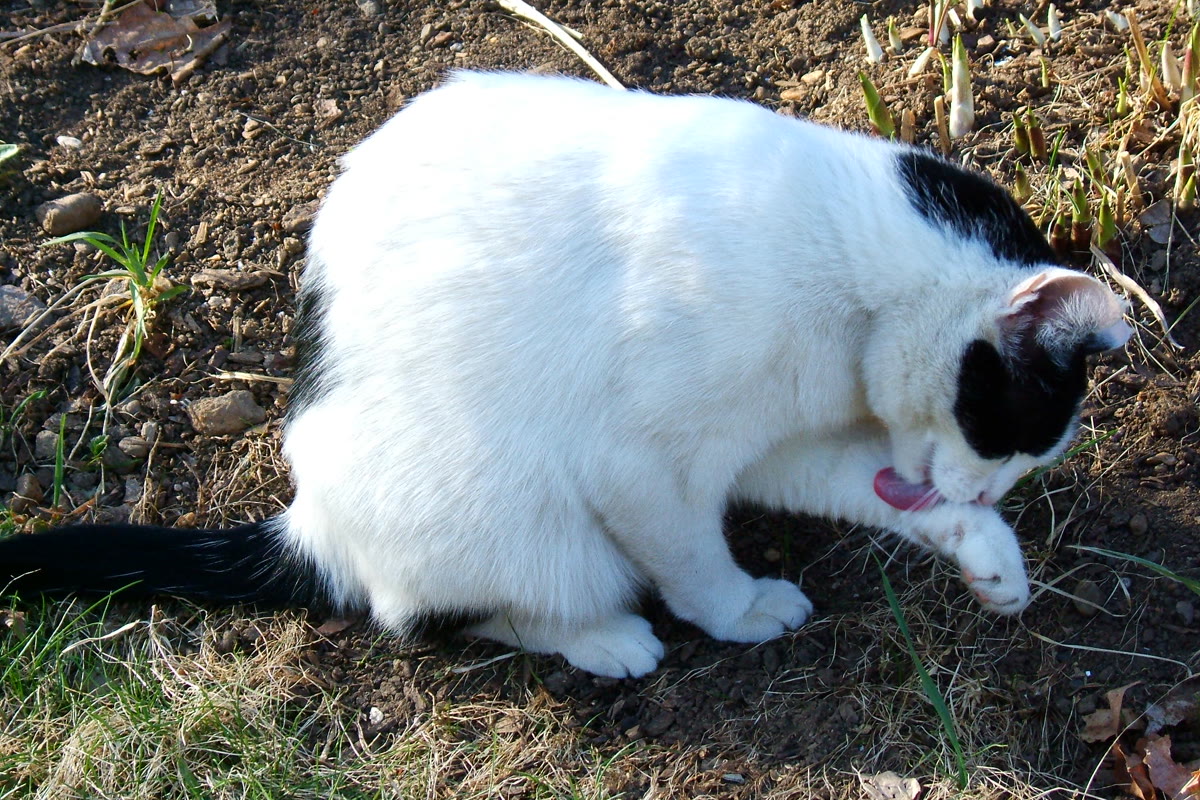
Cat vomiting is one of the most common reasons Indian cat parents worry and rush to search online. Sometimes it's nothing serious, and sometimes it's a sign that something in the diet — or beyond it — needs attention.
In short: Occasional vomiting can be linked to eating too fast, hairballs, or a sudden diet change, but frequent or repeated vomiting should always be checked by a vet, as it can also signal illness unrelated to food. Feeding quality, named-protein foods and treats without harsh fillers or artificial additives can reduce diet-related digestive upset, but treats are never a substitute for veterinary diagnosis or treatment.
Common Diet-Related Causes of Vomiting in Cats
Not all vomiting is an emergency, but understanding the pattern helps you decide when to worry.
- Eating too fast — common in multi-cat Indian households where cats compete for food.
- Sudden food changes — switching brands or flavours abruptly can upset the gut.
- Food intolerances — some cats react poorly to specific proteins or fillers like excess grain, soy or wheat gluten.
- Hairballs — especially in longer-haired breeds or heavy groomers, though this is more a grooming issue than a "food" one directly.
- Low-quality fillers — cheap bulking agents can be harder to digest and irritate sensitive stomachs.
- Spoiled or expired food — especially risky in India's heat and humidity if food isn't stored properly.
According to the Cornell Feline Health Center, vomiting is a non-specific symptom that can be caused by dozens of conditions, from simple dietary indiscretion to kidney disease, pancreatitis or foreign body obstruction — which is exactly why persistent vomiting deserves professional diagnosis rather than guesswork.
When Vomiting Is NOT Just About Diet
Vomiting can also point to serious, non-dietary issues such as:
- Ingested toxins or plants (see our guide on foods toxic to cats)
- Intestinal parasites
- Kidney or liver disease
- Hyperthyroidism (more common in older cats)
- Intestinal blockages from swallowed objects or hairballs
If vomiting is frequent, accompanied by lethargy, diarrhoea, blood, or weight loss, see a vet immediately rather than trying dietary fixes first.
How Ingredient Quality Affects Digestion
Many cats develop sensitivities not to protein itself, but to how it's processed and what else is added to bulk up cheap food. Low-grade "meat meal" of unclear origin can be harder on digestion than clearly named proteins. We've explained this difference in detail in real protein vs meat meal and named ingredients vs mystery meat.
Ingredients That Commonly Trigger Digestive Upset
| Ingredient Type | Why It Can Cause Issues | Better Alternative |
|---|---|---|
| Unnamed "meat meal" | Inconsistent quality, harder to digest | Named protein like real chicken/tuna |
| Artificial colours/flavours | Can irritate sensitive guts | Naturally flavoured, minimal ingredient list |
| Excess fillers (corn, soy) | Bulking agents with low nutritional value | Fibre from digestible, purposeful sources |
| Sudden new proteins | Gut microbiome needs adjustment time | Gradual transition over 7-10 days |
| Spoiled/old treats | Bacterial contamination | Fresh stock, proper sealed storage |
Reading labels carefully makes a real difference here — see our full walkthrough on how to read cat food labels and our list of worst cat food ingredients to avoid.
Reducing Diet-Related Vomiting at Home
Transition Foods Gradually
Whenever you introduce a new food or treat, mix it in gradually over 7-10 days rather than switching overnight. This gives the gut microbiome time to adjust and significantly reduces vomiting episodes tied to diet changes.
Slow Down Fast Eaters
Use slow-feeder bowls or split meals into smaller, more frequent portions if your cat tends to gulp food and vomit shortly after.
Choose Treats With Simple, Quality Ingredients
Since treats are given more casually than meals, it's easy to overlook their ingredient quality. Cleos lickable treats are made with real named protein (Real Tuna, Tuna & Shrimp, Chicken), no fillers, and are fortified with L-Taurine and Vitamin E — designed to be gentle and easy to digest, which matters for cats prone to occasional digestive upset. That said, if your cat has ongoing vomiting, a vet visit to rule out underlying illness always comes first.
Manage Hairballs Proactively
Regular brushing, especially during shedding season, reduces the amount of hair your cat ingests while grooming — a common but often overlooked cause of vomiting.
When to See a Vet Right Away
Seek veterinary care immediately if vomiting is:
- Happening more than once in 24 hours or repeatedly across several days
- Accompanied by blood, unusual colour, or a strong odour
- Paired with lethargy, appetite loss, or diarrhoea
- Sudden and severe, especially after your cat may have eaten something toxic or unusual
The ASPCA Animal Poison Control is a useful resource if you suspect toxin ingestion, and your vet remains the best source for diagnosis and treatment — diet and treats can support gut health, but they cannot replace medical care.
Join the Cleos Waitlist: Give your cat treats made with real named protein, no harmful fillers, and gentle-on-the-stomach lickable texture — fortified with L-Taurine and Vitamin E for everyday wellness. Sign up at https://getcleos.in/#waitlist.
Frequently Asked Questions
Is occasional vomiting in cats normal?
Occasional vomiting — once every few weeks, with no other symptoms — can happen due to hairballs or eating too fast and isn't usually alarming. However, "normal" doesn't mean it should be ignored entirely; track frequency and triggers. If vomiting becomes weekly, involves multiple episodes in a day, or your cat seems unwell afterward, it's time to consult a vet rather than assuming it's harmless.
Can switching cat food cause vomiting?
Yes, abrupt food changes are a very common trigger. A cat's gut microbiome adjusts to whatever it's regularly fed, and a sudden switch in protein source, fibre content or brand can cause temporary vomiting or diarrhoea. The fix is a gradual transition, mixing old and new food over 7-10 days, increasing the new portion slowly, which usually prevents this reaction entirely.
Do cheap fillers in cat food cause more vomiting?
Low-quality fillers like excess corn, soy or unnamed meat meal can be harder for some cats to digest and are more likely to cause digestive upset than named, high-quality proteins. This isn't true for every cat, but sensitive-stomach cats often show clear improvement after switching to simpler, named-ingredient diets and treats.
Should I stop feeding treats if my cat is vomiting?
If vomiting is frequent, pause all treats and monitor your cat's main diet while consulting a vet to identify the cause. Once the underlying issue is resolved or ruled out, you can reintroduce treats gradually, ideally choosing ones with minimal, named ingredients to reduce the chance of recurring digestive upset.
When is cat vomiting a medical emergency?
Vomiting becomes an emergency when it's repeated within hours, contains blood, is paired with lethargy, collapse, inability to keep water down, or suspected toxin ingestion. In these cases, don't wait — contact your vet or an emergency animal hospital immediately, since conditions like blockages or poisoning can worsen quickly without prompt treatment.
Keep Cleos close
Get more Cleos stories on Google
Add Cleos as a preferred source to make our cat care guides easier to find in Google.
Add to Preferred SourcesFound this useful? Share it
Treats worth reading the label for.
Cleos lickable treats are built on real, named ingredients — Real Chicken, Real Tuna, Tuna & Shrimp and Chicken & Veggies — with zero artificial fillers.
Join the Cleos waitlistKeep reading
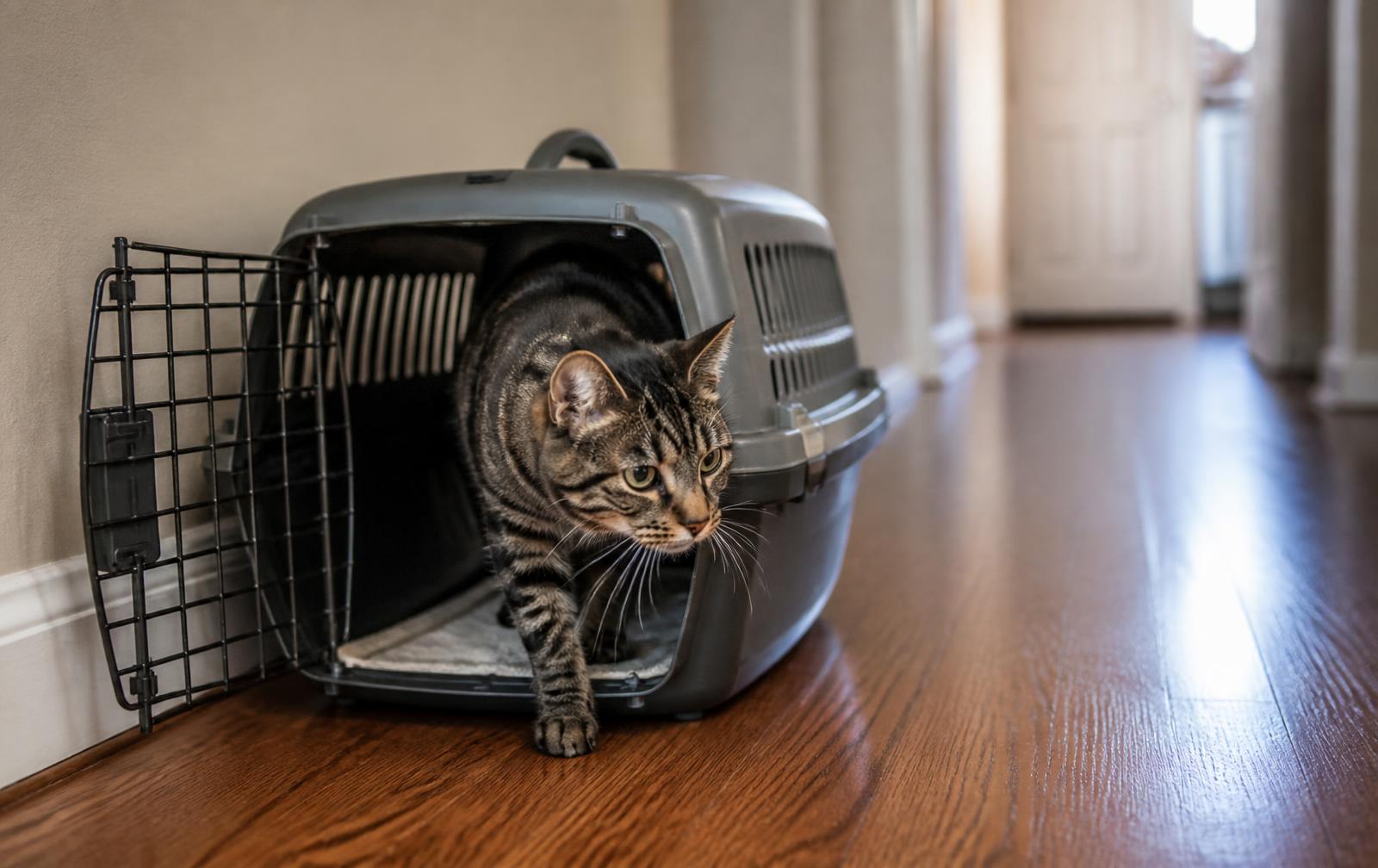
Travel Carriers and Cat Crates: Stress-Free Transport
Choose the right cat carrier or crate and learn practical tips for calmer vet visits, car trips, and moves with your feline companion.
Read more →
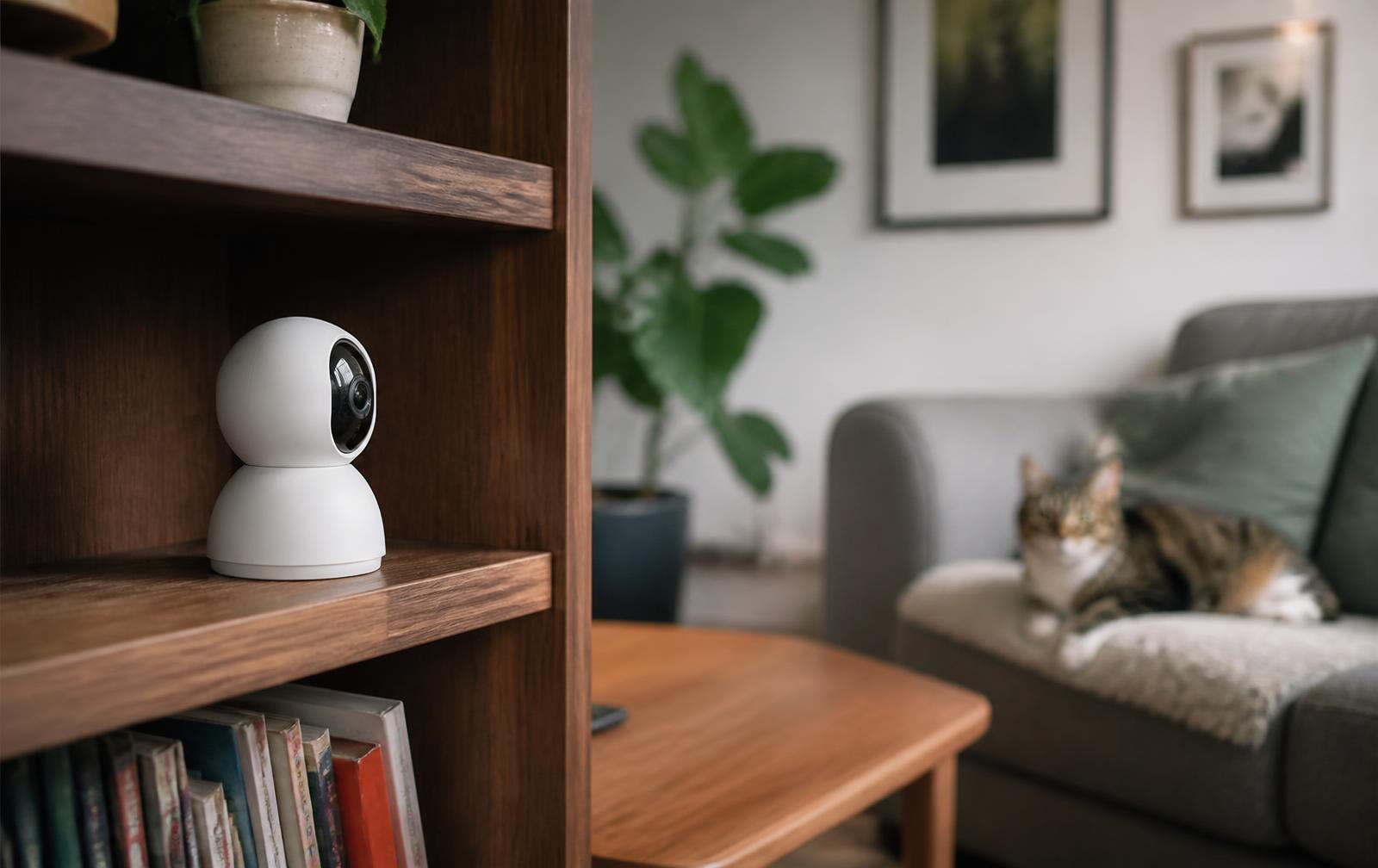
Pet Cameras and Monitoring: Tech for Checking on Your Cat
A practical guide to pet cameras and monitoring systems for cats, covering features, placement, and how to use them without over-worrying.
Read more →
Food and Water Bowls: Material, Design, and Health Considerations
Compare cat food bowls and water bowls by material and design, including stainless steel bowls, to protect whisker health and hygiene.
Read more →