Can Cats Eat Tuna? Is Fish Safe for Cats? (Vet Guide)
Is tuna safe for cats? A vet-informed guide to the benefits of fish, mercury and thiaminase risks, safe frequency, and how cat-formulated tuna differs from the tin in your kitchen.
By the Cleos team · 14 September 2026 · 8 min read
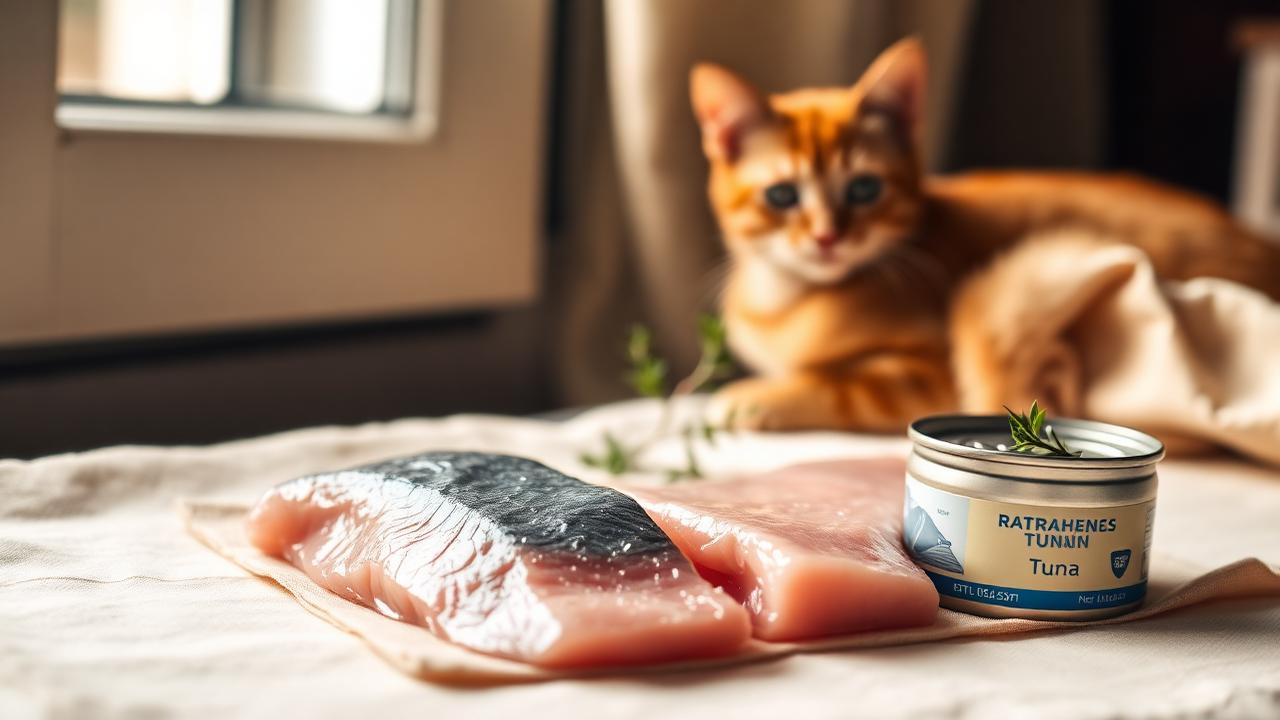
Tuna is practically synonymous with cats in pop culture, but the reality of feeding fish to your feline is more nuanced than cartoons suggest. Many Indian cat parents reach for a tin of human tuna as a treat, unaware that this habit carries real risks if not managed carefully.
In short: Cats can eat tuna in small, occasional amounts, but regular feeding of human-grade canned tuna can lead to mercury accumulation, thiamine deficiency, and picky eating habits. Tuna specifically formulated for cats, with balanced nutrients and controlled sourcing, is a much safer way to satisfy your cat's love of fish.
Why Cats Love Tuna So Much
Cats are obligate carnivores with an extraordinarily sensitive sense of smell, and tuna's strong, oily aroma triggers an almost irresistible response in most felines. The high fat content and amino acid profile of fish mimic the prey-like smells cats are biologically wired to seek out. This is part of why lickable, fish-based treats are so popular—cats respond to scent and texture as much as taste. If you want to understand this reaction more deeply, our article on Why Cats Love Lickable Treats: The Texture and Taste Advantage breaks down the sensory science behind it.
Beyond palatability, tuna does offer some genuine nutritional benefits when included appropriately in a cat's diet:
- High-quality protein: Fish protein is easily digestible and supports lean muscle maintenance.
- Omega-3 fatty acids: These support skin, coat, and joint health, and may have anti-inflammatory benefits.
- Low carbohydrate content: Unlike many processed treats, real fish contains no starches or fillers.
However, the benefits only apply when tuna is given in the right form and quantity. Human canned tuna, in particular, was never designed with a cat's physiology in mind.
The Real Risks of Feeding Tuna to Cats
Mercury Accumulation
Tuna, like many large predatory fish, accumulates mercury in its tissue over its lifetime. For a small-bodied animal like a cat, even modest, repeated exposure can lead to mercury toxicity over time, affecting the nervous system and kidneys. The Pet Poison Helpline has flagged mercury-laden fish as a chronic risk when fed frequently, since cats are far more sensitive to cumulative toxins than humans due to their smaller size and slower metabolism of certain compounds.
This is one of the reasons vets recommend treating tuna as an occasional indulgence rather than a dietary staple, especially in a country like India where imported and locally sourced tuna can vary widely in quality control.
Thiaminase and Vitamin B1 Deficiency
Raw tuna, and some improperly processed fish products, contain an enzyme called thiaminase that breaks down thiamine (Vitamin B1) in the body. A prolonged thiamine deficiency can cause serious neurological symptoms in cats, including loss of appetite, disorientation, and in severe cases, seizures. Cooking fish generally deactivates thiaminase, which is why raw fish diets require careful formulation and supervision. The Cornell Feline Health Center has published guidance on the risks of unbalanced raw or fish-heavy diets for exactly this reason.
Tuna Addiction and Fussy Eating
Vets frequently see cats who become so fixated on the taste of tuna that they refuse balanced meals altogether. This "tuna addiction" is a genuine behavioral pattern, not just a quirky preference. Because tuna is so palatable, cats can begin to associate mealtime exclusively with fish flavor, which makes transitioning them to more nutritionally complete diets difficult. This is one reason why understanding Real Protein vs Meat Meal in Cat Treats matters—not all protein sources are created equal, and variety supports better long-term eating habits.
Nutritional Imbalance
Human canned tuna is formulated for human taste, not feline nutrition. It typically lacks the taurine, calcium, and balanced fatty acid ratios that a complete cat diet requires. Cats fed tuna as a primary food source (rather than an occasional treat) can develop deficiencies over time, since tuna alone does not provide the full spectrum of nutrients outlined by veterinary nutrition standards. The AVMA and ASPCA both caution against using single-ingredient human foods as substitutes for complete feline diets.
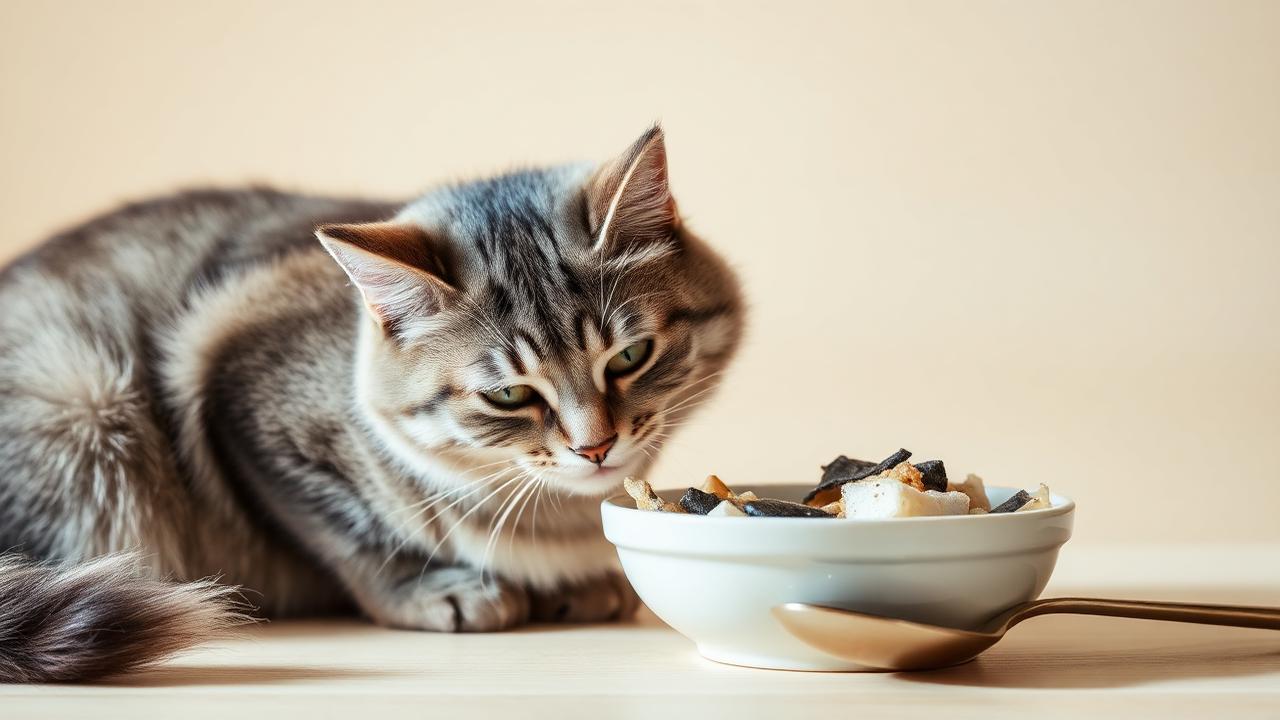
Human Canned Tuna vs. Tuna Made for Cats
The biggest mistake many well-meaning cat parents make is assuming that "tuna is tuna." In reality, there are significant differences between the tuna in your kitchen pantry and tuna formulated specifically for feline consumption.
| Factor | Human Canned Tuna | Tuna Formulated for Cats |
|---|---|---|
| Sodium Content | Often high, sometimes brined in salted water | Formulated with feline-safe, minimal sodium |
| Added Ingredients | May contain oil, salt, or preservatives for human taste | Typically just real tuna, water/broth, and functional nutrients |
| Nutrient Balance | Not designed for a cat's amino acid or vitamin needs | Fortified with taurine, Vitamin E, and other essentials |
| Mercury Oversight | Not regulated for feline consumption thresholds | Sourced and portioned with feline-safe limits in mind |
| Serving Size Guidance | None provided—easy to overfeed | Portioned specifically for treat-level feeding |
This is why reading labels matters so much, even for something as simple as a fish-based treat. Our guide on How to Read Cat Food Labels walks through exactly what to check before buying any tuna-based product for your cat.
Safe Frequency Guidelines
If you want to include tuna in your cat's diet, moderation and preparation matter more than anything else. Here is a general framework most vets recommend:
- Treat tuna as an occasional treat, not a meal replacement. No more than once or twice a week, and in small quantities relative to your cat's total daily food intake.
- Always cook tuna fully if feeding fresh fish. This deactivates thiaminase and reduces bacterial risk.
- Avoid canned tuna packed in oil or brine. The added sodium and fat are unnecessary and potentially harmful in larger amounts.
- Choose products specifically labeled for feline use. These are formulated with mercury exposure, sodium levels, and nutrient balance in mind.
- Watch for behavioral changes. If your cat starts refusing regular food in favor of fish, scale back tuna treats and reintroduce variety.
Following these guidelines helps you enjoy the bonding ritual of treat-giving without compromising your cat's long-term health. For a broader look at ingredients that should raise red flags, see our Worst Cat Food Ingredients guide.
How Cleos Approaches Tuna the Right Way
At Cleos, we recognize that cats genuinely love the taste of fish, and we do not think that love should come with hidden risks. Our Real Tuna and Tuna & Shrimp lickable treats are formulated specifically for feline nutrition, not adapted from human food products. That means:
- Named, traceable tuna sourcing, avoiding the ambiguity of "fish meal" or "ocean fish" labels.
- No added salt, oil, or brine, keeping sodium levels appropriate for a small-bodied carnivore.
- Fortified with L-Taurine and Vitamin E, supporting heart and immune health alongside the natural benefits of fish protein.
- Portioned as a treat, so cat parents can indulge their cat's fish cravings without the overfeeding risks of a full tin of human tuna.
This approach reflects a broader philosophy: real named ingredients, properly formulated, rather than repurposed pantry staples. You can read more about why this distinction matters in our article on Named Ingredients vs Mystery Meat.
Join the Cleos Waitlist: Give your cat the fish flavors they crave, formulated the right way. Be the first to know when Real Tuna and Tuna & Shrimp launch in India by joining our waitlist at https://getcleos.in/#waitlist.
Frequently Asked Questions
Can cats eat tuna every day?
No, tuna should not be fed daily, especially human canned tuna. Regular feeding increases the risk of mercury accumulation and can lead to thiamine deficiency if the fish is raw or improperly processed. Daily tuna consumption can also cause nutritional imbalances, since tuna alone lacks the full range of vitamins and minerals cats require. Vets recommend treating tuna as an occasional indulgence, ideally once or twice a week, and always alongside a complete, balanced diet.
Is canned tuna in oil safe for cats?
Canned tuna packed in oil is not ideal for cats. The added oil increases fat content significantly, which can lead to digestive upset, weight gain, and in some cases pancreatitis with repeated feeding. It also often comes with added salt for flavor, which cats do not need. If you want to share tuna occasionally, choose tuna packed in water, drain it thoroughly, or better yet, opt for a treat formulated specifically for feline consumption.
What is thiaminase and why does it matter for cats?
Thiaminase is an enzyme found in some raw fish, including tuna, that breaks down thiamine (Vitamin B1) in the body. Since cats cannot synthesize their own thiamine, a diet heavy in raw fish can lead to deficiency over time, causing neurological symptoms like disorientation, appetite loss, or seizures in severe cases. Cooking fish thoroughly deactivates thiaminase, which is why raw tuna should be approached with caution and never fed as a primary food source.
Why does my cat only want to eat tuna now?
This is a well-documented behavioral pattern often called "tuna addiction." Because tuna is highly palatable and aromatic, cats can develop a strong preference for it over regular food, especially if fed frequently. Over time, this can make your cat resistant to eating balanced meals. If you notice this pattern, gradually reduce tuna treat frequency, reintroduce variety in flavors and textures, and consult your vet if the pickiness affects overall nutrition intake.
Are fish-based cat treats safer than giving my cat human tuna?
Generally, yes. Fish-based treats formulated specifically for cats account for feline-appropriate sodium levels, mercury exposure limits, and nutrient fortification like taurine and Vitamin E, none of which human canned tuna is designed to provide. Products like Cleos Real Tuna are built around these considerations, offering the flavor cats love without the risks associated with repurposing pantry-grade tuna as a regular treat.
How much tuna is safe for a cat to eat in one sitting?
As a general guideline, a teaspoon-sized portion of tuna once or twice a week is considered a reasonable treat amount for an average adult cat, though this can vary based on body weight and overall diet. It should never make up a significant portion of daily caloric intake. If you are using a treat specifically formulated for cats, follow the serving guidance on the packaging, since these products are designed with appropriate portioning in mind.
Explore more insights on feline nutrition and safe treat-giving on the Cleos Blog. Ready to give your cat the fish flavors they love, made the right way? Join our waitlist to be notified when Cleos launches in India.
Keep Cleos close
Get more Cleos stories on Google
Add Cleos as a preferred source to make our cat care guides easier to find in Google.
Add to Preferred SourcesFound this useful? Share it
Treats worth reading the label for.
Cleos lickable treats are built on real, named ingredients — Real Chicken, Real Tuna, Tuna & Shrimp and Chicken & Veggies — with zero artificial fillers.
Join the Cleos waitlistKeep reading
Travel Carriers and Cat Crates: Stress-Free Transport
Choose the right cat carrier or crate and learn practical tips for calmer vet visits, car trips, and moves with your feline companion.
Read more →

Pet Cameras and Monitoring: Tech for Checking on Your Cat
A practical guide to pet cameras and monitoring systems for cats, covering features, placement, and how to use them without over-worrying.
Read more →
Food and Water Bowls: Material, Design, and Health Considerations
Compare cat food bowls and water bowls by material and design, including stainless steel bowls, to protect whisker health and hygiene.
Read more →