Obesity in Cats: How to Help Your Cat Lose Weight
Feline obesity raises the risk of diabetes, arthritis and liver disease. Learn safe, vet-guided steps for gradual, sustainable cat weight loss.
By the Cleos team · 14 December 2026 · 7 min read
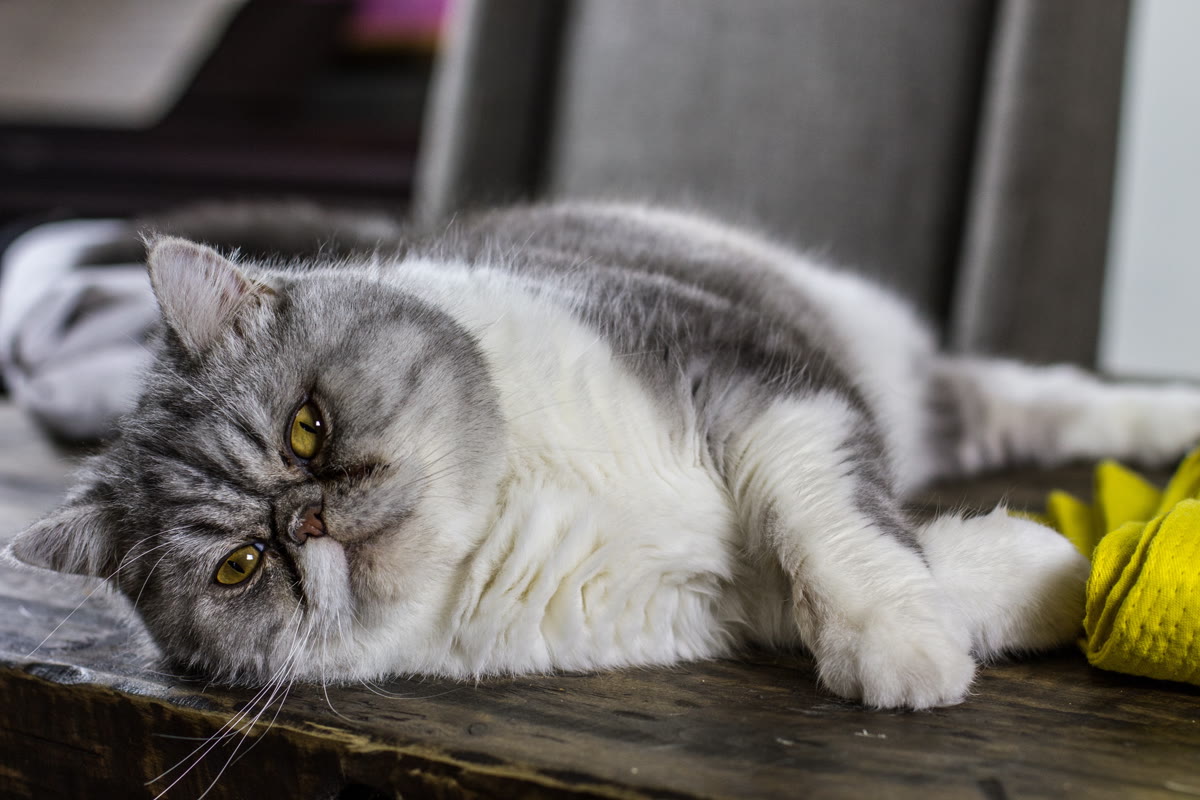
If your cat's belly sways when they walk, or you can no longer feel their ribs under a gentle press, they may be carrying more weight than is healthy. Feline obesity is one of the most common preventable health problems seen by vets across India today, driven largely by indoor lifestyles, free-feeding habits, and calorie-dense treats given with love but without measurement.
In short: Obesity in cats increases the risk of diabetes, joint disease, liver problems, and reduced lifespan. Weight loss must be gradual (never crash diets, which can cause dangerous hepatic lipidosis), guided by a vet, and built on portion control, measured feeding, increased activity, and choosing treats that are genuinely nutritious rather than empty calories. Cleos lickable treats, made with real named protein and no fillers, can be used in small measured amounts as training and bonding tools without derailing a weight-management plan.
Why Cats Gain Weight
Cats are obligate carnivores evolved to hunt small, frequent meals of lean protein. Modern indoor life changes that equation dramatically:
- Free feeding of dry kibble left out all day encourages grazing beyond actual hunger.
- Low activity: apartment-dwelling cats in Indian cities often have limited space to run, climb, and hunt-play.
- Neutering/spaying lowers metabolic rate, meaning the same calorie intake as before surgery can lead to steady weight gain.
- Treat overload: well-meaning owners hand out biscuits, milk, or table scraps far beyond a cat's tiny calorie budget (an average indoor cat needs only around 200-250 kcal a day).
- Multi-cat households where a dominant cat eats more than its share, or a timid cat overeats out of stress.
How to Tell If Your Cat Is Overweight
Vets use a Body Condition Score (BCS) system, usually on a 9-point scale, rather than weight alone since breeds and frames vary.
| BCS Range | Description | Action Needed |
|---|---|---|
| 1-3 | Ribs, spine, hip bones visible; minimal fat | Cat may be underweight; consult vet |
| 4-5 | Ribs easily felt with slight fat cover; visible waist from above | Ideal — maintain current routine |
| 6-7 | Ribs felt with difficulty; waist barely visible; some belly fat | Overweight — start portion control |
| 8-9 | Ribs very hard to feel; no waist; obvious belly sag; fat over spine | Obese — vet-guided weight loss plan needed |
Health Risks of Feline Obesity
An overweight cat isn't just "fluffy" — excess weight is a genuine medical burden:
- Type 2 diabetes mellitus, which is far more common in obese cats and can sometimes go into remission with weight loss.
- Osteoarthritis, as extra weight stresses joints, especially in older cats.
- Hepatic lipidosis (fatty liver disease), a life-threatening condition that can be triggered if an obese cat suddenly stops eating.
- Reduced grooming ability, leading to matted, dirty coats and skin problems.
- Lower life expectancy overall, according to long-term studies referenced by the Cornell Feline Health Center.
Building a Safe Weight-Loss Plan
Get a Vet's Baseline
Before changing anything, have your vet weigh your cat, assign a BCS, and rule out underlying medical causes such as hypothyroidism (rare in cats) or fluid retention. They can calculate a target weight and safe daily calorie goal — safe weight loss is generally 0.5-2% of body weight per week; anything faster risks illness.
Measure Every Meal
Ditch the "eyeball" scoop and use a kitchen scale or measuring cup for every meal. Switching from free-feeding to two or three measured meals a day gives you and your vet a clear, trackable baseline. Reading the calorie content on packaging carefully — see our guide on how to read cat food labels — helps you calculate true daily intake, including treats.
Choose Nutrient-Dense, Not Just Low-Calorie, Food
A common mistake is switching to a cheap "light" food loaded with fillers and fibre bulk instead of quality protein. Cats need adequate protein to preserve lean muscle mass while losing fat; a diet built around real protein rather than meat meal supports this far better than filler-heavy formulas. Avoid harmful ingredients that add empty calories without nutritional value.
Rethink Treats — Don't Eliminate Them
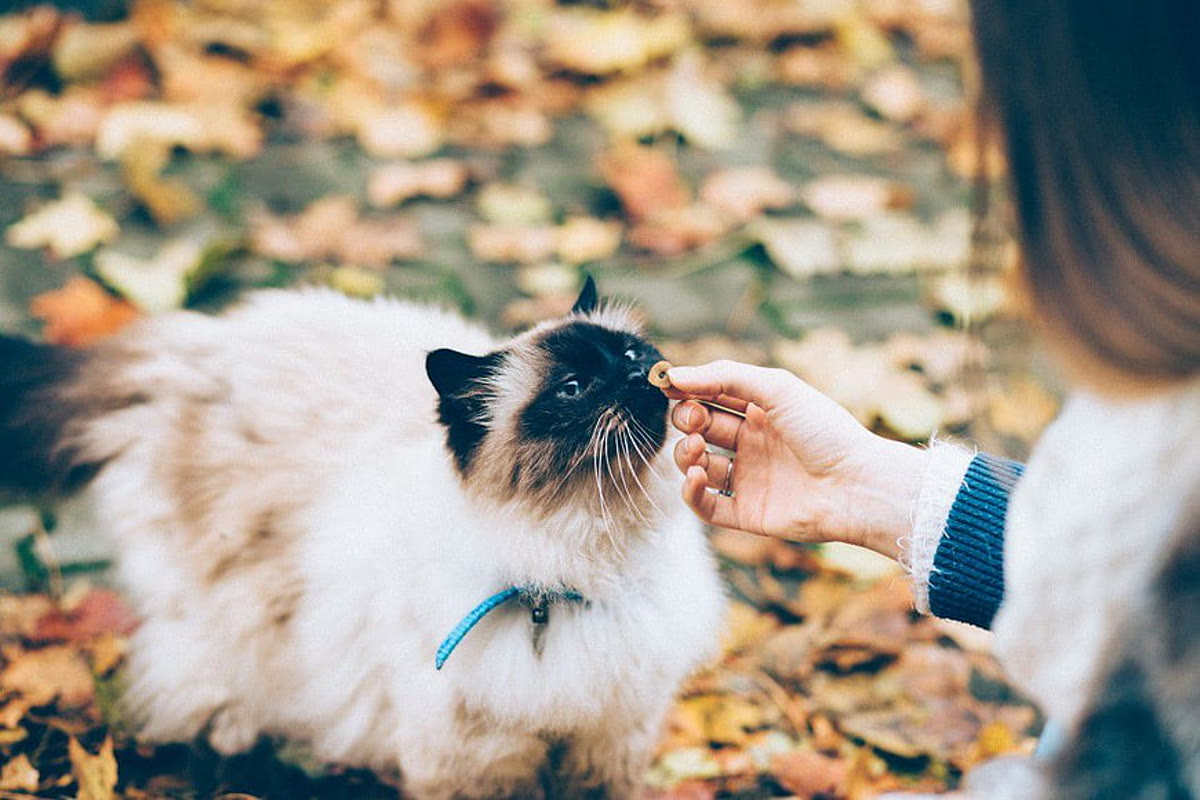
Cutting out treats entirely often backfires: cats beg more, owners feel guilty, and consistency collapses. Instead, treats should be recalculated as part of the daily calorie budget (generally treats should be under 10% of total calories) and used purposefully:
- Use tiny portions of a lickable treat as a training reward for coming when called, using a scratching post, or tolerating nail trims.
- Use treats to build bonding rituals — a few minutes of focused attention with a treat strengthens your relationship without needing a full bowl of food.
- Choose treats with real named protein and no fillers, like Cleos Real Tuna or Chicken lickable treats, so the calories that are given actually contribute useful nutrition (including L-Taurine, essential for feline heart and eye health) rather than sugar or starch bulk.
- Split treats into smaller portions across the day rather than one large serving, which also slows eating and increases satisfaction per calorie.
Increase Activity Safely
- Use wand toys and laser pointers (always end laser play with a physical toy the cat can "catch" to avoid frustration) for 10-15 minutes twice daily.
- Feed part of the daily ration in puzzle feeders or scattered around the house to encourage foraging behaviour instead of instant bowl-emptying.
- Vertical space — cat trees, shelves, window perches — encourages natural climbing activity, especially valuable in smaller Indian flats.
Track Progress
Weigh your cat every 2-4 weeks (a simple kitchen scale plus you holding the cat works fine) and share results with your vet, adjusting portions as needed. Weight loss plateaus are normal; resist the urge to slash calories further without professional guidance.
What Not to Do
- Do not starve or abruptly restrict a cat's food — even 24-48 hours without eating can trigger hepatic lipidosis in overweight cats, a genuine emergency.
- Do not use human weight-loss foods or medications.
- Do not assume treats are "harmless" just because they're small — a single inappropriate treat like flavoured milk or a fatty table scrap can equal a large percentage of a cat's daily calorie allowance.
- Avoid toxic weight-loss shortcuts like garlic or onion-based "natural" remedies — these are dangerous, as explained in our piece on onions and garlic in cat food.
Cleos treats are a supplement to enjoyment and bonding, never a replacement for veterinary medical treatment. If your cat is significantly overweight, obese, diabetic, or shows sudden appetite changes, please consult a vet before starting any weight-management plan.
Join the Cleos Waitlist: Get early access to real-protein lickable treats made for healthy Indian cats — no fillers, no fluff, just nutrition your cat will lick clean. Sign up at https://getcleos.in/#waitlist.
Frequently Asked Questions
How much should an average indoor cat weigh?
There's no single number — it depends on breed and frame size. Most domestic shorthair cats fall between 3.5-5 kg at a healthy weight, but a vet's Body Condition Score assessment (feeling ribs, waist, and belly) is far more reliable than weight alone. Ask your vet to assign a target weight range specific to your cat's frame rather than comparing to breed averages online.
Can I put my cat on a crash diet to lose weight quickly?
No — this is genuinely dangerous. Cats that stop eating or have severe calorie restriction can develop hepatic lipidosis (fatty liver disease), a life-threatening condition where the liver becomes overwhelmed by mobilised fat. Safe weight loss is slow and steady, typically 0.5-2% of body weight per week, always under veterinary supervision with regular monitoring.
Are lickable treats okay for an overweight cat?
Yes, in small measured amounts as part of the daily calorie budget, generally treats should stay under about 10% of total daily calories. Choose treats made from real named protein without fillers so the calories serve a nutritional purpose. Use them for training, bonding, or enrichment rather than free-feeding, and adjust the main meal portions to account for treat calories.
Why is my cat still overweight even though I feed "diet" food?
Many diet cat foods rely on fibre bulk and fillers to reduce calorie density rather than quality protein, which can leave cats less satisfied and more likely to beg. Portion size, treat calories, and activity level often matter more than the "diet" label itself. Reading labels carefully and consulting your vet about actual caloric intake usually reveals the real cause.
How long does it typically take for a cat to reach a healthy weight?
It varies with how overweight the cat is, but a realistic timeline is often several months to over a year for significantly obese cats, given the recommended slow rate of loss. Consistency with measured meals, treat control, and activity matters far more than speed. Regular vet check-ins every few weeks help keep the plan safe and on track.
Keep Cleos close
Get more Cleos stories on Google
Add Cleos as a preferred source to make our cat care guides easier to find in Google.
Add to Preferred SourcesFound this useful? Share it
Treats worth reading the label for.
Cleos lickable treats are built on real, named ingredients — Real Chicken, Real Tuna, Tuna & Shrimp and Chicken & Veggies — with zero artificial fillers.
Join the Cleos waitlistKeep reading
Travel Carriers and Cat Crates: Stress-Free Transport
Choose the right cat carrier or crate and learn practical tips for calmer vet visits, car trips, and moves with your feline companion.
Read more →
Pet Cameras and Monitoring: Tech for Checking on Your Cat
A practical guide to pet cameras and monitoring systems for cats, covering features, placement, and how to use them without over-worrying.
Read more →
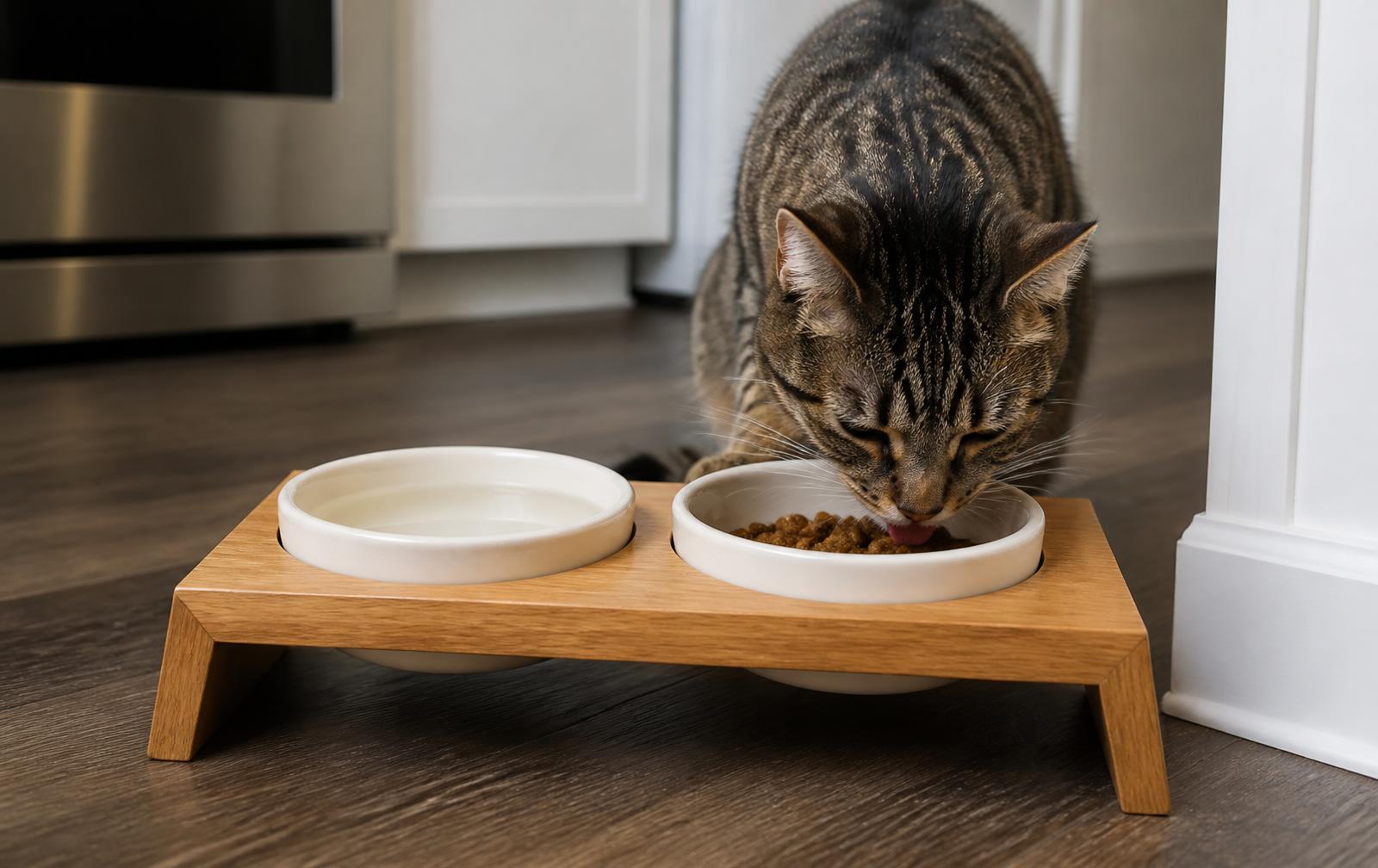
Food and Water Bowls: Material, Design, and Health Considerations
Compare cat food bowls and water bowls by material and design, including stainless steel bowls, to protect whisker health and hygiene.
Read more →