Cat Dental Disease: How Diet Affects Teeth and Gums
Discover how tartar buildup and diet drive feline dental disease, and which treat textures genuinely help support healthy cat teeth and gums.
By the Cleos team · 7 December 2026 · 7 min read
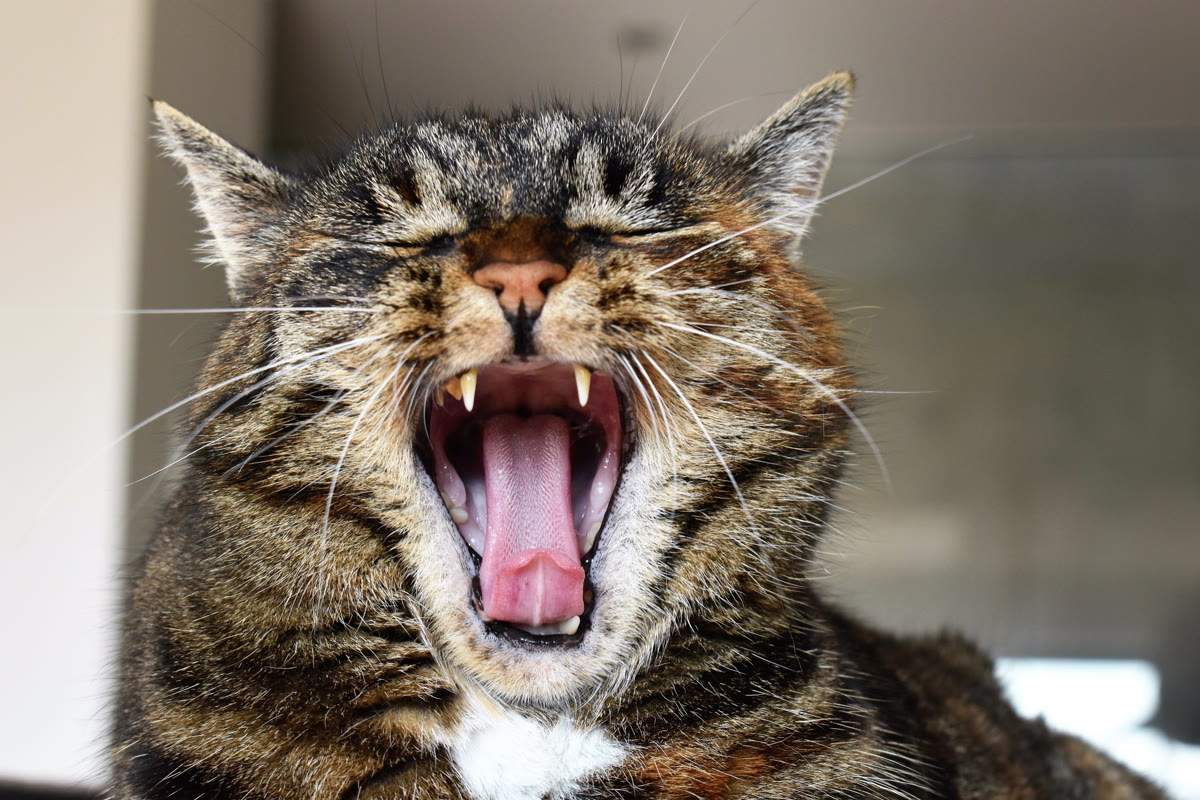
By the time most Indian cat parents notice something wrong with their cat's mouth — bad breath, drooling, or dropping food — dental disease has usually been quietly progressing for months, sometimes years. Diet plays a far bigger role in feline oral health than most people realise, from the texture of what a cat chews to the ingredients hidden inside "healthy-looking" treats.
In short: Feline dental disease, especially periodontal disease and tooth resorption, affects a majority of cats over three years old. Diet cannot cure existing dental disease, but chew texture, treat ingredients, and avoiding sugary or starchy fillers can meaningfully slow tartar buildup and support gum health alongside regular veterinary dental care.
Understanding Feline Dental Disease
Cats develop two major categories of dental problems, and it helps to know the difference before thinking about diet.
Periodontal Disease
This begins as plaque — a soft film of bacteria — that hardens into tartar within days if not removed. Left alone, it inflames the gums (gingivitis) and eventually destroys the tissue and bone supporting the teeth (periodontitis). The Cornell Feline Health Center notes that periodontal disease is one of the most common health problems in adult cats.
Tooth Resorption
Unique to cats, this condition causes the tooth structure itself to break down, often below the gumline where it isn't visible without dental X-rays. It's painful and its exact cause remains unclear, though chronic inflammation is suspected to play a role.
How Diet Actually Affects Teeth and Gums
It's important to be honest here: no treat, kibble, or supplement reverses dental disease once it has set in. But diet influences the rate at which plaque and tartar accumulate, and it can support (or irritate) already inflamed gums.
Texture Matters More Than Marketing Claims
Many "dental" kibbles rely on a fibrous, crunchy texture designed to scrape the tooth surface as the cat bites down. In reality, most cats swallow small kibble pieces whole without much chewing, limiting the mechanical cleaning effect. Wet food and lickable treats, on the other hand, don't provide abrasive cleaning — but they also don't leave behind sticky starch residue the way some low-quality dry treats can.
This is where texture and ingredient quality intersect. A treat made from real, named protein with a smooth, lickable consistency (like Cleos' Real Tuna or Chicken formulas) doesn't cling to tooth surfaces the way starchy, filler-heavy biscuit treats often do. Sticky carbohydrate residue left in the mouth feeds the same bacteria that cause plaque, so what a treat is made of matters as much as its crunch.
Sugar, Starch, and Fillers
Read the label on many mass-market cat treats and you'll find corn syrup, maltodextrin, or excessive starch binders. These ingredients aren't toxic in small amounts, but they do contribute to the biofilm that becomes plaque. Our guide on how to read cat food labels explains how to spot these fillers, and worst cat food ingredients covers why they're best minimised.
Hydration and Saliva
Cats fed predominantly dry diets often drink less water overall, and saliva plays a natural role in buffering acids and washing away food debris. Adding moisture-rich treats or wet food to the diet supports better hydration, which indirectly supports oral (and urinary) health.
Signs of Dental Disease to Watch For
| Sign | What It Might Mean |
|---|---|
| Bad breath (halitosis) | Bacterial buildup, gingivitis, or advanced periodontal disease |
| Red or swollen gums | Gingivitis, early periodontal disease |
| Drooling or pawing at mouth | Pain, possible tooth resorption |
| Dropping food while eating | Painful teeth, loose teeth |
| Reduced appetite or weight loss | Advanced dental pain making eating difficult |
| Visible brown/yellow tartar | Established plaque and tartar buildup |
| Bleeding when eating or grooming | Inflamed or infected gums |
If you notice any of these, a veterinary dental check-up (often including X-rays under anaesthesia) is essential. Home remedies and diet changes are never a substitute for professional dental care.
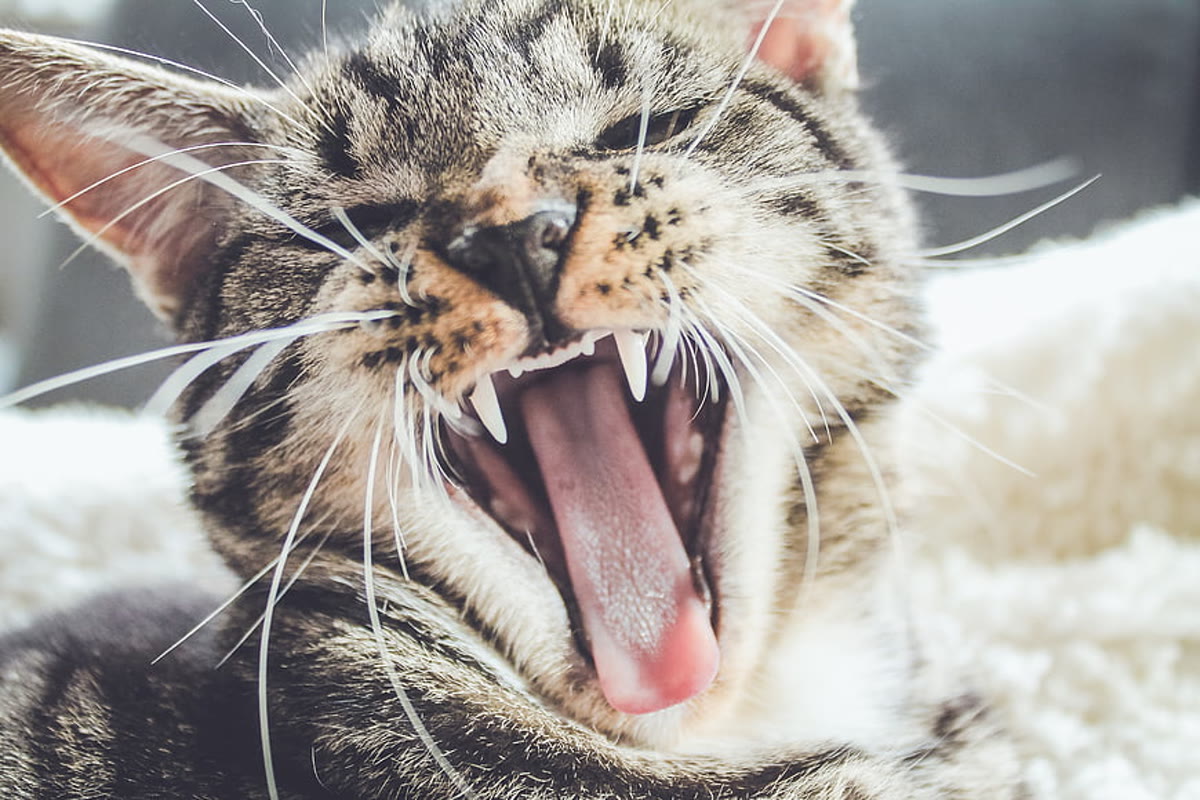
Building a Dental-Friendly Routine
Daily Habits
- Brushing: Ideally daily, using a cat-specific enzymatic toothpaste (never human toothpaste, which often contains xylitol — see our piece on xylitol and artificial sweeteners in cats).
- Dental treats and chews: Useful as an adjunct, not a replacement for brushing.
- Fresh water always available: Supports saliva production and general health.
- Regular vet checks: Cats hide pain well; annual (or twice-yearly for seniors) dental exams catch problems early.
Choosing Treats Thoughtfully
Not every treat needs to be a "dental" treat to be part of a tooth-friendly routine. What matters more is avoiding sticky fillers and choosing treats with real, named protein sources. For sensitive or senior cats with existing dental issues, softer lickable treats can actually be gentler on painful mouths than hard biscuits, while still avoiding the sugary residues that feed bacteria. Our article on best cat treat ingredients for sensitive stomachs touches on similar gentle-formulation principles.
Why Named Protein Matters Here Too
Treats made with vague "meat meal" or "animal derivatives" often contain more processing residues and inconsistent quality than those using clearly named proteins like tuna, chicken, or shrimp. Our comparison on real protein vs meat meal and named ingredients vs mystery meat explains why this distinction goes beyond nutrition labels — cleaner ingredient lists generally mean less unnecessary starch and additives in the mix, which is a small but real plus for oral hygiene.
What Vets Recommend
Veterinary dental organisations, including guidance referenced by the AVMA, consistently emphasise that professional cleanings under anaesthesia (to allow safe scaling below the gumline and dental X-rays) remain the gold standard for treating established dental disease. Diet and home care are preventive and supportive measures, not cures.
Join the Cleos Waitlist: Give your cat treats made from real, named protein with no unnecessary fillers or sticky starches — just clean nutrition your cat will love, without extra residue left behind in the mouth. Sign up at https://getcleos.in/#waitlist.
Frequently Asked Questions
Can diet alone cure my cat's dental disease?
No. Once plaque has hardened into tartar or periodontal disease has set in, only a professional veterinary dental cleaning (usually under anaesthesia, sometimes with extractions) can address it. Diet and home care can slow further buildup and support gum health, but they cannot reverse existing damage. If your cat shows any signs of dental pain, book a vet visit rather than relying on treats or supplements alone.
Do dental treats actually clean my cat's teeth?
Dental treats can provide some mechanical scraping if a cat chews thoroughly, but many cats swallow pieces with minimal chewing, reducing the effect. They're best viewed as a helpful addition to, not a replacement for, daily brushing and professional cleanings. Choosing treats without sticky starches or sugars is more important than relying on crunch alone for real dental benefit.
Is wet food or lickable treats bad for my cat's teeth compared to dry kibble?
Not necessarily. While dry kibble is sometimes marketed as better for teeth, most cats don't chew it enough for meaningful cleaning. Wet food and lickable treats don't scrape teeth, but they also don't leave sticky starch residue behind, which can be just as important in limiting plaque formation. Overall dental care routines matter far more than the texture of any single food.
What are early signs of dental disease I shouldn't ignore?
Bad breath, red or bleeding gums, drooling, pawing at the mouth, reluctance to eat hard food, and visible tartar are all early warning signs. Cats are skilled at masking pain, so even subtle changes in eating behaviour deserve attention. Early veterinary intervention is far less invasive and costly than treating advanced periodontal disease later.
Are there ingredients I should avoid for a cat with dental issues?
Yes — sugary syrups, excess starch binders, and low-quality fillers can contribute to plaque buildup and may irritate already inflamed gums. For cats with dental pain, very hard biscuits can also be uncomfortable to chew. Opt for treats with real, named protein sources and minimal processing, and consult your vet about texture if your cat has painful teeth or gums.
How often should my cat see a vet for dental check-ups?
Most adult cats benefit from an annual dental check-up as part of their general wellness exam, while senior cats or those with a history of dental disease may need six-monthly checks. Your vet will assess for tartar, gum inflammation, and resorptive lesions, and recommend a professional cleaning under anaesthesia if needed. Regular checks catch problems while they're still manageable.
Keep Cleos close
Get more Cleos stories on Google
Add Cleos as a preferred source to make our cat care guides easier to find in Google.
Add to Preferred SourcesFound this useful? Share it
Treats worth reading the label for.
Cleos lickable treats are built on real, named ingredients — Real Chicken, Real Tuna, Tuna & Shrimp and Chicken & Veggies — with zero artificial fillers.
Join the Cleos waitlistKeep reading
Travel Carriers and Cat Crates: Stress-Free Transport
Choose the right cat carrier or crate and learn practical tips for calmer vet visits, car trips, and moves with your feline companion.
Read more →

Pet Cameras and Monitoring: Tech for Checking on Your Cat
A practical guide to pet cameras and monitoring systems for cats, covering features, placement, and how to use them without over-worrying.
Read more →
Food and Water Bowls: Material, Design, and Health Considerations
Compare cat food bowls and water bowls by material and design, including stainless steel bowls, to protect whisker health and hygiene.
Read more →