Can Cats Have Chicken? Is Cooked Chicken Safe?
Cooked chicken is one of the safest treats for cats — if it is plain. Portion sizes, bones, skin, masala dangers, raw risks and chicken allergies, explained.
By the Cleos team · 5 October 2026 · 9 min read
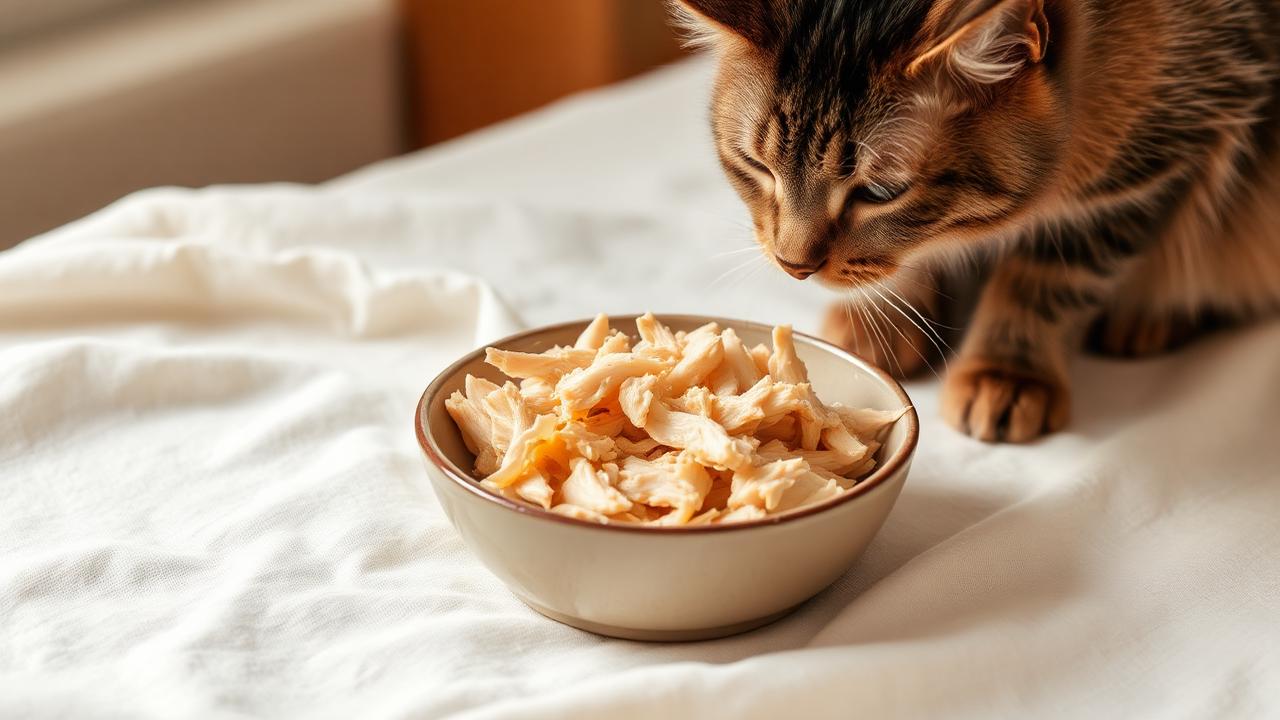
Chicken is one of the most common proteins in Indian kitchens, so it is no surprise that many cat parents wonder if it is safe to share a bit with their feline. The good news is that plain, properly cooked chicken is not just safe—it is one of the best things you can feed a cat. But the details of preparation matter far more than most people realise.
In short: Cooked, unseasoned, boneless chicken is an excellent, safe treat for cats because it matches their biological needs as obligate carnivores. Raw chicken carries bacterial risk, bones and skin pose choking and digestive hazards, and Indian spices or masalas can be toxic. Moderation and correct preparation are key.
Why Chicken Suits an Obligate Carnivore
Cats are obligate carnivores, meaning their bodies are biologically wired to thrive on animal protein and fat, not plant matter. Unlike dogs or humans, cats cannot manufacture enough taurine, arginine, and certain other amino acids on their own—they must get these directly from meat. Chicken happens to be a naturally rich source of exactly these nutrients, along with easily digestible protein and B vitamins.
This is why chicken appears so often as the star ingredient in high-quality treats and diets. It is lean, has a mild flavour cats enjoy, and is generally easier on sensitive stomachs than fattier meats. According to the Cornell Feline Health Center, animal protein should form the backbone of any feline diet, and chicken fits that requirement well. If you want to understand why named proteins like chicken matter so much compared to vague "meat" listings, our article on named ingredients vs mystery meat goes deeper into this topic.
Cooked vs Raw Chicken: Weighing the Risks
This is where most confusion arises. While a wild cat's ancestral diet would have included raw prey, our domestic cats and our kitchens are not the same environment as a jungle.
The Case Against Raw Chicken
Raw chicken can carry Salmonella, Campylobacter, and other pathogens that can make both your cat and your household sick, especially in India's warmer climate where bacteria multiply faster. Cats can also pick up parasites from improperly sourced raw meat. The AVMA advises against raw diets specifically because of this contamination risk, particularly for kittens, senior cats, and those with compromised immunity.
Why Cooked Is the Safer Choice
Cooking chicken thoroughly (until there is no pink remaining and internal temperature reaches a safe level) kills these harmful bacteria while retaining most of the nutritional value. Boiled or steamed chicken, with no oil, butter, salt, or seasoning, is the gold standard for a home-prepared feline treat. This is also the philosophy behind why brands built around real, named proteins—such as Cleos—use gently cooked chicken and tuna rather than raw or heavily processed meat by-products.
Bones and Skin: Handle With Care
A common instinct is to hand a cat the leftover chicken bone or skin from your own dinner. Both come with real risks.
- Cooked bones splinter. Unlike raw bones, cooked bones become brittle and can shatter into sharp shards that lodge in the throat, oesophagus, or intestines, sometimes requiring emergency surgery.
- Skin is high in fat. Chicken skin, especially fried or grilled, can trigger pancreatitis or an upset stomach in cats unused to rich, fatty foods.
- Small bones are a choking hazard. Even splinter-free bones from small chicken pieces can obstruct a cat's narrow airway or digestive tract.
The safest rule is simple: always remove bones and skin before offering chicken to your cat, no exceptions. The ASPCA lists bone fragments among common causes of feline emergency vet visits.
The Real Danger: Seasoning and Masala
If there is one thing to remember from this article, it is this: never feed a cat seasoned or "masala" chicken. Indian cooking, however delicious, often includes onion, garlic, excess salt, chilli powder, and various spice blends—all of which are harmful to cats.
- Onion and garlic contain compounds that damage red blood cells, potentially leading to haemolytic anaemia even in small, repeated amounts.
- Excess salt can cause sodium ion poisoning, leading to vomiting, tremors, or worse in extreme cases.
- Chilli and pepper irritate a cat's digestive tract, which is far more sensitive to spice than a human's.
The Pet Poison Helpline specifically flags onion and garlic (in any form—powder, paste, or cooked) as toxic to cats. If your cat has ever gotten into your curry, contacting a vet is the safer move rather than waiting to see symptoms. For a full rundown of what belongs on your "never feed" list, see our guide to harmful ingredients to avoid in cat food.
Portion Sizes: How Much Chicken Is Too Much?
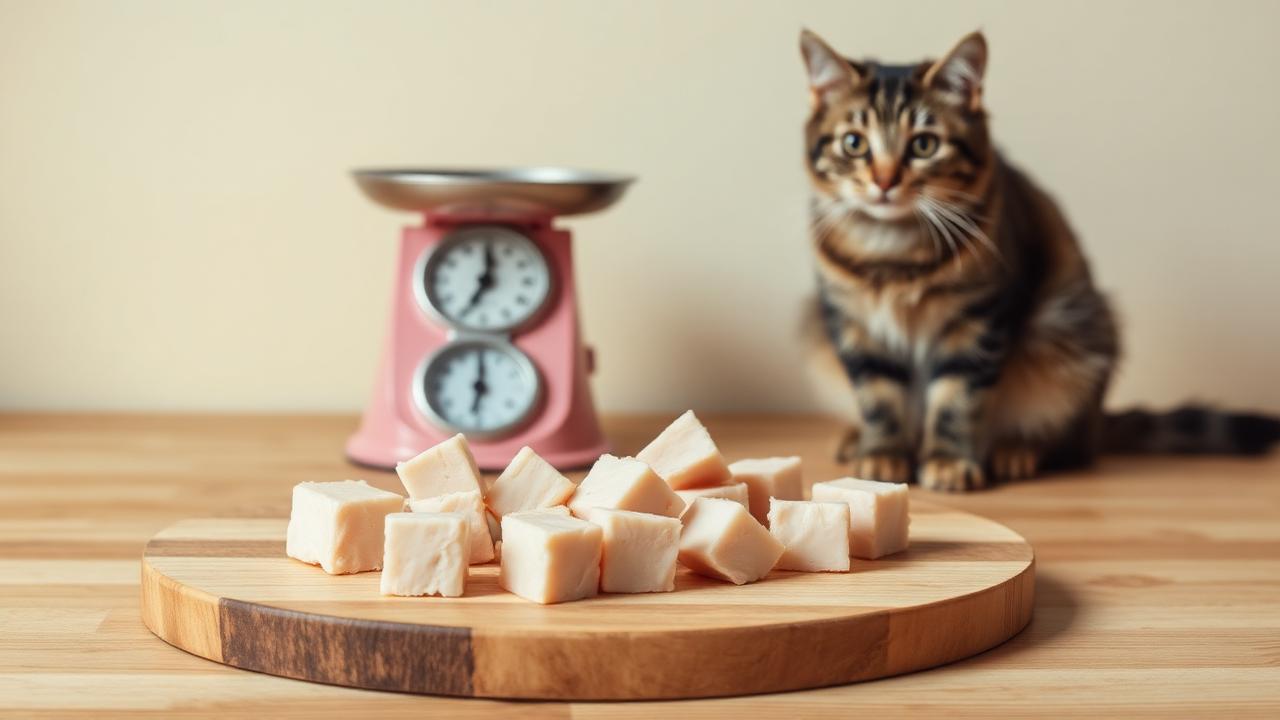
Chicken should complement, not replace, a nutritionally complete cat food. Treats, including chicken, should generally make up no more than 10% of a cat's daily caloric intake—a widely cited guideline echoed by veterinary nutritionists globally.
| Cat Size/Age | Suggested Cooked Chicken Portion | Frequency |
|---|---|---|
| Kitten (under 6 months) | 1-2 small shredded pieces | 2-3 times a week |
| Adult cat (average size) | 1-2 tablespoons shredded | 2-4 times a week |
| Senior cat | 1 tablespoon, finely shredded or pureed | 2-3 times a week |
| Cat with kidney or weight concerns | Consult your vet first | As advised |
These are general starting points—always factor in your cat's existing diet, treats, and any medical conditions. International Cat Care recommends checking with your vet before making chicken a regular addition if your cat has any chronic health issues.
How to Prepare Plain Chicken Safely at Home
Preparing a safe chicken treat is straightforward if you follow a consistent process:
- Choose a lean cut, such as boneless, skinless chicken breast, from a trusted source.
- Boil or steam it plain—no oil, butter, salt, spices, or marinades of any kind.
- Cook thoroughly until there is no pink remaining and it reaches a safe internal temperature.
- Cool completely before serving; never give hot food to a cat.
- Shred or dice into small pieces appropriate to your cat's size to avoid choking.
- Store leftovers refrigerated for no more than a day or two, and reheat gently before serving again.
This is essentially the same principle that guides how quality commercial treats are made—simple, named, minimally processed protein rather than a long list of additives. Our piece on how to read cat food labels explains how to spot this same standard on a packaged product.
Chicken Allergies in Cats: What to Watch For
While chicken is generally safe, it is also one of the more commonly reported food allergens in cats, alongside fish and beef. An allergy differs from an intolerance: allergies involve an immune response, often showing up as itchy skin, ear infections, vomiting, or diarrhoea after repeated exposure.
If you are introducing chicken for the first time, offer a small amount and watch for reactions over the next 24-48 hours. Symptoms of a problem may include excessive scratching, hair loss, digestive upset, or swelling. If you notice any of these, discontinue chicken and consult your veterinarian, who may recommend an elimination diet to confirm the allergen. Genuine chicken allergies are less common than assumed, but they do occur, and cats with generally sensitive digestion may benefit from reading our article on best cat treat ingredients for sensitive stomachs before introducing any new protein.
Cleos Real Chicken and Chicken & Veggies
This is precisely the thinking behind two of our upcoming lickable treat flavours at Cleos: Real Chicken and Chicken & Veggies. Both are built around real, named chicken as the primary ingredient—no by-products, no fillers, no seasoning, no masala. Just gently cooked chicken combined with a hydrating, palatable base that delivers high protein along with L-Taurine and Vitamin E to support your cat's heart and skin health.
The Chicken & Veggies flavour adds small amounts of cat-safe vegetables for texture and micronutrient variety, while keeping chicken as the dominant ingredient—giving you the benefits of home-prepared chicken without the daily effort of boiling, shredding, and portioning it yourself. If you'd like to understand how protein percentage translates into real nutritional value, our complete guide to protein content in cat treats is a useful companion read.
Coming Soon: Real chicken, done right—no seasoning, no fillers, no mystery meat. Join our waitlist to be the first to try Cleos Real Chicken and Chicken & Veggies when we launch in India.
Frequently Asked Questions
Can kittens eat cooked chicken?
Yes, kittens can eat small amounts of plain, thoroughly cooked, boneless, skinless chicken once they are weaned onto solid food. It should be finely shredded to prevent choking and offered only as a supplement to a complete kitten diet, never as a replacement. Because kittens have developing immune and digestive systems, avoid raw chicken entirely and introduce any new food gradually while watching for signs of an upset stomach.
Is chicken broth safe for cats?
Plain, unsalted chicken broth without onion, garlic, or seasoning can be a good way to encourage hydration, especially for cats who are recovering from illness or reluctant to drink water. Always check the label if using a store-bought version, since many contain onion powder or high sodium levels that are unsafe. Homemade broth made only from boiled chicken and water is the safest option to offer occasionally.
How often can I give my cat chicken as a treat?
Chicken can be offered a few times a week as part of a balanced routine, provided it stays within roughly 10% of your cat's total daily calories. Giving it too frequently or in large amounts can unbalance an otherwise complete diet and contribute to excess weight over time. If your cat has kidney disease, obesity, or other health conditions, ask your veterinarian for guidance on an appropriate frequency.
What happens if my cat eats a small chicken bone?
If a cat eats a small cooked chicken bone, watch closely for signs of distress such as gagging, drooling, vomiting, decreased appetite, or lethargy, which could indicate an obstruction or internal injury. Even without immediate symptoms, it is wise to contact your veterinarian for advice, since bone fragments can cause delayed damage as they pass through the digestive tract. Do not attempt to induce vomiting without professional guidance.
Can cats be allergic to chicken specifically?
Yes, chicken is among the more commonly reported protein allergens in cats, though true allergies are less frequent than food intolerances. Signs include itchy or inflamed skin, recurring ear infections, and gastrointestinal upset following chicken consumption. If you suspect an allergy, your vet may suggest an elimination diet trial using a novel protein to confirm the diagnosis before deciding whether chicken should be removed from your cat's diet long-term.
Is fried or grilled chicken okay for cats occasionally?
It is best avoided. Frying adds excess oil and fat that can trigger digestive upset or, in repeated cases, contribute to pancreatitis, while grilling often involves seasoning, char, or marinades that are unsafe for cats. If you want to share chicken from your own meal, it is safer to set aside a small plain, unseasoned piece before cooking it with any oil, spice, or sauce, rather than offering a piece from the finished dish.
Chicken, prepared the right way, can be a wonderful addition to your cat's routine—and choosing treats built on real, named protein makes that even easier. Explore more feline nutrition guides on the Cleos Blog, and join our waitlist to be notified when our real-chicken lickable treats launch in India.
Keep Cleos close
Get more Cleos stories on Google
Add Cleos as a preferred source to make our cat care guides easier to find in Google.
Add to Preferred SourcesFound this useful? Share it
Treats worth reading the label for.
Cleos lickable treats are built on real, named ingredients — Real Chicken, Real Tuna, Tuna & Shrimp and Chicken & Veggies — with zero artificial fillers.
Join the Cleos waitlistKeep reading
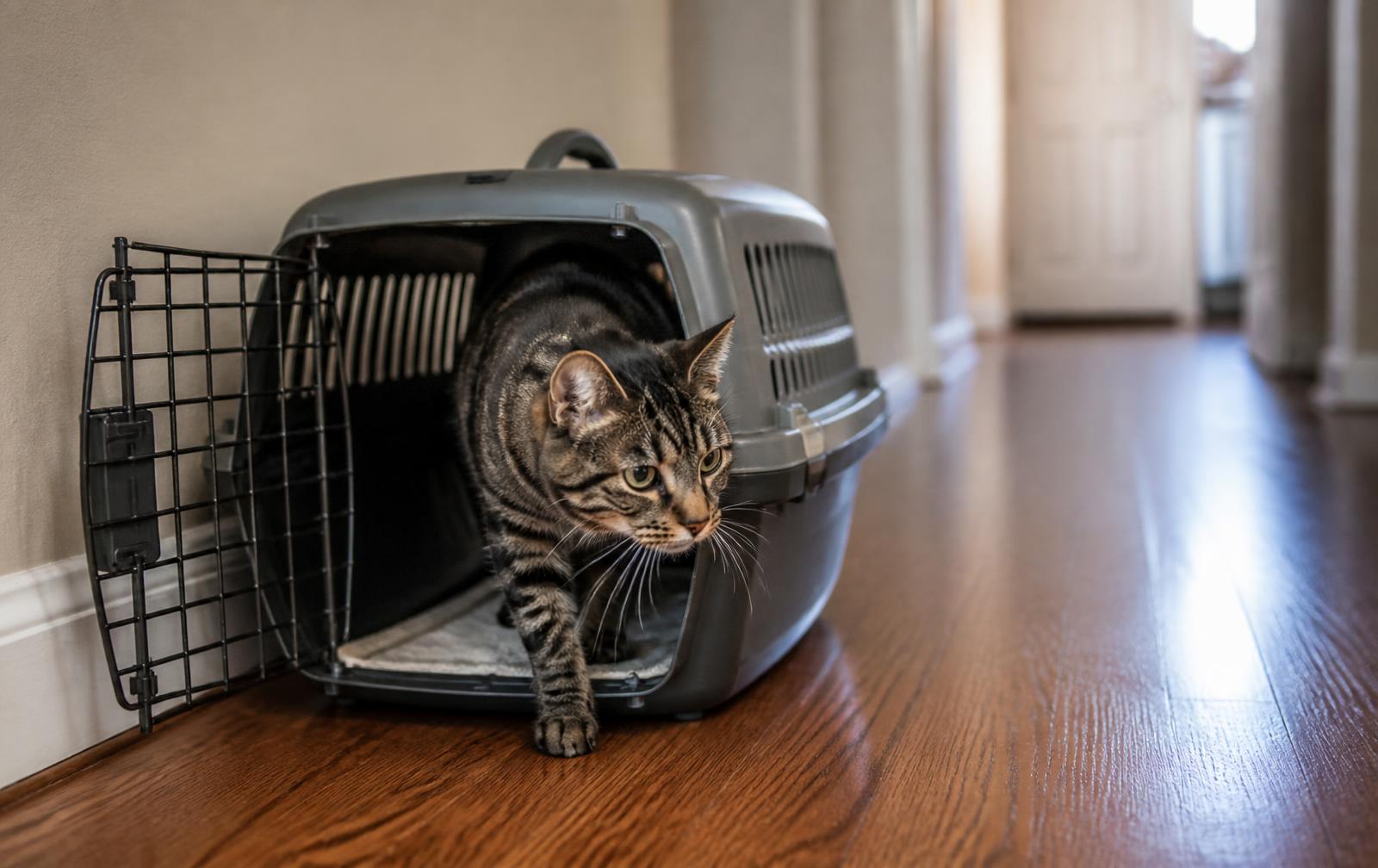
Travel Carriers and Cat Crates: Stress-Free Transport
Choose the right cat carrier or crate and learn practical tips for calmer vet visits, car trips, and moves with your feline companion.
Read more →
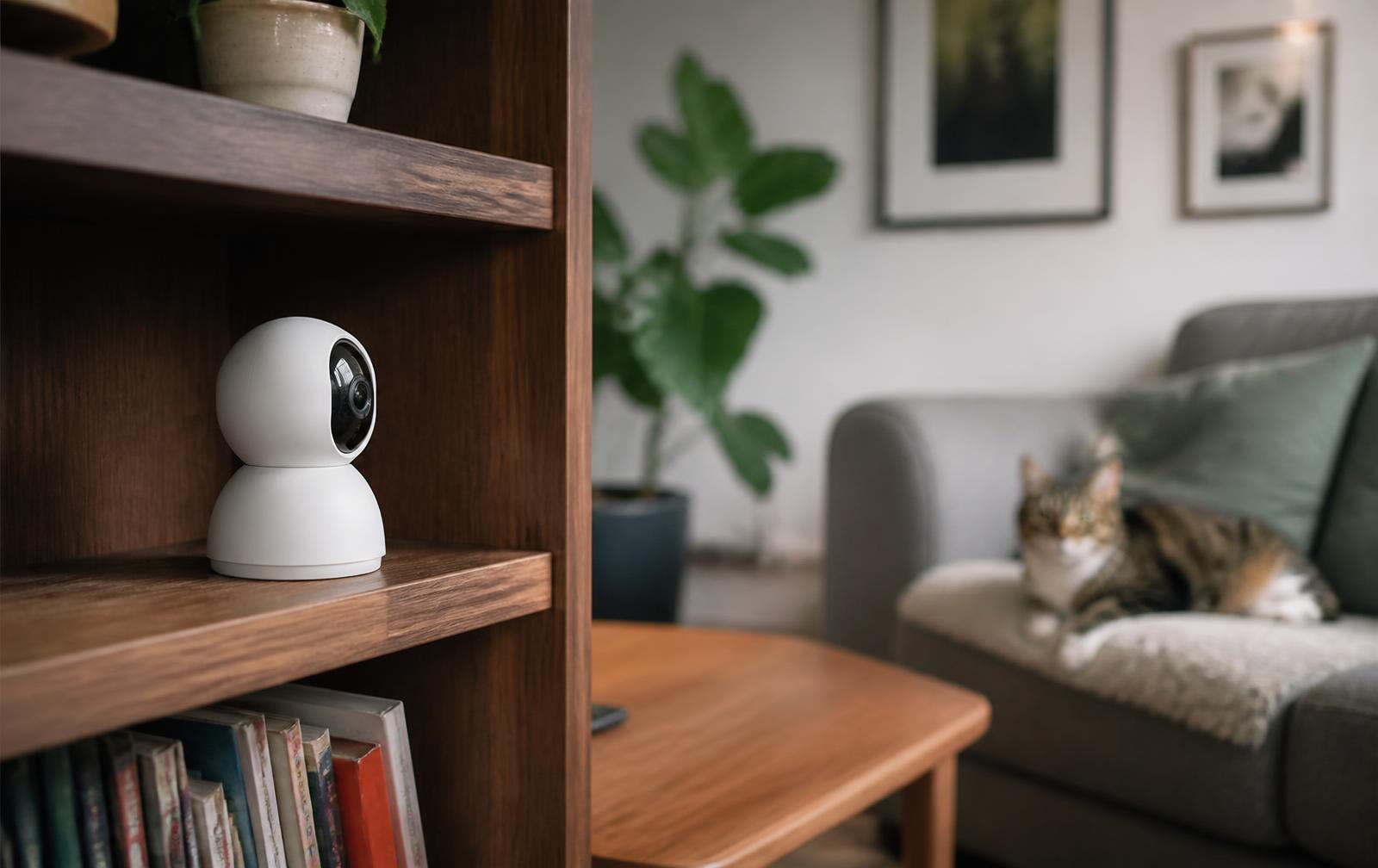
Pet Cameras and Monitoring: Tech for Checking on Your Cat
A practical guide to pet cameras and monitoring systems for cats, covering features, placement, and how to use them without over-worrying.
Read more →
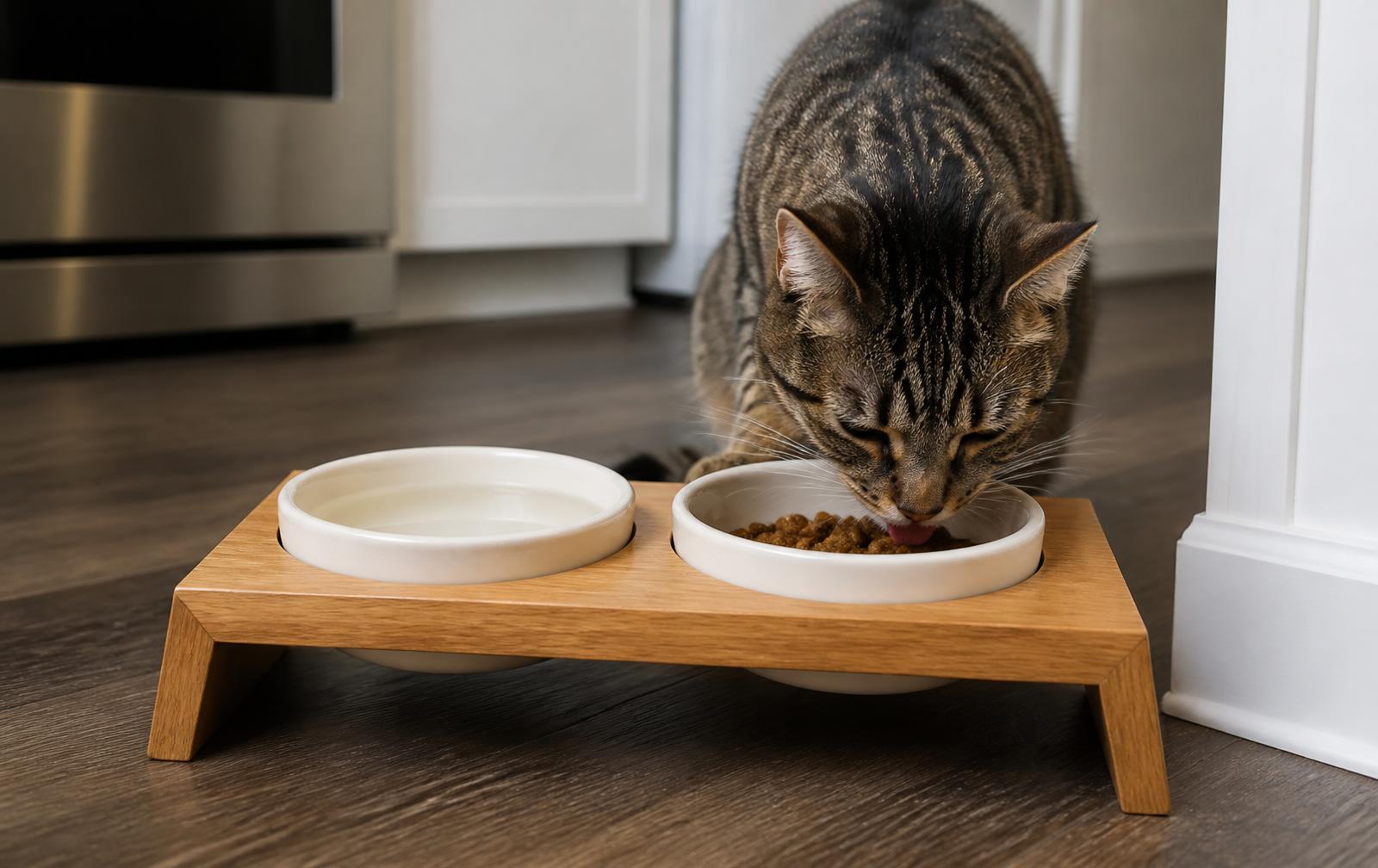
Food and Water Bowls: Material, Design, and Health Considerations
Compare cat food bowls and water bowls by material and design, including stainless steel bowls, to protect whisker health and hygiene.
Read more →