Why Your Cat Meows So Much (And What It Means)
Decode excessive cat meowing and improve cat communication with vet-backed insights and practical, considered responses.
By the Cleos team · 15 March 2027 · 7 min read
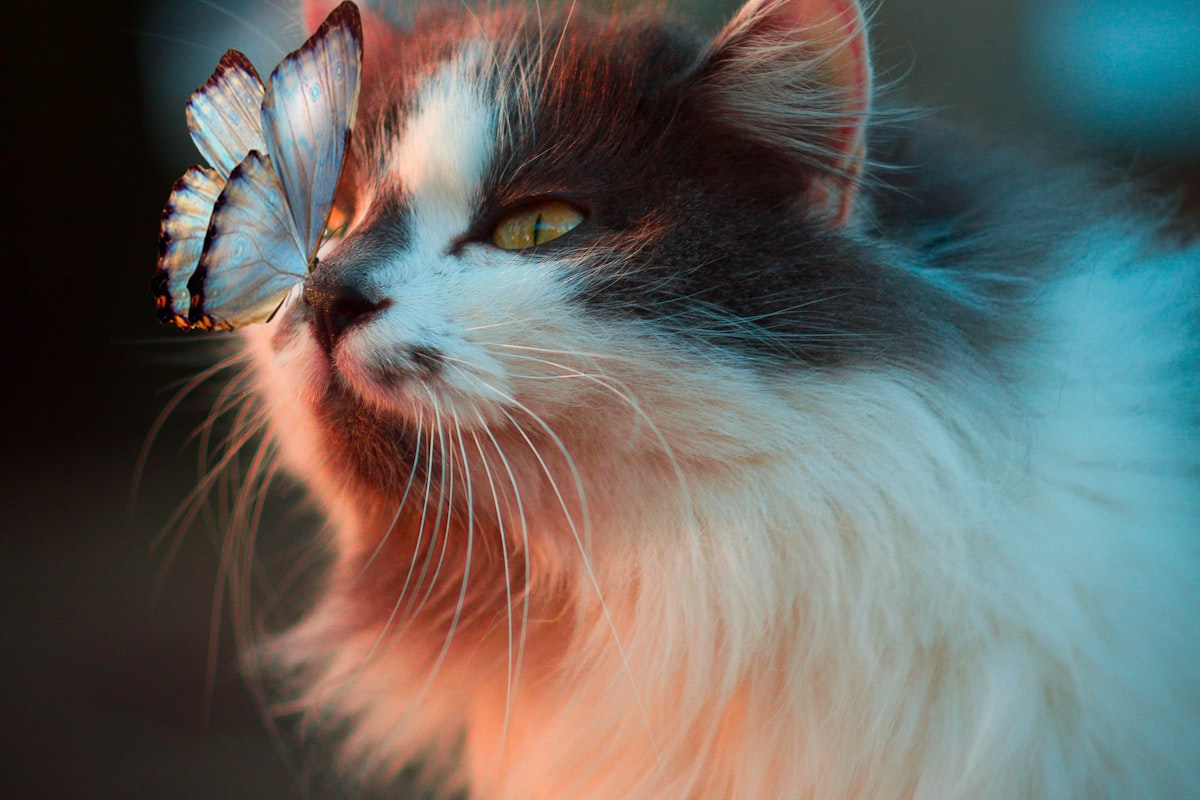
If your cat has turned into a chatty commentator on every aspect of your day, you've probably wondered whether this is just personality, a cry for attention, or something you should be worried about. Excessive cat meowing is one of the most common questions Indian cat parents bring to vets and online forums alike, and the honest answer is: it depends entirely on context.
Cats don't meow at each other in adulthood the way they meow at humans — vocalisation towards people is a behaviour largely developed to communicate with us specifically, which is exactly why understanding what your cat is trying to say matters so much. In short: excessive meowing usually falls into a few clear categories — attention-seeking, hunger, stress or boredom, ageing-related confusion, or an underlying medical issue — and while a small, well-timed treat can be part of a considered response to attention-seeking meowing, using it thoughtlessly (or ignoring persistent meowing that's actually pain or illness) can make things worse rather than better.
Cat Communication: Why Meowing Exists At All
Kittens meow to their mothers, but adult cats largely stop meowing at other cats once they're grown, communicating instead through body language and scent. The fact that adult cats keep meowing at humans throughout their lives suggests it's a behaviour they've learned works specifically for getting our attention — essentially, cats have adapted their vocal communication to fit how humans respond to sound.
This is backed by research referenced by the icatcare and Cornell Feline Health Center, both of which note that meow characteristics (pitch, length, urgency) vary depending on what the cat wants, and that owners often learn to distinguish their own cat's "feed me" meow from its "let me out" meow without realising it.
Common Reasons Cats Meow Excessively
- Attention-seeking: The most common reason in well-fed, healthy cats — often reinforced unintentionally by owners responding every time.
- Hunger or anticipation of feeding time: Especially vocal right before scheduled meals.
- Stress or environmental change: New pets, moved furniture, a new home, or a missing routine can all trigger increased vocalisation.
- Boredom or under-stimulation: Particularly common in indoor-only cats without enough enrichment.
- Cognitive changes in senior cats: Older cats, especially those with feline cognitive dysfunction, may meow loudly and seemingly without reason, often at night.
- Medical issues: Hyperthyroidism, hypertension, urinary problems, and pain can all cause a noticeable increase in vocalisation.
When Meowing Signals a Medical Problem
Any sudden, significant increase in meowing — especially in a senior cat, or paired with other changes like weight loss, increased thirst, or altered litter box habits — warrants a vet visit before assuming it's purely behavioural. Hyperthyroidism in particular is a classic cause of dramatically increased vocalisation in older cats, often alongside weight loss despite a good appetite.
Red Flags That Need a Vet Visit
| Sign alongside meowing | Possible concern |
|---|---|
| Weight loss with increased appetite | Hyperthyroidism |
| Straining or frequent trips to the litter box | Urinary blockage — urgent, especially in male cats |
| Meowing loudly at night, confusion, disorientation | Feline cognitive dysfunction (senior cats) |
| Increased thirst and urination | Kidney disease, diabetes |
| Vocalising when touched or moving | Pain — arthritis, dental disease, injury |
The AVMA and ASPCA both recommend treating any sudden behavioural change as a potential medical signal first, particularly in cats over seven years old, rather than assuming it's purely attention-seeking.
Managing Attention-Seeking Meowing
Once medical causes are ruled out, attention-seeking meowing responds well to consistent behavioural strategies — though "consistent" is the operative word, since inconsistent responses (sometimes ignoring, sometimes giving in) tend to make meowing worse, not better, by teaching the cat that persistence eventually works.
What Not to Do
- Don't respond every time a meow happens, especially if you suspect it's purely attention-seeking — this reinforces the exact behaviour you want to reduce.
- Don't yell or punish — this still counts as attention from your cat's perspective, and can add stress-based meowing on top of attention-seeking meowing.
- Don't feed on demand every time a cat meows near mealtime, as this trains cats to escalate vocal demands over time.
What Works
- Reward silence, not noise. Give attention, play, or a treat when your cat is calm and quiet, not when it's mid-meow.
- Increase enrichment. Puzzle feeders, window perches, and regular play sessions reduce boredom-driven vocalisation significantly.
- Stick to a predictable routine, especially around feeding times, so cats aren't left guessing (and therefore meowing) about when the next meal is coming.
Treats as a Considered Response — Not a Reflex
Here's where nuance matters. It's tempting to toss a treat at a meowing cat just to get some quiet, but done reflexively, this directly trains the cat that meowing gets rewarded — the opposite of what most owners want long-term.
A more considered approach uses treats strategically rather than reactively:
- Reward the pause, not the meow. Wait for a brief moment of quiet — even two or three seconds — before offering a treat, so the cat begins associating calm behaviour, not vocal demand, with reward.
- Use treats to build a new routine, such as a scheduled "quiet time" treat once or twice a day at a fixed time, which reduces a cat's reliance on meowing to predict when good things happen.
- Choose a treat your cat genuinely values, since a low-effort or unappealing treat won't be reinforcing enough to shift an established meowing habit. A lickable, real-protein treat like Cleos tends to hold a cat's attention fully during the brief pause you're rewarding, making the timing of the reward clearer to the cat than a hastily thrown dry kibble might.
- Never use treats to mask a medical issue. If meowing is being driven by pain or illness, treats will not resolve it and may delay a needed vet visit — always rule out medical causes first.
This considered use of treats fits into the same behavioural-training logic used for other feline issues; see our related guide on understanding cat aggression for more on how timing and reward value influence behaviour change, and bonding through treat-time rituals for building predictable, positive routines with your cat.
Ingredient Quality Matters for Training Value
A treat only works as a behavioural tool if your cat finds it genuinely rewarding and it doesn't come with digestive downsides that create new problems. Look for:
- Real, named protein rather than vague "meat derivatives" — see real protein vs meat meal.
- No unnecessary fillers that dilute both nutrition and palatability — see fillers in premium cat treats.
- A format your cat can finish quickly and cleanly, so the reward moment stays short and precisely timed, similar to the appeal explained in why cats love lickable treats.
Join the Cleos Waitlist: be among the first to reward your cat's calm moments with real, lickable treats made from named proteins — sign up at https://getcleos.in/#waitlist.
Frequently Asked Questions
Is it normal for some cat breeds to meow more than others?
Yes. Breeds like Siamese and other Oriental breeds are well known for being especially vocal, often meowing loudly and frequently as part of their normal temperament, while breeds like Persians tend to be quieter. Individual personality also plays a large role regardless of breed, so some variation in how "talkative" a cat is should be considered normal rather than a problem needing correction.
My cat only meows excessively at night — what's going on?
Nighttime meowing is common and can stem from boredom (cats are naturally more active at dawn and dusk), hunger if feeding schedules are inconsistent, or, in senior cats, feline cognitive dysfunction. Increasing daytime play to tire your cat out, using an automatic feeder for a small early-morning meal, and consulting a vet if the cat is older can all help significantly.
Will giving my cat a treat every time it meows make things worse?
Yes, if the treat is given in direct response to the meow itself, it reinforces meowing as an effective strategy and can lead to louder or more frequent vocalisation over time. Instead, wait for a brief quiet moment before rewarding, so your cat learns that calm behaviour — not meowing — leads to the reward.
Can changing my cat's diet reduce excessive meowing?
Diet itself rarely directly causes or cures meowing, but consistent feeding times and appropriate portion sizes can reduce hunger-driven vocalisation around mealtimes. If a medical cause like hyperthyroidism or diabetes is identified, dietary management alongside veterinary treatment may be part of the broader plan, but this should always be guided by your vet rather than self-directed.
How do I know if my senior cat's meowing is cognitive dysfunction or just old age?
Feline cognitive dysfunction typically presents as loud, seemingly disoriented meowing (especially at night), confusion about familiar surroundings, changes in sleep-wake cycles, and reduced interaction with family members. If your senior cat shows several of these signs together, rather than just being generally more vocal, a vet visit is warranted to discuss cognitive support options and rule out other treatable medical causes first.
Keep Cleos close
Get more Cleos stories on Google
Add Cleos as a preferred source to make our cat care guides easier to find in Google.
Add to Preferred SourcesFound this useful? Share it
Treats worth reading the label for.
Cleos lickable treats are built on real, named ingredients — Real Chicken, Real Tuna, Tuna & Shrimp and Chicken & Veggies — with zero artificial fillers.
Join the Cleos waitlistKeep reading
Travel Carriers and Cat Crates: Stress-Free Transport
Choose the right cat carrier or crate and learn practical tips for calmer vet visits, car trips, and moves with your feline companion.
Read more →
Pet Cameras and Monitoring: Tech for Checking on Your Cat
A practical guide to pet cameras and monitoring systems for cats, covering features, placement, and how to use them without over-worrying.
Read more →
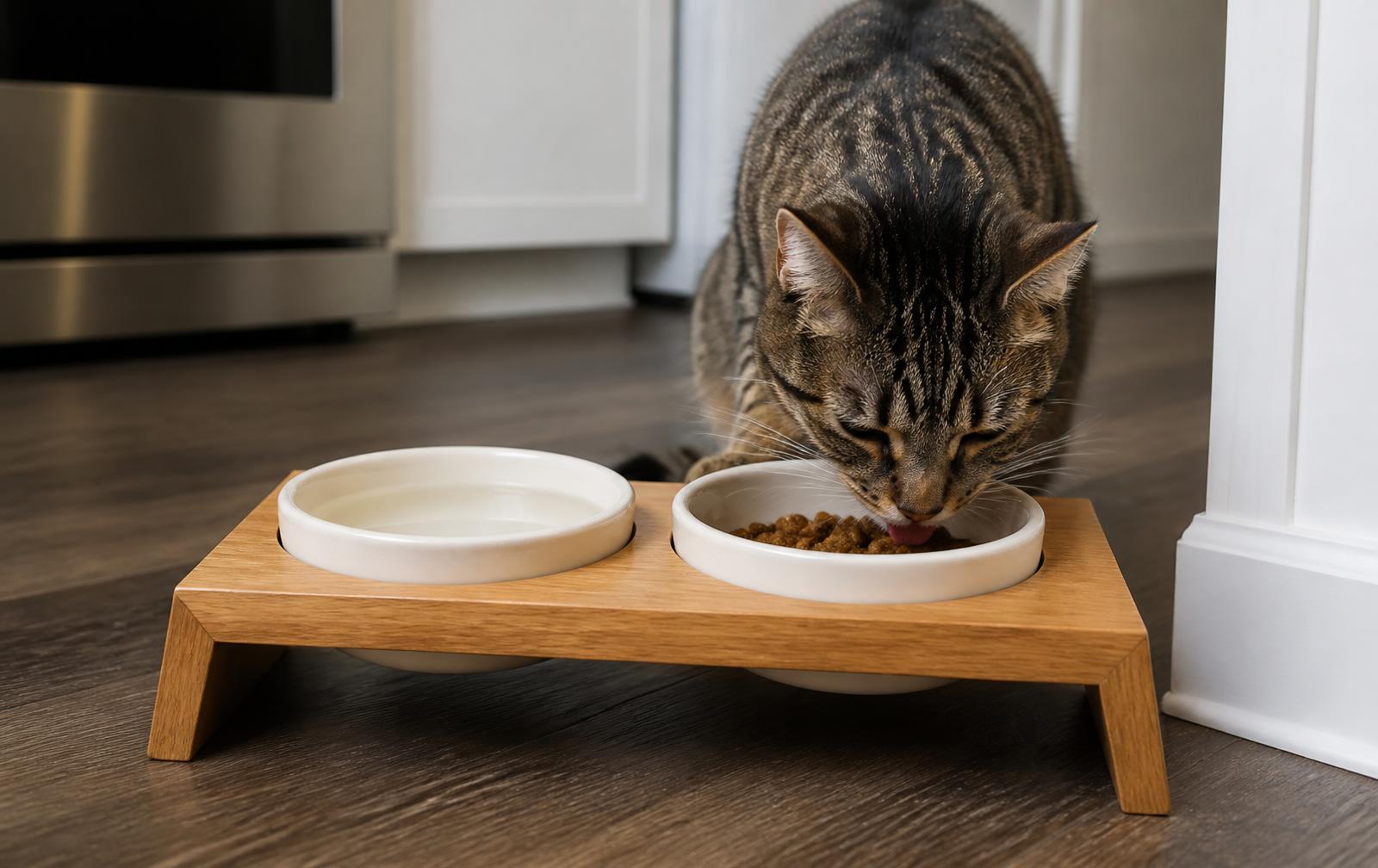
Food and Water Bowls: Material, Design, and Health Considerations
Compare cat food bowls and water bowls by material and design, including stainless steel bowls, to protect whisker health and hygiene.
Read more →