How to Give Pills to a Resistant Cat
Struggling with medicating cats? Explore proven pill techniques and a smart pill pocket alternative using lickable treats.
By the Cleos team · 1 March 2027 · 8 min read
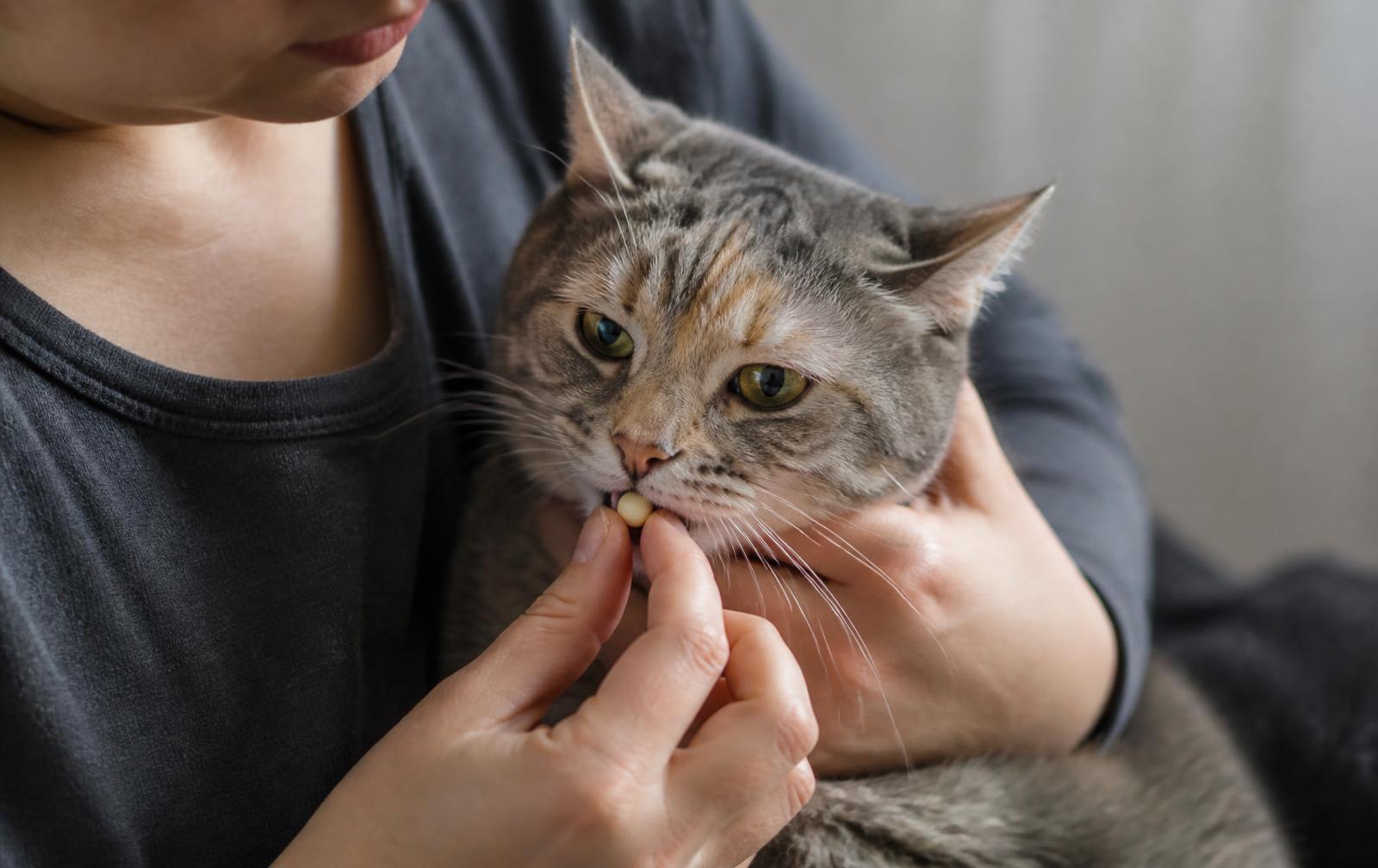
Few things test the bond between cat and human quite like pilling day. Your vet hands over a tiny tablet, promises it's "easy," and then you go home to a cat who suddenly develops the reflexes of a professional escape artist. If you've ever ended up with a scratched wrist and an untouched pill on the floor, you are not alone — this is one of the most common frustrations Indian cat parents report to their vets.
The good news is that medicating cats is a skill, not a gamble, and it gets easier with the right technique and the right tools. In short: the fastest way to pill a resistant cat is to combine a confident, quick physical technique (or a proper pilling device) with a tasty, high-value food reward immediately afterwards — and, when your vet confirms it's safe to give that particular medicine with food, hiding the pill inside a soft, lickable treat like Cleos can turn a stressful ordeal into a five-second, tail-up experience.
Why Pilling a Cat Is So Difficult
Cats are obligate carnivores with an acute sense of smell and taste, and they are hardwired to be suspicious of anything bitter or unfamiliar in their mouth — in the wild, bitterness often signals a toxin. A pill's texture, smell, and taste are all instantly recognisable to a cat, which is why simply crushing it into a food bowl and hoping for the best rarely works; most cats will just eat around it, or refuse the whole bowl out of suspicion.
There's also a psychological layer. If a cat has been forcibly pilled a few times using rough restraint, it starts associating you — or the sight of the pill bottle — with a negative experience. This is why technique and positive association matter as much as the physical act itself.
Common Mistakes That Make Things Worse
- Chasing the cat after a failed attempt, which teaches them that running away works.
- Crushing pills that shouldn't be crushed — some medications are enteric-coated or extended-release and lose efficacy or cause stomach upset if crushed. Always check with your vet first.
- Using overwhelming restraint, which spikes cortisol and makes every future attempt harder.
- Skipping the follow-up reward, so the cat has no reason to tolerate the process next time.
Step-by-Step: The Manual Pilling Technique
If you need to give the tablet directly (some medications must be given exactly this way), a calm, practised technique reduces stress for both of you:
- Prep everything first. Have the pill ready in one hand and a follow-up treat within reach before you pick up your cat.
- Wrap gently if needed. For a fractious cat, wrapping the body (not the head) in a towel, leaving only the head exposed, can help.
- Tilt the head back slightly by cupping it from above, which naturally opens the jaw a little.
- Use your other hand to gently open the lower jaw and place the pill as far back on the tongue as comfortably possible.
- Close the mouth and stroke the throat, or gently blow on the nose, to encourage a swallow reflex.
- Follow immediately with water or a treat to help the pill go down and to end the interaction on a positive note.
Speed and confidence matter more than force. A hesitant, drawn-out attempt is more stressful for a cat than one that's over in a few seconds.
Pill Pockets, Pill Guns, and Other Tools
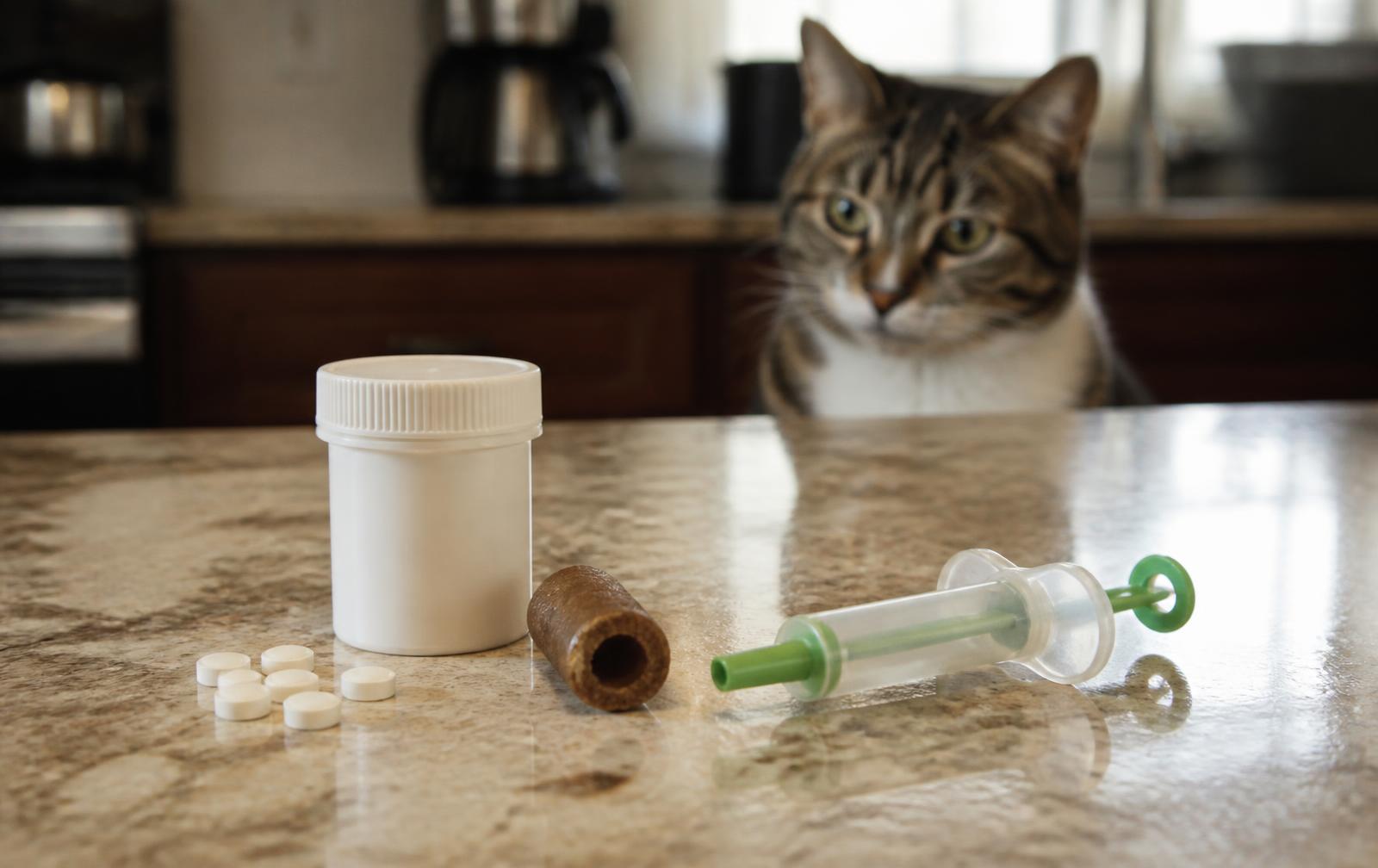
A dedicated pilling syringe (sometimes called a "piller" or pill gun) can help place the tablet at the back of the throat without you needing to put fingers near sharp teeth — genuinely useful if you're pilling a large or strong cat solo.
Commercial pill pockets — small, soft treats moulded around a hollow centre for the tablet — are popular abroad and increasingly available in India. They work well for many cats, though some cats detect the pill inside a dense, doughy pocket and pick around it, especially with bitter-tasting medications.
Why a Pill Pocket Alternative Helps
This is where a genuine pill pocket alternative earns its place in the medicine cabinet. A soft, wet, highly palatable lickable treat has a few practical advantages:
| Method | Texture | Masking ability | Best for |
|---|---|---|---|
| Crushing into dry food | Dry, granular | Low — pill grit is easy to detect | Cats with no food suspicion |
| Commercial pill pocket | Dense, doughy | Moderate | Cats that swallow treats whole |
| Pilling device (manual) | N/A (direct) | High (bypasses taste) | Fractious or strong cats |
| Lickable treat like Cleos | Smooth, wet paste | High — pill dissolves into a strong-flavoured paste | Cats who reject dry pockets or are food-motivated |
Because a lickable treat is a smooth paste rather than a solid lump, a small, appropriately sized pill (once you've confirmed with your vet that it's fine to crush, or a capsule that can be opened) can often be blended into the first small dab, which the cat licks off eagerly before finishing the rest plain. The strong aroma of a real-protein treat — Cleos uses named proteins like real tuna and chicken rather than vague "meat" — helps mask both the smell and the slight bitterness of many medications.
This is important: never crush or hide a medication in food without your vet's explicit confirmation. Some tablets are not meant to be crushed, some medications interact badly with certain foods, and dosing needs vary by drug. A vet-approved plan is always the starting point, and treats should be viewed as a delivery vehicle, not a treatment in themselves. For general information on medicating cats, the Cornell Feline Health Center and AVMA are reliable resources.
Building a Low-Stress Routine
Cats respond well to predictability. If pilling happens at the same time each day, in the same calm location, and is reliably followed by something they enjoy, most cats adapt within a week or two.
A Simple Weekly Routine
- Day 1-2: Practice "fake pilling" — go through the motions with an empty hand and immediately reward, so the cat doesn't associate every session with medicine.
- Day 3 onward: Introduce the actual pill (vet-approved method), always followed by a treat within seconds.
- Ongoing: Keep sessions short, quiet, and free of chasing. If a session fails, stop, wait ten minutes, and try again rather than escalating.
This kind of positive reinforcement overlaps closely with broader behavioural training — see our guide on bonding through treat-time rituals for more on building trust through consistent, rewarding routines.
Choosing the Right Treat for the Job
Not every treat works equally well as a reward or as a pilling aid. Look for:
- Real, named protein (not "meat by-product") so the smell is genuinely appetising — see our piece on real protein vs meat meal.
- A smooth, lickable texture that a nervous cat will accept quickly without needing to chew.
- No fillers or artificial flavour that might taste "off" and make a suspicious cat hesitate further — read more in fillers in premium cat treats.
- A strong enough aroma to work as a genuine reason cats love lickable treats in the first place.
Cleos treats, made with real tuna, chicken, or shrimp and no fillers, are designed exactly for this kind of high-value, high-palatability moment — whether that's a reward after a stressful vet visit or a considered pill pocket alternative once your vet has signed off.
Join the Cleos Waitlist: be among the first to try real, lickable treats your cat will actually look forward to — sign up at https://getcleos.in/#waitlist.
Frequently Asked Questions
Can I hide any pill inside a Cleos treat?
No. Always confirm with your vet first, because some medications are enteric-coated, extended-release, or chemically altered by crushing, and some interact with food. Once your vet confirms a tablet or opened capsule can be given with food, a small dab of lickable treat can help mask the taste and encourage your cat to eat it willingly, followed by the rest of the treat as a reward.
What if my cat spits the pill back out?
This is common, so always watch your cat for a minute or two after pilling to confirm the tablet was swallowed, not just moved to the back of the mouth. Gently stroking the throat or blowing softly on the nose encourages swallowing. If spitting out becomes a repeated problem, ask your vet about a pilling device or a liquid/compounded alternative formulation.
Is it safe to crush pills into food every day?
Only if your vet has confirmed that specific medication is safe to crush and give with food long-term. Chronic conditions often need consistent dosing, so it's worth discussing a sustainable routine — including flavour rotation to avoid food aversion — with your vet rather than improvising.
My cat associates the treat jar with medicine now and avoids it. What do I do?
This happens when treats are only ever given alongside medication. Break the association by regularly offering the same treat with no pill involved, especially outside pilling sessions, so your cat learns the treat itself is safe and enjoyable, not just a medicine delivery vehicle.
Are lickable treats safe for cats with kidney or urinary conditions who are already on medication?
Many cats on long-term medication also have dietary restrictions, so always check the treat's ingredient profile against your vet's recommendations, particularly around phosphorus, sodium, or protein levels for cats with conditions like CKD. Our article on chronic kidney disease and diet has more detail on what to watch for.
Keep Cleos close
Get more Cleos stories on Google
Add Cleos as a preferred source to make our cat care guides easier to find in Google.
Add to Preferred SourcesFound this useful? Share it
Treats worth reading the label for.
Cleos lickable treats are built on real, named ingredients — Real Chicken, Real Tuna, Tuna & Shrimp and Chicken & Veggies — with zero artificial fillers.
Join the Cleos waitlistKeep reading
Travel Carriers and Cat Crates: Stress-Free Transport
Choose the right cat carrier or crate and learn practical tips for calmer vet visits, car trips, and moves with your feline companion.
Read more →
Pet Cameras and Monitoring: Tech for Checking on Your Cat
A practical guide to pet cameras and monitoring systems for cats, covering features, placement, and how to use them without over-worrying.
Read more →
Food and Water Bowls: Material, Design, and Health Considerations
Compare cat food bowls and water bowls by material and design, including stainless steel bowls, to protect whisker health and hygiene.
Read more →