Frozen vs Freeze-Dried Cat Treats: Which Lasts Longer?
Frozen, freeze-dried or sealed lickable pouches? Compare shelf life, nutrient retention, palatability and cost so you can pick the right cat treat format.
By the Cleos team · 24 August 2026 · 11 min read
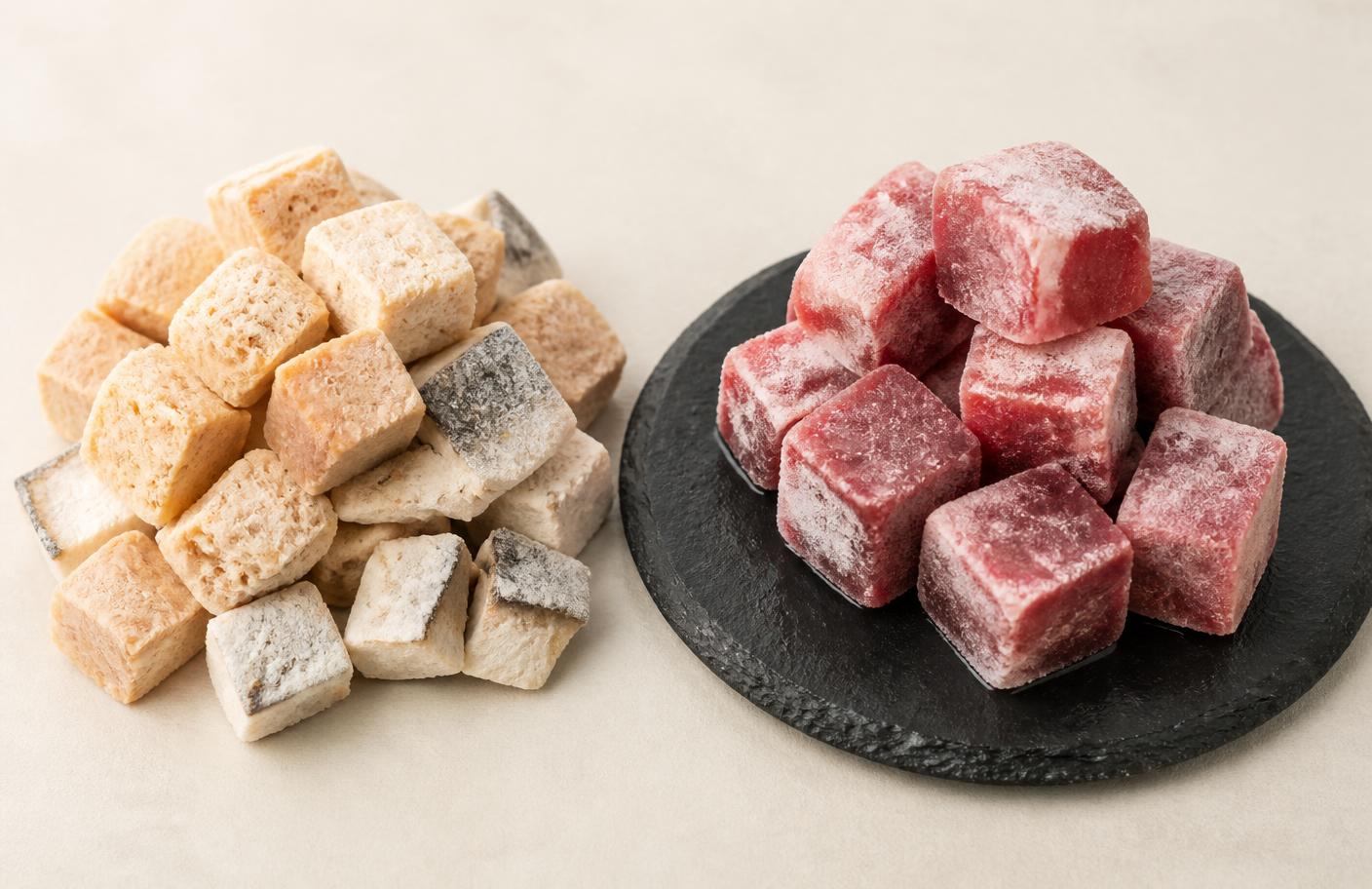
Every cat parent in India knows the struggle of balancing bulk-buying for value against the risk of treats going stale in our humid climate. Whether you are dealing with a picky eater who turns their nose up at a slightly chewy dry treat or you are worried about the safety of meat left in the freezer, understanding cat treat preservation is vital for both your wallet and your cat’s health.
In short: While frozen treats last 3–6 months and offer high moisture, freeze-dried cat treats win on longevity with a shelf life of up to 25 years if unopened, though retort-sterilised lickable treats provide the best balance of shelf life, hydration, and nutrient retention for daily use.
The Science of Cat Treat Preservation: Why Food Spoils
Before comparing specific formats, we must understand why cat treats go bad in the first place. The primary culprits are bacteria, yeast, and mould. These microorganisms require two things to thrive: moisture and oxygen. In the pet food industry, we measure this through "water activity" (aw).
Water activity isn't just about how much water is in the food, but how much "free" water is available for microbes to use. Fresh meat has high water activity, which is why it spoils in hours at room temperature. To extend treat shelf life, manufacturers must either remove this water (drying), lock it away (freezing), or kill the microbes and seal the food in an airtight environment (retort sterilisation).
Secondary spoilage occurs through oxidation. When fats in cat treats are exposed to air, they become rancid. This doesn't just make the treat smell "off" to your cat’s sensitive nose; it can also lead to digestive upset. This is why packaging is just as important as the preservation method itself.
Frozen Cat Treats: The Freshness Factor
Frozen treats are often perceived as the "freshest" option because they involve minimal processing. You might freeze small bits of boiled chicken or buy commercially prepared raw frozen nuggets.
Shelf Life and Storage
In a standard home freezer, frozen cat treats generally last between 3 to 6 months. While they don't necessarily become unsafe after this period, "freezer burn" begins to set in. This happens when moisture evaporates from the surface of the meat and turns into ice crystals, leaving the treat dry, tough, and less flavourful.
Pros and Cons
- Nutrient Retention: Freezing is excellent at preserving heat-sensitive vitamins.
- Palatability: Most cats enjoy the cold texture, especially in the Indian summer.
- Food Safety: This is the biggest concern. Thawing must be done carefully in the fridge to prevent bacterial growth. Once thawed, these treats must be consumed within 24 hours.
- Convenience: Low. You cannot easily take frozen treats on a trip or use them for training sessions outside the house.
Even high-moisture treats like our Tuna & Shrimp recipe can achieve long-lasting safety through smart packaging rather than freezing.
Freeze-Dried Cat Treats: The Longevity Champion
Freeze-drying, or lyophilisation, is a process where the treat is frozen and then placed in a vacuum. The ice turns directly into vapour (sublimation), removing about 98-99% of the moisture without using high heat.
Shelf Life and Storage
Freeze-dried cat treats are the undisputed champions of longevity. Unopened, they can last for 25 years. Once the bag is opened, the shelf life drops to about 30 days because the treats immediately begin absorbing moisture from the air. In humid cities like Mumbai or Chennai, freeze-dried treats can turn soft and spoil quickly if the bag isn't zipped tight.
Pros and Cons
- Nutrient Retention: Because there is no heat involved, the proteins and enzymes remain largely intact. For more on this, see our guide on Real Protein vs Meat Meal in Cat Treats.
- Weight: They are incredibly light and portable.
- Cost: This is the most expensive method of preservation due to the energy-intensive machinery required.
- Hydration: The biggest drawback is that they provide zero moisture. Cats have a low thirst drive and naturally get their water from prey. Feeding only dry or freeze-dried treats without rehydrating them can put a strain on their kidneys over time.
Air-Dried and Dehydrated Treats: The Traditional Choice
Air-drying involves circulating warm air over the food to evaporate moisture. This is how many traditional "jerky" treats are made.
Shelf Life and Storage
Dehydrated treats typically have a shelf life of 6 to 12 months. They have a higher water activity than freeze-dried treats (around 10-15% moisture remaining), which means they are slightly more prone to mould if the storage environment is damp.
Pros and Cons
- Texture: They are often quite tough. While this is good for dental health in dogs, many older cats or those with dental issues find them difficult to chew.
- Nutrients: The heat used in dehydration can degrade some vitamins, particularly Taurine, which is essential for feline heart health. You can learn more about essential feline nutrients at iCatCare.
- Safety: If not dried at a high enough temperature, there is a risk of Salmonella or E. coli surviving the process.
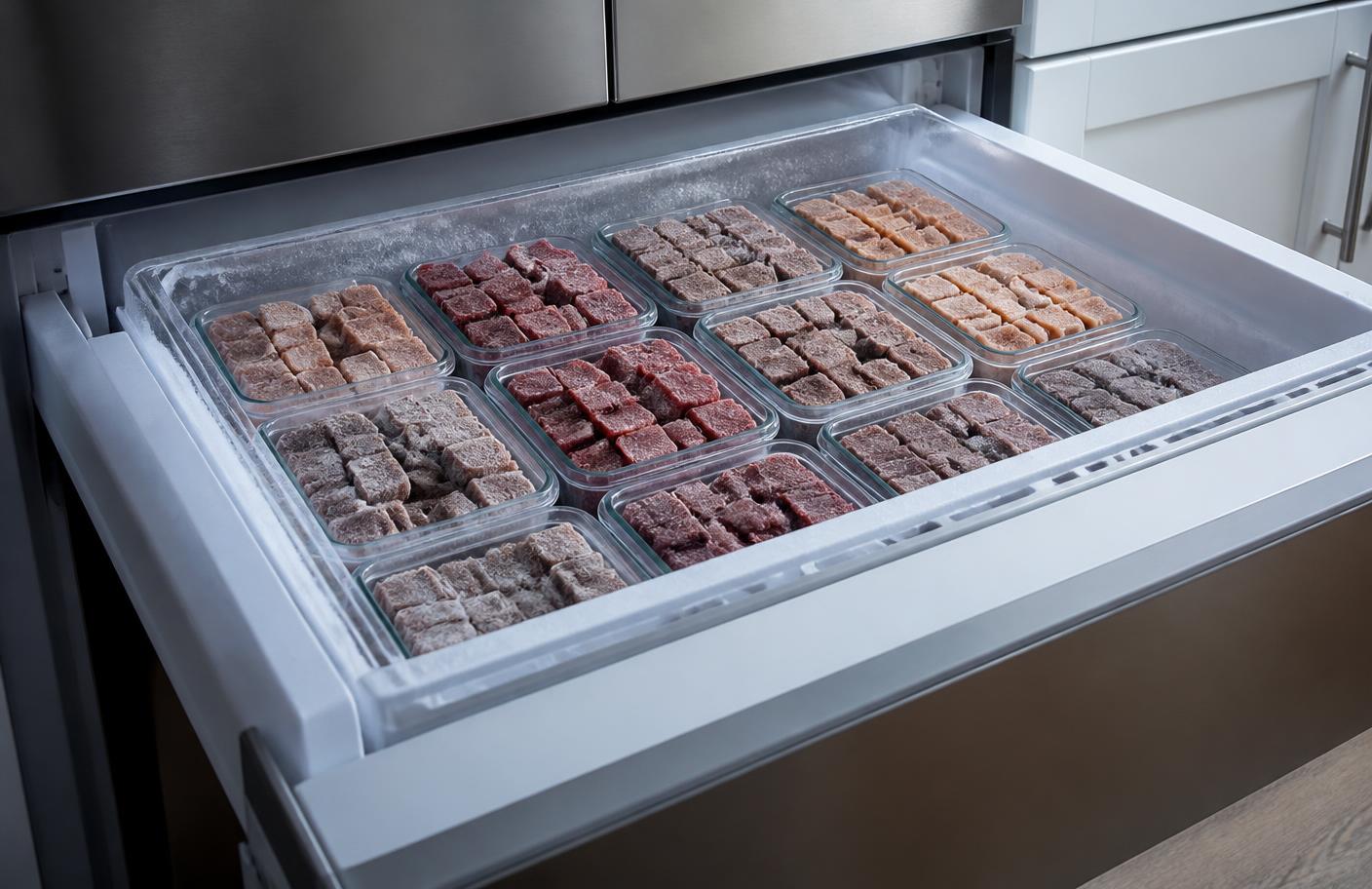 Unlike dehydrated jerky, lickable treats provide the hydration cats need while remaining shelf-stable.
Retort-Sterilised Lickable Treats: The Modern Solution
Retort processing is the technology used for Cleos lickable treats. It involves sealing the treat in a multi-layered pouch and then heating it to a specific temperature to kill all pathogens.
Shelf Life and Storage
Because the pouch is hermetically sealed, the treat remains sterile until opened. This gives lickable treats a shelf life of 18 to 24 months at room temperature. There is no need for a freezer, and unlike freeze-dried treats, they don't lose their quality the moment you open the box, provided the individual single-serve pouches remain sealed.
The Role of Water Activity in Lickable Treats
You might wonder: if moisture causes spoilage, why don't wet lickable treats spoil? The secret lies in the combination of "commercial sterility" and airtight packaging. By eliminating all microorganisms inside the pouch, the high water activity (which cats love for hydration) becomes a non-issue. This allows brands to avoid the "Worst Cat Food Ingredients" often used as preservatives in dry kibble. To understand what to look out for, read our Vet-Reviewed Guide on Worst Cat Food Ingredients.
At Cleos, we believe your cat deserves the freshest ingredients without the chemical cocktail. Our lickable treats are made with real named proteins and zero artificial fillers, preserved naturally through advanced retort technology. Join the Cleos waitlist today to be the first to try our recipes.
Comparing Preservation Methods at a Glance
| Feature | Frozen | Freeze-Dried | Dehydrated | Retort (Lickable) |
|---|---|---|---|---|
| Shelf Life (Unopened) | 3-6 Months | 25 Years | 6-12 Months | 18-24 Months |
| Storage Needs | Deep Freezer | Cool, Dry Place | Cool, Dry Place | Room Temp |
| Moisture Content | High | Near Zero | Low | Very High |
| Nutrient Loss | Very Low | Minimal | Moderate | Minimal |
| Preparation | Needs Thawing | None (or rehydrate) | None | Just Tear & Pour |
| Cost per Gram | Medium | Very High | Medium | Competitive |
Palatability and Convenience: Why Format Matters
While shelf life is a logistical concern for the human, palatability is the primary concern for the cat. Cats are "obligate carnivores," meaning their bodies are biologically designed to process animal protein. They also hunt by scent.
Freeze-dried treats have a very concentrated scent, which many cats find appealing. However, the dry, chalky texture can be a deterrent for some. Frozen treats have the appeal of being "real meat," but the cold can actually dull the aroma.
Retort-sterilised lickable treats, like those in the Cleos lineup, offer the best of both worlds. The high moisture content carries the aroma of the real chicken or tuna, and the smooth texture is easy for cats of all ages to consume. This is particularly important for senior cats or those with sensitive stomachs. If your cat has a delicate tummy, check out our article on the Best Cat Treat Ingredients for Sensitive Stomachs.
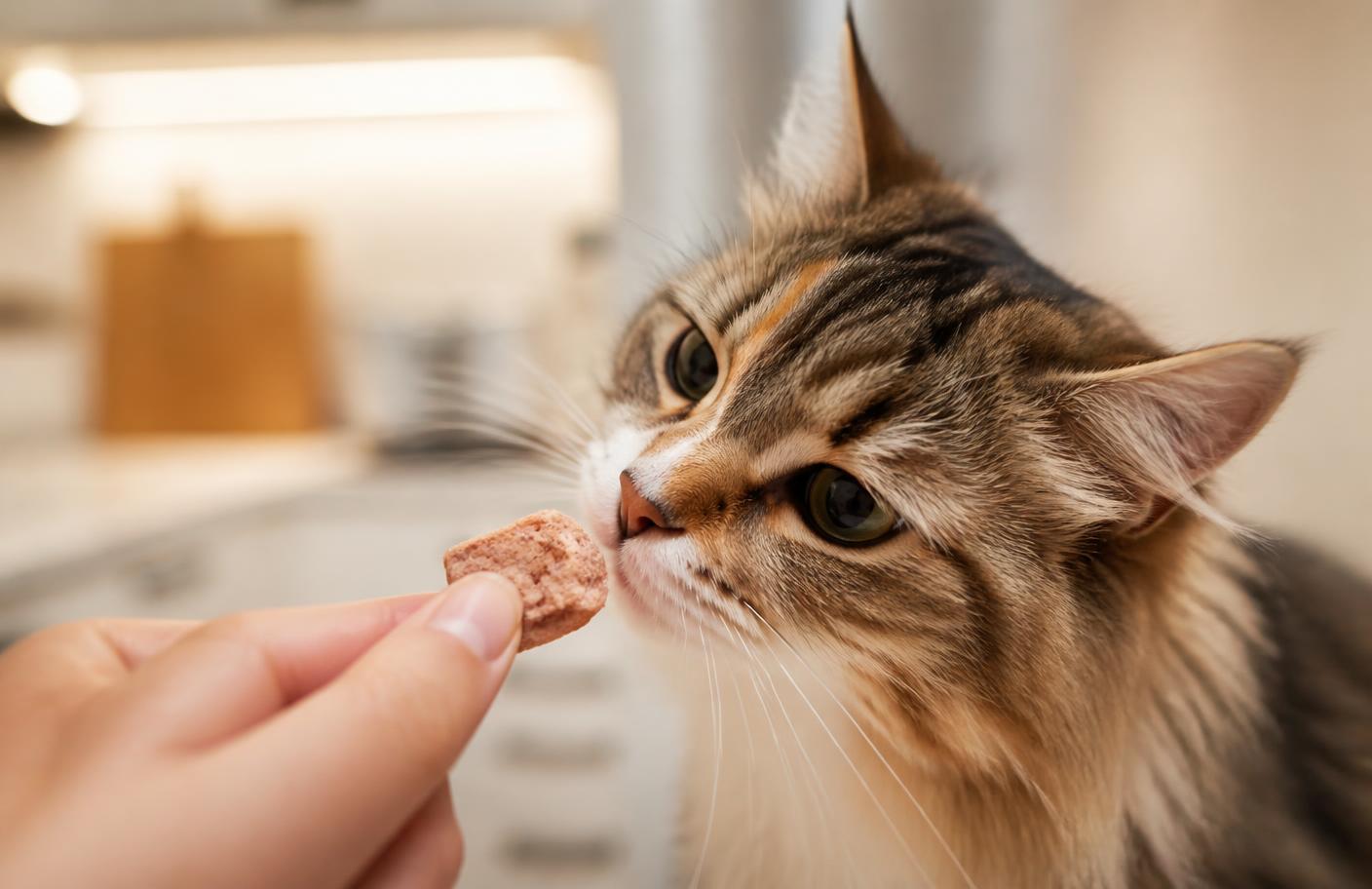 The foundation of any long-lasting, healthy treat must be high-quality, named animal proteins.
Food Safety and Artificial Fillers
When searching for treats with a long shelf life, many cat parents accidentally buy products loaded with artificial preservatives like BHA, BHT, or Ethoxyquin. These chemicals are used to prevent fats from going rancid, but their long-term effects on feline health are a subject of ongoing study by organisations like the FDA.
Brands such as Whiskas, Purina Friskies, Sheba, Temptations and Royal Canin all sell cat treats in India, and each uses different preservation philosophies. Some focus on low-moisture biscuits, while others focus on wet formats.
The beauty of single-serve lickable pouches is that they don't require these artificial stabilizers. Once a pouch is opened, it is meant to be finished in one sitting, eliminating the risk of the food sitting out and growing bacteria. For a deeper dive into what goes into mass-market treats, see Are There Any Fillers in Premium Cat Treats?.
Hydration: The Hidden Benefit of Lickable Treats
While freeze-dried treats win on pure "calendar days" of shelf life, they fail in the hydration department. Many cats in India suffer from chronic kidney disease (CKD) or urinary tract crystals because they do not drink enough standing water.
Feeding a lickable treat provides a "stealth" source of hydration. Because the moisture is locked into the delicious tuna or chicken puree, the cat consumes it happily. In contrast, if you feed freeze-dried treats without rehydrating them, you are essentially feeding a "thirst-inducing" snack. According to the VCA Animal Hospitals, maintaining proper hydration is one of the most effective ways to support feline kidney health.
Cost vs. Value Over Time
When evaluating cat treat preservation, you have to look at waste.
- Frozen: Often wasted due to freezer burn or forgetting to thaw them in time.
- Freeze-Dried: High initial cost. If the seal fails in a humid climate, the whole bag is ruined.
- Lickable Pouches: Zero waste. Each portion is individually sealed and remains fresh for up to two years.
For most Indian households, the convenience of a cupboard-stable, high-protein lickable treat offers the best value. You get the nutritional benefits of fresh meat without the logistical nightmare of a freezer or the astronomical price tag of freeze-drying. You can learn more about the importance of protein levels in our Complete Guide to Protein Content in Cat Treats.
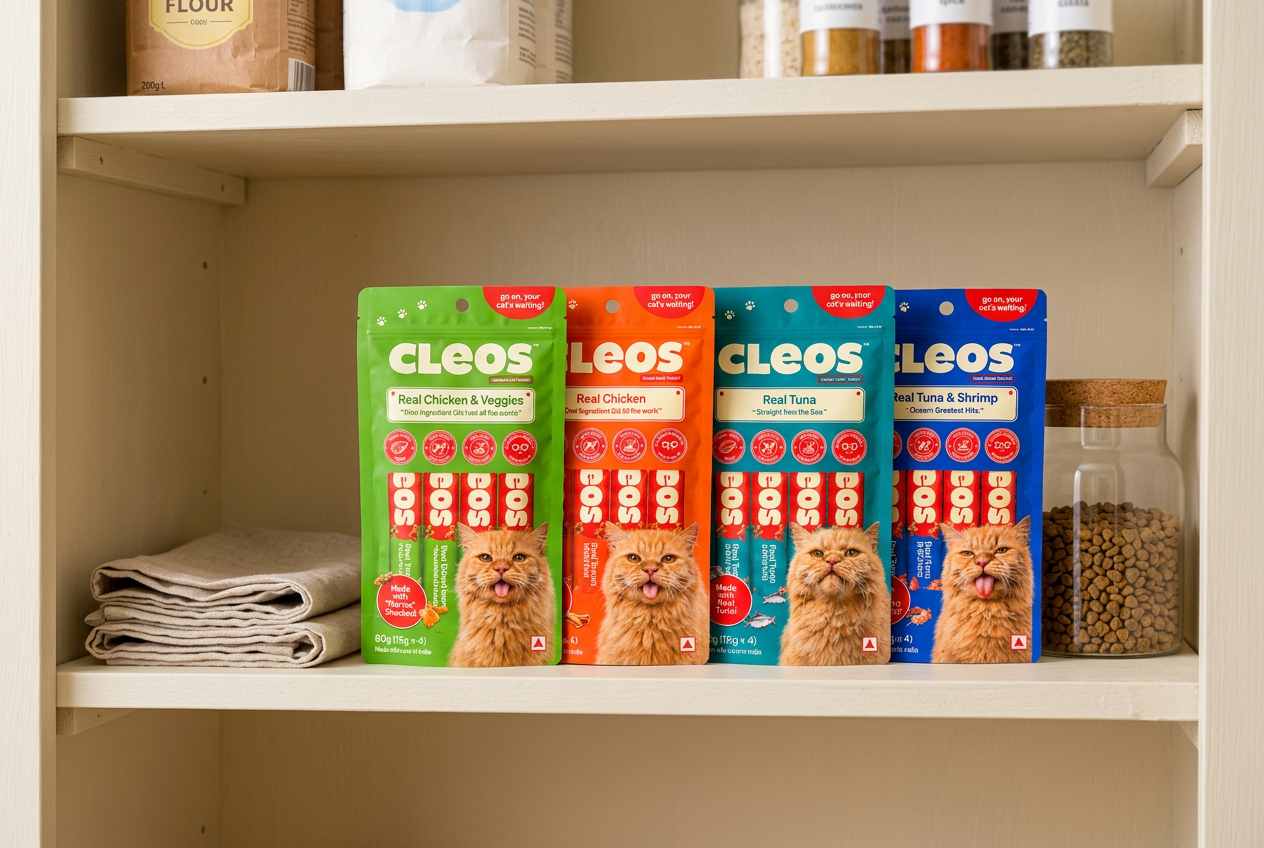 A variety of flavours means your cat never gets bored, and the retort packaging ensures every lick is as fresh as the day it was made.
The Final Verdict
If you are building a "doomsday bunker" for your cat, freeze-dried treats are your best bet. However, for the everyday reality of treating your cat to something healthy, hydrating, and delicious, retort-sterilised lickable treats are the superior choice. They offer a significant shelf life (1.5 to 2 years) without the need for artificial preservatives or the risk of freezer burn.
By choosing treats with "named ingredients"—like Real Chicken or Real Tuna—rather than "meat by-products," you ensure your cat is getting high-quality fuel. For more on why this matters, read The Science Behind Named Ingredients vs Mystery Meat.
Ready to upgrade your cat's snack game? Cleos is bringing premium, high-protein, filler-free lickable treats to India soon. Don't let your cat settle for mystery meat and artificial preservatives. Join our exclusive waitlist today and be among the first to experience the Cleos difference.
Frequently Asked Questions
Can I freeze lickable cat treats to make them last longer?
While you can freeze lickable treats to make "catsicles" for a summer snack, it doesn't significantly extend their shelf life beyond the 18-24 months they already have. The retort-sterilisation process already ensures they are safe at room temperature. However, once a pouch is opened, you should either feed it immediately or refrigerate it and use it within 24 hours.
Why do freeze-dried treats get soft in India?
India’s high humidity is the enemy of freeze-dried food. Because these treats have had almost all moisture removed, they act like a sponge, pulling water vapour out of the air. Once they absorb moisture, they lose their crisp texture and become a breeding ground for bacteria. Always store freeze-dried treats in an airtight container with a desiccant pack if possible.
Are preservatives in cat treats dangerous?
Not all preservatives are harmful; natural ones like Vitamin E (tocopherols) are safe. However, some artificial preservatives used to extend shelf life in dry treats have been linked to health concerns in animal studies. Choosing treats preserved through heat-sterilisation (like lickable treats) or freezing allows you to avoid these chemicals entirely. For a list of what to avoid, see our Safety Checklist.
How can I tell if a frozen treat has gone bad?
Look for signs of freezer burn, such as white, shrivelled patches on the meat or an abundance of ice crystals inside the packaging. While freezer-burned meat isn't necessarily toxic, it loses its nutritional value and becomes very unpalatable. If the meat smells sour or has a slimy texture after thawing, discard it immediately to avoid food poisoning.
Do lickable treats need to be refrigerated before opening?
No, lickable treats like Cleos do not require refrigeration until they are opened. The retort packaging process creates a vacuum seal and kills any spoilage-causing bacteria. This makes them much more convenient than frozen treats, as you can store them in any cool, dark cupboard. Only move them to the fridge if you have leftovers from an open pouch.
What is the most cost-effective way to store cat treats?
Buying in bulk is usually cheaper, but only if the preservation method matches your usage. For most owners, a box of individually sealed lickable treats is the most cost-effective because it prevents the "stale bag" syndrome where the last 20% of a large bag of dry treats is thrown away because the cat refuses to eat it.
Keep Cleos close
Get more Cleos stories on Google
Add Cleos as a preferred source to make our cat care guides easier to find in Google.
Add to Preferred SourcesFound this useful? Share it
Treats worth reading the label for.
Cleos lickable treats are built on real, named ingredients — Real Chicken, Real Tuna, Tuna & Shrimp and Chicken & Veggies — with zero artificial fillers.
Join the Cleos waitlistKeep reading
Travel Carriers and Cat Crates: Stress-Free Transport
Choose the right cat carrier or crate and learn practical tips for calmer vet visits, car trips, and moves with your feline companion.
Read more →
Pet Cameras and Monitoring: Tech for Checking on Your Cat
A practical guide to pet cameras and monitoring systems for cats, covering features, placement, and how to use them without over-worrying.
Read more →
Food and Water Bowls: Material, Design, and Health Considerations
Compare cat food bowls and water bowls by material and design, including stainless steel bowls, to protect whisker health and hygiene.
Read more →