Hairballs in Cats: Causes, Prevention, and Treatment
Learn why cats get hairballs, when frequent hairballs signal a real health problem, and how brushing, hydration, and diet reduce them naturally.
By the Cleos team · 21 December 2026 · 6 min read
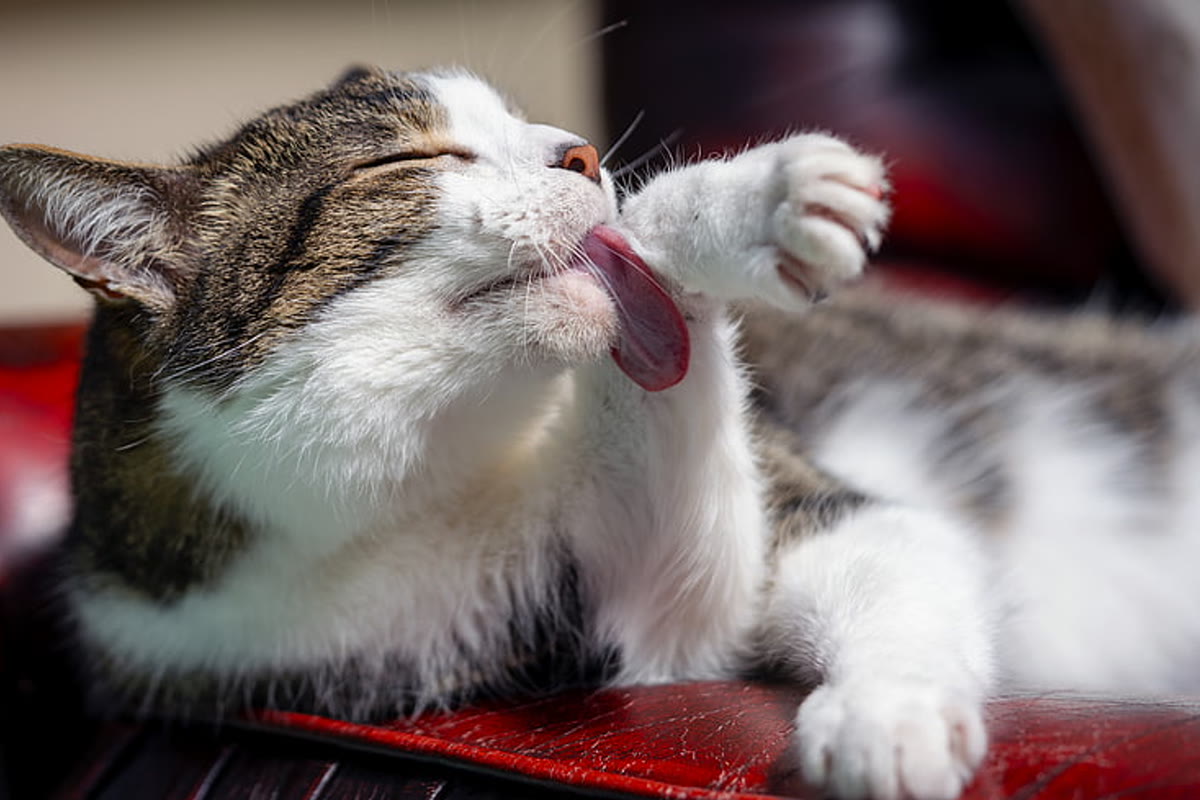
Few sounds are as universally recognisable to cat parents as the retching, hacking noise that precedes a hairball landing on the carpet — usually right before guests arrive. While the occasional hairball is a normal part of feline grooming, frequent hairballs can signal an underlying digestive or coat issue worth addressing.
In short: Hairballs form when a cat's rough tongue swallows loose fur during grooming, which normally passes through the digestive tract but sometimes clumps and gets vomited back up. Occasional hairballs (once every few weeks) are usually normal, especially in long-haired breeds; frequent hairballs (weekly or more) or associated symptoms like lethargy, constipation, or repeated unproductive retching need veterinary attention. Regular brushing, adequate hydration, appropriate fibre, and moisture-rich foods and lickable treats can all help reduce hairball frequency by supporting smoother digestive transit.
Why Cats Get Hairballs
Cats are meticulous self-groomers, spending up to 30-50% of their waking hours cleaning their coat. Their tongues are covered in tiny backward-facing hooks called papillae, which are excellent at catching and pulling loose fur but not so good at letting it go — most of that fur gets swallowed.
Normally, swallowed fur moves through the digestive tract along with food and is passed out in stool. When too much fur accumulates in the stomach, it can form a compact wad that the cat vomits up rather than digests — this is the classic tube-shaped hairball (technically called a trichobezoar).
Cats More Prone to Hairballs
- Long-haired breeds like Persians, Maine Coons, and Himalayans
- Heavy shedders, especially during seasonal coat changes
- Cats who over-groom due to stress, allergies, or skin conditions
- Older cats, whose digestive motility may slow down
- Cats with underlying GI issues that affect normal gut transit
Normal vs Concerning Hairball Frequency
| Frequency | Interpretation | Action |
|---|---|---|
| Once every few weeks | Normal grooming byproduct | Monitor, routine brushing |
| Weekly or more | Excessive fur ingestion or slow GI transit | Vet check recommended |
| Daily / multiple times a week | Possible underlying issue (GI disease, over-grooming, poor diet) | Veterinary evaluation needed |
| Retching without producing a hairball | Could indicate blockage or unrelated illness | Urgent vet visit |
Prevention Strategies
Brush Regularly
The single most effective prevention is reducing the amount of loose fur available to swallow in the first place.
- Brush long-haired cats daily, short-haired cats 2-3 times a week.
- Use a dedicated deshedding tool during seasonal moults (spring and autumn are peak shedding times even in India's more moderate climates).
- Regular brushing sessions also double as bonding time and a chance to check for skin issues, lumps, or parasites early.
Support Hydration
Well-hydrated cats tend to have smoother digestive transit, helping swallowed fur move through rather than accumulate. Since many cats are naturally poor water drinkers (a trait inherited from desert-dwelling ancestors), moisture-rich foods and treats matter more than most owners realise. This is one reason lickable treats, with their naturally high moisture content compared to dry biscuits, can support digestive health as part of an overall hydration strategy — alongside fresh water fountains and wet food.
Manage Fibre Intake
A small increase in dietary fibre can help hairballs move through the gut rather than being vomited back up. Look for cat foods formulated with appropriate fibre sources rather than excessive filler bulk that offers no real nutritional benefit — our guide to fillers in premium cat treats explains why ingredient quality matters even when a product claims a specific functional benefit.
Address Over-Grooming
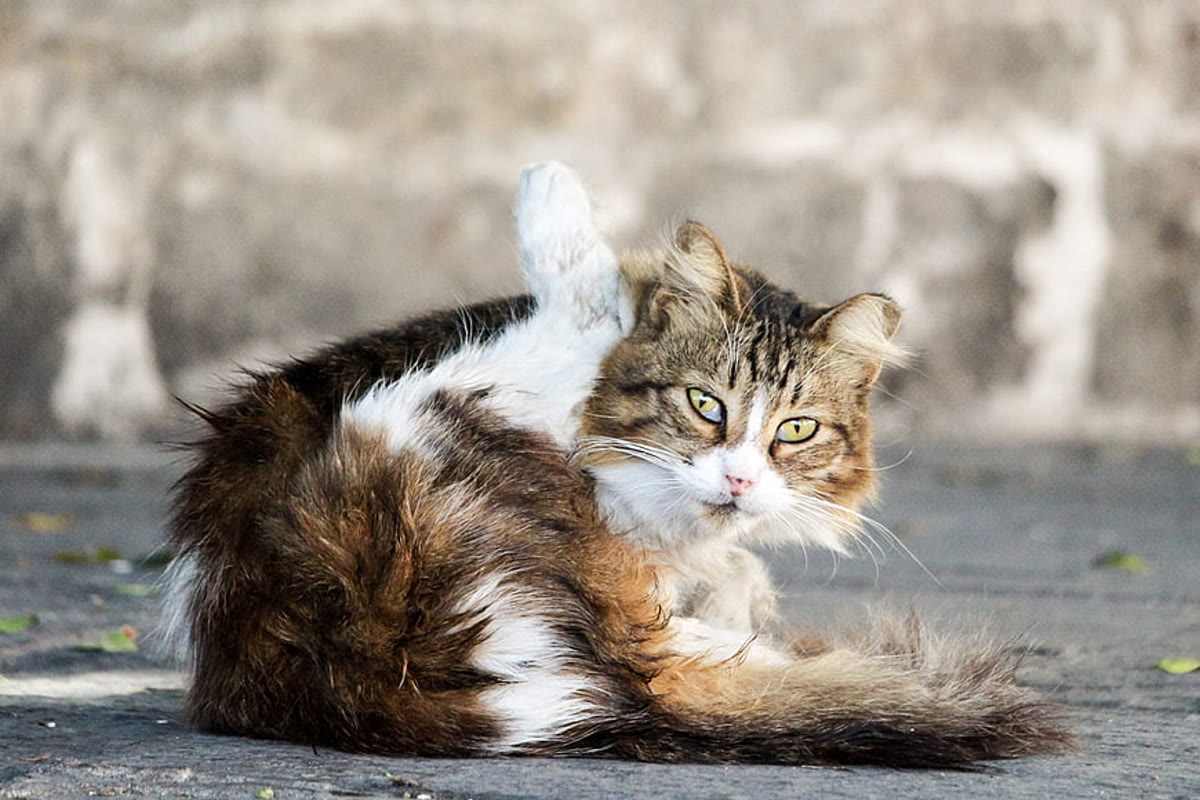
If your cat is grooming excessively — bald patches, red skin, or grooming to the point of hair loss — this points to an underlying trigger such as stress, fleas, allergies, or pain, not just a "hairball habit." A vet visit is essential to identify and treat the root cause rather than just managing the resulting hairballs.
When Hairballs Signal a Bigger Problem
Occasionally what looks like "just a hairball" is actually a sign of something more serious. Watch for:
- Repeated unproductive retching with nothing coming up — this can indicate a genuine intestinal blockage requiring emergency care.
- Loss of appetite, lethargy, or vomiting beyond hairballs — these need prompt veterinary assessment.
- Constipation or straining in the litter box — large hairballs can occasionally cause partial intestinal obstruction.
- Weight loss alongside frequent hairballs — this combination should never be dismissed as "normal" and warrants full veterinary workup, as described by the AVMA and the Cornell Feline Health Center.
Treats and diet changes can support a healthy coat and digestion, but they are not medical treatment. Persistent or severe hairball issues always need veterinary diagnosis rather than home remedies alone.
Everyday Habits That Help
- Keep litter boxes and living areas clean to reduce stress-related over-grooming.
- Rotate a few enrichment toys to keep cats mentally engaged rather than compulsively self-grooming from boredom.
- Offer a lickable treat with real named protein like tuna or chicken as an occasional moisture-rich addition to your cat's routine — helpful hydration support alongside a balanced diet, never a replacement for veterinary-recommended hairball remedies when needed.
- Avoid giving cats any human hairball remedies or laxatives without veterinary guidance, as dosing errors can be harmful, similar to risks discussed in our article on foods toxic to cats.
Join the Cleos Waitlist: Discover lickable treats with real named protein and natural moisture that support your cat's everyday wellbeing. Be first to try Cleos at https://getcleos.in/#waitlist.
Frequently Asked Questions
How often is it normal for a cat to have a hairball?
Occasional hairballs — roughly once every few weeks — are considered normal, especially in long-haired or heavily shedding cats. If your cat is producing hairballs weekly or more often, it's worth mentioning to your vet, as this can indicate excessive fur ingestion, slower digestive motility, or an underlying condition that deserves attention rather than being dismissed as routine.
Do hairball prevention treats actually work?
Products marketed for hairball prevention typically work by adding mild fibre or lubricant properties that help fur pass through the gut rather than clump. They can be a helpful part of an overall routine but aren't a substitute for regular brushing, good hydration, and addressing any underlying grooming or digestive issues. Always view them as supportive, not curative.
Can hairballs be dangerous?
Most hairballs are simply unpleasant rather than dangerous. However, in rare cases a hairball can grow large enough to cause a partial intestinal blockage, especially in cats with slower gut motility. Signs like repeated unproductive retching, loss of appetite, or lethargy alongside hairball attempts warrant an urgent vet visit rather than waiting it out at home.
Does diet affect how many hairballs my cat gets?
Yes — hydration and fibre content both influence how easily swallowed fur moves through the digestive tract. Cats on predominantly dry diets with limited water intake may be more prone to hairballs than cats getting adequate moisture from wet food or hydrating treats. A balanced diet with real protein, appropriate fibre, and good hydration supports smoother digestion overall.
Should I be worried if my cat never gets hairballs?
Not necessarily — some cats swallow less fur simply due to coat type, less shedding, or naturally efficient digestion that passes fur through in stool rather than vomiting it up. As long as your cat is eating, grooming, and eliminating normally, the absence of visible hairballs isn't a cause for concern on its own.
Keep Cleos close
Get more Cleos stories on Google
Add Cleos as a preferred source to make our cat care guides easier to find in Google.
Add to Preferred SourcesFound this useful? Share it
Treats worth reading the label for.
Cleos lickable treats are built on real, named ingredients — Real Chicken, Real Tuna, Tuna & Shrimp and Chicken & Veggies — with zero artificial fillers.
Join the Cleos waitlistKeep reading
Travel Carriers and Cat Crates: Stress-Free Transport
Choose the right cat carrier or crate and learn practical tips for calmer vet visits, car trips, and moves with your feline companion.
Read more →

Pet Cameras and Monitoring: Tech for Checking on Your Cat
A practical guide to pet cameras and monitoring systems for cats, covering features, placement, and how to use them without over-worrying.
Read more →
Food and Water Bowls: Material, Design, and Health Considerations
Compare cat food bowls and water bowls by material and design, including stainless steel bowls, to protect whisker health and hygiene.
Read more →