Digestive Health in Cats: Gut Care and Common Issues
A guide to feline digestive health, covering healthy gut habits, common issues like vomiting and constipation, and the role of diet and hydration.
By the Cleos team · 18 October 2027 · 4 min read
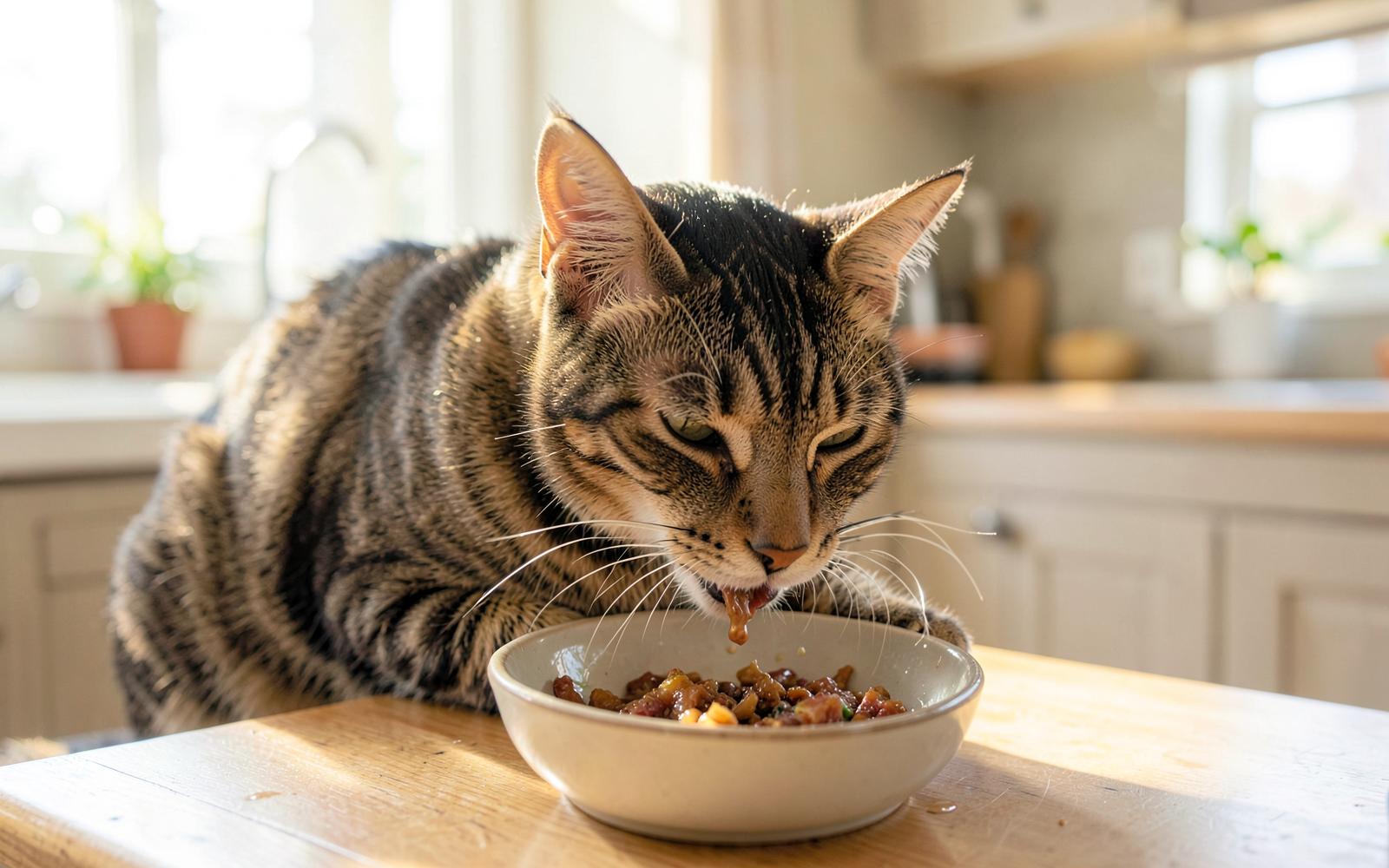
Your cat's digestive system does quiet, essential work every day. And when it's happy, you barely notice it. When it's not, the signs show up in the litter box, the food bowl, and sometimes on your carpet. Learning what a healthy feline gut looks like helps you catch problems early.
In short: A healthy cat digestive system shows up as consistent, well-formed stools once or twice daily, a steady appetite, no vomiting beyond the very occasional hairball, and normal energy levels. Warning signs include chronic loose stools, constipation, frequent vomiting, and sudden appetite changes. Diet quality, moisture content, real named protein, and minimal fillers, plays a central role in keeping a cat's gut working smoothly.
What Healthy Cat Digestion Looks Like
Cats have short, fast digestive tracts designed for processing animal protein. A healthy system produces predictable patterns:
- Stool: Firm, formed, dark brown, passed once or twice daily. Mild odour is normal; overwhelming smell often points to diet quality issues.
- Appetite: Consistent and predictable. Healthy cats eat their meals with interest and maintain stable weight.
- Vomiting: Rare. The occasional hairball aside, a healthy cat should not vomit regularly.
- Energy and coat: Good digestion shows externally, a glossy coat and normal playful energy reflect nutrient absorption working properly.
Common Digestive Problems and Their Signs
Constipation
A constipated cat strains in the litter box, produces small hard pellets, or skips days entirely. Causes range from dehydration and low-fibre diets to hairballs, obesity, and in senior cats, megacolon. Chronic dehydration is the most common contributor in cats fed exclusively dry food.
Diarrhoea
Loose stools lasting more than a day or two signal something's wrong, dietary indiscretion, sudden food changes, parasites, stress, or food intolerances. Chronic intermittent diarrhoea can indicate inflammatory bowel disease (see our guide on feline IBD dietary management).
Vomiting
Frequent vomiting is never "just a cat thing." Diet-related causes include eating too fast, food intolerance, and low-quality ingredients. If vomiting happens more than once a week, read our article on why your cat is vomiting and consult your vet.
Gas and Bloating
Cats shouldn't be noticeably gassy. Persistent flatulence usually traces back to fermentable fillers, legumes, or dairy in the diet.
How Diet Shapes Gut Health
Moisture Content
Cats evolved getting most of their water from prey. A cat on dry food alone often lives in mild chronic dehydration, which concentrates stool and slows gut transit. Wet food, broths, and moisture-rich treats all support smoother digestion.
Protein Quality
Cats digest animal protein efficiently; they handle plant proteins and fillers poorly. Real named protein (chicken, tuna, salmon) is gentler on the gut than vague "meat meals", a topic we explore in named ingredients vs mystery meat.
Fibre Balance
Moderate, appropriate fibre supports healthy transit. Too little contributes to constipation; too much or the wrong types cause gas and loose stools.
Clean Ingredients
Artificial colours, excessive thickeners, and by-product-heavy formulas can irritate sensitive stomachs. Our article on fillers in premium cat treats breaks down what to avoid.
Everyday Habits for a Happy Feline Gut
- Feed on a schedule: regular mealtimes regulate digestion.
- Transition foods slowly: mix new food in over 7-10 days.
- Add moisture: wet food or a hydrating lickable treat daily.
- Keep water fresh and accessible: multiple stations encourage drinking.
- Minimise stress: stress directly affects feline gut motility.
- Clean bowls daily: bacterial buildup irritates stomachs.
Join the Cleos Waitlist: Cleos lickable treats are made with real named protein and natural moisture, gentle, clean-ingredient support for sensitive feline stomachs. Be first to try them at https://getcleos.in/#waitlist.
Frequently Asked Questions
How often should a healthy cat poop?
Most healthy adult cats pass stool once or twice a day. Kittens may go more frequently, and some healthy cats settle into an every-other-day rhythm. What matters most is consistency, know your cat's normal pattern so you can spot changes early.
Is it normal for cats to vomit hairballs?
Occasional hairballs (every few weeks) are a normal byproduct of grooming, especially in long-haired cats. But vomiting hairballs weekly or more suggests excessive fur swallowing or sluggish digestion, and vomiting food or liquid regularly is never normal. See our full guide on hairballs in cats.
Can stress cause digestive issues in cats?
Absolutely. Cats are sensitive to routine changes, new pets, moves, and even furniture rearrangement. Stress commonly triggers soft stools, reduced appetite, or stress-related over-grooming that leads to more hairballs. Keeping feeding times, litter boxes, and resting spots stable supports both mental and digestive health.
Should I give my cat probiotics?
Probiotics can help some cats, particularly after antibiotics or during digestive upset, but evidence in cats is still developing. Always use a feline-specific product recommended by your vet rather than human supplements. For most healthy cats, a consistent, high-quality, moisture-rich diet does more for gut health than supplements.
Keep Cleos close
Get more Cleos stories on Google
Add Cleos as a preferred source to make our cat care guides easier to find in Google.
Add to Preferred SourcesFound this useful? Share it
Treats worth reading the label for.
Cleos lickable treats are built on real, named ingredients: Real Chicken, Real Tuna, Tuna & Shrimp and Chicken & Veggies. No artificial fillers.
Join the Cleos waitlistKeep reading
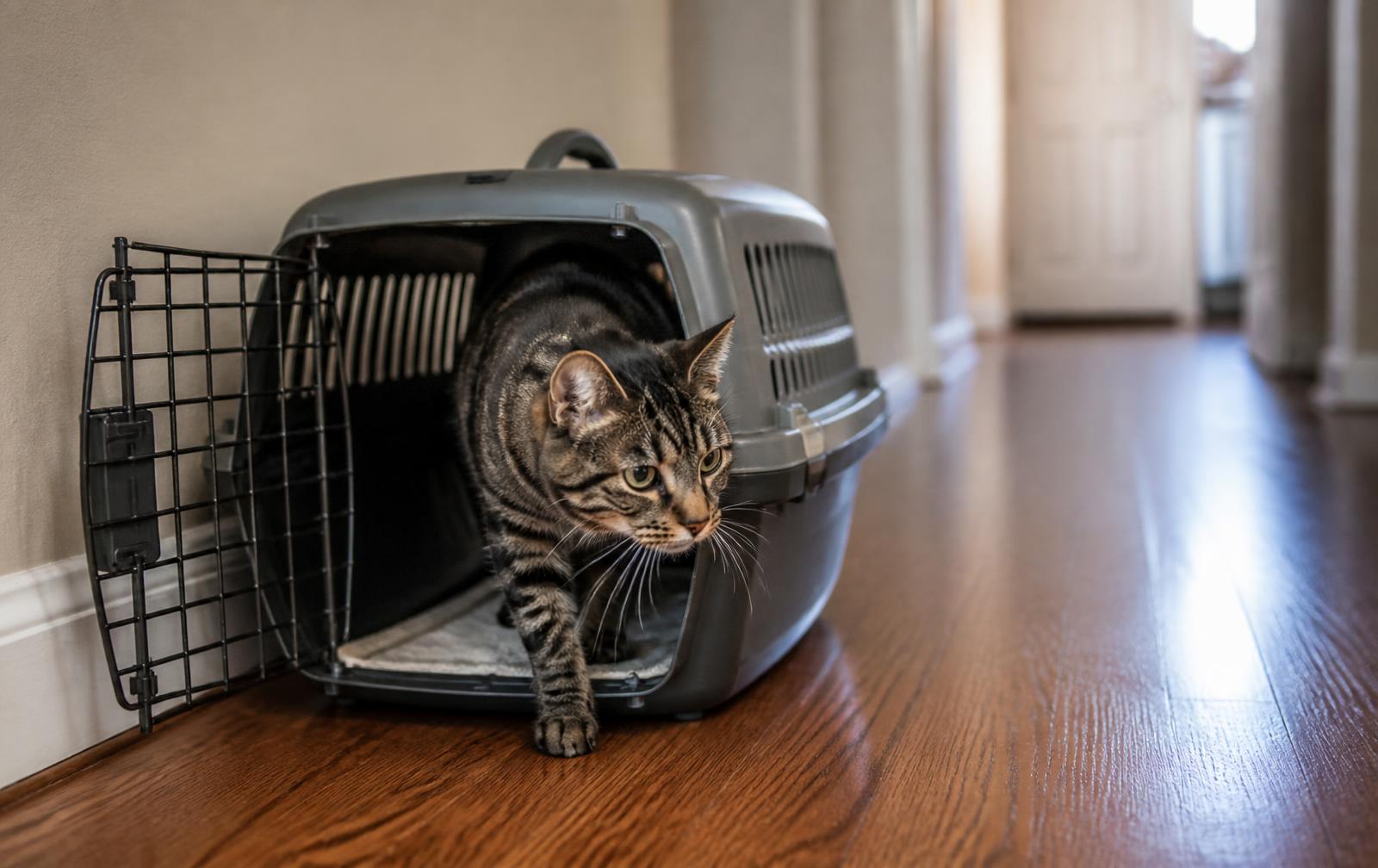
Travel Carriers and Cat Crates: Stress-Free Transport
Choose the right cat carrier or crate and learn practical tips for calmer vet visits, car trips, and moves with your feline companion.
Read more →
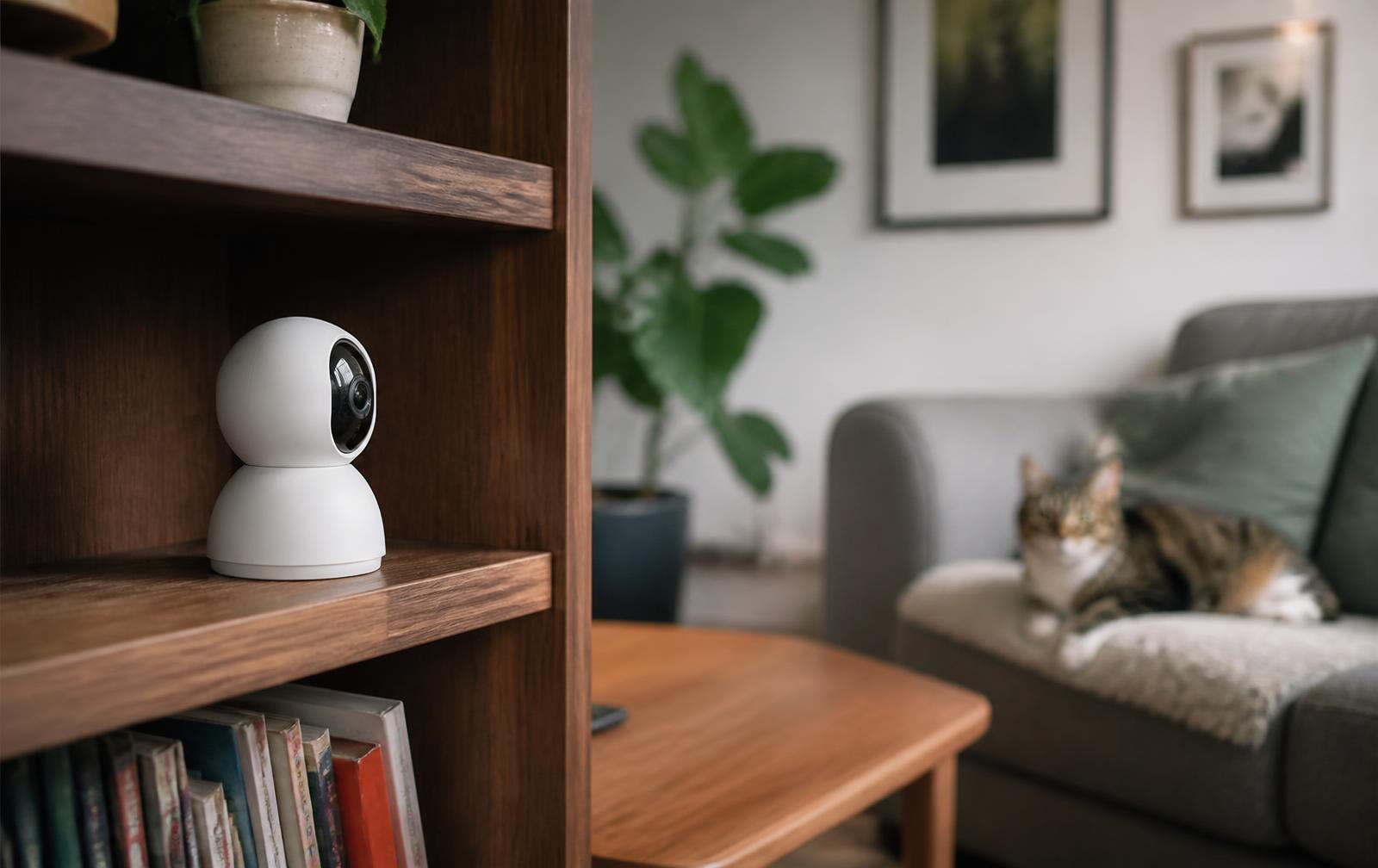
Pet Cameras and Monitoring: Tech for Checking on Your Cat
A practical guide to pet cameras and monitoring systems for cats, covering features, placement, and how to use them without over-worrying.
Read more →
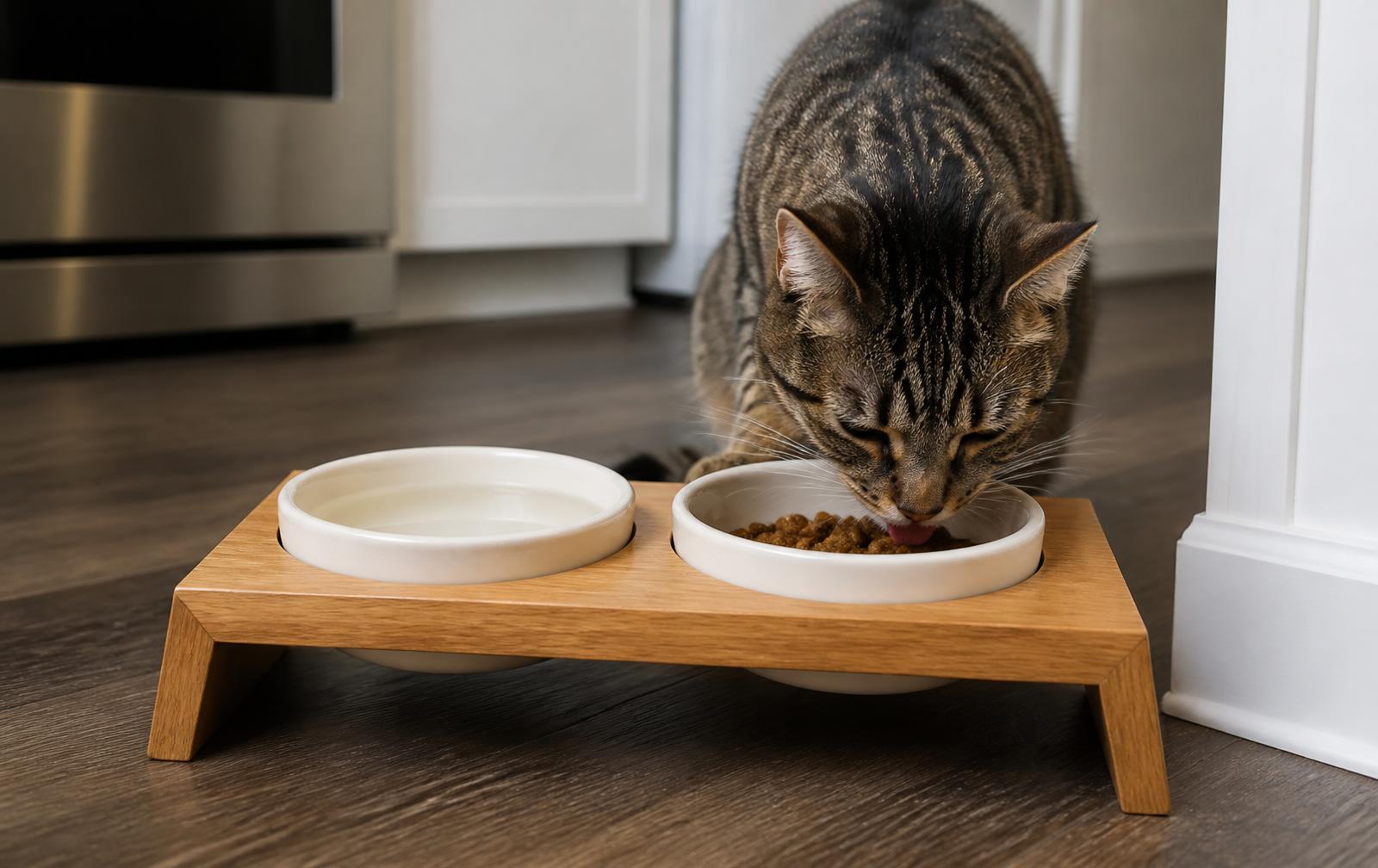
Food and Water Bowls: Material, Design, and Health Considerations
Compare cat food bowls and water bowls by material and design, including stainless steel bowls, to protect whisker health and hygiene.
Read more →