Inflammatory Bowel Disease in Cats: Dietary Management
Explore how diet supports feline IBD management, from novel protein diets to choosing gentle, clean named-ingredient cat treats sensibly and safely.
By the Cleos team · 28 December 2026 · 6 min read
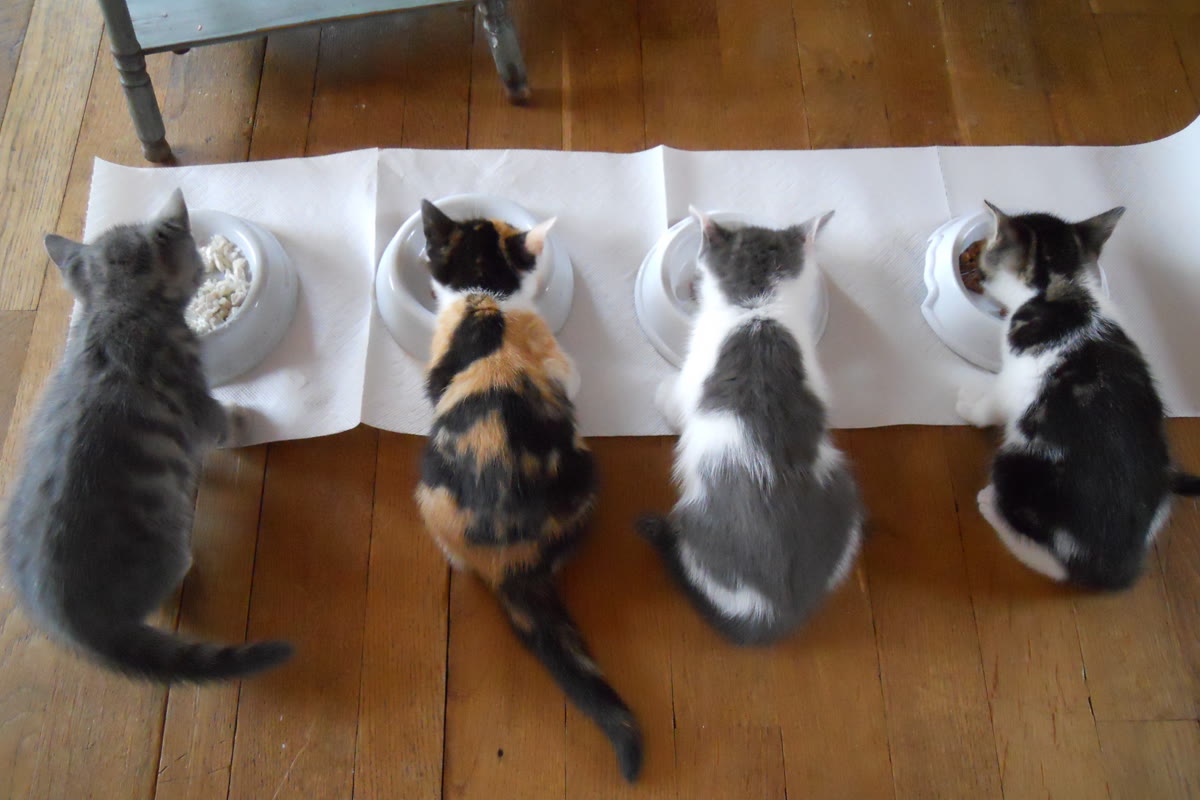
Chronic vomiting, intermittent diarrhoea, unexplained weight loss — these frustrating, recurring symptoms send many Indian cat parents from vet to vet before landing on a diagnosis of Inflammatory Bowel Disease (IBD). It's a manageable but lifelong condition, and diet plays one of the biggest roles in keeping a cat with IBD comfortable.
In short: Feline IBD is a chronic inflammatory condition of the gastrointestinal tract, likely caused by an abnormal immune response to gut bacteria, diet, or genetics, and it requires veterinary diagnosis through bloodwork, imaging, and often biopsy. There is no single "IBD diet," but dietary management typically involves novel or hydrolysed protein sources, highly digestible ingredients, and avoiding fillers or unclear ingredients that can aggravate the gut. Simple, clean, named-ingredient treats can be a gentler occasional option for IBD cats compared to products with vague "meat meal" or artificial additives, but any dietary change must be made under veterinary guidance.
Understanding Feline IBD
Inflammatory Bowel Disease refers to a group of chronic gastrointestinal disorders characterised by persistent inflammation of the stomach and/or intestinal lining. It is one of the most common causes of chronic vomiting and diarrhoea in middle-aged to older cats, though it can occur at any age.
The exact cause isn't fully understood, but current thinking (supported by resources like the Cornell Feline Health Center) points to an abnormal immune response — the gut's immune cells overreact to normal bacteria, food proteins, or other triggers, causing ongoing inflammation and thickening of the intestinal wall.
Common Signs of IBD
- Chronic or intermittent vomiting (more than just occasional hairballs)
- Diarrhoea, sometimes alternating with normal stools
- Weight loss despite normal or increased appetite
- Decreased appetite in some cats
- Lethargy or reduced activity
- Poor coat quality from malabsorption of nutrients
These symptoms overlap significantly with other conditions like hyperthyroidism, food intolerance, parasites, or even certain cancers (lymphoma in particular can look very similar to IBD), which is why proper veterinary diagnosis — not home treatment — is essential.
How IBD Is Diagnosed
Vets typically follow a step-wise approach:
- Rule out parasites and infections through faecal testing.
- Bloodwork to check organ function and rule out thyroid disease or other systemic illness.
- Diet trial with a novel or hydrolysed protein source for several weeks to rule out food-responsive diarrhoea/enteropathy, which can look identical to true IBD.
- Imaging (ultrasound) to assess intestinal wall thickness and rule out masses.
- Biopsy (via endoscopy or surgery) for definitive diagnosis, distinguishing IBD from intestinal lymphoma.
Dietary Management Approaches
Novel or Hydrolysed Protein Diets
Many IBD management plans start with a diet using a protein source the cat has never eaten before (like duck or rabbit) or a hydrolysed protein diet where proteins are broken into pieces too small to trigger an immune response. This approach reduces the chance that the immune system is reacting to a specific dietary protein.
Highly Digestible, Low-Residue Nutrition
Cats with IBD often benefit from diets that are easy to digest and leave less undigested residue in the gut, reducing the workload on an already inflamed intestinal tract. This is one reason why understanding real protein vs meat meal matters even more for sensitive cats — clearly identified, high-quality protein sources tend to be more digestible and predictable than vague blends.
Avoiding Trigger Ingredients
- Steer clear of artificial colours, flavours, and preservatives, which offer no nutritional benefit and may irritate sensitive guts.
- Avoid excessive fillers and low-quality grain fragments; see our detailed breakdown of worst cat food ingredients.
- Be alert to fibre levels — while moderate fibre can help some IBD cats, too much can worsen diarrhoea in others; this is highly individual and should be adjusted with vet guidance.
- Never introduce new "natural remedy" ingredients like garlic without checking safety first — see onions and garlic in cat food for why these are dangerous, not therapeutic.
Consistency Matters More Than Variety
Unlike healthy cats who can enjoy varied flavours and textures, IBD cats often do best on a very consistent diet with minimal ingredient changes, since sudden switches can trigger flare-ups. Any new food or treat — even a "healthy" one — should be introduced gradually and in small amounts while watching for reactions.
Where Treats Fit In (Carefully)
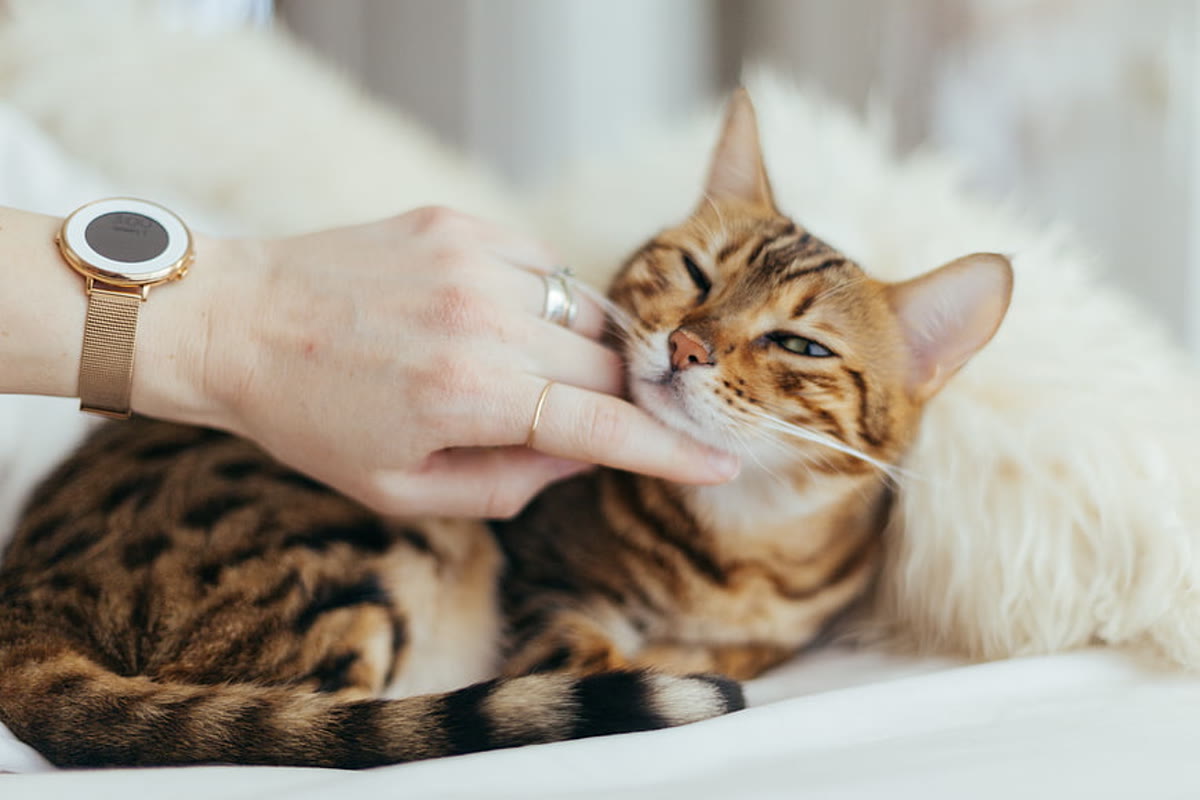
For a healthy cat, treats are a fun bonus; for an IBD cat, every ingredient matters. If your vet has cleared the addition of occasional treats:
- Choose treats with a single, clearly named protein source rather than blended "meat" or "animal derivatives," since unclear ingredients make it harder to identify triggers if a flare-up occurs.
- Avoid treats with fillers, artificial additives, or excessive carbohydrate bulk, which add no benefit and may aggravate sensitive digestion.
- Introduce any new treat in a tiny amount first and monitor for 24-48 hours before making it routine.
- Discuss with your vet whether the treat's protein source overlaps with anything already ruled out in a diet trial — this is critical since even a small amount of a trigger protein can undo weeks of dietary elimination work.
Clean, simply formulated lickable treats made from a single named protein (like Cleos Real Tuna) can, for some IBD cats under veterinary guidance, be a gentler occasional option compared to ultra-processed treats with long, unclear ingredient lists — but this decision must always be made together with your vet, especially during an active diet trial.
Living With a Cat's IBD Long-Term
IBD is typically a chronic, manageable condition rather than one that's "cured." Many cats do very well long-term with a combination of the right diet, any prescribed medications (such as anti-inflammatories or immunosuppressants in more severe cases), and regular veterinary monitoring. Keeping a symptom diary — noting stool consistency, appetite, vomiting episodes, and any new foods or treats — helps your vet fine-tune management over time.
Join the Cleos Waitlist: Cleos treats use single, clearly named proteins with no fillers — a simple, transparent option worth discussing with your vet for sensitive cats. Join the list at https://getcleos.in/#waitlist.
Frequently Asked Questions
Is IBD in cats curable?
IBD is generally considered a manageable chronic condition rather than a curable one. With the right combination of diet, and sometimes medication, many cats achieve long periods of remission with minimal symptoms. However, flare-ups can still occur, particularly with dietary indiscretion or stress, so ongoing management and monitoring remain important throughout the cat's life.
How is IBD different from food allergies in cats?
Food-responsive diarrhoea/enteropathy and true IBD present very similarly, which is why vets often run an elimination diet trial before diagnosing IBD. Food allergies typically resolve fully once the trigger ingredient is removed, while IBD usually needs ongoing dietary and sometimes medical management even after triggers are minimised. A definitive diagnosis often requires biopsy to distinguish the two conditions clearly.
Can I manage my cat's suspected IBD with diet alone, without seeing a vet?
No — this isn't safe. IBD symptoms overlap with serious conditions like intestinal lymphoma, hyperthyroidism, and parasitic infections, all of which need specific diagnosis and treatment. Attempting dietary changes alone without veterinary guidance risks missing a more serious underlying disease and delaying appropriate treatment, which can significantly affect outcomes.
What treats are safe for a cat with IBD?
This depends heavily on your cat's specific diet trial and trigger ingredients, so always check with your vet first. Generally, treats with a single, clearly named protein source and no fillers or artificial additives are gentler choices to discuss, introduced in tiny amounts and monitored closely for any reaction before becoming part of the routine.
How long does an elimination diet trial take for suspected IBD?
Most veterinary-guided elimination diet trials run for 6-8 weeks of strict feeding with no other foods, treats, or table scraps, to accurately assess whether symptoms improve. Even one unauthorised treat during this period can compromise the results and force the trial to restart, so consistency and close communication with your vet are essential during this time.
Keep Cleos close
Get more Cleos stories on Google
Add Cleos as a preferred source to make our cat care guides easier to find in Google.
Add to Preferred SourcesFound this useful? Share it
Treats worth reading the label for.
Cleos lickable treats are built on real, named ingredients — Real Chicken, Real Tuna, Tuna & Shrimp and Chicken & Veggies — with zero artificial fillers.
Join the Cleos waitlistKeep reading
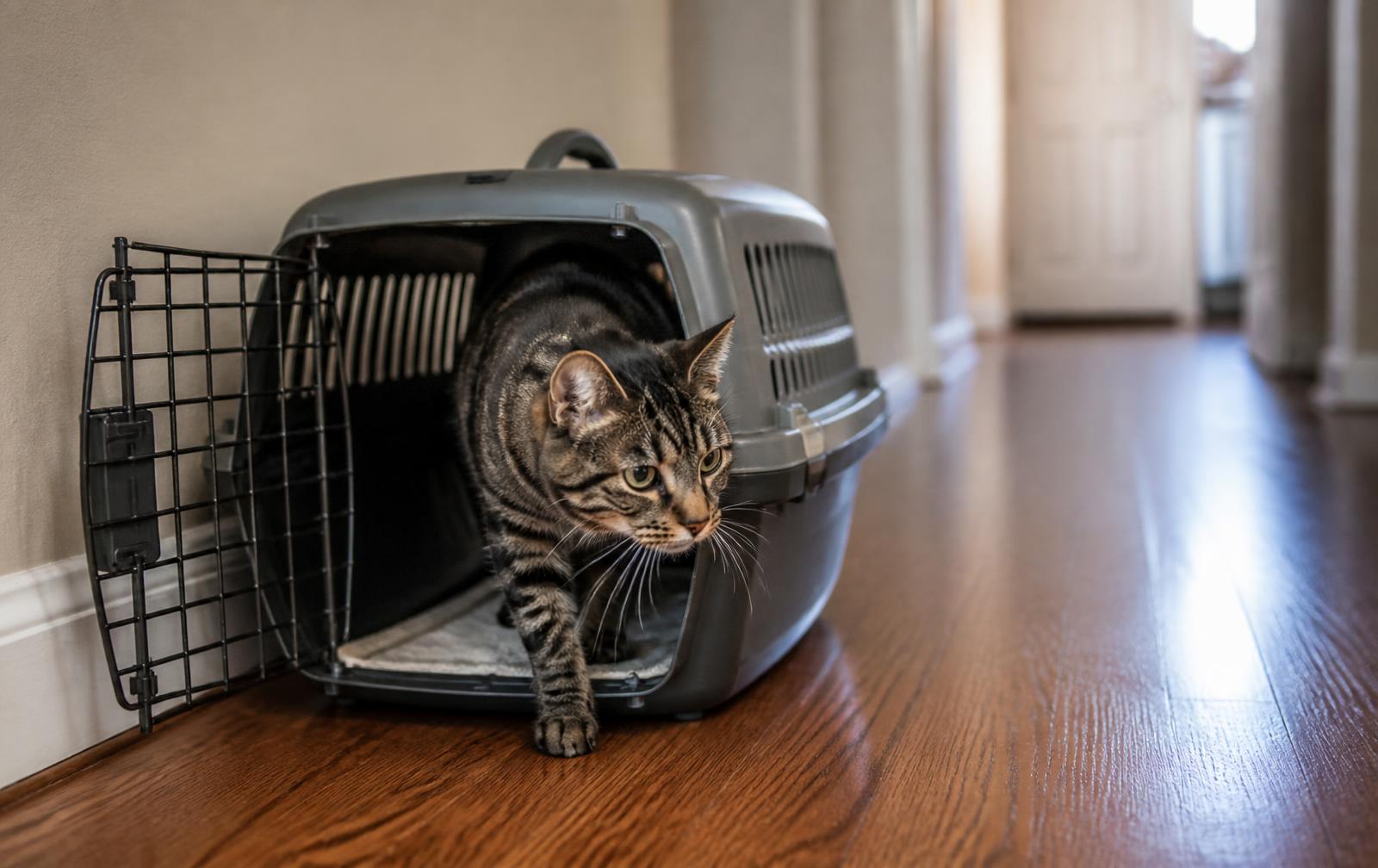
Travel Carriers and Cat Crates: Stress-Free Transport
Choose the right cat carrier or crate and learn practical tips for calmer vet visits, car trips, and moves with your feline companion.
Read more →
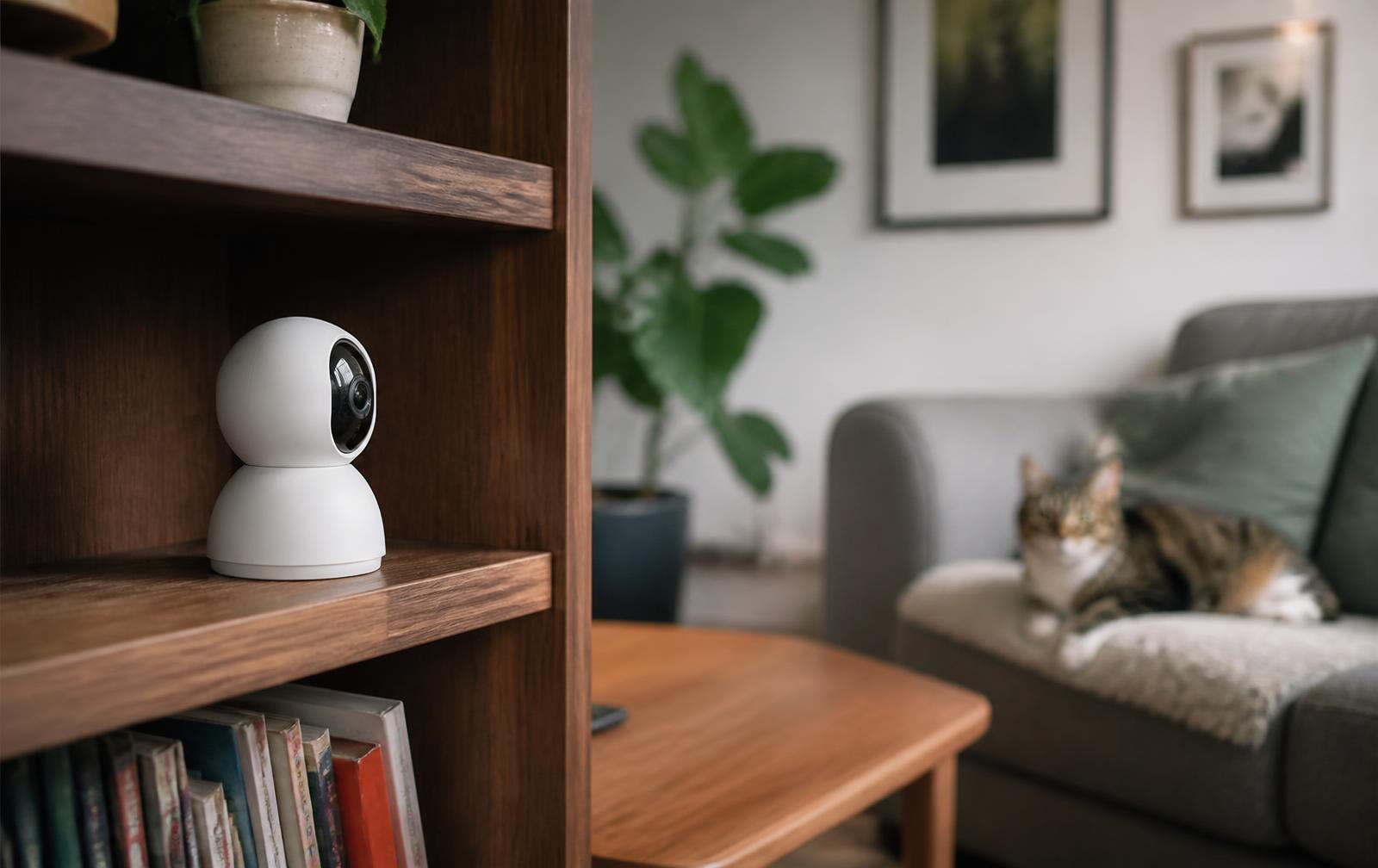
Pet Cameras and Monitoring: Tech for Checking on Your Cat
A practical guide to pet cameras and monitoring systems for cats, covering features, placement, and how to use them without over-worrying.
Read more →
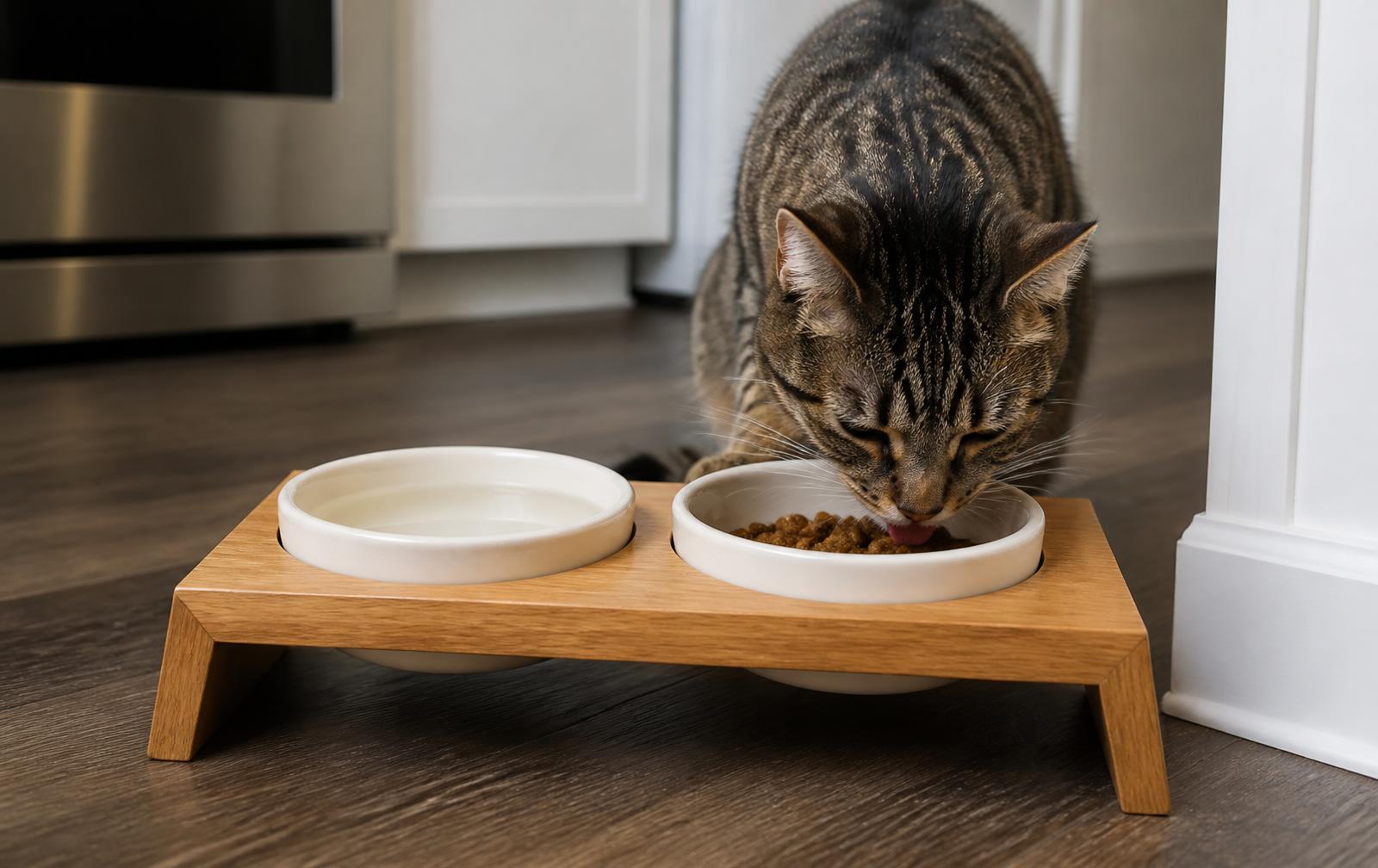
Food and Water Bowls: Material, Design, and Health Considerations
Compare cat food bowls and water bowls by material and design, including stainless steel bowls, to protect whisker health and hygiene.
Read more →