Litter Box Training for Kittens: 7 Proven Tips
Master kitten litter training with 7 proven litter box training tips covering setup, cleaning, rewards, and troubleshooting accidents.
By the Cleos team · 8 February 2027 · 6 min read
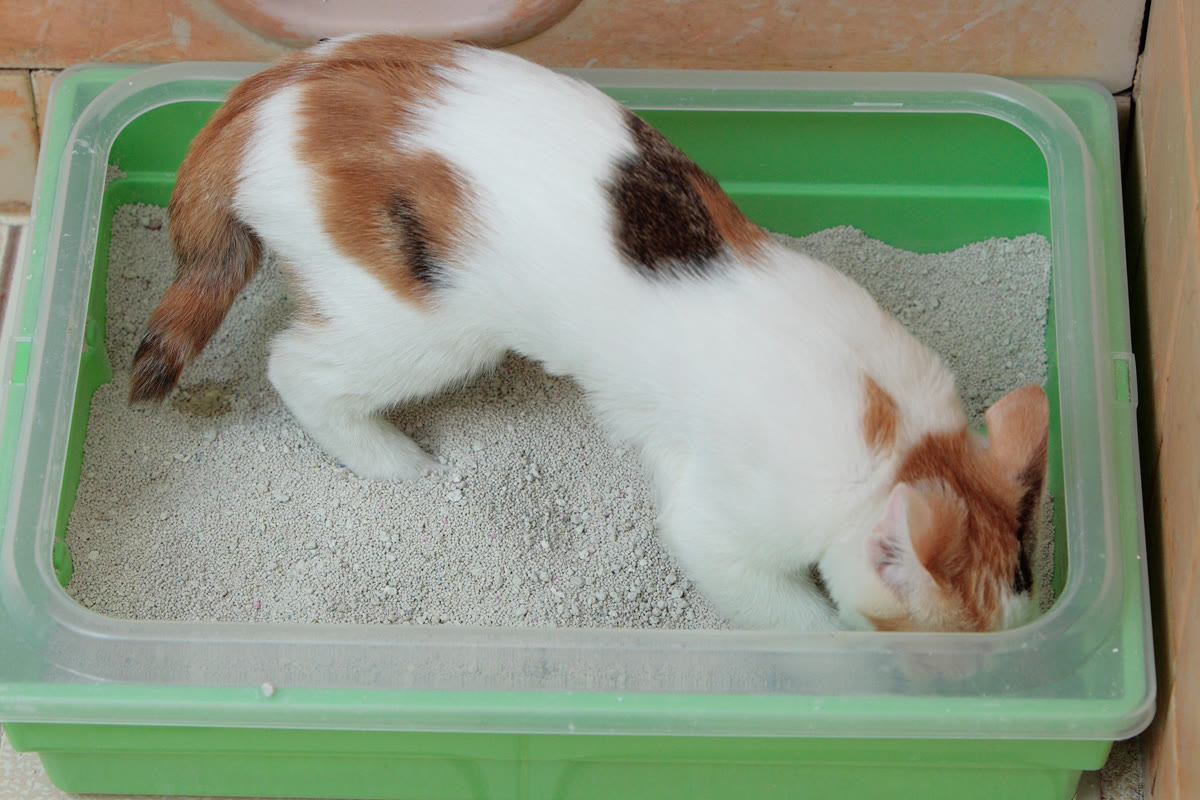
Bringing home a new kitten in India often comes with one big early worry: will litter training be a nightmare? The good news is that most kittens take to the litter box instinctively, and a few good habits make the process smooth for everyone.
In short: Most kittens learn litter box use naturally by 4-6 weeks with guidance from their mother, but new kitten parents can speed up reliable habits by choosing the right box, litter, and location, keeping things scrupulously clean, and rewarding successful use with praise or a small treat. Persistent accidents beyond kittenhood, or sudden regression in an older cat, should always be checked by a vet to rule out a medical cause.
Why Litter Training Is Usually Easier Than You Think
Unlike puppies, kittens have a strong instinctive drive to dig and bury waste, inherited from wild ancestors who did so to avoid predators. According to the ASPCA, most kittens learn litter box use from their mother by around 4 weeks old, meaning your job is mostly about removing obstacles rather than "teaching" from scratch.
7 Proven Tips for Litter Box Training
1. Choose the Right Box Size and Type
A box that's too large can be intimidating for a tiny kitten, while one that's too small becomes uncomfortable as they grow. Start with a low-sided box that's easy to climb into, and size up as your kitten grows. Avoid covered boxes initially — they can trap odour and feel confining to a new kitten.
2. Pick a Kitten-Safe, Unscented Litter
Strongly scented litters can be off-putting to a kitten's sensitive nose and may discourage use altogether. Fine-grained, unscented, clumping litter is generally best-tolerated. Avoid clumping litters for very young kittens under 8 weeks who might ingest litter while exploring, as this can cause digestive blockages — check with your vet on age-appropriate options.
3. Location, Location, Location
Place the litter box in a quiet, low-traffic area away from food and water bowls. Cats (and kittens especially) avoid eliminating near where they eat, and a noisy or high-traffic spot can create anxiety around using the box at all.
4. Show Them Where It Is — Repeatedly
After meals, naps, and play sessions (common times kittens need to go), gently place your kitten in the litter box so they learn its location and association. Let them explore and dig on their own; don't force the behaviour.
5. Keep It Scrupulously Clean
Cats are famously fastidious, and a dirty box is one of the top reasons for litter box avoidance at any age. Scoop at least once daily, and fully change litter and wash the box weekly.
6. Provide Enough Boxes
The general rule from the AVMA and most feline behaviourists is one litter box per cat, plus one extra, placed in different locations around the home. This matters even for a single kitten if you live in a larger home, since accessibility affects consistent use.
7. Reward Successful Use
Positive reinforcement accelerates learning. When your kitten uses the box successfully, offer calm praise or a small treat right after — never during, as this can interrupt and discourage the behaviour. Our guide on treats for positive reinforcement covers timing and technique for reward-based training in more depth.
Litter Box Setup at a Glance
| Factor | Recommendation | Why It Matters |
|---|---|---|
| Number of boxes | Cats + 1 | Reduces competition and accidents |
| Box size | Grows with kitten | Comfort and accessibility |
| Litter type | Unscented, kitten-safe | Avoids aversion and ingestion risk |
| Cleaning frequency | Scoop daily, wash weekly | Cats avoid dirty boxes |
| Location | Quiet, away from food | Reduces stress-related avoidance |
| Reward timing | Immediately after success | Reinforces desired behaviour |
Using Treats the Right Way During Training
Treats work best as positive reinforcement, not bribery. Offer a small, high-value treat right after your kitten exits the box following successful use — this builds a clear, positive mental link between the litter box and something good happening. A soft, lickable treat is especially useful here since kittens can eat it in seconds without a long distraction, keeping the reward closely timed to the behaviour.
Cleos treats, made with real named protein (Real Tuna, Tuna & Shrimp, Chicken) and fortified with L-Taurine and Vitamin E, work well for this kind of quick reward moment — small enough to use frequently during the early training weeks without overloading your kitten's diet, and appealing enough to make the reward genuinely motivating.
Troubleshooting Common Litter Box Problems
- Kitten avoids the box entirely — check litter type, box cleanliness, and location; try a different, more open box.
- Accidents just outside the box — box may be too small, or the sides too high for easy entry/exit.
- Sudden regression after being trained — rule out urinary tract infection or stress first; this is often medical, not behavioural.
- Digging excessively without eliminating — usually normal exploratory behaviour, monitor rather than worry immediately.
- Multiple kittens fighting over one box — add more boxes in separate locations right away.
Join the Cleos Waitlist: Reward every litter box win (and every good behaviour) with a treat kittens love — real named protein, no fillers, fortified with L-Taurine and Vitamin E. Sign up at https://getcleos.in/#waitlist.
Frequently Asked Questions
At what age should kittens be fully litter trained?
Most kittens show reliable litter box use by 8-10 weeks old, especially if they learned from their mother early on. Orphaned or bottle-fed kittens may take slightly longer since they miss this natural modelling and need more hands-on guidance from you. By 3-4 months, nearly all healthy kittens should be consistently using the litter box without regular accidents.
What should I do if my kitten keeps having accidents outside the box?
First, rule out medical causes like a urinary tract infection, especially if accidents are sudden or frequent. If health is ruled out, check the basics: box cleanliness, litter type, number of boxes, and location. Often, a kitten avoiding the box is signalling a specific dislike about the current setup rather than being "difficult," so troubleshooting the environment usually resolves it quickly.
Should I use treats to bribe my kitten into the litter box?
Treats work best as a reward after successful use, not as a bribe placed inside or near the box to lure them in, which can create confusion or attract pests. Immediately praising or treating your kitten right after they exit the box following successful use builds a positive association far more effectively than trying to coax them in with food beforehand.
Is it normal for kittens to play in the litter box instead of using it?
Yes, especially very young kittens may dig and play in the litter out of curiosity before they fully understand its purpose. This is generally harmless and tends to resolve on its own as they mature, though you can gently redirect play elsewhere and reinforce successful elimination use with calm praise or a treat to build the correct association faster.
How many litter boxes do I need for one kitten?
Even with a single kitten, the standard recommendation is at least two litter boxes, placed in separate, accessible locations, especially in larger homes. This reduces the chance of a kitten being unable to reach a box in time or avoiding one due to a bad experience nearby. As you add more cats to the household, the "one per cat plus one extra" rule continues to apply.
Keep Cleos close
Get more Cleos stories on Google
Add Cleos as a preferred source to make our cat care guides easier to find in Google.
Add to Preferred SourcesFound this useful? Share it
Treats worth reading the label for.
Cleos lickable treats are built on real, named ingredients — Real Chicken, Real Tuna, Tuna & Shrimp and Chicken & Veggies — with zero artificial fillers.
Join the Cleos waitlistKeep reading
Travel Carriers and Cat Crates: Stress-Free Transport
Choose the right cat carrier or crate and learn practical tips for calmer vet visits, car trips, and moves with your feline companion.
Read more →
Pet Cameras and Monitoring: Tech for Checking on Your Cat
A practical guide to pet cameras and monitoring systems for cats, covering features, placement, and how to use them without over-worrying.
Read more →
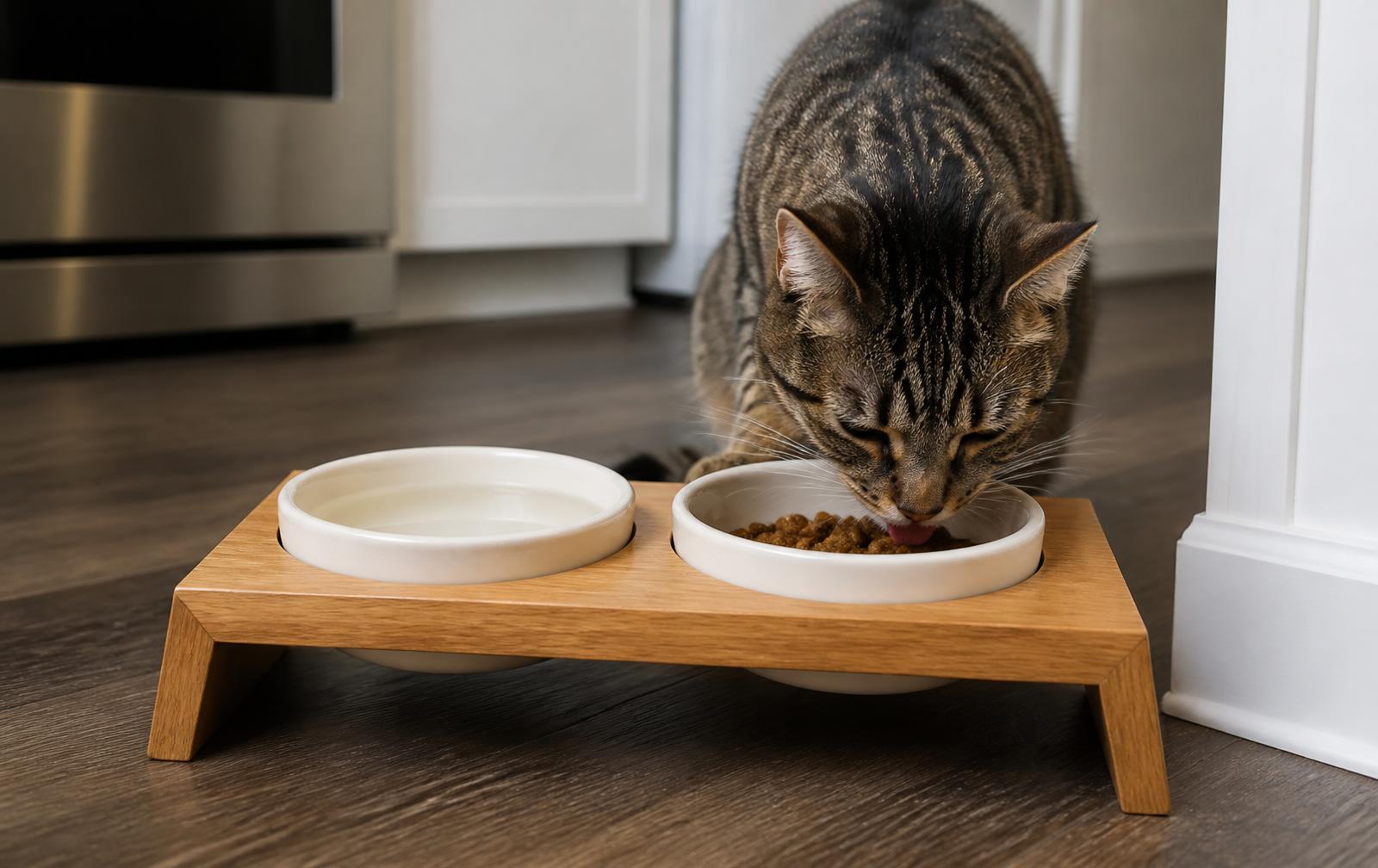
Food and Water Bowls: Material, Design, and Health Considerations
Compare cat food bowls and water bowls by material and design, including stainless steel bowls, to protect whisker health and hygiene.
Read more →