Cat Memes: The History of How Cats Conquered the Internet
A look at the history of cat memes and internet cat culture, from early image macros to viral cats on modern short-form video platforms.
By the Cleos team · 3 May 2027 · 6 min read

Long before "going viral" was a phrase anyone used casually, cats were already doing it. From grainy forum images captioned in broken English to polished TikTok edits with trending audio, the cat meme has quietly evolved alongside the internet itself, tracking nearly every major shift in how people share and consume content online.
This article traces that evolution, what made cats the internet's unofficial mascot, how the format has changed, and what it says about online culture more broadly. In short: cat memes endured because cats are visually expressive, endlessly photogenic in mundane situations, and easy to project human emotion onto, a combination that has kept them relevant across two decades of shifting internet platforms, and one that brands like Cleos, built around understanding what actually makes cats happy, still find genuinely charming.
The Early Internet and the First Cat Images
Cats and the internet have a history that predates memes as a formal concept. Early web forums and image boards in the late 1990s and early 2000s regularly featured cat photographs, often shared simply because they were amusing or endearing, without any of the captioning conventions that would come to define the format.
The turning point most people associate with "cat memes" proper is the rise of image macros, photographs with bold, centred text in a particular font, often written in a deliberately broken, phonetic style. This style became closely associated with a wave of cat image sharing that spread rapidly through blogs and forums, cementing cats as a kind of internet shorthand for humour that required no explanation.
Why Cats, Specifically?
It is worth asking why cats, rather than dogs or other pets, became the internet's default animal. A few plausible reasons come up repeatedly:
- Expressive faces with ambiguous emotion. Cats' faces are naturally suited to projection; a flat expression can be read as unimpressed, judgmental, or deadpan, all of which are comedically useful.
- Household ubiquity. Cats were, and remain, extremely common pets, meaning an enormous supply of source material existed from ordinary households rather than professional photographers.
- Unpredictable behaviour. Cats do genuinely odd things, fitting in boxes too small for them, knocking objects off surfaces, staring into apparent nothingness, that lend themselves naturally to captioning and exaggeration.
- Early adopter communities. Some of the internet's earliest and most active communities happened to be cat-friendly, which gave the format a head start that compounded over time.
From Image Macros to Icons
As the format matured, individual cats began to achieve a kind of celebrity status of their own, rather than serving purely as anonymous stock imagery for captions. Grumpy Cat, known for a naturally down-turned mouth caused by a physical condition, became one of the most recognisable animal faces of the era, appearing in merchandise, television spots, and countless spin-off memes. Similarly, Lil Bub, a cat with several genetic differences that gave her a distinctive appearance, became beloved not just for comedy but for advocacy around cats with special needs and disabilities; you can read more in our feature on Lil Bub.
This period marked a shift from cats as an anonymous meme category to cats as individual internet personalities, a distinction that mattered because it meant audiences began following specific animals over time rather than simply reacting to isolated images.
The Format Keeps Changing
Every major platform shift has reshaped how cat content is made and shared, even as the underlying appeal stayed constant.
| Era / Platform | Dominant Format | Key Feature |
|---|---|---|
| Early forums and image boards | Static image macros with captions | Bold text, broken phonetic humour |
| Blogging platforms | Curated cat photo blogs | Community voting, recurring characters |
| Early social video (YouTube) | Short home-video clips | Reaction-based humour, background music |
| Image-first social apps | Filtered photos with captions | Aesthetic presentation, hashtags |
| Short-form video (TikTok and similar) | Edited clips with voiceover and trending audio | Fast pacing, series formats, sound-driven jokes |
This progression mirrors internet culture generally, moving from static text and image toward fast, sound-rich video, and cats have remained a reliable constant through every stage rather than fading out with any single platform. Modern examples, like the "Shop Cats" trend of resident felines filmed going about their day in small businesses, show how the same underlying appeal (an expressive, unpredictable animal doing ordinary things) simply gets repackaged for whatever format is currently popular.
What Memes Get Wrong (and Right) About Cat Behaviour
Part of the enduring charm of cat memes is that they often exaggerate or misread real feline behaviour for comic effect. This is mostly harmless, but it is worth knowing the difference between the joke and the science, particularly for newer cat owners who might take a meme's framing a little too literally.
- "Cats are aloof and don't care about their owners" is a persistent meme trope, but research summarised by organisations like International Cat Care shows cats form genuine attachments to their human caregivers, they simply express affection differently to dogs.
- "Grumpy" expressions rarely reflect actual mood. As with Grumpy Cat, many "expressive" cat faces are simply a result of bone structure or fur pattern, not an indicator of temperament.
- Boxes and small spaces aren't just funny, they're genuinely comforting for cats, since enclosed spaces reduce a cat's sense of exposure, something the Cornell Feline Health Center has written about in the context of feline stress reduction.
- Food-related memes often exaggerate cats as endlessly food-obsessed, but real feeding behaviour is more nuanced, and sudden appetite changes are actually worth monitoring rather than laughing off; our guide on why your cat is vomiting covers some of the signs worth taking seriously.
Memes, Marketing, and Modern Pet Brands
Cat memes have inevitably become part of how pet brands communicate, since humour and relatability travel further online than straightforward advertising ever could. Done well, this can genuinely help owners feel understood; done poorly, it can feel exploitative of a beloved format.
At Cleos, our approach has always been to let the real cat behaviour do the talking rather than lean purely on meme formats for their own sake. A cat's genuine, unprompted enjoyment of a well-made lickable treat, focused licking, relaxed posture, quiet contentment, is often funnier and more charming than anything staged, and it is also a far better signal of whether a treat is actually well-formulated. For owners curious about what "well-formulated" really means in practice, fillers in premium cat treats is a useful read.
A Brief Note on Responsible Sharing
As with any meme category involving animals, it is worth pausing before sharing content that appears to show a cat in visible distress, however it is captioned. The AVMA provides accessible resources on recognising signs of stress or discomfort in pets, and a quick check before laughing along or resharing costs nothing.
Frequently Asked Questions
Why did cats become the internet's most popular animal meme?
A mix of expressive, ambiguous facial features, widespread pet ownership, and naturally odd behaviour made cats unusually well suited to captioning and exaggeration online.
Are famous internet cats like Grumpy Cat and Lil Bub still relevant?
Their cultural influence remains significant, having helped shift cat memes from anonymous images toward recognisable individual personalities, some of which also raised awareness for cats with health conditions or disabilities.
Do cat memes accurately reflect real cat behaviour?
Sometimes, but often they exaggerate or simplify real behaviour for comic effect, so it is worth checking reputable sources if a meme's claim about cat behaviour seems surprising.
How has the cat meme format changed over time?
It has moved from static captioned images on forums and blogs toward fast-paced, sound-driven short video, tracking the internet's broader shift toward video-first platforms.
Curious what genuine, unstaged feline enjoyment looks like at treat time? Join the Cleos waitlist to be among the first to try our lickable treats.
Keep Cleos close
Get more Cleos stories on Google
Add Cleos as a preferred source to make our cat care guides easier to find in Google.
Add to Preferred SourcesFound this useful? Share it
Treats worth reading the label for.
Cleos lickable treats are built on real, named ingredients — Real Chicken, Real Tuna, Tuna & Shrimp and Chicken & Veggies — with zero artificial fillers.
Join the Cleos waitlistKeep reading
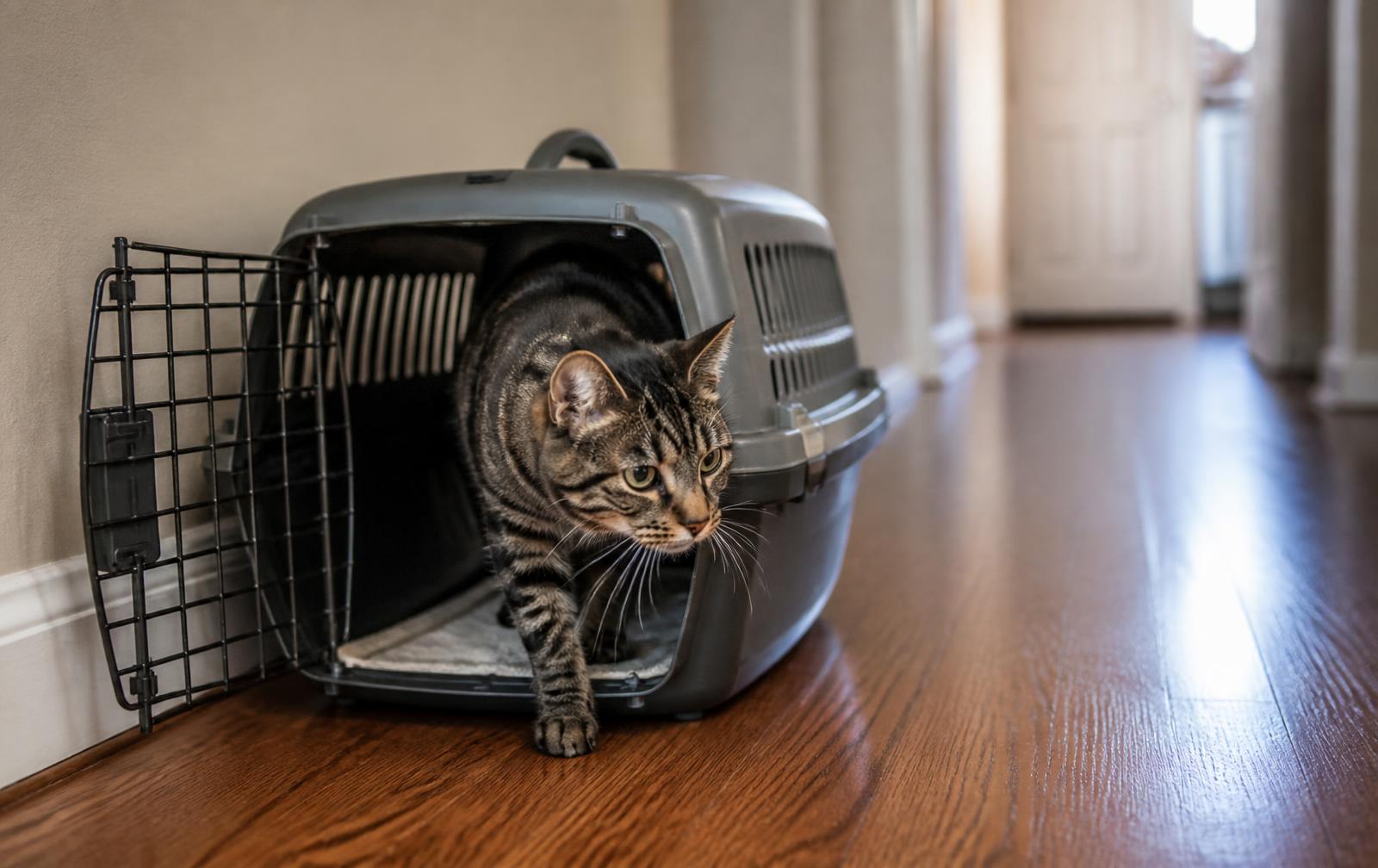
Travel Carriers and Cat Crates: Stress-Free Transport
Choose the right cat carrier or crate and learn practical tips for calmer vet visits, car trips, and moves with your feline companion.
Read more →

Pet Cameras and Monitoring: Tech for Checking on Your Cat
A practical guide to pet cameras and monitoring systems for cats, covering features, placement, and how to use them without over-worrying.
Read more →
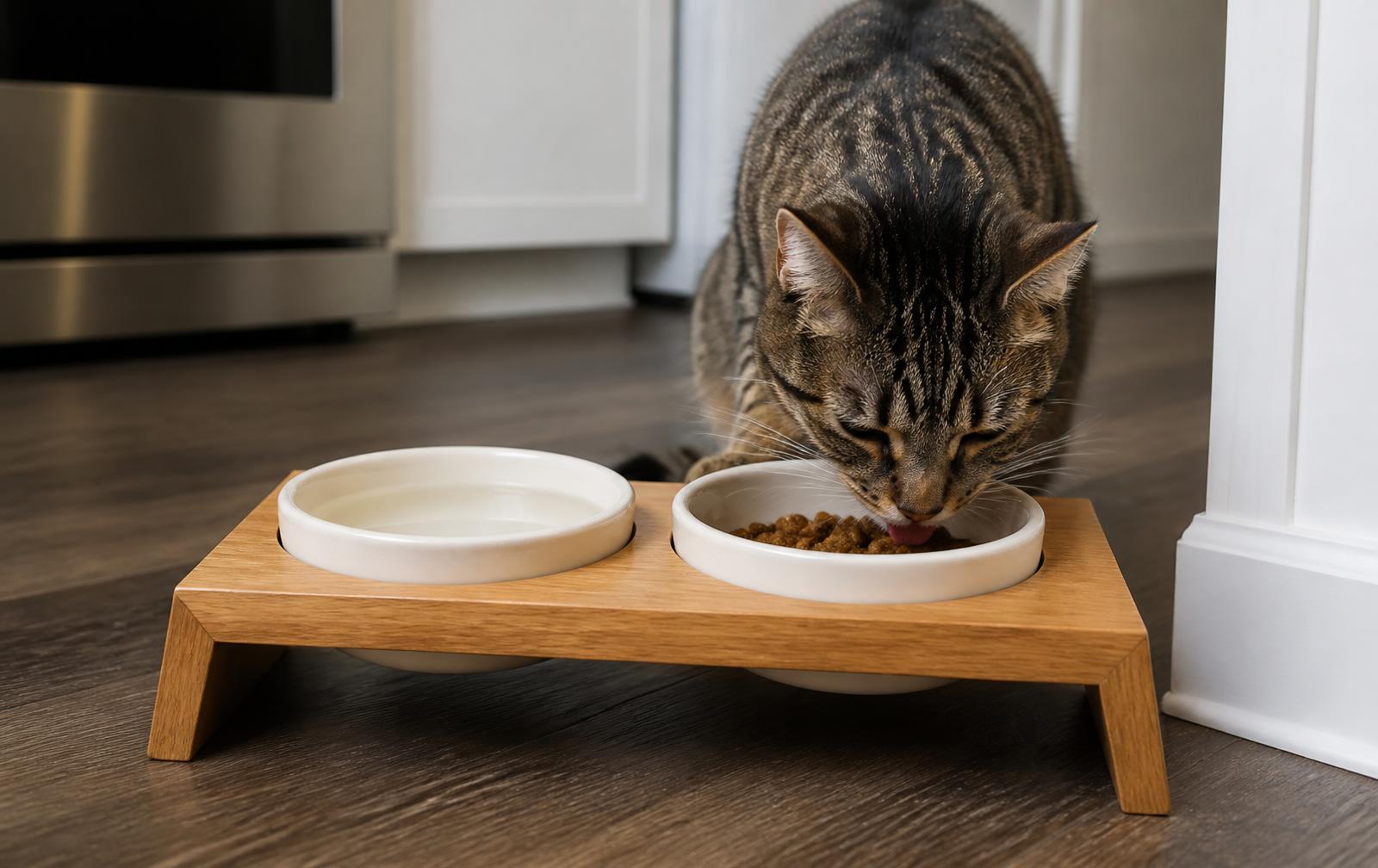
Food and Water Bowls: Material, Design, and Health Considerations
Compare cat food bowls and water bowls by material and design, including stainless steel bowls, to protect whisker health and hygiene.
Read more →