Tom and Jerry: 85 Years of the Internet's First Cat-and-Mouse Drama
Explore the 85-year history of Tom and Jerry, from MGM's animation studios to today's internet memes, and why the chase never gets old.
By the Cleos team · 24 May 2027 · 6 min read
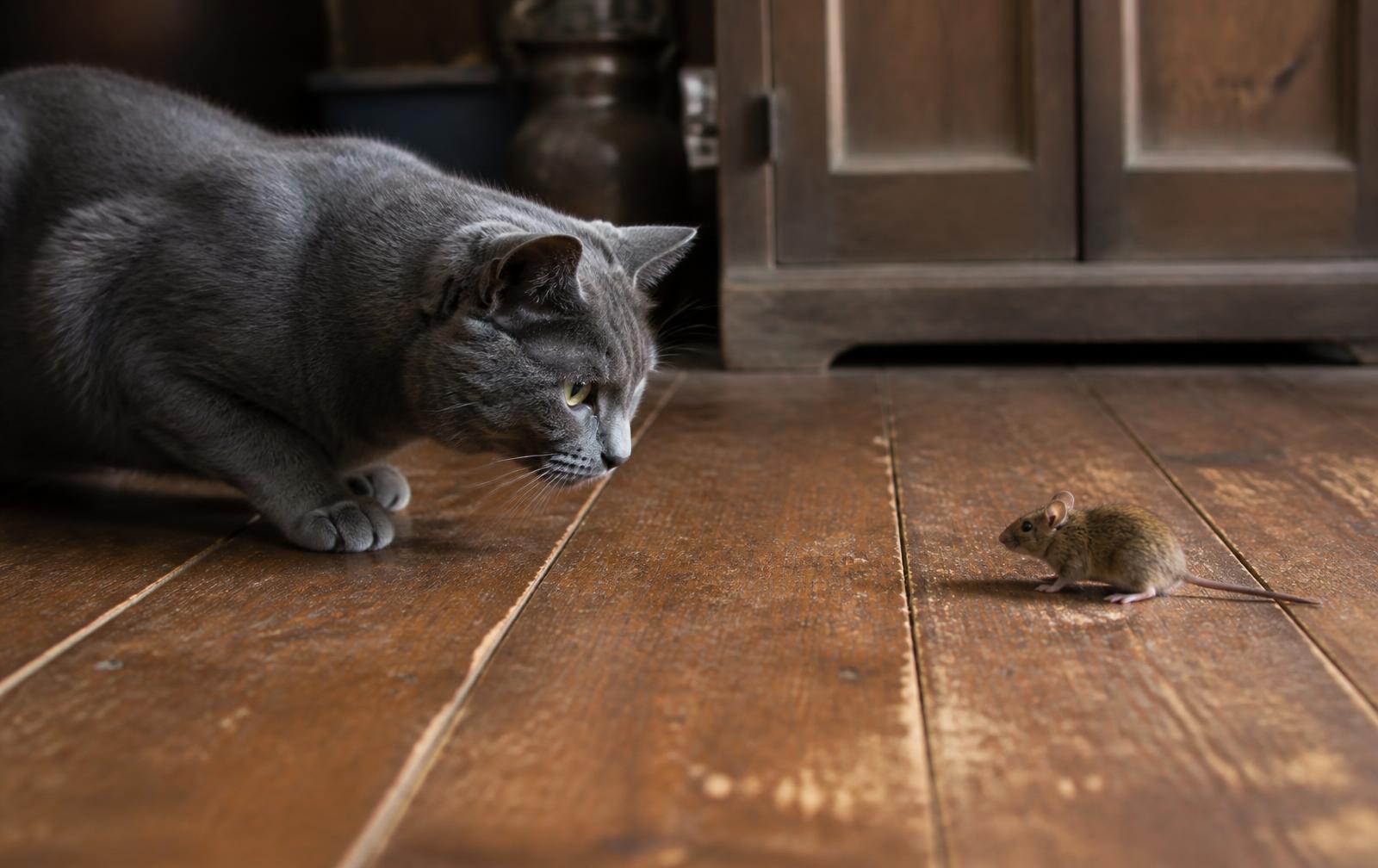
Long before cats ruled the internet, they ruled a rug in a nice suburban house, chasing a small grey mouse across polished floors, through pianos, and into countless walls. Tom and Jerry, the cat-and-mouse duo created at MGM, began as a short theatrical cartoon and grew into one of the most enduring double acts in animation. Their slapstick chases have been dubbed into dozens of languages, rerun on television for generations, and now live a second life as reaction gifs and memes.
What makes the pairing so durable is not just the violence-free-in-spirit (if not in cartoon logic) comedy, but the emotional honesty underneath it: two rivals who, in a strange way, need each other. In short: Tom and Jerry debuted in the 1940s from the animation studio MGM, ran for decades across cinema and television, and remains one of the most recognisable and rewatched cartoon franchises in the world, prized for its mostly wordless, purely visual comedy.
Where It All Began
Tom and Jerry were created by the animation team of William Hanna and Joseph Barbera while they worked at Metro-Goldwyn-Mayer's animation department. Their first short introduced a house cat and a house mouse locked in an escalating battle of wits, and the format proved to be an instant hit with audiences who had grown used to more dialogue-driven cartoon shorts. Rather than relying on witty banter, Hanna and Barbera built their humour on timing, physical comedy, and exaggerated expressions, a style that translated effortlessly across language and culture.
The early shorts won a remarkable run of awards during Hollywood's golden age of animation, and the visual gags set a benchmark that other studios raced to match. Because so much of the storytelling relied on body language and sound rather than spoken dialogue, the cartoons aged unusually well and could travel internationally with little adaptation needed.
The Hanna-Barbera Signature
A few features defined the original era of shorts:
- Near-total absence of spoken dialogue, replaced by expressive sound design and orchestral scoring
- Elaborate chase sequences built around household objects used as obstacles, weapons, or escape routes
- A surprisingly tender undercurrent, with occasional moments of truce or shared misery between Tom and Jerry
- Recurring supporting characters, including Spike the bulldog and Mammy Two Shoes, who added variety to the core rivalry
From Cinema Shorts to Saturday Mornings
As cinema attendance patterns shifted through the mid-20th century, the original theatrical shorts eventually gave way to a life on television. Reruns introduced Tom and Jerry to entirely new generations of children who had never seen the cartoons on the big screen, and the duo became a fixture of after-school and Saturday morning programming around the world.
Later decades brought new productions with different creative teams, updated animation styles, and eventually a shift towards made-for-television series and full-length films. Each revival came with its own visual flavour, but the core premise never changed: a housecat forever chasing, and forever failing to catch, a resourceful little mouse.
Why the Chase Still Works
Part of the charm of Tom and Jerry is how universally relatable the dynamic is, even if the exact rules of the chase are cartoonish. Cat owners today will recognise the same restless energy in real cats: the pouncing instinct, the fixation on movement, and the sheer physical commitment to a chase, however pointless it may look from the outside. If you have ever wondered why your own cat cannot resist chasing a moving object, the instinct is very real. It is closely tied to natural predatory drive, something reputable resources like the ASPCA and International Cat Care describe as an innate behaviour rather than mischief for its own sake.
That predatory drive is also part of why interactive play and engaging treat time matter so much for real cats at home. Understanding why cats love lickable treats or how to structure bonding treat time rituals can help owners channel that same chase-and-catch energy into something rewarding rather than destructive.
Tom and Jerry Through the Decades
| Era | Format | Notable Shift |
|---|---|---|
| 1940s–1950s | Theatrical shorts | Original Hanna-Barbera era, largely dialogue-free slapstick |
| 1960s–1970s | Television syndication and new shorts | Introduction to television audiences via reruns and new productions |
| 1980s–1990s | Television series and first feature film | Expanded storylines, some spoken dialogue introduced |
| 2000s–2010s | New television series and direct-to-video films | Modernised animation while preserving classic gags |
| 2010s–present | Streaming, films, and internet meme culture | Clips repurposed as reaction images and short-form video content |
The Meme Era
Tom and Jerry's second life online is arguably as significant as its original broadcast run. Individual frames and short clips, particularly ones showing exaggerated fear, fury, or scheming expressions, have become a shorthand for emotional reactions across social media. This resurgence has introduced the characters to viewers who may never have watched a full episode, proving that visual comedy built on universal expressions and timing can outlive the technology it was originally made for.
This kind of staying power is rare in entertainment. Much like famous Instagram cats or the wider world of cat memes, Tom and Jerry succeeds because cats (real or animated) are inherently expressive, dramatic, and endlessly watchable.
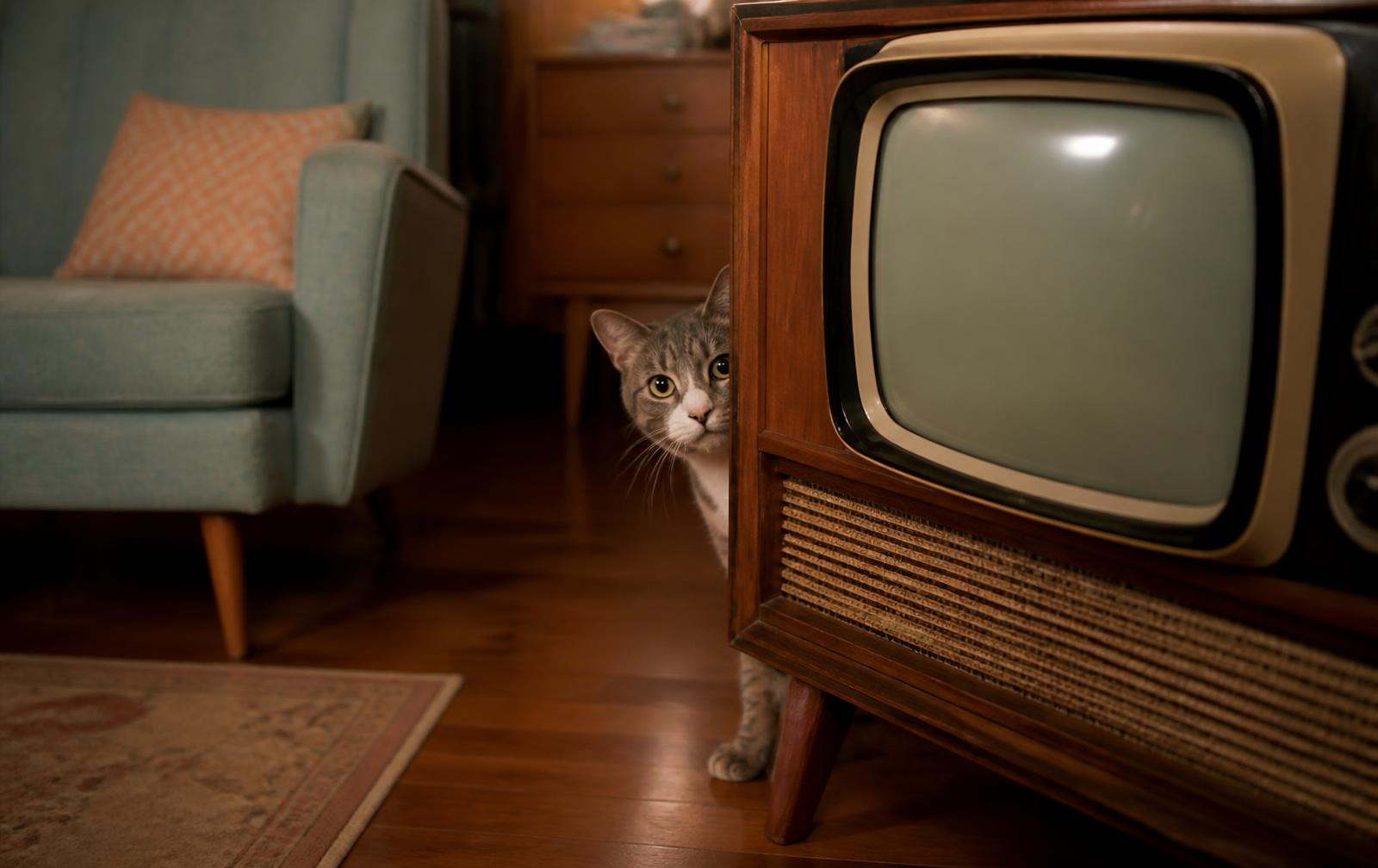
What Tom and Jerry Get Right About Real Cats
Despite the cartoon exaggeration, a surprising amount of feline behaviour in the series rings true:
- Cats are natural hunters, with a strong instinct to chase fast-moving or small creatures, as noted by the Cornell Feline Health Center
- Territory and household objects matter enormously to cats, echoing the way Tom treats "his" house as something to defend
- Play, even boisterous or chaotic play, is a form of essential mental and physical stimulation, not simply misbehaviour
- Cats and their rivals, or companions, often develop complicated, situational relationships rather than simple friend-or-foe dynamics
At Cleos, we think a lot about how cats express themselves through movement, food-seeking behaviour, and playful curiosity, which is part of why we design our lickable treats to reward that same natural inquisitiveness in a healthy, mess-friendly way.
Frequently Asked Questions
Who created Tom and Jerry?
Tom and Jerry were created by the animation duo William Hanna and Joseph Barbera while working at the MGM animation studio.
Why does Tom never catch Jerry?
The ongoing, unresolved chase is central to the format's comedy. A permanent stalemate keeps the rivalry (and the gags) going indefinitely, which is part of why the series has sustained so many decades of new material.
Is Tom and Jerry still being made today?
The franchise has seen numerous revivals over the decades, including newer television series and films, alongside its enduring presence in classic reruns and internet clips.
Why do cats chase things the way Tom chases Jerry?
It comes down to natural predatory instinct. Fast, erratic movement triggers a cat's hunting response, which is why interactive toys and play sessions are so effective at engaging real cats at home.
If your own house tiger has plenty of Tom-like energy, channel it into happy, healthy playtime and reward it with a treat time worth looking forward to. Join the Cleos waitlist to be first in line when we launch.
Keep Cleos close
Get more Cleos stories on Google
Add Cleos as a preferred source to make our cat care guides easier to find in Google.
Add to Preferred SourcesFound this useful? Share it
Treats worth reading the label for.
Cleos lickable treats are built on real, named ingredients — Real Chicken, Real Tuna, Tuna & Shrimp and Chicken & Veggies — with zero artificial fillers.
Join the Cleos waitlistKeep reading
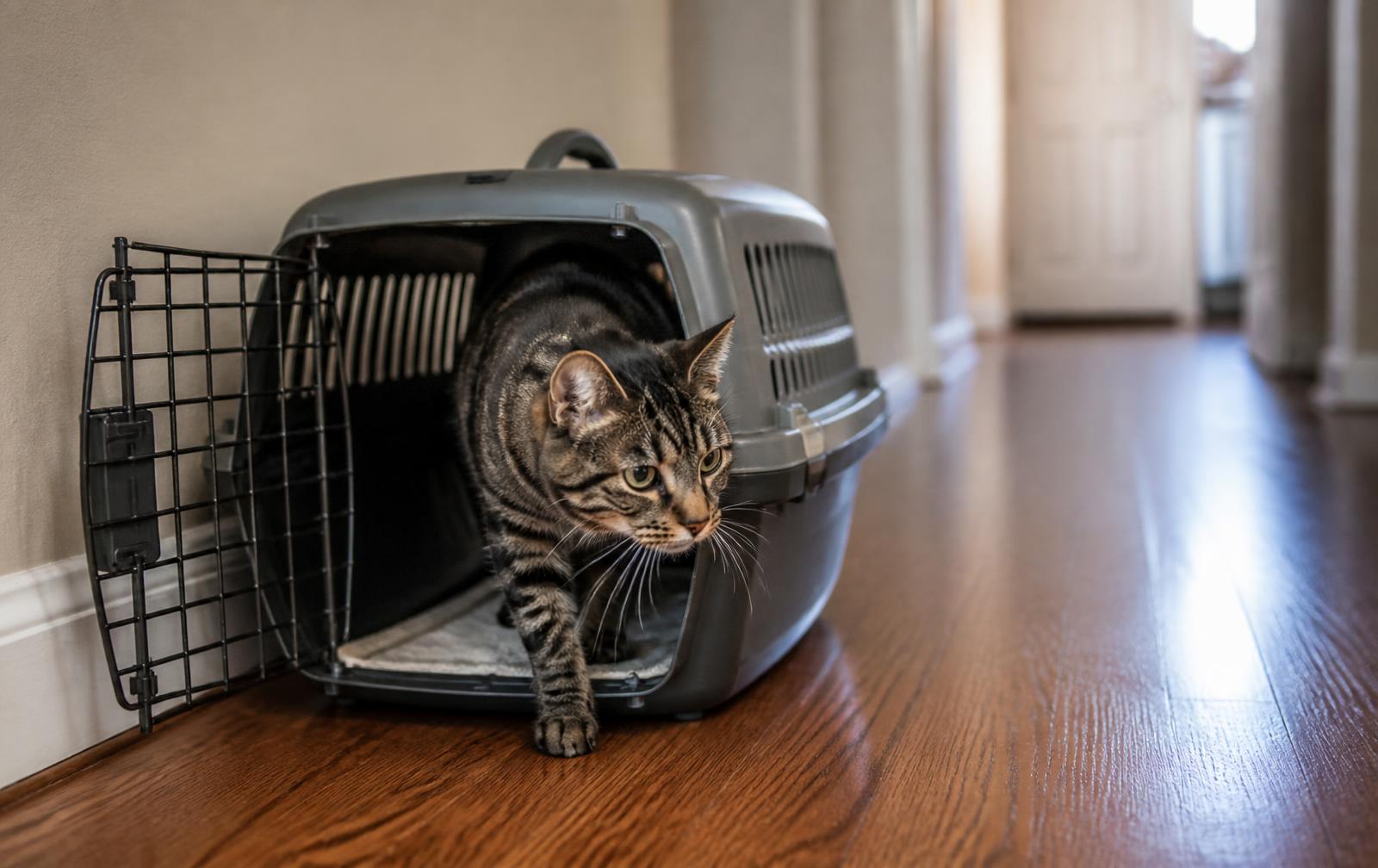
Travel Carriers and Cat Crates: Stress-Free Transport
Choose the right cat carrier or crate and learn practical tips for calmer vet visits, car trips, and moves with your feline companion.
Read more →

Pet Cameras and Monitoring: Tech for Checking on Your Cat
A practical guide to pet cameras and monitoring systems for cats, covering features, placement, and how to use them without over-worrying.
Read more →
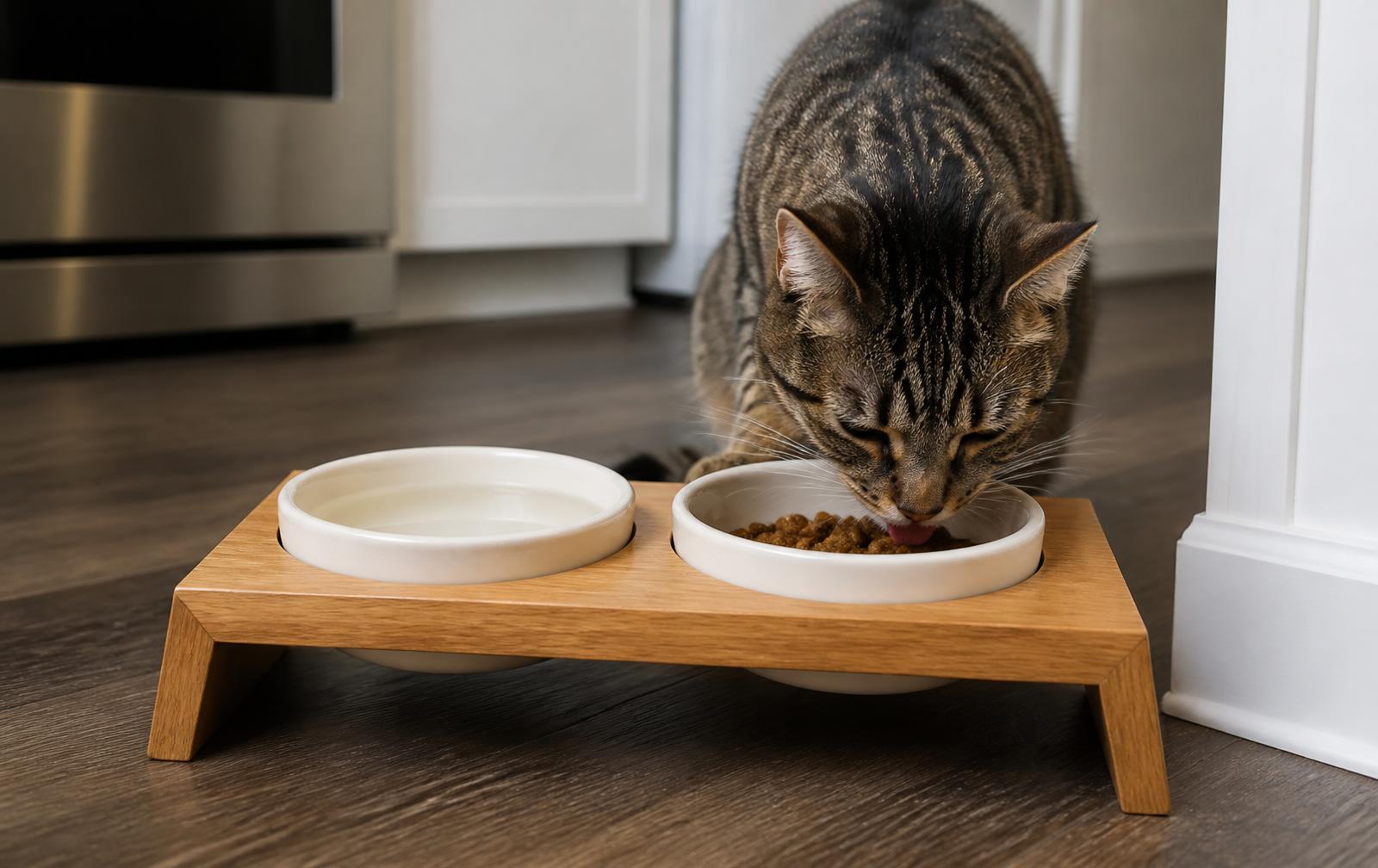
Food and Water Bowls: Material, Design, and Health Considerations
Compare cat food bowls and water bowls by material and design, including stainless steel bowls, to protect whisker health and hygiene.
Read more →