Senior Cat Care: Comfort and Quality of Life (10+ Years)
Keep your senior cat comfortable with home adjustments, twice-yearly vet care, senior nutrition, and gentle daily enrichment for aging cats.
By the Cleos team · 13 December 2027 · 5 min read
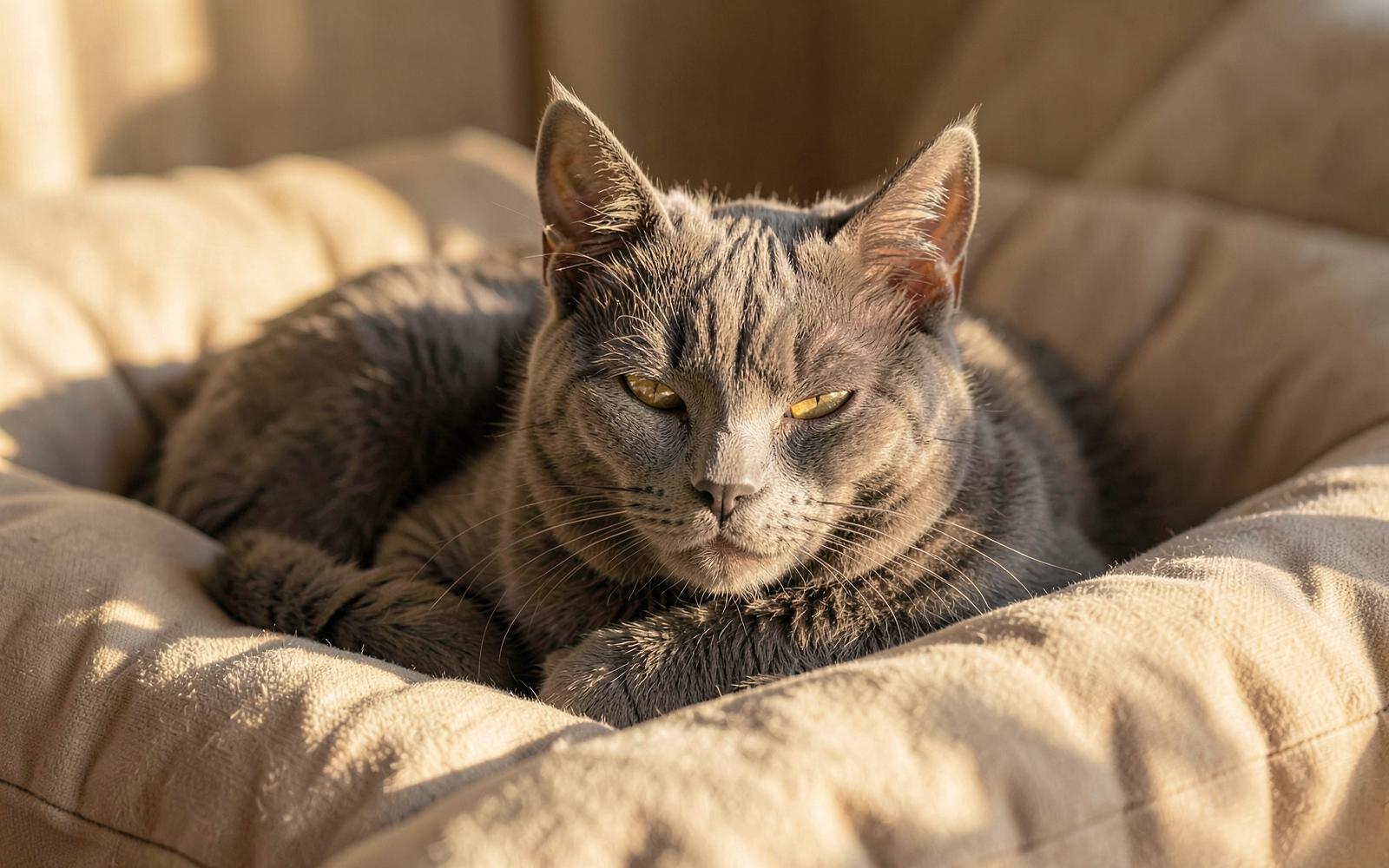
When your cat crosses into their senior years, roughly age 10 and beyond, the relationship shifts into something quieter and deeper. The midnight zoomies fade; long afternoon naps in the sun take their place. Senior cats need a few thoughtful adjustments to stay comfortable, and they repay the care with some of the sweetest companionship of their lives.
In short: Senior cat care centres on comfort (soft accessible beds, ramps to favourite spots, easy-entry litter boxes), health monitoring (twice-yearly vet checks with bloodwork), diet adjustments (high-quality protein, adequate moisture, senior-appropriate textures), and gentle daily engagement. Watch for subtle changes, appetite, water intake, grooming decline, mobility, since cats hide illness well and early detection transforms outcomes.
When Is a Cat "Senior"?
Cats are generally considered senior from around 10-11 years, and geriatric from 15+. With good care, indoor cats commonly live 15-20 years, so the senior phase can be a long, rich chapter, not a short decline.
Common Age-Related Changes
- Sleeping more and playing less intensely
- Stiffness: especially after rest; reluctance to jump to former favourite heights
- Thinner muscle mass: particularly along the spine and hindquarters
- Coat changes: less thorough self-grooming, especially the lower back
- Sensory decline: hearing and vision dimming gradually (see eye health in cats)
- Behaviour shifts: more vocal at night, occasional confusion, increased clinginess or increased hiding
Health Monitoring: The Twice-Yearly Rule
Senior cats should see the vet every six months, with bloodwork and blood pressure checks. The conditions that dominate senior cat health, chronic kidney disease, hyperthyroidism, diabetes, dental disease, arthritis, and hypertension, are all far more manageable caught early.
At-home monitoring between visits:
- Weigh monthly, unexplained weight loss is the most common early disease sign
- Track water intake, increased thirst signals kidney disease, diabetes, or hyperthyroidism
- Note appetite changes in either direction
- Watch litter box output, larger urine clumps or constipation both matter
- Observe mobility, new hesitation before jumps or stairs
Comfort Adjustments Around the Home
Small changes dramatically improve a senior cat's daily life:
Accessibility
- Ramps or pet stairs to beds, sofas, and window perches they can no longer jump to
- Low-entry litter boxes: high sides are painful for arthritic hips; add boxes on each floor
- Food and water at easy reach: slightly raised bowls reduce neck strain
Warmth and Softness
Older cats feel cold more and their joints love warmth. Provide soft, supportive beds in sunny spots; heated pet beds (pet-safe, low-voltage) are wonderful for arthritic seniors in winter.
Grooming Help
When seniors can't reach everywhere, daily gentle brushing fills the gap, preventing mats, reducing hairballs, and doubling as bonding time. Keep nails trimmed since less-active cats wear them down more slowly.
Senior Nutrition and Treats
Senior nutrition deserves its own deep dive (see senior cat nutrition), but the essentials:
- High-quality, highly digestible protein: contrary to old advice, healthy senior cats need more quality protein, not less, to maintain muscle mass
- Moisture-rich food: supports kidneys and hydration
- Soft textures: dental disease is common in seniors; soft food and lickable treats are easier on sore mouths
- Smaller, more frequent meals: easier on aging digestion
For treats, soft lickable options made with real named protein are ideal for seniors: gentle on teeth, hydrating, highly palatable for fading appetites, and perfect for hand-feeding moments that keep the bond strong.
Enrichment for Older Cats
Senior cats still need mental engagement, just gentler:
- Short, slow play sessions with wand toys moved at a senior pace
- Window perches for bird-watching (the senior cat's television)
- Food puzzles set to easy difficulty
- Simply talking to them and sharing quiet time. Many seniors become more affectionate and cherish calm companionship
Quality of Life: The Honest Conversation
As cats reach their geriatric years, periodically assess quality of life: Are they eating with interest? Do they still seek your company? Is pain controlled? More good days than bad? Your vet can help you evaluate honestly. The goal of senior care isn't extending time at any cost. It's making the time comfortable, dignified, and full of the small pleasures your cat has always loved.
Join the Cleos Waitlist: Soft, lickable, real-protein treats, gentle on senior teeth and perfect for quiet bonding moments. Be first to try Cleos at https://getcleos.in/#waitlist.
Frequently Asked Questions
Why is my senior cat yowling at night?
Nighttime vocalisation in senior cats has several possible causes: cognitive dysfunction (feline dementia), declining hearing or vision causing disorientation, hyperthyroidism, high blood pressure, or pain. A vet check is the right first step since most causes are treatable or manageable. It's rarely "just old age."
Should I switch to senior food at age 10?
Age alone doesn't demand a formula change; health status does. A healthy, active 10-year-old can stay on quality adult food. Senior formulas become relevant when bloodwork or body condition suggests adjustments. And note that kidney-friendly prescription diets are only appropriate when a vet diagnoses a need, since their lower protein isn't ideal for healthy seniors.
How can I tell if my cat has arthritis?
Cats rarely limp from arthritis. Instead watch for: hesitation before jumping, using intermediate steps to reach heights, sleeping in new lower spots, reduced grooming of the back, irritability when touched in certain areas, and litter box accidents from painful entry. Studies suggest most cats over 12 have arthritic changes, tell your vet what you observe, as effective pain management options exist.
My senior cat is losing weight but eating well. Is that normal?
No, good appetite with weight loss is a classic sign of hyperthyroidism, and also appears with diabetes and kidney disease. It's one of the most important senior red flags and one of the most treatable when caught early. Book a vet visit with bloodwork promptly.
Keep Cleos close
Get more Cleos stories on Google
Add Cleos as a preferred source to make our cat care guides easier to find in Google.
Add to Preferred SourcesFound this useful? Share it
Treats worth reading the label for.
Cleos lickable treats are built on real, named ingredients: Real Chicken, Real Tuna, Tuna & Shrimp and Chicken & Veggies. No artificial fillers.
Join the Cleos waitlistKeep reading
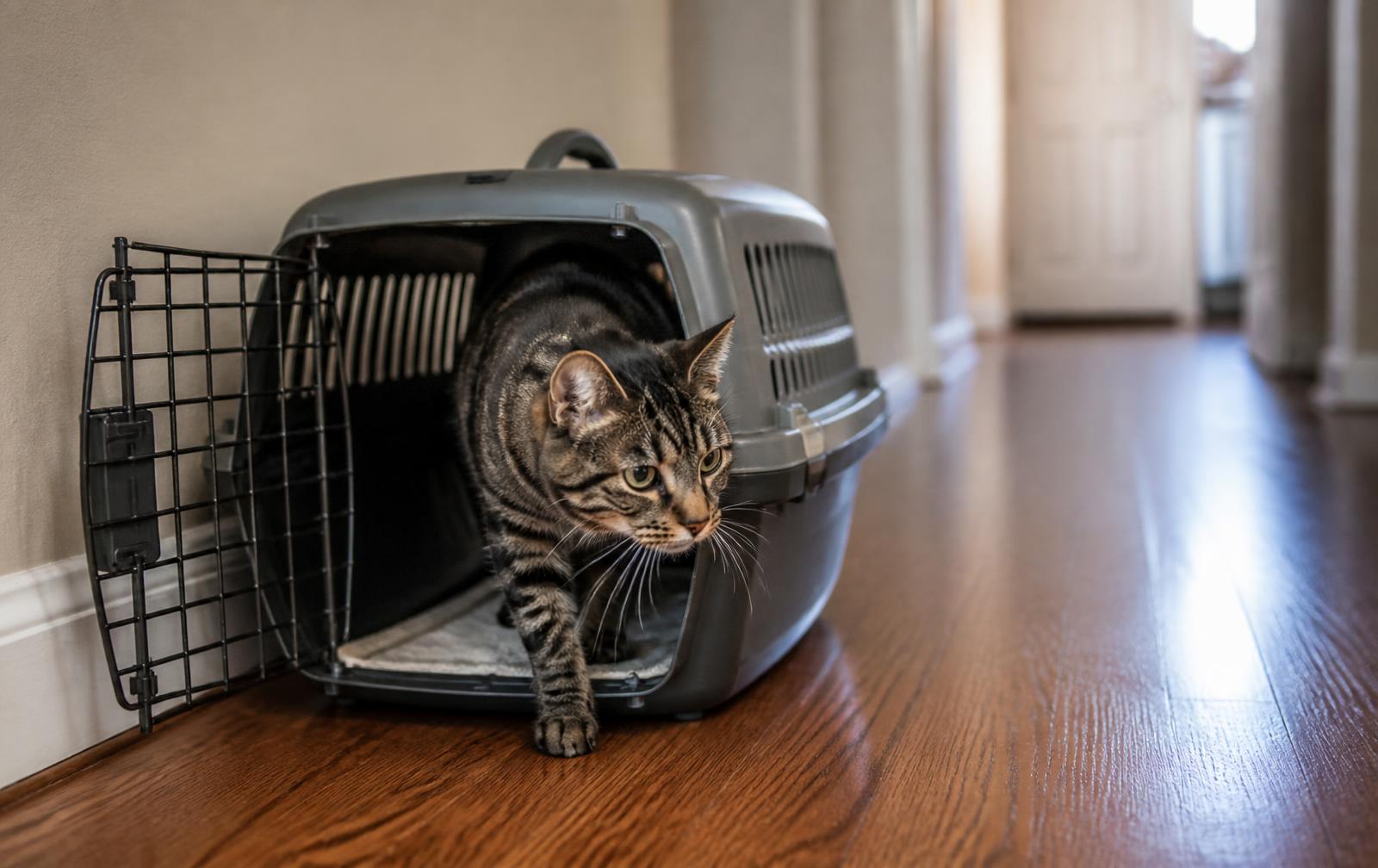
Travel Carriers and Cat Crates: Stress-Free Transport
Choose the right cat carrier or crate and learn practical tips for calmer vet visits, car trips, and moves with your feline companion.
Read more →
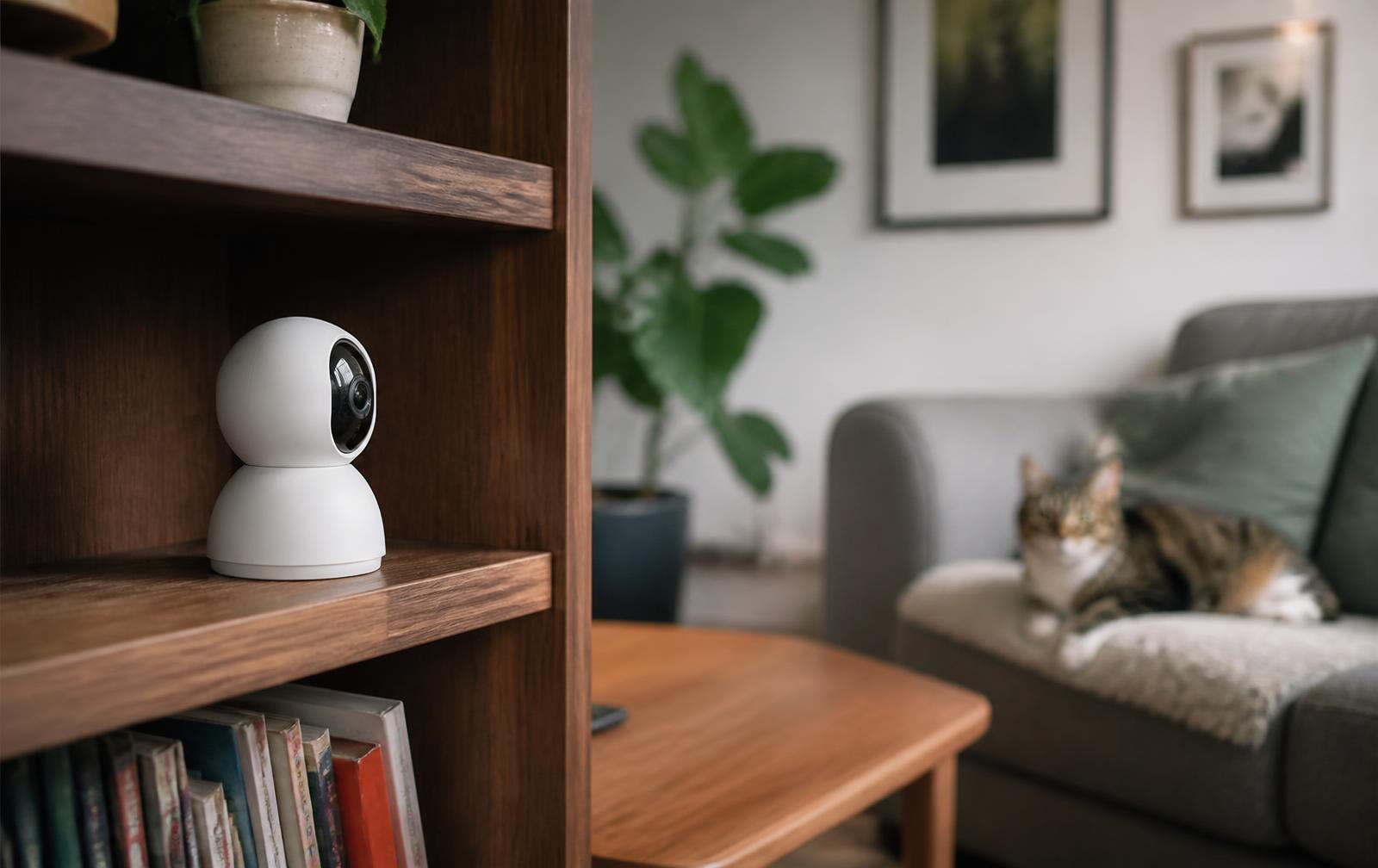
Pet Cameras and Monitoring: Tech for Checking on Your Cat
A practical guide to pet cameras and monitoring systems for cats, covering features, placement, and how to use them without over-worrying.
Read more →
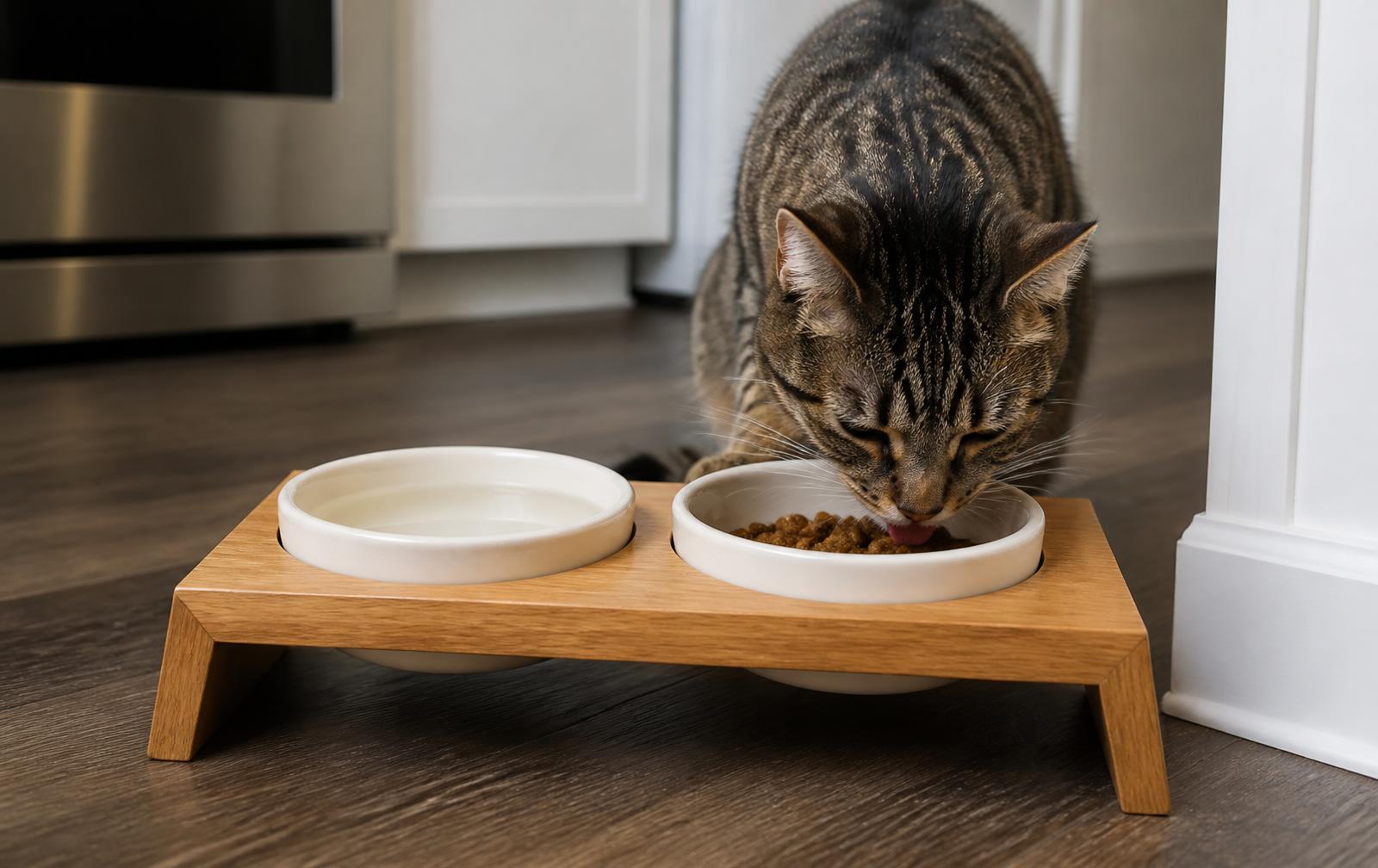
Food and Water Bowls: Material, Design, and Health Considerations
Compare cat food bowls and water bowls by material and design, including stainless steel bowls, to protect whisker health and hygiene.
Read more →