Litter Box Types: Self-Cleaning vs Traditional vs Automatic
Compare self-cleaning, automatic and traditional litter boxes to find the best litter boxes for your cat's habits, home and budget in India.
By the Cleos team · 16 August 2027 · 7 min read
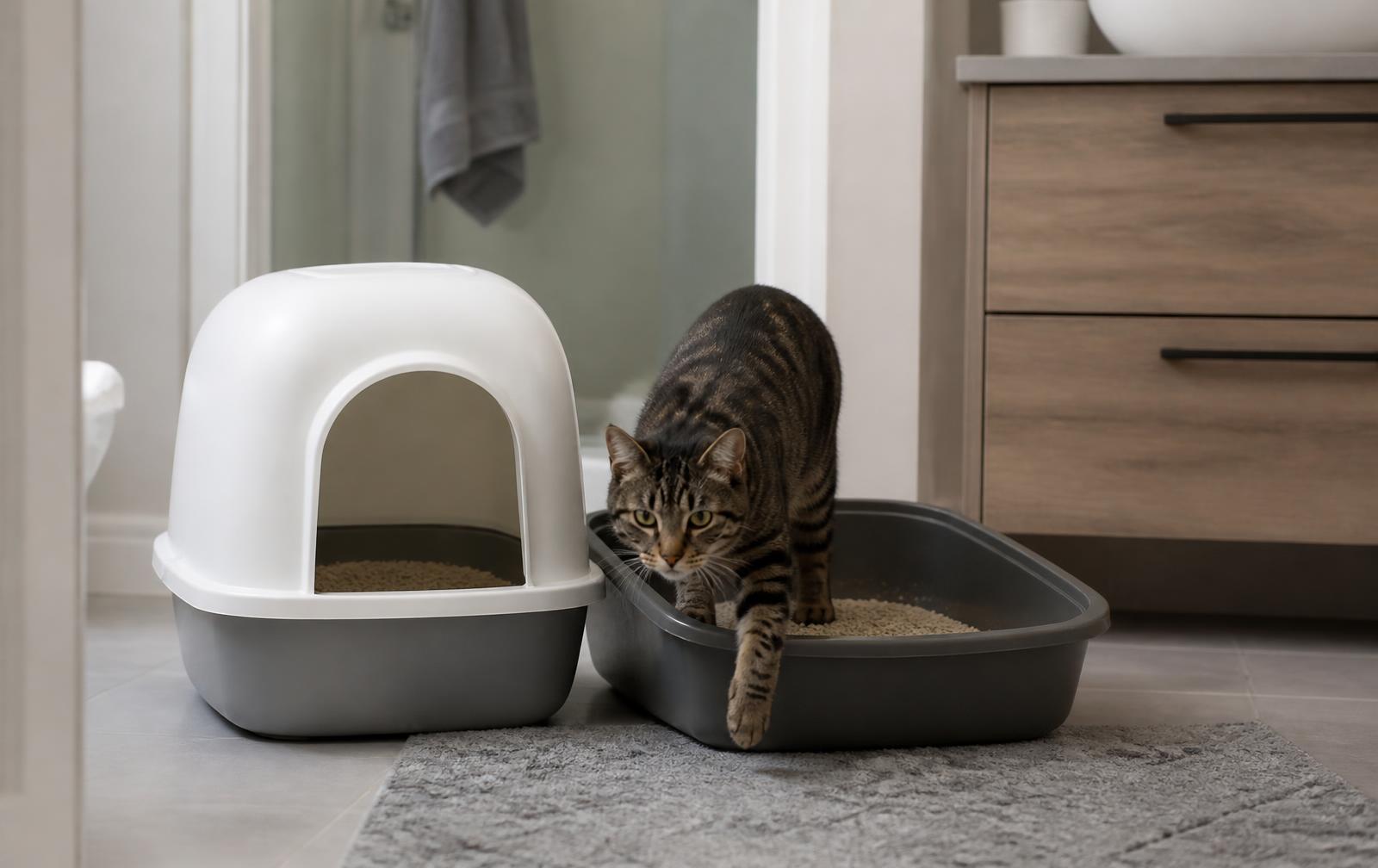
Few decisions shape daily life with a cat quite like the litter box, yet most of us buy the first one we see on a shelf and only rethink it once problems appear. Odour, tracked litter, missed scoops during busy weeks and a fussy cat who suddenly refuses to use the box are all common reasons Indian cat parents start researching alternatives.
This guide compares traditional open trays, hooded boxes, and the newer self-cleaning and fully automatic systems, so you can weigh cost, hygiene, and your cat's comfort before buying. In short: traditional open litter boxes remain the safest, most universally accepted choice for most cats and budgets, while self-cleaning and automatic boxes suit multi-cat or time-poor households provided the cat is introduced to them gradually and the box is sized and maintained correctly.
Why Litter Box Choice Matters
Cats are naturally fastidious about where they toilet, and a box that feels wrong, whether too small, too enclosed, too noisy, or simply too dirty, can lead to house-soiling, stress, or even urinary problems if a cat starts holding urine to avoid the box. According to the ASPCA, litter box aversion is one of the most common behavioural complaints among cat owners, and it is very often solvable by changing the box, litter, or its location rather than the cat.
Before comparing box types, it helps to remember the basics that apply regardless of which system you choose:
- Provide one litter box per cat, plus one extra, as recommended by International Cat Care.
- Place boxes in quiet, accessible spots away from food and water.
- Scoop solids at least once daily, even with automatic systems.
- Keep the box roughly one and a half times your cat's body length so it is not cramped.
Traditional Open Litter Boxes
The traditional open tray is simply a plastic pan filled with litter, with no lid, motor, or mechanism. It remains the most widely recommended option by veterinary behaviourists because it offers the cat full visibility of its surroundings while toileting, an important sense of safety for a species that is vulnerable during elimination in the wild.
Pros
- Inexpensive and widely available across Indian pet shops and online retailers.
- Easy to clean thoroughly by hand and easy to inspect for changes in urine or stool, which can be an early sign of illness.
- No moving parts to break, jam, or frighten a nervous cat.
- Generally the safest choice for kittens, senior cats, and cats recovering from illness or surgery, who need easy, unimpeded access.
Cons
- Requires manual scooping, ideally once or twice a day.
- Offers no odour containment, so placement and ventilation matter more.
- Some litter tracking onto floors is inevitable, though this can be reduced with a mat.
Hooded and Covered Boxes
A hooded box is still manual but adds a cover, which can reduce visible mess and some odour spread. Many cats tolerate hoods well, but a meaningful minority dislike them because they trap odour close to the cat's face and can make the box feel like a trap with only one exit. If you have a multi-cat household, a hood can also let one cat "ambush" another as it exits, so open trays are often the safer default in group settings.
Self-Cleaning Litter Boxes
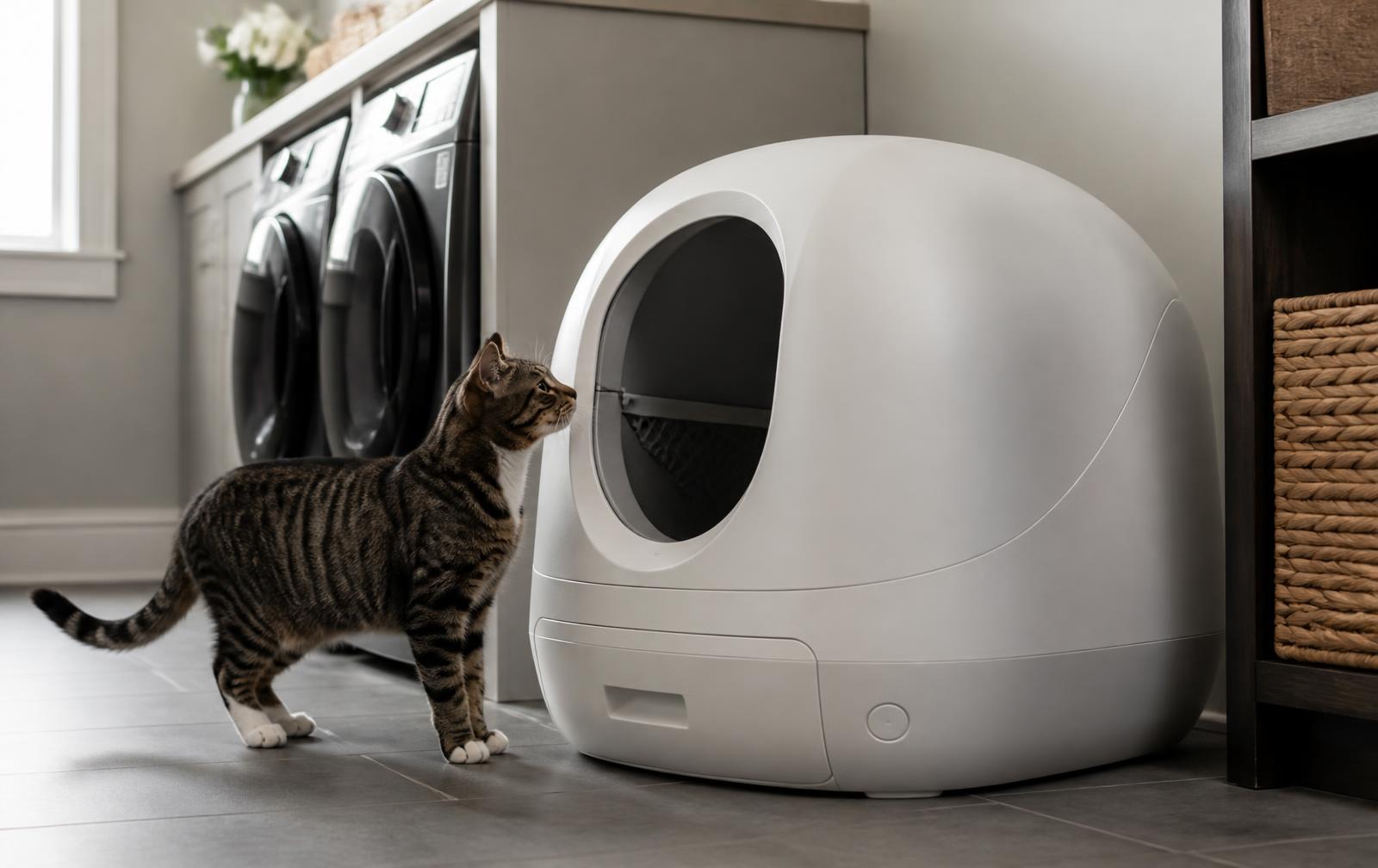
Self-cleaning boxes typically use a rake, sifting screen, or rotating globe mechanism to separate waste from clean litter a set time after the cat has used the box, depositing it into a sealed compartment. This reduces how often a human needs to scoop, though the waste compartment still needs regular emptying, usually every few days depending on the number of cats.
What To Consider
- Noise and timing: mechanisms that activate immediately after use can startle timid cats, so look for models with an adjustable delay.
- Size: many self-cleaning boxes have a smaller usable floor area than their footprint suggests, which can be a poor fit for large breeds.
- Sensor reliability: weight sensors sometimes fail to detect very light kittens or very large cats, so check compatibility with your cat's weight range.
- Litter type: some self-cleaning systems only work well with clumping litter of a specific granule size.
Fully Automatic Litter Boxes
Fully automatic litter boxes go a step further, often connecting to a phone app to track how often and how long each cat uses the box, flag potential health concerns such as unusually frequent visits, and alert you when the waste bin needs emptying. These can be genuinely useful for monitoring a senior cat's urinary health or for households where owners travel frequently.
However, automatic boxes are a bigger investment, both financially and in terms of trust. Introduce any automatic box slowly: keep it switched off initially so the cat can explore and use it like a normal tray, then gradually enable the automatic cycle once your cat is confident. Never force a nervous cat to remain near an active mechanism.
Comparing the Options
| Feature | Traditional Open | Hooded | Self-Cleaning | Fully Automatic |
|---|---|---|---|---|
| Upfront cost | Low | Low to moderate | Moderate to high | High |
| Ongoing effort | Daily scooping | Daily scooping | Periodic bin emptying | Minimal, periodic bin emptying |
| Best for | Kittens, seniors, nervous cats | Confident single cats | Multi-cat, busy households | Tech-comfortable owners, health tracking needs |
| Odour control | Low | Moderate | Good | Very good |
| Risk of cat refusal | Lowest | Low to moderate | Moderate | Moderate to high if introduced poorly |
Choosing Litter To Match Your Box
The box is only half the equation. Clumping litters generally work best with self-cleaning mechanisms because they form solid clumps the rake or sieve can separate cleanly, while very fine or non-clumping litters can jam mechanisms or fail to sift properly. Whichever litter you choose, introduce changes gradually by mixing the new litter with the old over a week or two, since sudden switches are a common cause of litter box avoidance.
Good litter box hygiene also supports the digestive and urinary health habits you build through diet. Cats who eat measured, high-moisture meals and the occasional why cats love lickable treats as a reward tend to have more predictable toileting patterns, which makes any box, manual or automatic, easier to maintain. At Cleos, we hear from cat parents managing everything from picky eaters to seniors with sensitive bladders, and a consistent, stress-free toileting setup is often part of that bigger wellness picture.
Placement and Multi-Cat Households
Regardless of box type, location matters enormously:
- Avoid placing boxes in high-traffic hallways or next to noisy appliances such as washing machines.
- In multi-cat homes, spread boxes across different rooms rather than lining them up together, since some cats will avoid a box guarded by a housemate.
- Keep at least one box on each floor of a multi-storey home, particularly for senior cats with joint issues.
- If you are dealing with a cat who has recently started urinating outside the box, rule out medical causes first; conditions covered in our guide on urinary tract issues in cats can present exactly this way and need veterinary attention rather than a new box.
Transitioning To a New Box
Cats are creatures of habit, and litter box changes are one of the more common triggers for stress-related house-soiling. To ease the transition:
- Keep the old box available alongside the new one for at least a week.
- Use the same litter type in both boxes initially, changing only the box itself.
- Place the new box in the same location as the old one rather than introducing a new spot at the same time.
- Watch for signs of avoidance, such as hovering near the box without entering, and be ready to revert if needed.
If your cat has recently moved home, is a kitten still learning the ropes, or needs a refresher, our piece on litter box training kittens covers the fundamentals that apply here too.
Frequently Asked Questions
How often should I scoop, even with a self-cleaning box?
At least once a day for solids, ideally, since even automatic mechanisms can miss stray litter clumps or fail to trigger correctly. Daily scooping also gives you a chance to notice changes in stool or urine that might indicate a health issue worth discussing with your vet, a habit endorsed by both the Cornell Feline Health Center and the AVMA.
Are automatic litter boxes safe for kittens?
Generally no, not until a kitten is fully grown and confident, since the sensors and moving parts are calibrated for adult cat weights and a startled kitten may be frightened permanently off the box. Stick with a simple open tray for kittens.
Will a self-cleaning box completely remove odour?
No box eliminates odour entirely. Self-cleaning and automatic boxes reduce it meaningfully by sealing waste quickly, but regular emptying of the waste compartment and periodic deep cleaning of the whole unit are still essential.
My cat refuses to use the new automatic box. What now?
Switch the mechanism off, let your cat use it as a plain tray for a week or two, and reintroduce automation gradually with a longer delay setting. If refusal continues, a traditional open box may simply suit your cat better, and that is a perfectly good outcome.
Ready to make treat time as thoughtful as toilet time? Join the Cleos waitlist for premium, honestly made lickable treats your cat will look forward to every day.
Keep Cleos close
Get more Cleos stories on Google
Add Cleos as a preferred source to make our cat care guides easier to find in Google.
Add to Preferred SourcesFound this useful? Share it
Treats worth reading the label for.
Cleos lickable treats are built on real, named ingredients — Real Chicken, Real Tuna, Tuna & Shrimp and Chicken & Veggies — with zero artificial fillers.
Join the Cleos waitlistKeep reading
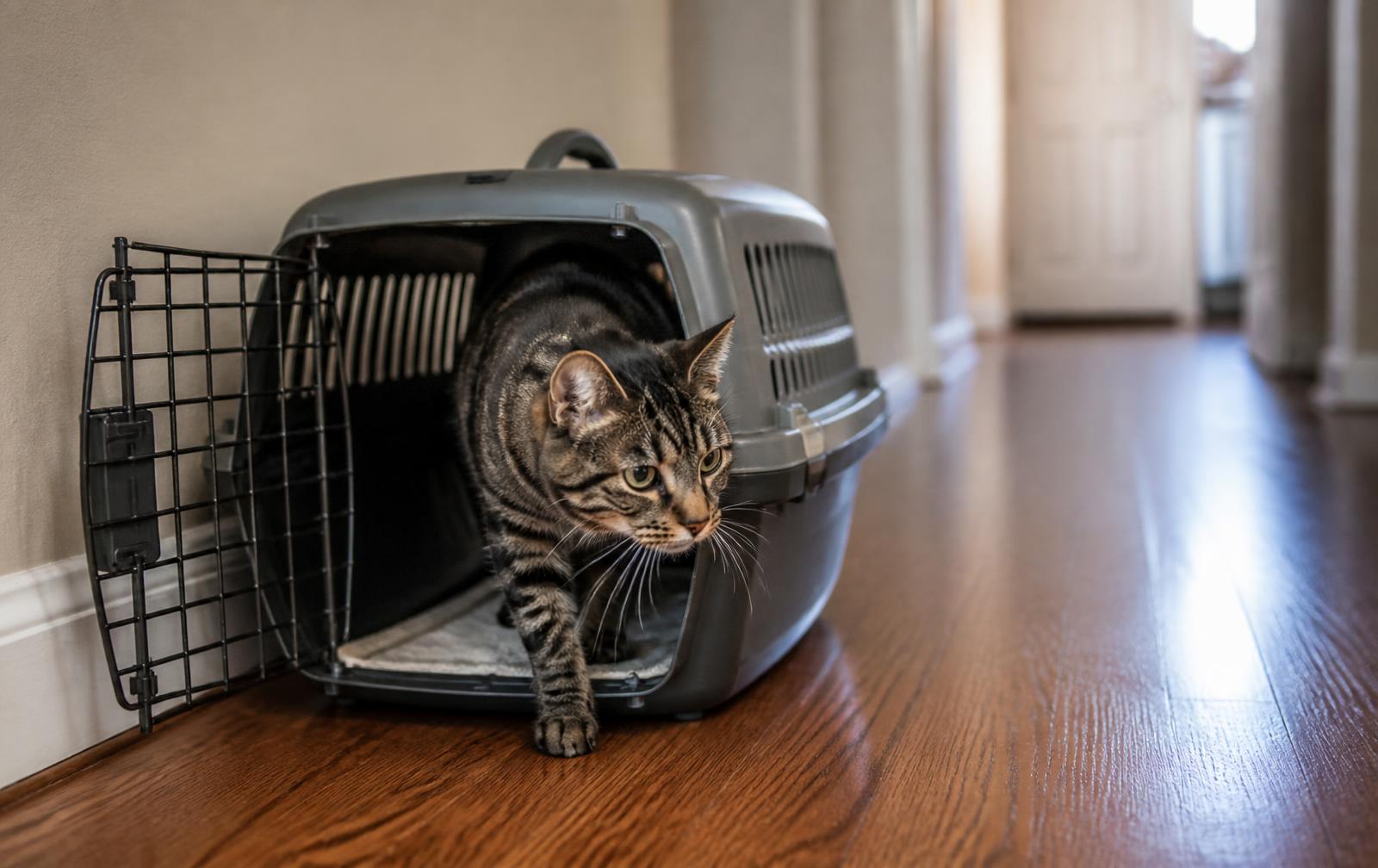
Travel Carriers and Cat Crates: Stress-Free Transport
Choose the right cat carrier or crate and learn practical tips for calmer vet visits, car trips, and moves with your feline companion.
Read more →
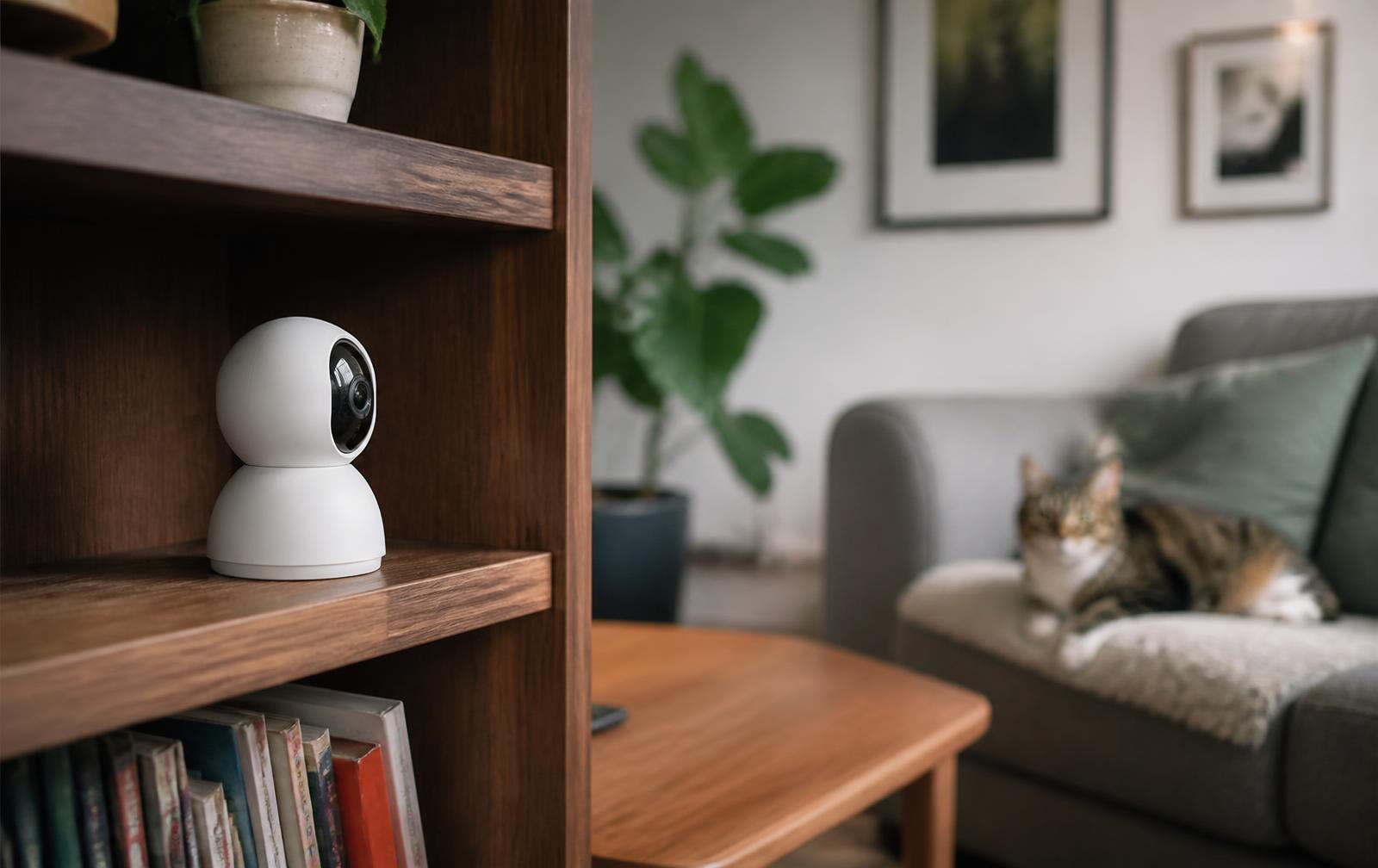
Pet Cameras and Monitoring: Tech for Checking on Your Cat
A practical guide to pet cameras and monitoring systems for cats, covering features, placement, and how to use them without over-worrying.
Read more →
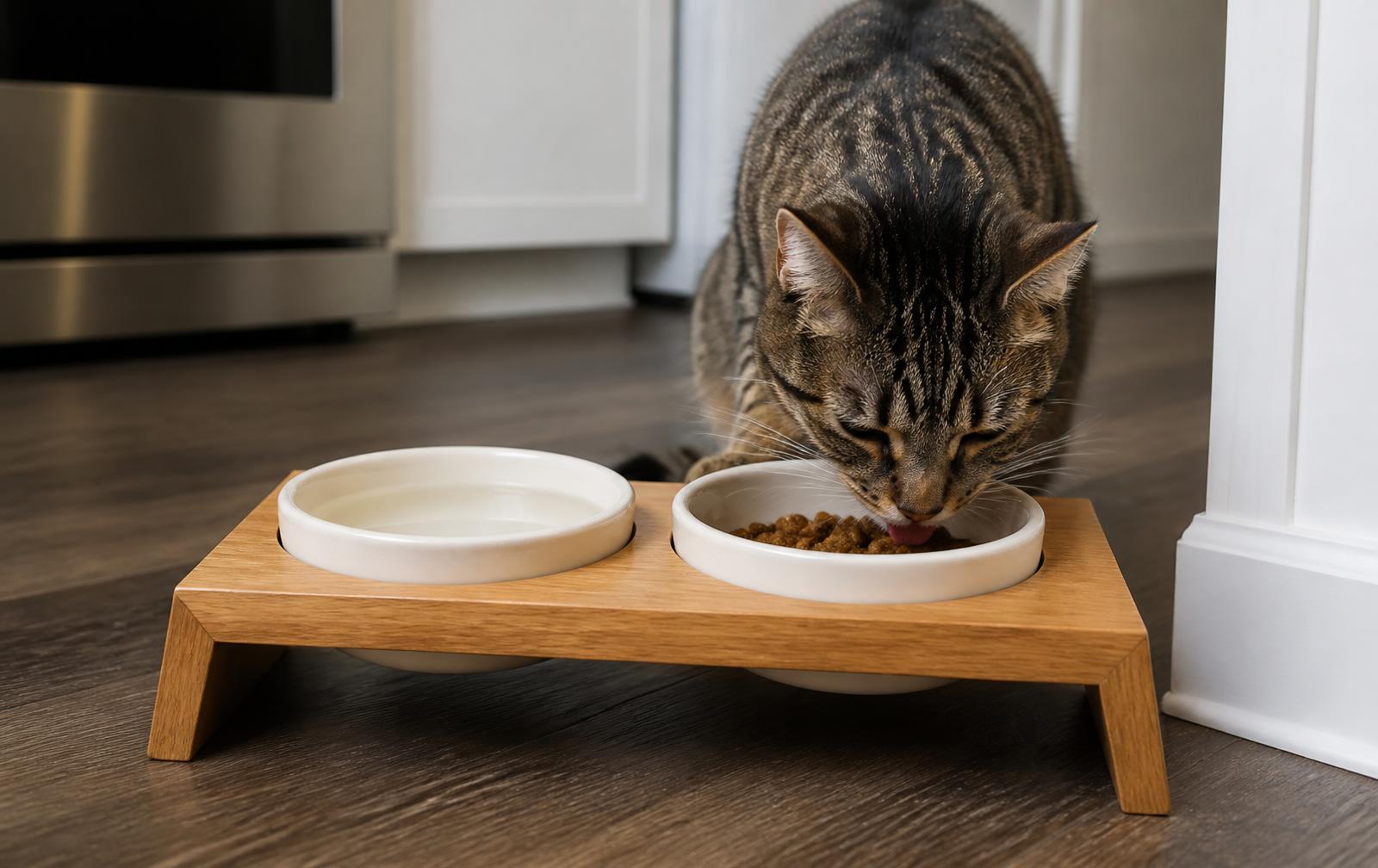
Food and Water Bowls: Material, Design, and Health Considerations
Compare cat food bowls and water bowls by material and design, including stainless steel bowls, to protect whisker health and hygiene.
Read more →