Grumpy Cat (Tardar Sauce): The Cat Who Meme'd Her Way to Fame
The real story behind Grumpy Cat, Tardar Sauce, and how a naturally grumpy-looking face turned one small cat into a global internet meme.
By the Cleos team · 5 April 2027 · 7 min read
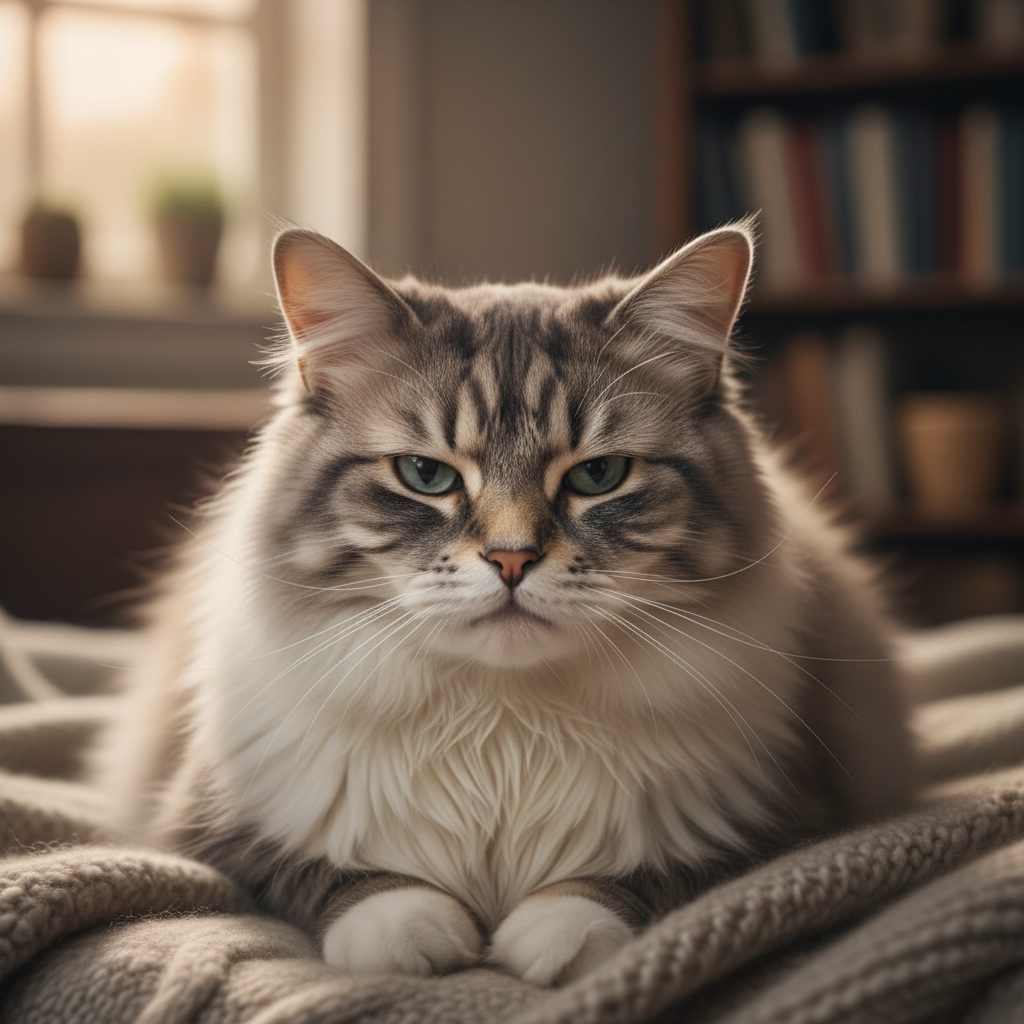
Before there were "cat influencers" with brand deals and media agents, there was a small tortoiseshell-and-white cat from Arizona with a permanently disapproving face. Grumpy Cat, whose real name was Tardar Sauce, became one of the defining images of internet culture in the early 2010s, and her scowl is still instantly recognisable more than a decade on.
Her story is a useful one for anyone curious about how internet fame actually works, and what it does and doesn't say about the cats behind the memes. In short: Grumpy Cat was a cat named Tardar Sauce whose naturally grumpy-looking face, caused by feline dwarfism and an underbite, turned her into a global meme and merchandising phenomenon after a photo of her went viral in 2012; she wasn't actually an unhappy cat, and her fame is a good reminder that a cat's expression rarely tells you the whole story about how they feel.
From Arizona Kitten to Global Meme
Tardar Sauce was born in April 2012 in Morristown, Arizona, and was adopted by the Bundesen family. Her unusual, permanently grumpy-looking expression came from a combination of feline dwarfism and an underbite, both of which affected the shape of her face without causing her any particular distress. She was, by most accounts from those who knew her, a fairly normal, affectionate cat who simply happened to look perpetually unimpressed.
Her rise to fame began when her owner's brother posted a photograph of her on Reddit in September 2012. The image spread rapidly, and within weeks Tardar Sauce had been rebranded by the internet as "Grumpy Cat" — a name that stuck for the rest of her life and became a registered trademark.
Why the Image Worked
Part of what made Grumpy Cat so shareable was how well her face lent itself to captioning. Meme culture at the time thrived on juxtaposing an image with unexpected or deadpan text, and her expression provided an endless, versatile canvas for jokes about disappointment, sarcasm, and Mondays. Unlike memes that rely on a single joke format, her face could be paired with almost any sentiment and still feel apt.
This is worth remembering with any viral pet content: virality often has more to do with how flexible or relatable an image is than with anything unusual happening to the animal itself.
The Business Behind the Meme
Grumpy Cat quickly moved from meme to full-blown media property. She appeared on major talk shows, was the subject of a television film, and had a line of books, calendars, toys, and even a branded coffee drink. Estimates of the revenue generated by Grumpy Cat-related merchandise and appearances ran into the millions of dollars over her lifetime, managed through a dedicated company set up by her owners.
A few milestones from her public life:
| Year | Milestone |
|---|---|
| 2012 | Original photo posted online; "Grumpy Cat" name coined |
| 2013 | Rapid growth in merchandising, media appearances, and meme culture presence |
| 2014 | Grumpy Cat's Worst Christmas Ever television film released |
| 2019 | Tardar Sauce passes away following complications from a urinary tract infection |
Her fame also led to legal action; her owners' company successfully sued a business for using her image on unlicensed products, an early example of how seriously "cat celebrity" branding came to be taken.
What Grumpy Cat's Face Actually Meant
It's worth being clear-eyed about this: Tardar Sauce's expression was a physical trait, not a mood. Feline dwarfism can affect limb length and proportions, and combined with her underbite, it gave her face a naturally downturned look. She wasn't scowling because she was unhappy, any more than a cat with naturally large eyes is permanently startled.
This is a genuinely important point for cat owners generally. A cat's resting facial structure, particularly around the mouth and brow, can look like an emotion it isn't actually expressing. Reading a cat's real mood relies far more on body language — tail position, ear orientation, posture, and vocalisation — than on facial expression alone. The Cornell Feline Health Center has useful resources on interpreting genuine feline body language, which is a far more reliable guide than any single photograph.
Lessons From Grumpy Cat for Everyday Cat Owners
Grumpy Cat's fame was built on novelty, but there are a few genuinely practical takeaways for anyone living with a real, non-famous cat at home.
- Appearance isn't temperament. Don't assume a cat with an unusual or "unfriendly" looking face is actually grumpy, aloof, or aggressive. Judge behaviour, not bone structure.
- Underlying conditions deserve attention. Dwarfism and jaw abnormalities like Tardar Sauce's can sometimes come with dental or feeding complications, so cats with distinctive facial structures should have these checked by a vet rather than assumed to be purely cosmetic.
- Genuine bonding matters more than image. Grumpy Cat's global fame never changed the basics of what she needed day to day: food, comfort, routine, and affection from her actual family.
- Positive experiences build a happier cat, regardless of face shape. Consistent, gentle interactions — including why cats love lickable treats as a bonding tool — do far more for a cat's wellbeing than anything to do with looks.
At Cleos, we think about this often: the cats we feed every day rarely look camera-ready, and that's exactly the point. A treat time ritual, like the ones described in bonding through treat time rituals, builds real trust regardless of whether your cat has an internet-famous face.
Reading a Cat's Real Mood
If you want to actually understand what your cat is feeling, rather than what their face might suggest at rest, look for signals such as:
- Tail held low or thrashing, which often indicates irritation or overstimulation
- Slow blinking towards you, generally a sign of trust and contentment
- Ears flattened sideways or backwards, usually a sign of anxiety or defensiveness
- Purring combined with relaxed body posture, typically genuine contentment
The ASPCA has detailed guidance on interpreting cat behaviour more broadly, which is worth a read for any owner trying to move beyond surface-level assumptions.
How Meme Fame Compares to Genuine Pet Wellbeing
It's tempting to look at Grumpy Cat's success and think virality is something worth chasing for its own sake. In reality, the vast majority of a famous cat's actual life happens off camera, in the same ordinary routines every cat needs: regular meals, a clean litter tray, safe spaces to rest, and consistent affection. Tardar Sauce's team was reportedly careful to keep her daily routine calm and predictable despite the public attention, scheduling appearances around her comfort rather than the other way around. That's a good instinct for any owner, famous cat or not: structure and predictability tend to reduce stress far more reliably than novelty or attention.
There's also a broader cultural footnote worth mentioning. Grumpy Cat arrived at a moment when "cat content" was becoming a recognisable internet genre in its own right, following earlier viral cats and paving the way for later ones. Her success demonstrated that a single distinctive animal, marketed consistently, could sustain years of public interest, a template that later influencer cats and even some pet brands have consciously followed since.
What This Means If You Share Your Own Cat Online
If you enjoy posting photos of your cat, Grumpy Cat's story offers a gentle reminder to keep their actual welfare central to how you do it:
- Never stage a photo in a way that causes your cat discomfort or stress, no matter how good the shot might look.
- Be cautious about captions that anthropomorphise a natural expression into an emotion, especially if it could encourage others to misjudge distress signals in their own cats.
- Remember that your cat's wellbeing doesn't depend on engagement numbers; it depends on the same fundamentals as any other cat's does.
Frequently Asked Questions
Was Grumpy Cat actually an unhappy or ill-tempered cat?
No. Her expression came from physical traits, feline dwarfism and an underbite, not from her mood. Owners and handlers who worked with her generally described her as a normal, affectionate cat.
What happened to Grumpy Cat?
Tardar Sauce passed away in 2019 after complications related to a urinary tract infection. She was around seven years old.
Can other cats have the same "grumpy" facial structure?
Yes, feline dwarfism and jaw irregularities occur in various cats and breeds. If your cat has an unusual facial structure, it's worth having a vet check for any related dental or feeding issues, since appearance alone won't tell you if there's an underlying concern.
Did Grumpy Cat's fame help other cats?
Indirectly, yes. Her popularity contributed to a broader cultural embrace of cats with unusual appearances, something that has also helped normalise adopting cats who don't fit a conventional "cute kitten" mould.
Whatever your own cat's resting face looks like, the fundamentals of a happy, healthy life stay the same: good nutrition, genuine attention, and treats that are worth showing up for. If you'd like to be first to try Cleos when we launch, join our waitlist.
Keep Cleos close
Get more Cleos stories on Google
Add Cleos as a preferred source to make our cat care guides easier to find in Google.
Add to Preferred SourcesFound this useful? Share it
Treats worth reading the label for.
Cleos lickable treats are built on real, named ingredients — Real Chicken, Real Tuna, Tuna & Shrimp and Chicken & Veggies — with zero artificial fillers.
Join the Cleos waitlistKeep reading
Travel Carriers and Cat Crates: Stress-Free Transport
Choose the right cat carrier or crate and learn practical tips for calmer vet visits, car trips, and moves with your feline companion.
Read more →
Pet Cameras and Monitoring: Tech for Checking on Your Cat
A practical guide to pet cameras and monitoring systems for cats, covering features, placement, and how to use them without over-worrying.
Read more →
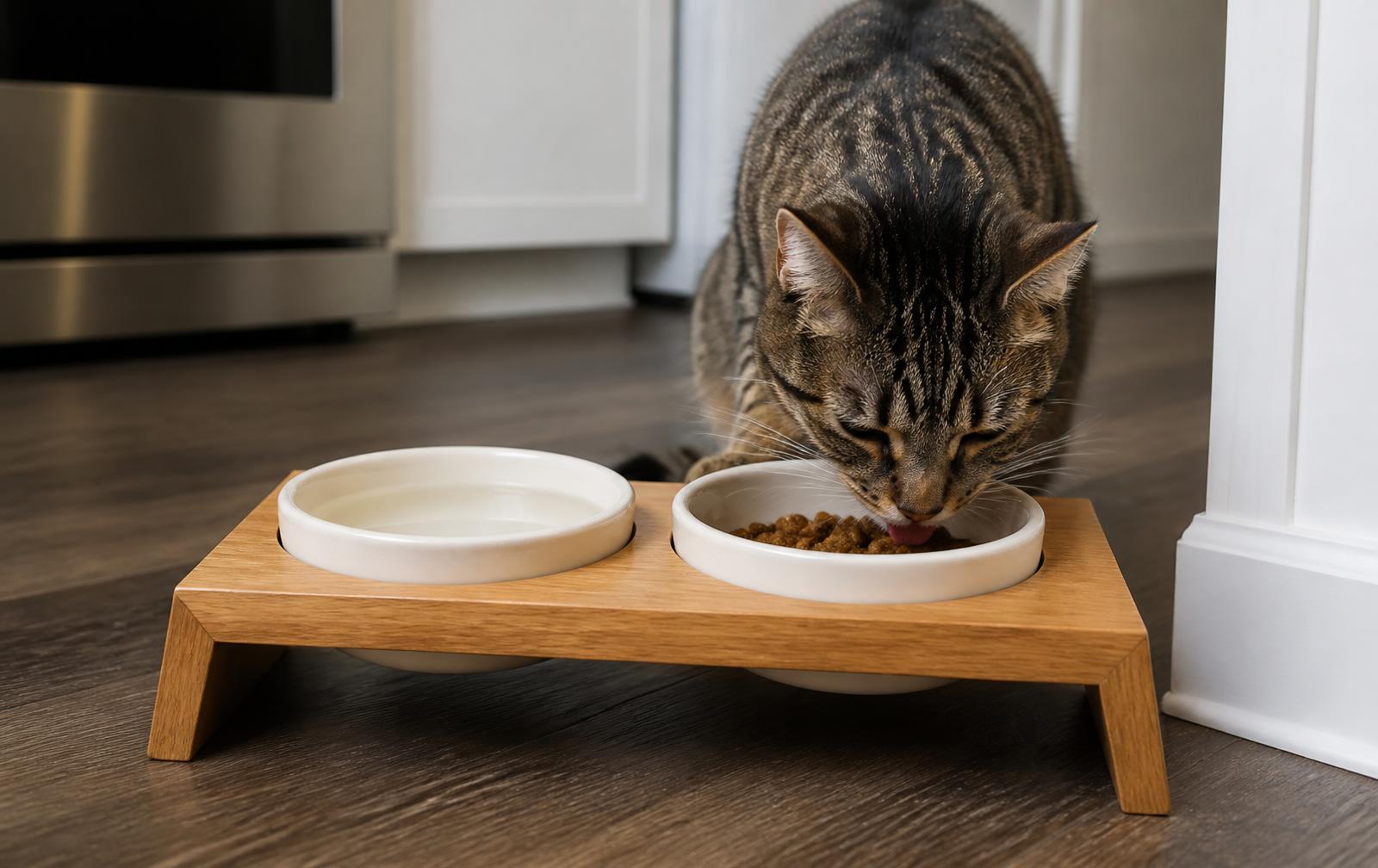
Food and Water Bowls: Material, Design, and Health Considerations
Compare cat food bowls and water bowls by material and design, including stainless steel bowls, to protect whisker health and hygiene.
Read more →