Cat in the Hat: A Beloved Character Across Decades
Explore the enduring charm of mischievous storybook cats and why playful, larger-than-life feline characters have captured generations of readers.
By the Cleos team · 14 June 2027 · 6 min read
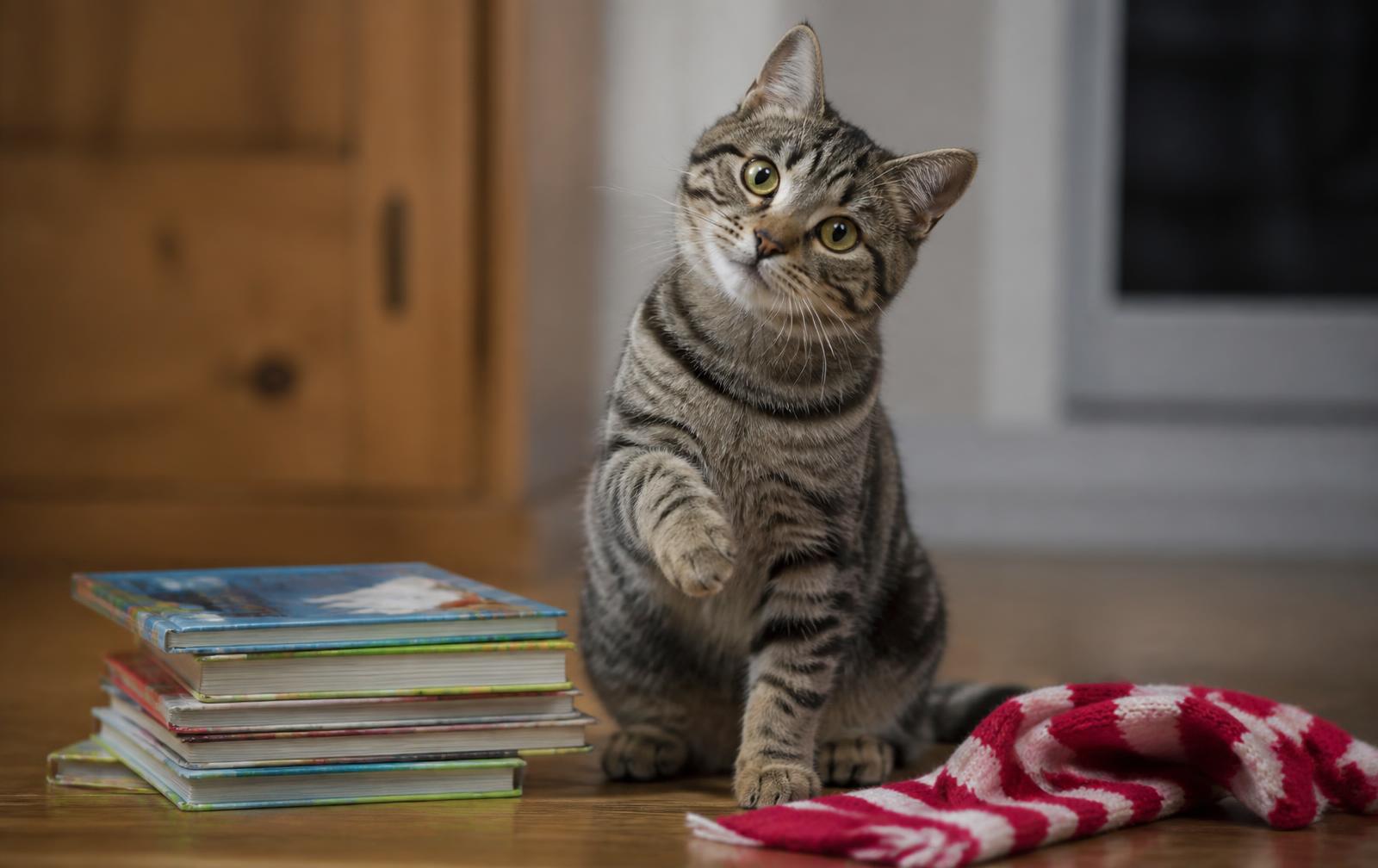
Few storybook creations have proven as durable as the tall, mischievous, impeccably confident cat who turns up uninvited and rearranges an entire afternoon in the space of a rhyming couplet. Generations of children have grown up on the idea of a cat who arrives during a boring, rainy day and leaves chaos, laughter, and a tidy house behind by the final page. That single character has shaped how millions of readers first encountered cats in fiction, long before they ever met one in real life.
This article looks at why this kind of playful, larger-than-life storybook cat has stayed so beloved across decades, what it gets right (and exaggerates) about real feline behaviour, and what it can teach modern cat owners about play and mischief in their own homes. In short: the enduring appeal of this classic character comes from pairing genuine feline traits, curiosity, cheek, and boundless energy, with a reassuring message that chaos can always be tidied away, a formula that has kept the story relevant for generations of readers and their pets alike.
A character built to last
Children's publishing has produced countless animal characters over the decades, but few have achieved the same lasting cultural footprint as this particular striped-hat-wearing troublemaker. Part of the reason lies in simple craft: short, punchy rhymes, bold illustrations, and a plot structure that even very young readers can follow from beginning to end. But part of it is also about the character itself, a cat who behaves exactly as cats are stereotypically imagined to behave, only turned up to a gleeful extreme.
The story taps into something every parent (and every cat owner) recognises: an ordinary, quiet day interrupted by an unstoppable burst of energy and curiosity, followed by delightfully improbable mess, and finally an equally improbable clean-up. It is a shape that mirrors real life with a cat in the house far more closely than most readers realise at first.
What the character gets right about cats
Exaggerated as it is, this kind of storybook cat draws on real feline tendencies that any owner will recognise:
- Sudden bursts of energy – cats often alternate between long rest periods and short, intense bouts of play or activity, sometimes called "zoomies."
- Boundless curiosity – cats investigate new objects, sounds, and spaces almost compulsively, especially in an unfamiliar or rearranged room.
- A flair for the dramatic – anyone who has watched a cat knock an item off a shelf while maintaining eye contact will recognise the theatrical streak.
- Total confidence – cats tend to move through a space as though they own it, regardless of whether they have been invited.
- An eventual return to calm – after a burst of chaos, cats typically settle down just as suddenly as they started.
Where fiction exaggerates real feline behaviour
Of course, no real cat produces two helpful little assistants from a box, balances a stack of household items on one paw, or tidies an entire living room in under a minute. The exaggeration is the joke, and it is part of why the character has stayed charming rather than alarming across so many reprints and adaptations.
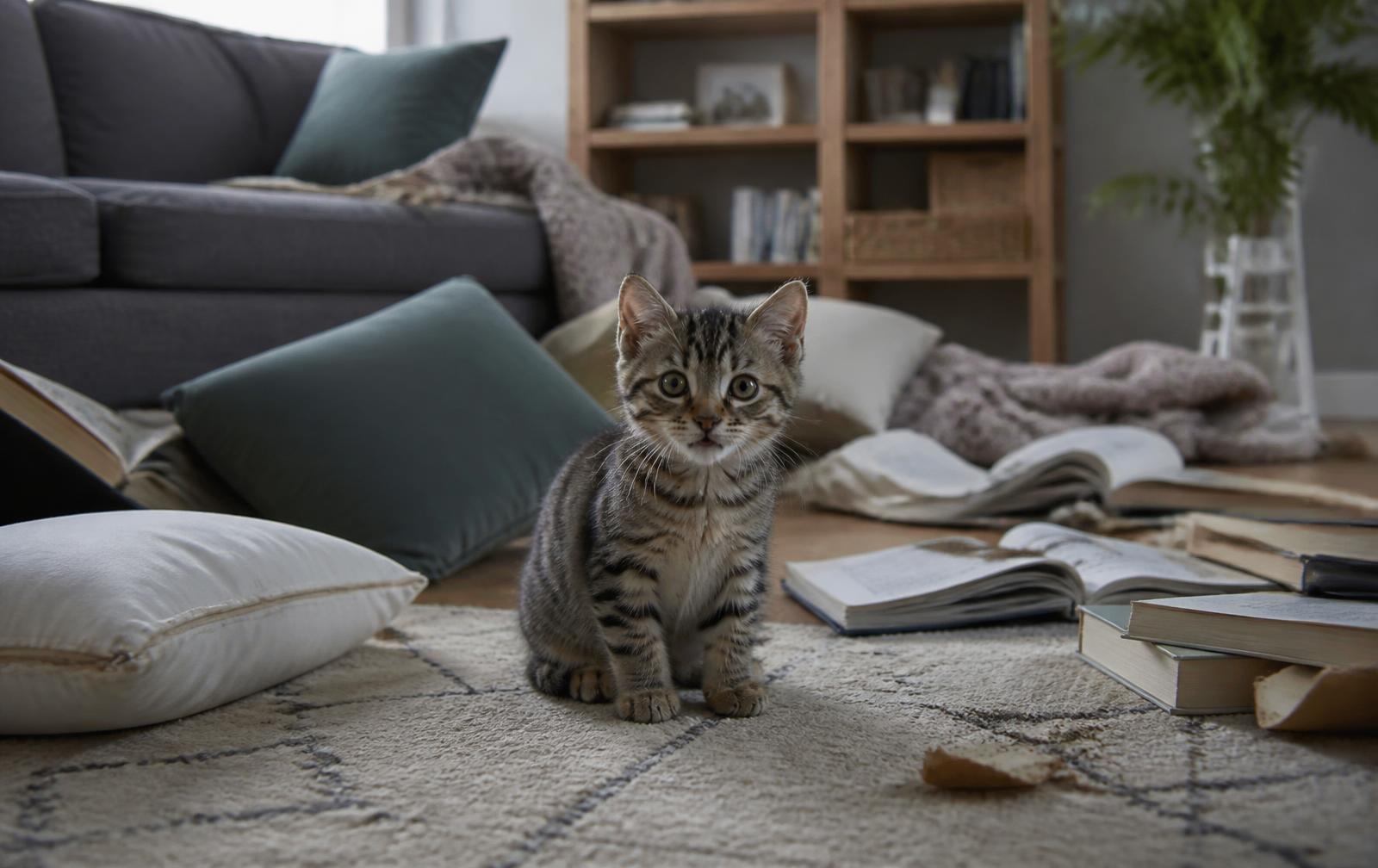
Real feline mischief usually looks a little different in practice: a knocked-over glass of water, a shredded roll of paper, or an ambush from behind the sofa. It is less dramatic than the storybook version, but the underlying impulse, curiosity plus energy plus supreme self-confidence, is exactly the same.
Why this archetype has stayed popular for decades
A few factors explain why this particular type of storybook cat character has remained a household name across so many years and so many households:
| Factor | Why it matters |
|---|---|
| Simplicity of design | Bold, recognisable visual style is easy for young children to identify and remember |
| Rhyme and rhythm | Read-aloud text supports early literacy, giving the story practical value beyond entertainment |
| Relatable chaos | The "mess then tidy" arc mirrors real parenting and pet-ownership experiences |
| Cross-generational appeal | Parents who grew up with the character often introduce it to their own children |
| Adaptability | The character and story have lent themselves to numerous formats and retellings over the years |
This mix of nostalgia, accessibility, and genuinely useful early-reading value is rare, and it is one of the main reasons the character has outlasted many contemporaries from the same era of children's publishing.
What real cat owners can learn from a mischievous storybook hero
Beyond nostalgia, there is a genuinely practical lesson in this kind of story for anyone sharing a home with an actual cat: energy needs an outlet. A bored, understimulated cat is far more likely to create their own version of storybook chaos, whether that means climbing curtains, redecorating a bookshelf, or waking you at 4am for a game of chase.
Structured, regular play sessions help redirect that natural curiosity and energy in a positive direction. The International Cat Care organisation and the AVMA both recommend short, frequent play sessions using interactive toys that mimic hunting behaviour, since this taps into a cat's natural instincts far more effectively than a single long session. Owners looking to build this into a daily routine may find our guide on clicker training your cat useful for turning that energy into structured, rewarding activity.
Treats can play a supporting role here too. A well-timed, high-quality treat at the end of a play session helps mark the "return to calm" moment, much like the tidy final page of a favourite story. This is part of why understanding why cats love lickable treats can be genuinely useful for owners trying to manage a particularly playful, mischievous cat.
A note on mischief and safety
It's worth remembering that real household mischief can sometimes cross into genuinely risky territory, unlike the tidy, consequence-free chaos of fiction. Knocked-over plants, chewed cords, or ingested small objects are real hazards. The ASPCA maintains useful resources on common household hazards for curious cats, which is well worth a look for any home with an especially adventurous feline resident.
The Cleos take: celebrating a cat's playful side, safely
At Cleos, we love that so much of children's culture celebrates the mischievous, curious, larger-than-life side of cats, because it is often exactly what makes them such wonderful, entertaining companions. Our lickable treats, made with clean, named ingredients and real protein, are designed to reward that same playful energy without compromising on nutrition, whether your cat's idea of mischief is a gentle paw swipe or a full living-room redecoration. If your own cat could use a better understanding of quality ingredients versus fillers, our piece on named ingredients versus mystery meat is a good place to start.
Frequently Asked Questions
Why do children's books so often feature mischievous cat characters?
Cats naturally combine curiosity, confidence, and sudden bursts of energy, all traits that make for compelling, funny storytelling. A mischievous cat character gives writers an easy way to introduce chaos and humour into an otherwise ordinary setting.
Is it normal for real cats to have sudden bursts of energy like this?
Yes. Many cats experience short periods of intense activity, sometimes called "zoomies," especially in the early morning or evening. This is normal behaviour, though very frequent or unusually intense bursts paired with other symptoms are worth mentioning to your vet.
How can I redirect my cat's mischievous energy safely?
Regular interactive play sessions, safe climbing spaces, and rotating toys can all help. The Cornell Feline Health Center offers useful, evidence-based guidance on feline enrichment and environmental needs.
Are storybook portrayals of cats an accurate guide to real feline behaviour?
Only loosely. They exaggerate real traits like curiosity and confidence for comic effect, but real feline mischief tends to be smaller in scale and, occasionally, genuinely hazardous, so it is worth taking basic household safety precautions.
Ready to reward your own household's favourite mischief-maker with a treat that is as high quality as it is enjoyable? Join the Cleos waitlist today.
Keep Cleos close
Get more Cleos stories on Google
Add Cleos as a preferred source to make our cat care guides easier to find in Google.
Add to Preferred SourcesFound this useful? Share it
Treats worth reading the label for.
Cleos lickable treats are built on real, named ingredients — Real Chicken, Real Tuna, Tuna & Shrimp and Chicken & Veggies — with zero artificial fillers.
Join the Cleos waitlistKeep reading
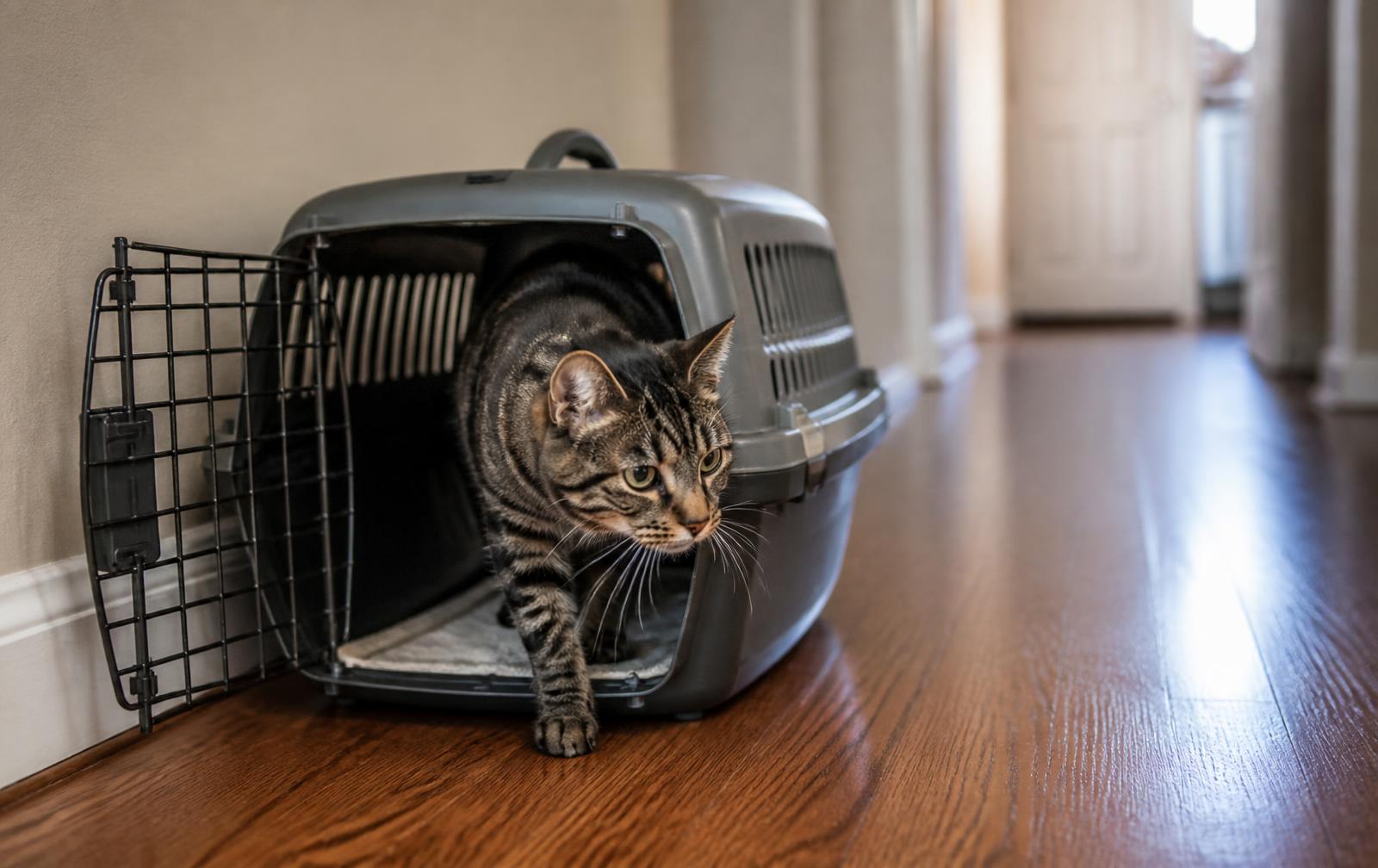
Travel Carriers and Cat Crates: Stress-Free Transport
Choose the right cat carrier or crate and learn practical tips for calmer vet visits, car trips, and moves with your feline companion.
Read more →
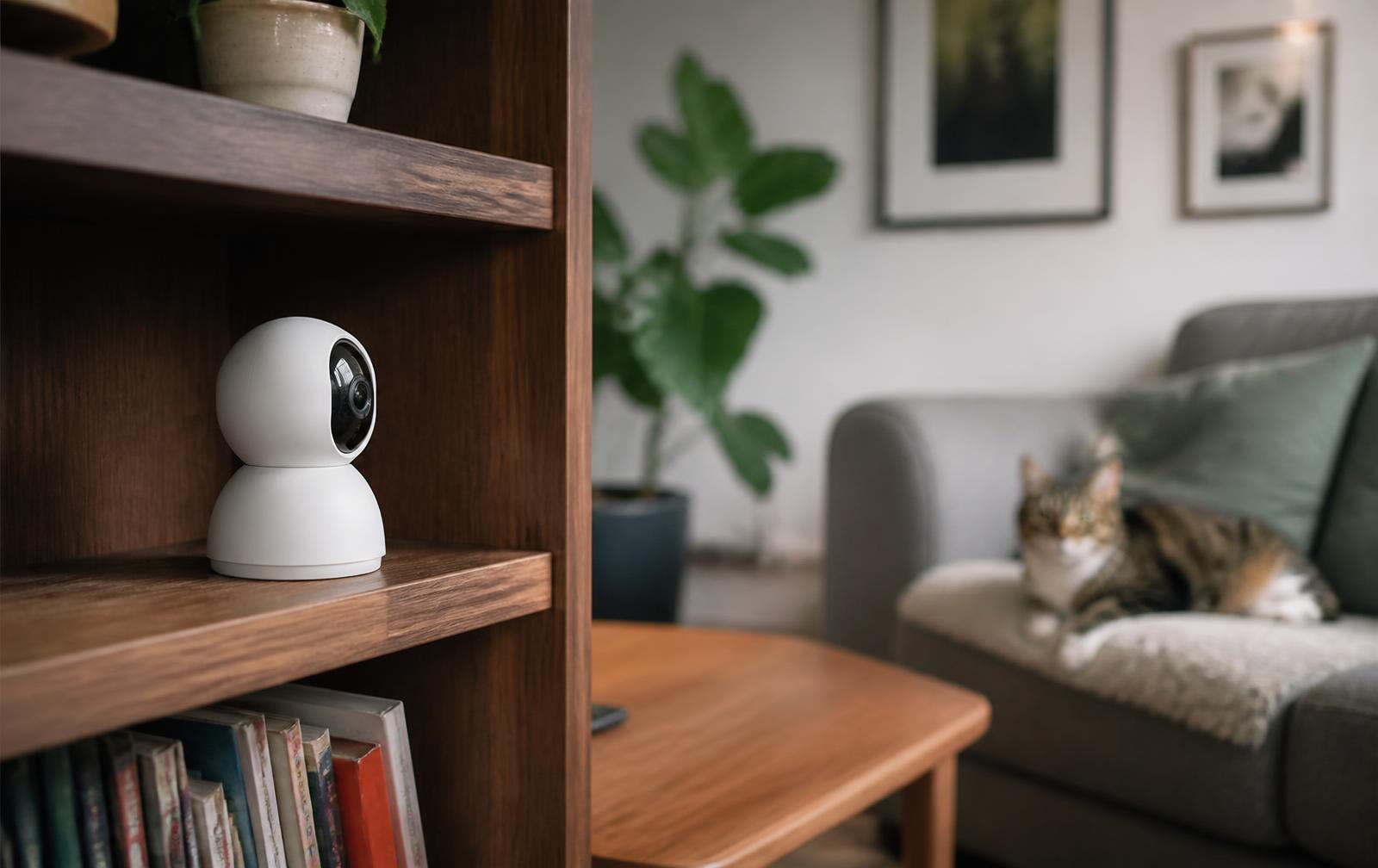
Pet Cameras and Monitoring: Tech for Checking on Your Cat
A practical guide to pet cameras and monitoring systems for cats, covering features, placement, and how to use them without over-worrying.
Read more →
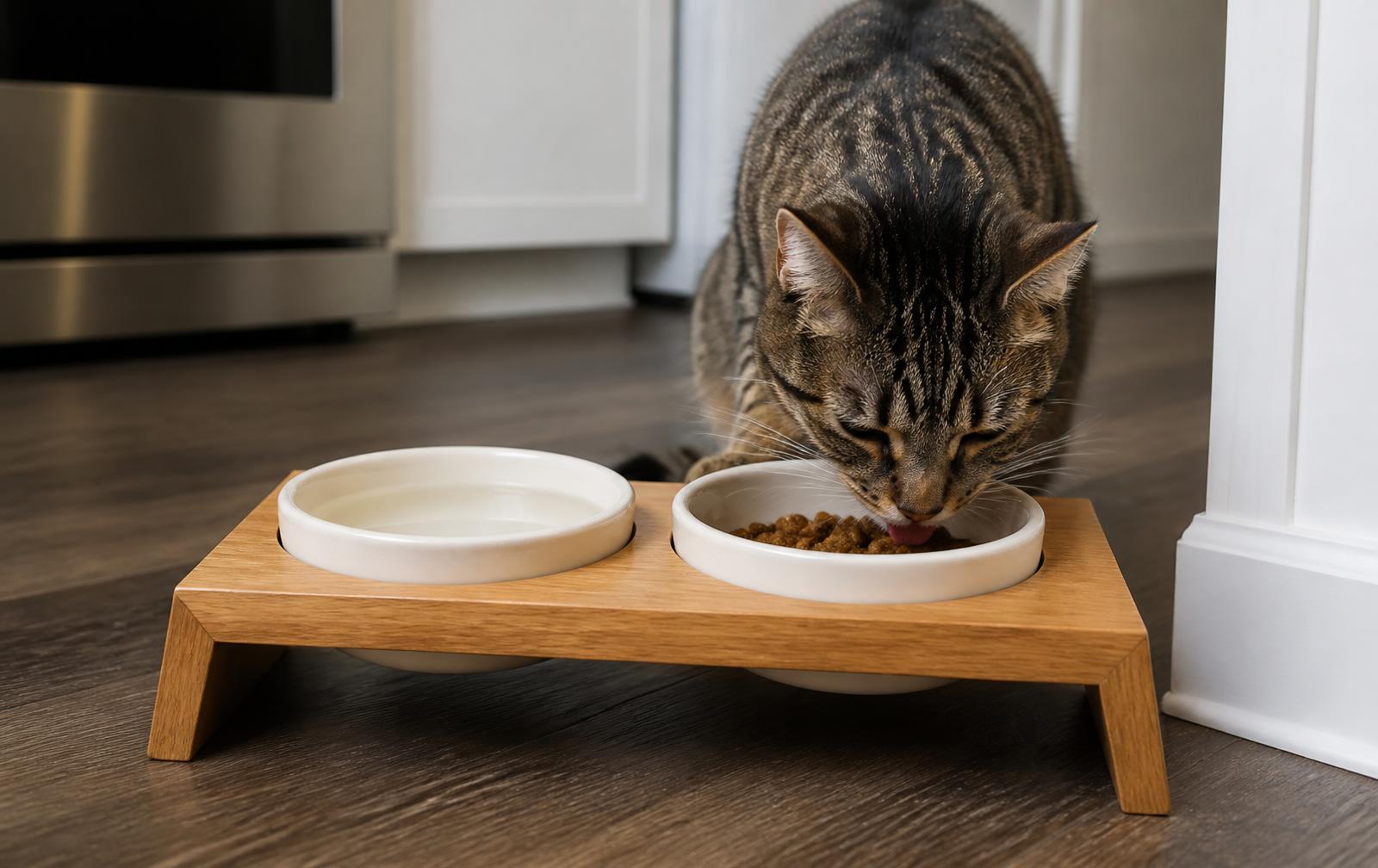
Food and Water Bowls: Material, Design, and Health Considerations
Compare cat food bowls and water bowls by material and design, including stainless steel bowls, to protect whisker health and hygiene.
Read more →