Liver Health in Cats: Nutrition and Prevention
Protect your cat's liver with smart nutrition, weight management and toxin awareness, and learn the early signs of feline liver disease.
By the Cleos team · 22 November 2027 · 4 min read
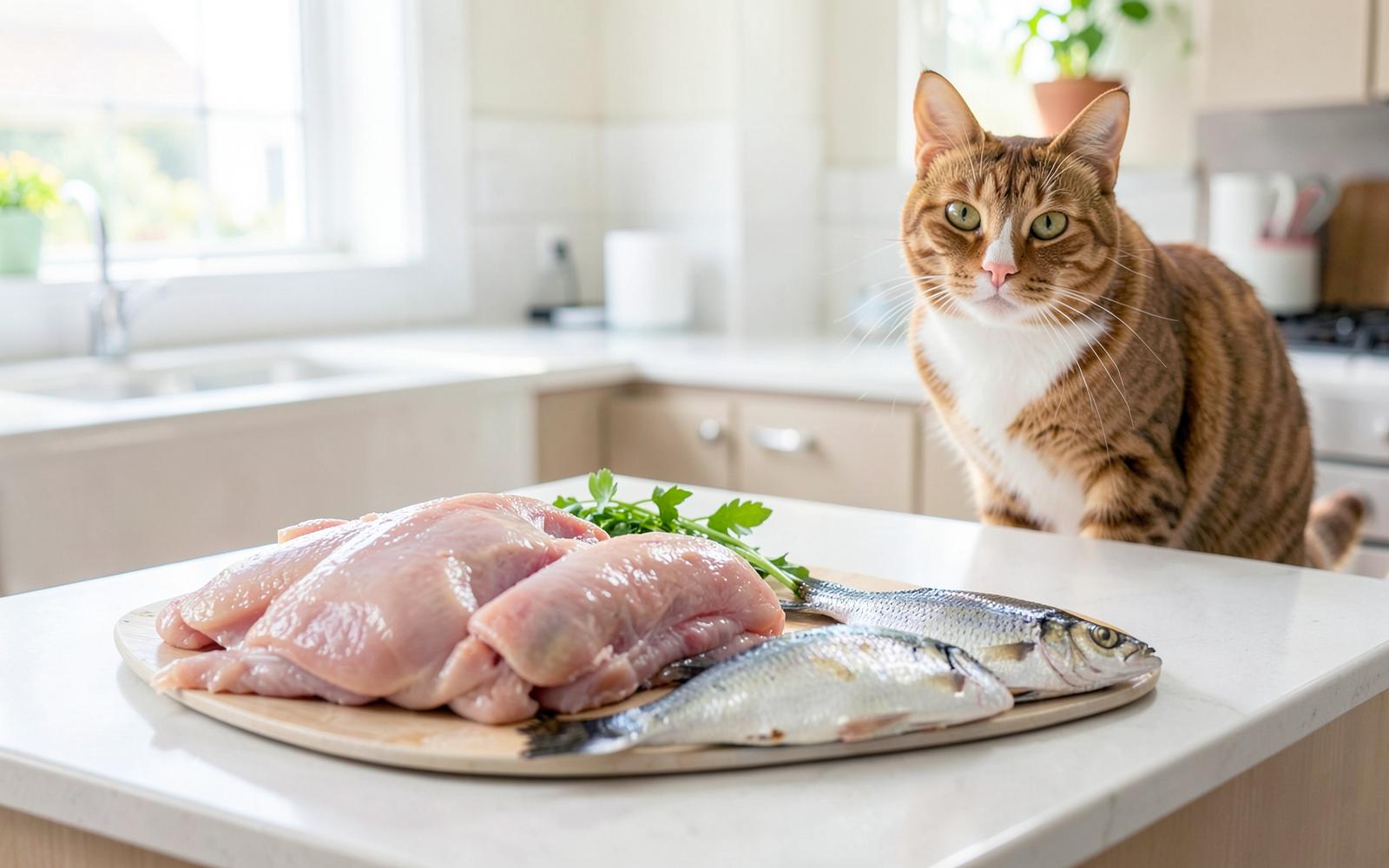
The liver is your cat's hardest-working internal organ, filtering toxins, processing nutrients, producing bile for digestion, and managing metabolism. When it struggles, the effects ripple across the whole body. The good news: much of feline liver health comes down to everyday nutrition and weight management choices you control.
In short: Feline liver disease ranges from hepatic lipidosis (fatty liver, a uniquely dangerous, often diet-triggered emergency in cats) to infections, toxins, and age-related changes. Early signs include appetite loss, lethargy, weight loss, vomiting, and jaundice (yellowing of gums, ears, or eyes). Prevention centres on maintaining a healthy weight, never letting a cat go without food for long, feeding quality protein-based diets, and avoiding toxins.
The Unique Risk: Hepatic Lipidosis
Cats have a liver vulnerability most species don't share. When a cat, especially an overweight one, stops eating for even a few days, the body mobilises fat stores for energy. In cats, this fat floods the liver faster than it can be processed, causing hepatic lipidosis (fatty liver disease). The liver swells, bile flow stalls, and without aggressive treatment, the condition is often fatal.
The cruel irony: the trigger is frequently something ordinary, stress from a move, a new pet, boarding, a diet change, or an illness that suppresses appetite. This is why:
- Any cat who stops eating for 24-48 hours needs veterinary attention: don't "wait and see"
- Overweight cats are at highest risk: yet another reason feline obesity prevention matters
- Weight loss must always be gradual: crash diets are dangerous for cats
Other Liver Threats
Toxins
Cats' livers lack certain enzymes other species have, making them poor at processing many compounds. Notable liver toxins for cats include:
- Paracetamol (acetaminophen): even small amounts are life-threatening
- Certain essential oils (tea tree, eucalyptus, others)
- Lilies and various houseplants (see foods and plants toxic to cats)
- Human medications of any kind, never administer without vet direction
Infections and Inflammation
Cholangitis (bile duct inflammation) and liver flukes occur in some regions. Bacterial infections can ascend from the gut.
Age and Chronic Disease
Senior cats commonly show declining liver values, and hyperthyroidism, very common in older cats, strains the liver as a secondary effect.
Early Warning Signs
Liver disease signs are frustratingly vague at first:
- Appetite loss or reduced eating: the most important early clue
- Lethargy and hiding
- Weight loss: sometimes rapid
- Vomiting or diarrhoea
- Increased thirst and urination
- Jaundice: yellow tint in the whites of the eyes, gums, or inner ear skin; a definitive red flag
- Distended belly from fluid accumulation in advanced disease
Because these signs overlap with many conditions, blood tests are how liver trouble gets caught. One reason annual (senior: twice-yearly) vet bloodwork matters.
Nutrition's Role in Liver Support
Quality Protein, Sensibly Sourced
The liver processes dietary protein, and cats need plenty of it. But quality matters. Highly digestible, real named animal protein (chicken, fish) produces less metabolic waste than low-quality meals and by-products. For cats with existing liver conditions, vets sometimes adjust protein type or amount. But healthy cats should never be put on low-protein diets, which harm them.
Fresh Ingredients
Minimally processed ingredients reduce the additive load the liver must filter. Diets and treats heavy in artificial colours, preservatives, and flavour enhancers add unnecessary work for the organ responsible for clearing them. Clean, short ingredient lists, the philosophy behind Cleos treats, are a liver-friendly choice by design.
Consistent Feeding
Regular meals keep metabolism stable. Long gaps, crash dieting, or erratic feeding stress the liver, especially in cats carrying extra weight.
Hydration
Adequate moisture supports bile production and the liver's filtration work. Wet food and hydrating treats contribute meaningfully.
Prevention Checklist
- Keep your cat lean: the single best protection against fatty liver
- Never let food strikes slide, 24-48 hours without eating warrants a vet call
- Lock away human medications and chemicals
- Choose clean-ingredient food and treats
- Annual bloodwork: twice yearly for seniors
- Gradual transitions for any diet change
Join the Cleos Waitlist: Cleos treats are built on fresh, real, named ingredients, nothing artificial for your cat's liver to process. Be first to try them at https://getcleos.in/#waitlist.
Frequently Asked Questions
How long can a cat safely go without eating?
Not long. And far less than most people assume. Overweight cats can begin developing hepatic lipidosis after just 2-3 days without food; even lean cats shouldn't go beyond 24-48 hours. If your cat skips more than a day of meals, contact your vet rather than waiting for appetite to return on its own.
Is liver disease in cats curable?
It depends on the cause. Hepatic lipidosis, caught early and treated aggressively with feeding support, has good survival rates. Infections and toxin exposure often respond to treatment. Chronic or advanced disease is managed rather than cured. Across all types, early detection dramatically changes outcomes, which is why vague signs like appetite loss deserve prompt attention.
Are certain cat breeds prone to liver problems?
No strong breed predisposition exists for most feline liver conditions, though Siamese and related breeds show higher rates of some liver and pancreatic inflammatory conditions. The dominant risk factors are obesity, toxin exposure, and age. All manageable regardless of breed.
Can diet reverse early liver changes?
For some diet-adjacent issues, yes, correcting obesity, improving food quality, and ensuring consistent nutrition can normalise mild liver enzyme elevations. But never attempt to treat suspected liver disease with diet changes alone; elevated liver values always need veterinary diagnosis first, since the right nutritional approach differs by condition.
Keep Cleos close
Get more Cleos stories on Google
Add Cleos as a preferred source to make our cat care guides easier to find in Google.
Add to Preferred SourcesFound this useful? Share it
Treats worth reading the label for.
Cleos lickable treats are built on real, named ingredients: Real Chicken, Real Tuna, Tuna & Shrimp and Chicken & Veggies. No artificial fillers.
Join the Cleos waitlistKeep reading
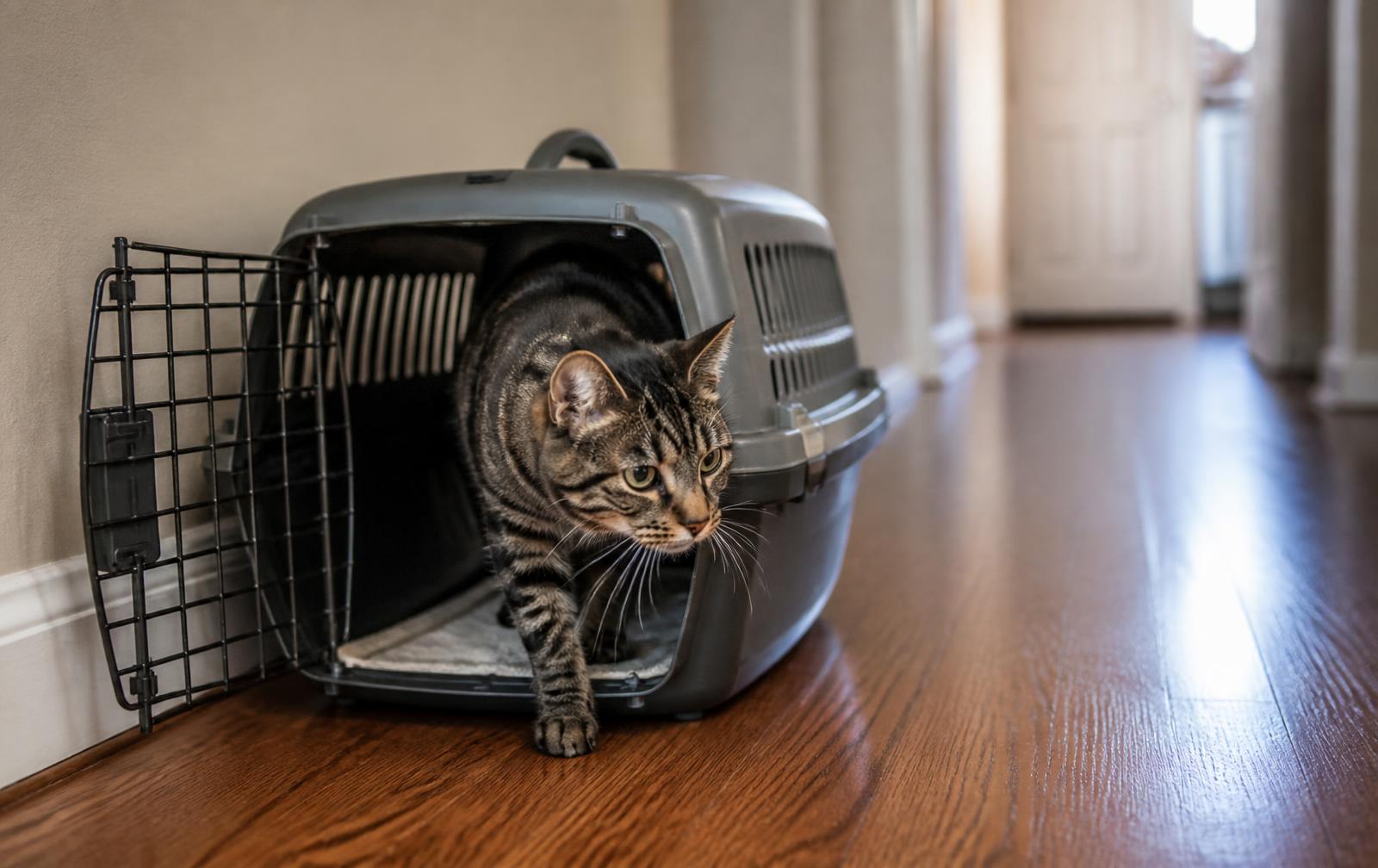
Travel Carriers and Cat Crates: Stress-Free Transport
Choose the right cat carrier or crate and learn practical tips for calmer vet visits, car trips, and moves with your feline companion.
Read more →
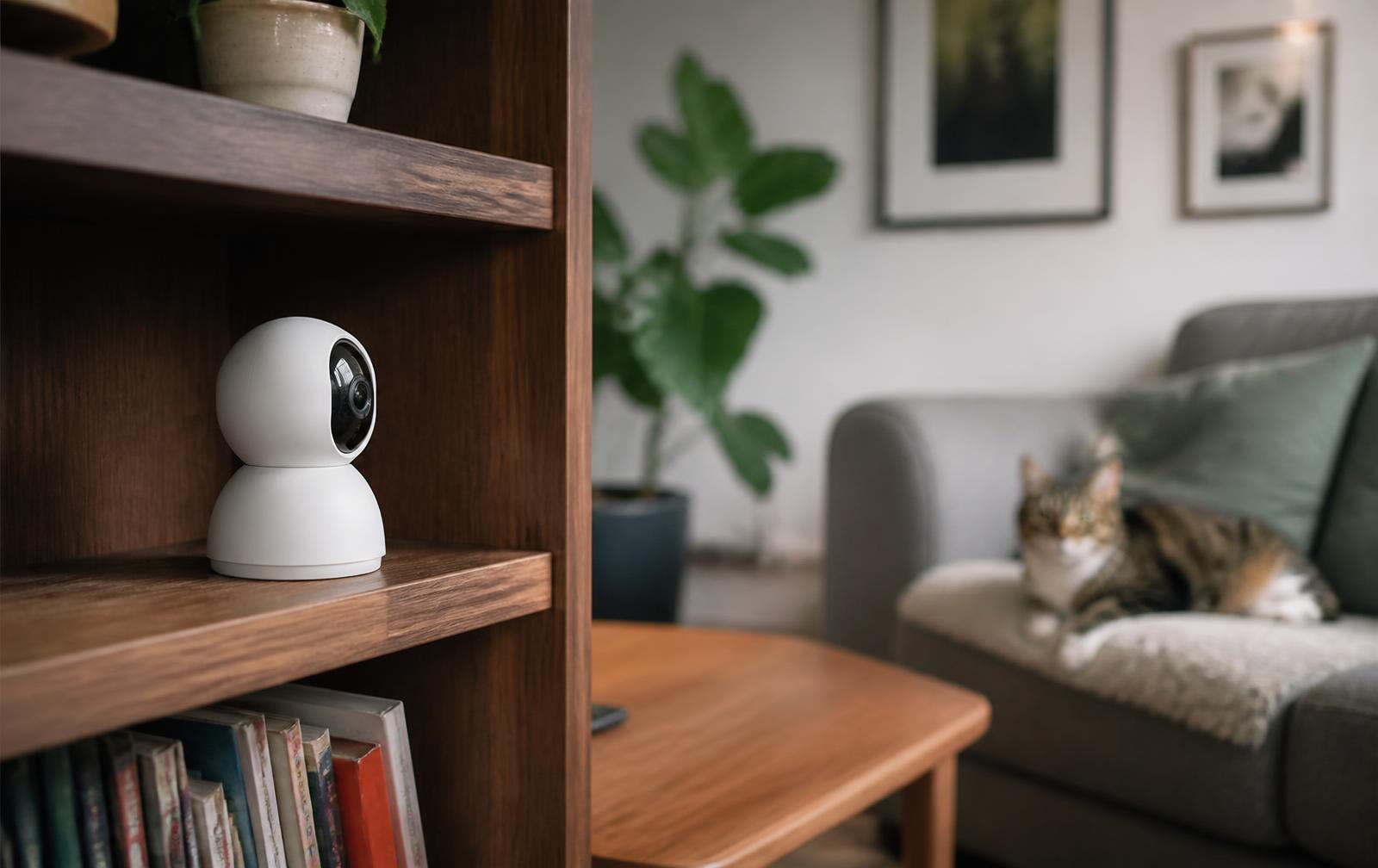
Pet Cameras and Monitoring: Tech for Checking on Your Cat
A practical guide to pet cameras and monitoring systems for cats, covering features, placement, and how to use them without over-worrying.
Read more →
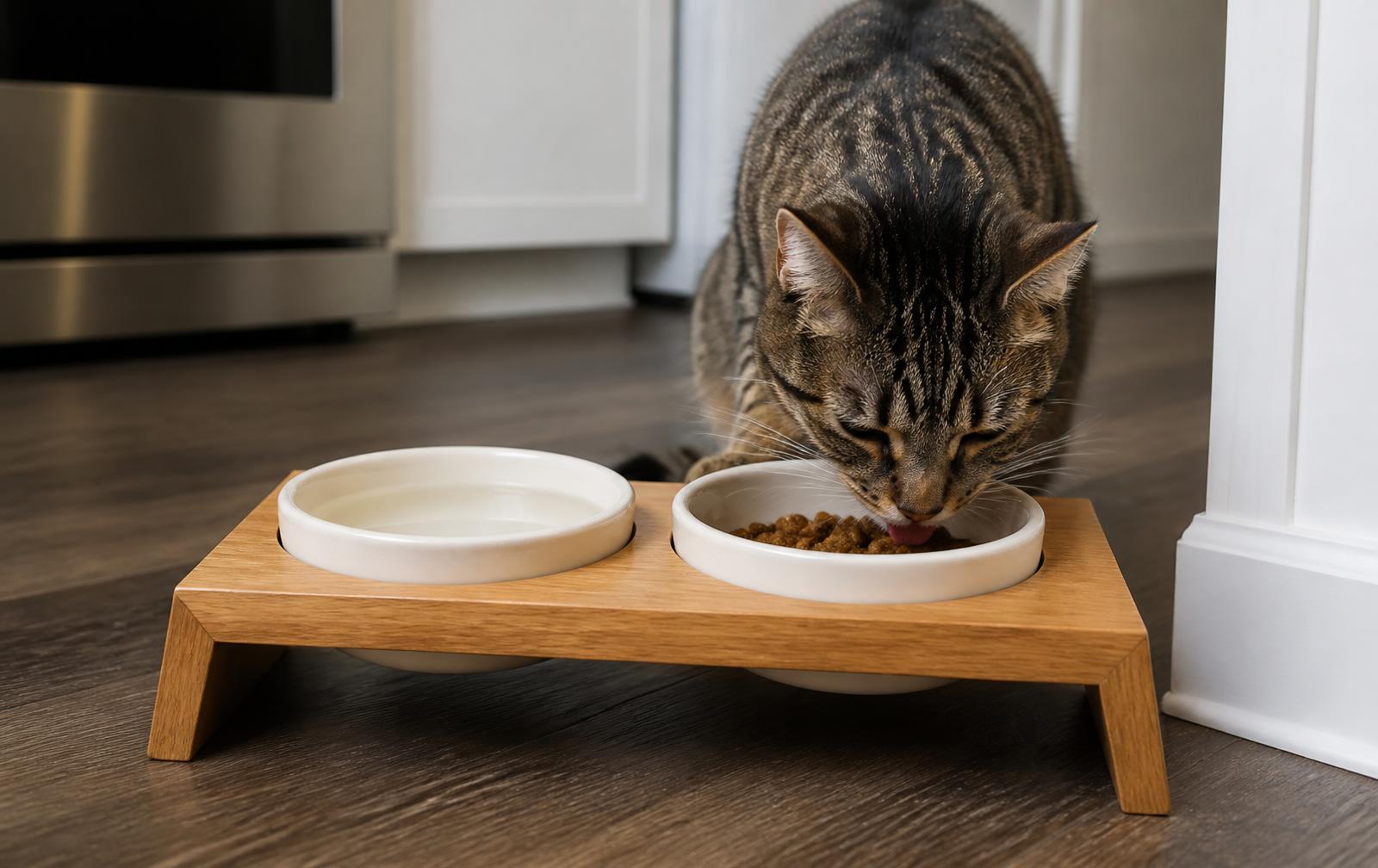
Food and Water Bowls: Material, Design, and Health Considerations
Compare cat food bowls and water bowls by material and design, including stainless steel bowls, to protect whisker health and hygiene.
Read more →