Hello Kitty: From 1974 to Now (The Brand That Never Aged)
The story of Hello Kitty, Sanrio's bow-wearing icon, from her 1974 debut to a global lifestyle brand loved across generations.
By the Cleos team · 31 May 2027 · 8 min read
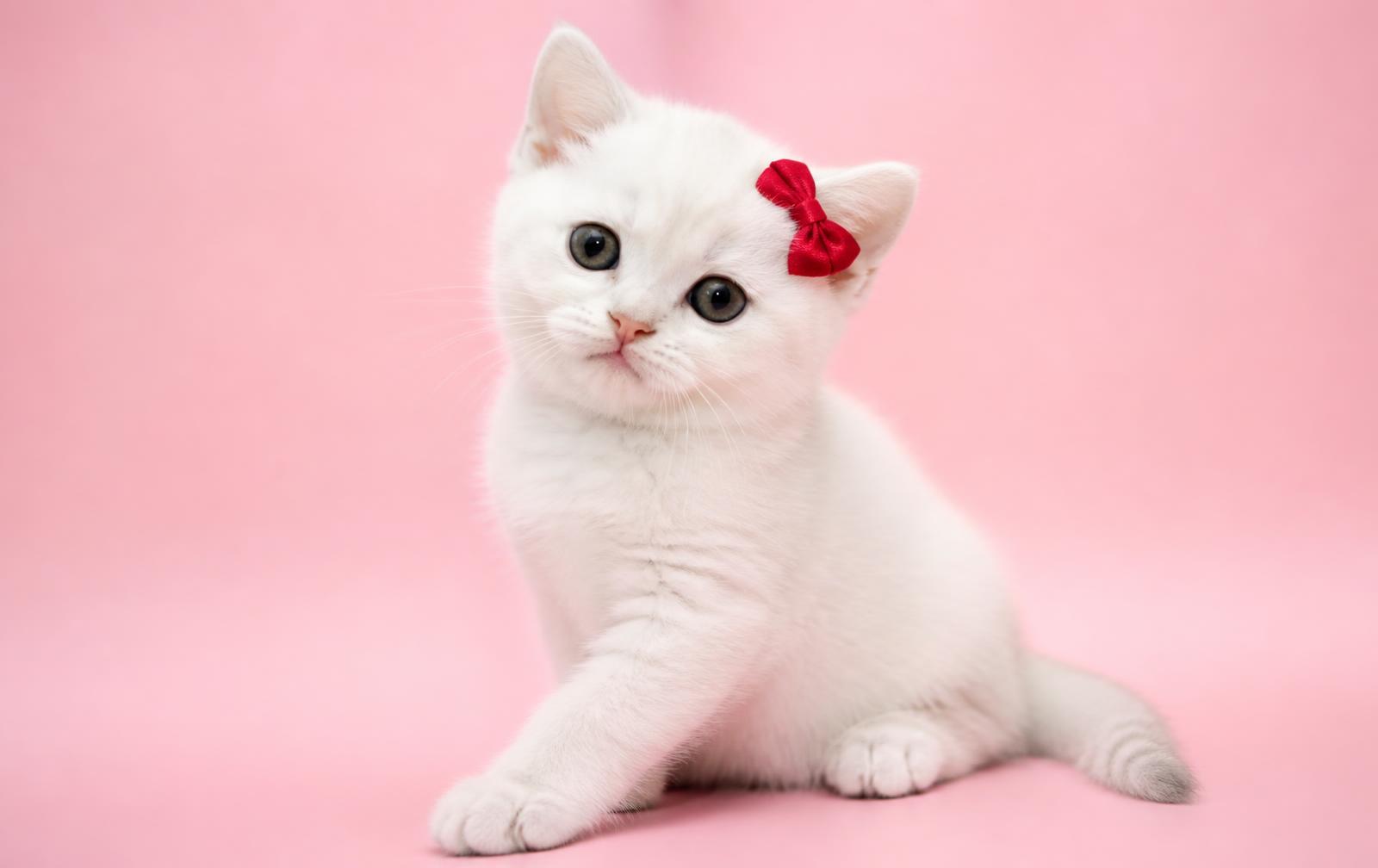
She has no mouth, wears a red bow, and has outlasted almost every fashion trend since the 1970s. Hello Kitty is one of the most recognisable characters on earth, gracing everything from stationery to sports cars to five-star hotel suites, and yet the character herself has barely changed in nearly fifty years.
How has a simple white cat character stayed relevant for five decades? In short: Hello Kitty's blank, expressionless face lets fans project their own emotions onto her, and Sanrio's disciplined licensing strategy has kept her fresh through constant collaborations while never altering her core design.
Who Actually Is Hello Kitty?
Contrary to popular belief, Hello Kitty is not a cat in the traditional pet sense within her own official lore. Sanrio describes her as a "personified" character, a young girl who happens to look like a white cat, complete with a family, favourite hobbies, and a home in London. Her full name is Kitty White, and she was designed by Yuko Shimizu for Sanrio, the Japanese company famous for its cute, or "kawaii," merchandise.
She first appeared in Japan in 1974 on a small vinyl coin purse, arriving in the United States market the following year. The timing mattered. Post-war Japan was building a soft-power export industry around cuteness, and Sanrio had already found early success with characters aimed at children and teenage girls. Hello Kitty simply became the most enduring of them.
The Design Choices That Made Her Timeless
Several deliberate design decisions have helped Hello Kitty age gracefully where other characters have not.
- No mouth. This is the most talked-about feature of her design. Sanrio has explained that the absence of a mouth allows people looking at her to feel however they feel, happy, sad, or anything in between, and to see their own emotion reflected back rather than a fixed expression.
- A minimal, symmetrical face. Her proportions are simple enough to reproduce cleanly at any size, from a keychain charm to a billboard, which makes her endlessly licensable.
- A neutral colour palette. White fur with a red bow (though the bow colour and outfit rotate seasonally) keeps the base design flexible for collaborations without ever looking out of place.
- Consistent characterisation. Sanrio maintains an official backstory: she is a third-grader from London, loves baking, and has a twin sister named Mimmy. This lore rarely changes, which builds long-term trust with collectors and parents who grew up with her.
A Brand Built on Collaboration, Not Reinvention
Rather than redesigning Hello Kitty to chase trends, Sanrio has kept the character constant and instead partnered with other brands and artists to keep her culturally current. Over the decades she has appeared in collaborations spanning high fashion, fine dining, sneakers, cosmetics, and technology accessories. Limited-edition drops create urgency and keep long-time fans engaged, while new audiences are introduced to her through partners they already follow.
This approach has helped Hello Kitty move fluidly between being a children's character and an adult lifestyle icon, sometimes within the same household, as parents who owned Hello Kitty items in the 1980s and 1990s now buy them again as design-conscious adults or for their own children.
A Snapshot of Her Evolution
| Era | Cultural Positioning | Typical Products |
|---|---|---|
| 1970s–1980s | Cute novelty gift item for children | Coin purses, stationery, lunchboxes |
| 1990s–2000s | Global licensing expansion | Toys, apparel, themed cafes |
| 2010s | Nostalgia meets adult fandom | Fashion collaborations, cosmetics, jewellery |
| 2020s | Multi-generational lifestyle brand | Home decor, tech accessories, luxury collaborations |
Why Longevity Like This Is Rare
Most character brands either fade after their original generation of fans grows up, or they attempt a redesign that alienates loyal audiences. Hello Kitty has avoided both traps by treating consistency as a feature rather than a limitation. Anyone encountering her for the first time today sees essentially the same character their grandparents might have seen decades ago, and that stability itself has become part of the appeal.
There is also a lesson here that resonates well beyond stationery and toys: trust is built by staying recognisable and dependable over time, not by constantly reinventing what a brand stands for. It is a philosophy we think about at Cleos too, where we would rather perfect a genuinely good lickable treat made with clean, named ingredients than chase short-term novelty. If you enjoy thinking about what makes cats (real ones, not cartoon ones) happy, you might also like our piece on why cats love lickable treats.
Hello Kitty and Real Cats: An Important Distinction
It is worth remembering that Hello Kitty, however cat-like in appearance, is a fictional character and not a model for real feline care. If her design has put you in a cat-loving mood, it is a good moment to think about your own cat's wellbeing. Reputable sources such as the Cornell Feline Health Center and International Cat Care offer excellent, evidence-based guidance on nutrition, enrichment, and behaviour for real cats, which is a rather different world from bows and pastel merchandise. If your cat could use more enrichment at home, our guide to cat scratching posts is a practical place to start, and treat time is another lovely daily ritual worth getting right.
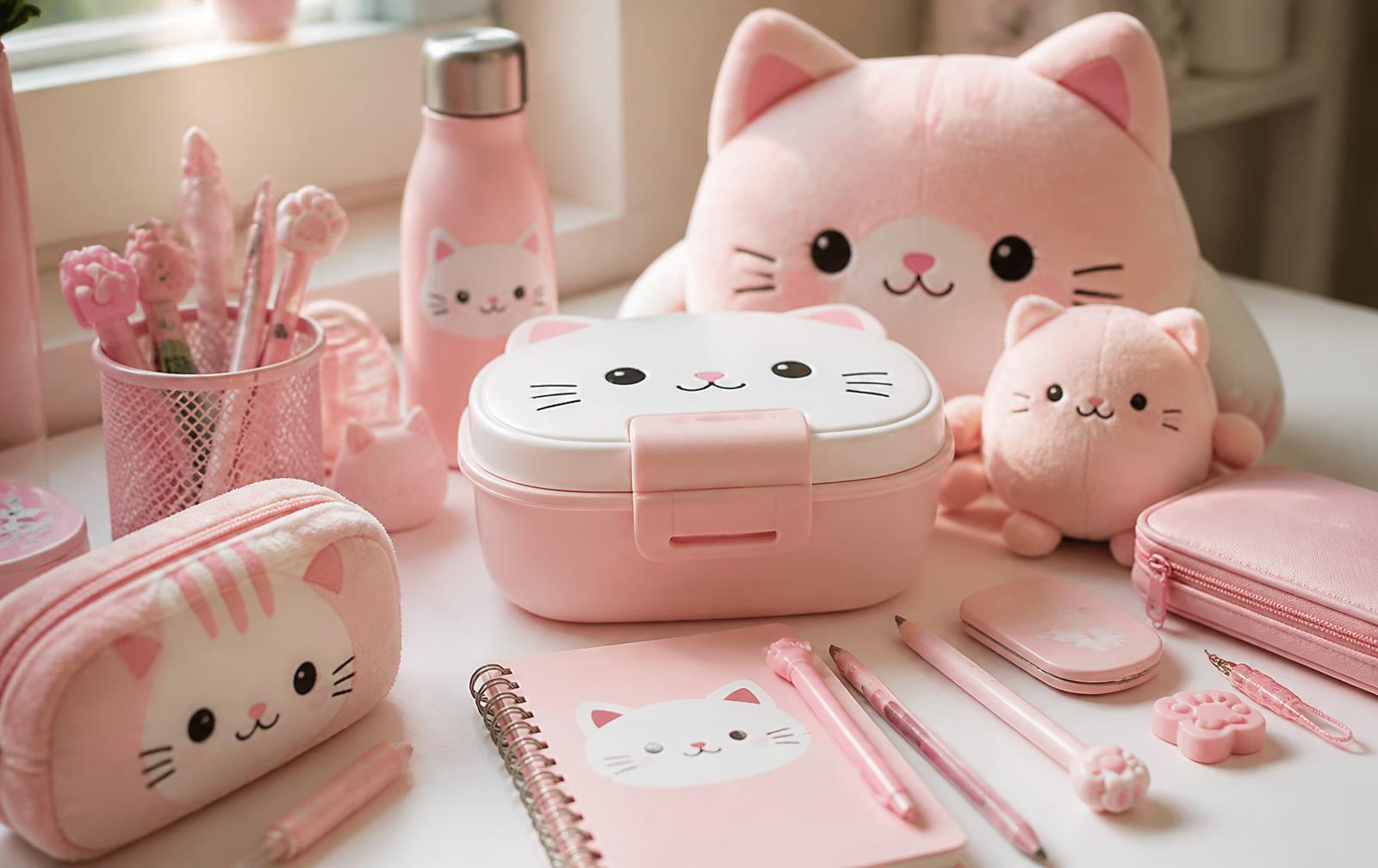
What the Brand Teaches Us About Longevity
Hello Kitty's story is really a case study in restraint. Sanrio resisted the temptation to modernise her face, add complex backstories, or chase every passing trend with a redesign. Instead, the brand let the world come to her through collaborations, while keeping the core character exactly as recognisable as she was in 1974. Few brands, in any category, manage to stay this consistent for this long while remaining genuinely popular rather than merely nostalgic.
Frequently Asked Questions
Why doesn't Hello Kitty have a mouth?
Sanrio has stated that the lack of a mouth allows people to project their own feelings onto her rather than reading a fixed expression, which is part of why she resonates with such a wide, multi-generational audience.
Is Hello Kitty actually a cat?
According to Sanrio's official lore, she is a personified character, a young girl named Kitty White who has a cat-like appearance, rather than a cat in the literal sense.
When did Hello Kitty first appear?
She debuted in Japan in 1974 on a small coin purse before being introduced to the American market shortly after.
Why has Hello Kitty remained popular for so long?
A consistent, simple design combined with an ongoing strategy of collaborations with other brands has kept her culturally relevant without ever needing a major redesign.
If thinking about beloved cat characters has you wanting to spoil your own real-life feline, join the Cleos waitlist for clean, honestly-made lickable treats your cat will actually love.
The Global Business Behind the Bow
It is easy to think of Hello Kitty purely as a nostalgic character, but behind the cute exterior sits a genuinely sophisticated licensing business. Sanrio does not typically manufacture most Hello Kitty products itself. Instead, the company licenses the character's image to hundreds of partner brands across categories as varied as stationery, apparel, cosmetics, homeware, food packaging, and theme parks. Each licensing deal is carefully managed to protect the character's tone: playful, gentle, and never edgy in a way that might alienate long-time fans or parents buying for young children.
This model has several advantages. It spreads risk across many partners rather than concentrating it in one manufacturing arm, it allows Sanrio to enter categories quickly without building new factories or supply chains, and it lets the brand ride the coattails of whichever trend or partner brand is currently popular, from sneaker culture to luxury fashion houses. When a collaboration underperforms or feels off-brand, Sanrio can simply let the licence lapse without damaging the core character, since Hello Kitty herself was never redesigned to fit that particular partnership in the first place.
Regional Differences in How She Is Perceived
Interestingly, Hello Kitty is not perceived identically everywhere. In Japan, she sits within a much broader ecosystem of Sanrio characters and kawaii culture generally, appealing across a wide age range as one beloved character among many. In the United States and Europe, she has often skewed toward being seen as a nostalgic 1990s and 2000s icon, closely tied to a specific generation's childhood memories, which is partly why adult fashion collaborations aimed at millennials have performed so well in Western markets. In other parts of Asia and Latin America, she has become deeply embedded in everyday retail and food culture, appearing on products from bakeries to convenience store snacks. Sanrio's willingness to let regional markets shape how heavily they lean into different aspects of her personality, rather than forcing one global marketing message, has helped the brand stay culturally sensitive and locally relevant even while the character itself never changes.
Lessons for Modern Brands
There is genuine value in studying Hello Kitty as a brand case study, even for categories that have nothing to do with cute Japanese characters. Three lessons stand out. First, consistency compounds. A brand that looks and feels the same in ways that matter, decade after decade, earns a kind of trust that flashier, constantly rebranding competitors rarely achieve. Second, collaboration can substitute for reinvention. Rather than changing your core product to chase a trend, partnering with someone already popular in that trend can achieve the same relevance without diluting your identity. Third, simplicity scales. A design (or a product) that is easy to understand and reproduce travels further, across more formats, countries, and generations, than something intricate and hard to adapt.
At Cleos, these are principles we hold onto deliberately. Rather than adding artificial flavours or complicated ingredient lists to chase short-term trends, we keep our formulations simple, clean, and consistent, trusting that cats (and their owners) will recognise and reward genuine quality over time, much as generations of Hello Kitty fans have recognised and rewarded a character that never needed to change to stay loved.
Keep Cleos close
Get more Cleos stories on Google
Add Cleos as a preferred source to make our cat care guides easier to find in Google.
Add to Preferred SourcesFound this useful? Share it
Treats worth reading the label for.
Cleos lickable treats are built on real, named ingredients — Real Chicken, Real Tuna, Tuna & Shrimp and Chicken & Veggies — with zero artificial fillers.
Join the Cleos waitlistKeep reading
Travel Carriers and Cat Crates: Stress-Free Transport
Choose the right cat carrier or crate and learn practical tips for calmer vet visits, car trips, and moves with your feline companion.
Read more →
Pet Cameras and Monitoring: Tech for Checking on Your Cat
A practical guide to pet cameras and monitoring systems for cats, covering features, placement, and how to use them without over-worrying.
Read more →
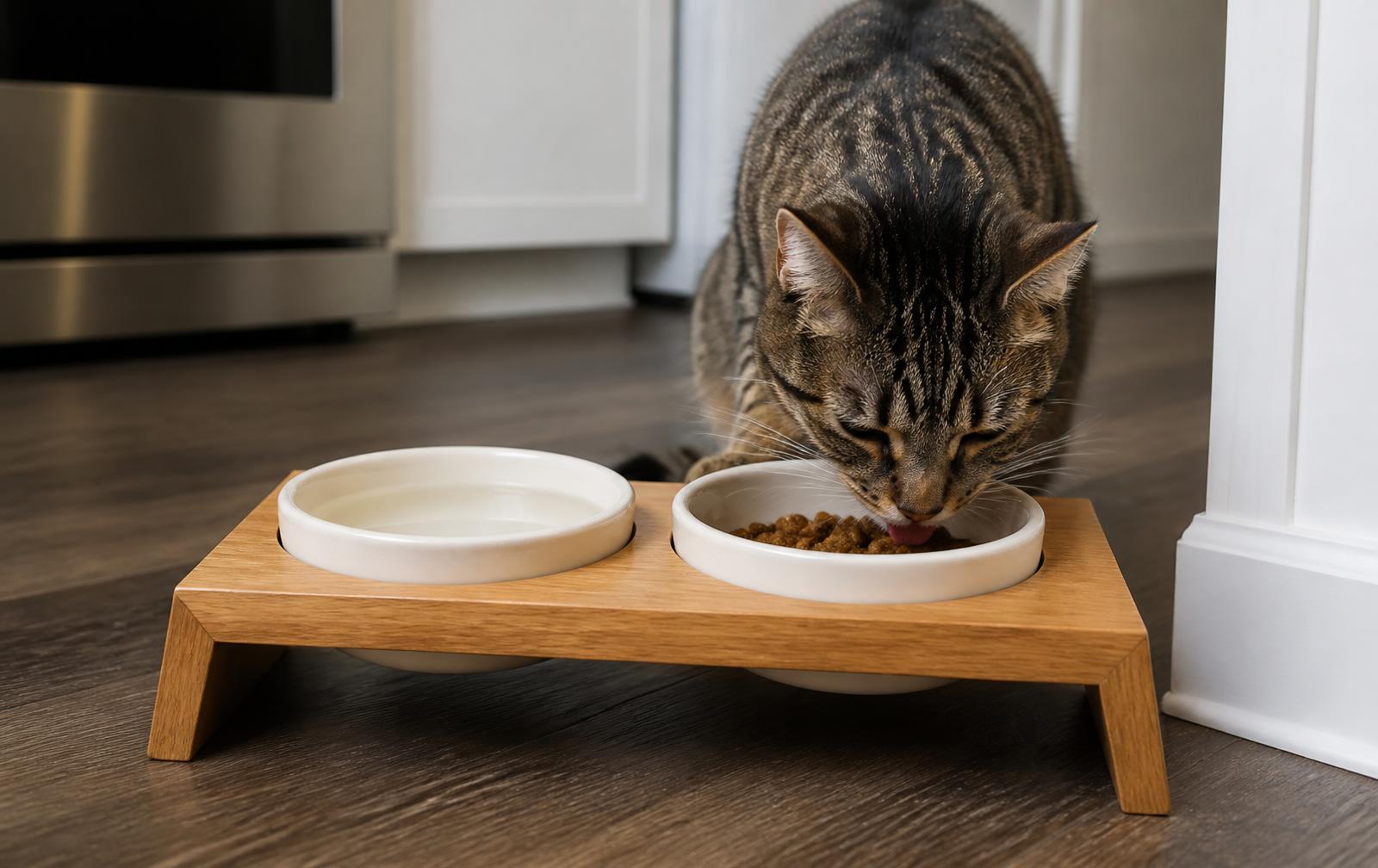
Food and Water Bowls: Material, Design, and Health Considerations
Compare cat food bowls and water bowls by material and design, including stainless steel bowls, to protect whisker health and hygiene.
Read more →