Feline Immunodeficiency Virus (FIV): Living with an FIV+ Cat
A vet-informed guide to caring for FIV+ cats, covering diagnosis, indoor lifestyle, vet monitoring, and nutrition's role in immune support.
By the Cleos team · 16 November 2026 · 8 min read
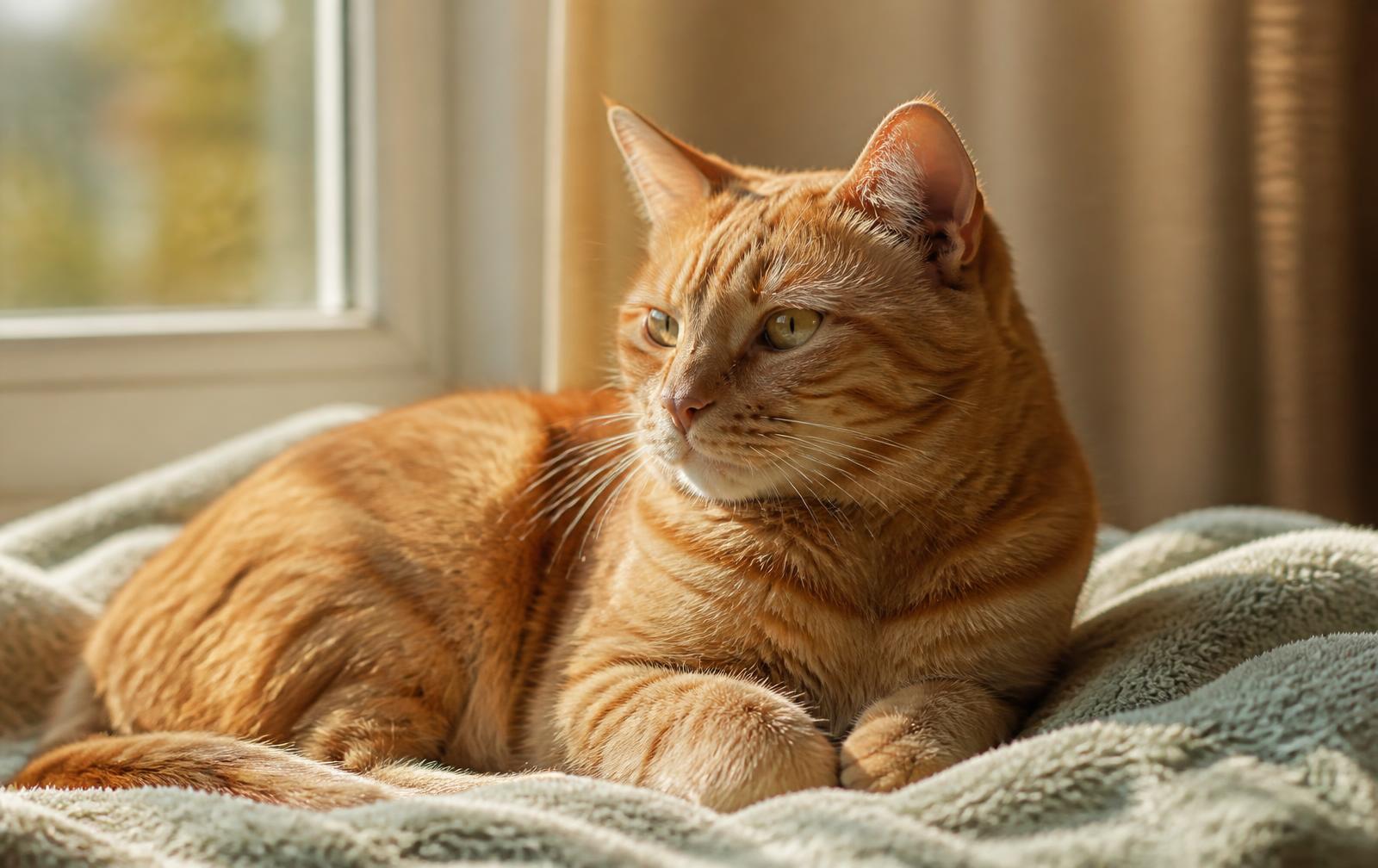
A diagnosis of Feline Immunodeficiency Virus (FIV) can feel frightening for any cat parent, especially in India where testing and awareness are still growing. The good news is that an FIV-positive cat can live a long, comfortable, and happy life with the right care, environment, and monitoring.
In short: FIV is a lifelong viral infection that weakens a cat's immune system over time, but it is not a death sentence. With indoor living, regular veterinary check-ups, a nutrient-dense diet, and stress reduction, most FIV+ cats live nearly as long as uninfected cats. Treats and food cannot cure or treat FIV, but good nutrition plays a real supporting role in keeping the immune system as resilient as possible.
What Is FIV and How Do Cats Get It?
Feline Immunodeficiency Virus is a lentivirus, in the same family as HIV, that specifically infects cats and gradually compromises their immune defences. It is species-specific, meaning humans, dogs, and other pets cannot contract it from an infected cat. FIV spreads primarily through deep bite wounds, which is why unneutered, free-roaming male cats who fight over territory are at the highest risk. Casual contact such as sharing food bowls, mutual grooming, or sneezing does not typically transmit the virus, though kittens can occasionally acquire it from an infected mother.
In India, where community cats and outdoor access are common, FIV is more prevalent than many pet parents realise. The Cornell Feline Health Center notes that FIV prevalence varies by region and lifestyle, with outdoor, unneutered males showing the highest infection rates worldwide.
The Stages of FIV Infection
FIV typically progresses through three broad stages:
- Acute phase: Mild, often unnoticed symptoms like fever or swollen lymph nodes shortly after infection.
- Asymptomatic (latent) phase: This can last for years, sometimes the cat's entire life, with no visible illness.
- Progressive phase: Gradual immune decline that makes the cat more susceptible to secondary infections, dental disease, and chronic illnesses.
Many FIV+ cats never leave the latent phase at all, especially with attentive care and a low-stress environment.
Diagnosing FIV in Cats
Diagnosis is usually made through a blood test (ELISA) at your vet's clinic, sometimes followed by a confirmatory test if the result is unexpected or the cat is a kitten (maternal antibodies can cause false positives in young kittens). It's important to retest kittens after six months of age since their own immune systems need time to develop distinct antibodies.
If your cat tests positive, don't panic — a single positive result should always be confirmed with a second test method, as recommended by the AVMA. Many cats live symptom-free for years after diagnosis, and lifestyle changes can meaningfully slow disease progression.
Caring for an FIV-Positive Cat
Keep Them Indoors
The single most impactful change you can make is transitioning your FIV+ cat to a fully indoor lifestyle. This protects them from acquiring additional infections through fights, reduces exposure to parasites and other viruses, and prevents them from spreading FIV to other cats in the neighbourhood. Enriching the indoor environment with scratching posts, window perches, and interactive play keeps them mentally stimulated despite the lifestyle change.
Schedule Regular Vet Visits
FIV+ cats benefit from veterinary check-ups every six months rather than the standard annual visit. These visits typically include:
| Check-up Component | Why It Matters for FIV+ Cats |
|---|---|
| Weight and body condition | Unexplained weight loss can signal disease progression |
| Dental examination | FIV+ cats are prone to gingivitis and stomatitis |
| Bloodwork (CBC, chemistry) | Detects secondary infections or organ changes early |
| Parasite screening | Weakened immunity increases parasite vulnerability |
| Vaccine status review | Some vaccine protocols are adjusted for FIV+ cats |
Your vet is the only one who can guide diagnosis and any necessary medical therapy — no treat, supplement, or diet can treat or cure FIV itself. Nutrition works alongside, not instead of, veterinary care.
Reduce Stress
Chronic stress can suppress immune function further in any cat, but the effect is more pronounced in an already-compromised FIV+ immune system. Predictable routines, a calm multi-cat household (introduced carefully), and a comfortable resting environment all contribute to better long-term outcomes. If you're managing a multi-cat home, our piece on cat aggression causes and solutions can help keep interactions peaceful.
Nutrition's Role in Supporting an FIV+ Cat's Immune System
While no food can cure FIV, nutrition genuinely matters for cats managing a chronic immune challenge. A cat's immune system relies on adequate high-quality protein, essential amino acids like taurine, and antioxidants to function as well as possible. Malnourished or underweight cats generally show poorer resilience against secondary infections, so maintaining a healthy body condition is a real, practical goal for FIV+ cat parents.
Key nutritional priorities for FIV+ cats include:
- Highly digestible, named-source protein to reduce the digestive burden on a body already managing chronic viral load.
- Adequate hydration, since FIV+ cats are more prone to kidney and urinary issues as they age.
- Consistent appetite stimulation, because these cats can go through periods of reduced appetite during immune flare-ups, and any nutrient intake helps.
- Avoiding raw or undercooked diets, since a compromised immune system is less able to fight off foodborne bacteria — a point echoed by icatcare.org in their FIV care guidelines.
This is where thoughtfully formulated treats can play a small but genuine supporting role. Cleos lickable treats are made with real named protein (like Real Tuna, Tuna & Shrimp, or Chicken), no fillers, and are fortified with L-Taurine and Vitamin E — nutrients that support normal immune and cellular health rather than acting as medicine. For an FIV+ cat going through a picky appetite phase, a palatable, nutrient-dense lickable treat can encourage eating without adding empty calories or unnecessary fillers. Understanding protein content in cat treats can help you evaluate what you're actually feeding, especially for a cat who needs every bite to count nutritionally.
It's worth reiterating: treats support overall wellbeing, they do not treat or manage FIV medically. Any suspected illness, appetite change, or weight loss in an FIV+ cat should always be directed to your veterinarian first.

Living Well: Long-Term Outlook
Many FIV+ cats live 10-15 years or more with attentive care, particularly when diagnosed early and managed proactively. The key is treating FIV as a chronic condition to monitor rather than an emergency to fear. Avoid the temptation to isolate your cat emotionally just because they need a different lifestyle — FIV+ cats can still enjoy play, affection, treats, and companionship fully.
If you have other cats at home, the AVMA and Cornell Feline Health Center both note that FIV transmission risk in stable, non-aggressive multi-cat households is low, since it requires deep bite wounds rather than casual contact. Many households successfully keep FIV+ and FIV-negative cats together once cats are spayed/neutered and conflicts are minimised.
Watching for Warning Signs
Keep an eye out for these signs that may indicate disease progression and warrant a prompt vet visit:
- Persistent lethargy or reduced appetite
- Recurring infections (skin, respiratory, or urinary)
- Noticeable weight loss over a few weeks
- Oral pain, drooling, or reluctance to eat hard food
- Chronic diarrhoea or vomiting
Catching these early gives your vet the best chance to intervene effectively.
Join the Cleos Waitlist: If you're caring for a cat managing a chronic condition like FIV, small daily moments of joy matter. Cleos lickable treats are made with real named protein, no fillers, and are fortified with L-Taurine and Vitamin E to support your cat's everyday wellbeing. Join the waitlist at https://getcleos.in/#waitlist.
Frequently Asked Questions
Can FIV-positive cats live with FIV-negative cats safely?
Yes, in most cases. FIV spreads primarily through deep bite wounds during fights, not through casual contact like sharing bowls, bedding, or mutual grooming. In calm, spayed/neutered multi-cat households with minimal conflict, the transmission risk is low. However, introductions should be gradual and supervised, and any household with fighting cats should consult a vet or behaviourist to reduce risk before combining FIV-positive and FIV-negative cats permanently.
How long can an FIV-positive cat live?
Many FIV-positive cats live 10 to 15 years, similar to uninfected cats, especially when kept indoors, monitored regularly by a vet, and fed a nutritious diet. Lifespan depends heavily on how early the infection is caught and how well secondary infections and stress are managed. Cats diagnosed in the asymptomatic phase and given consistent care often never progress to serious immune decline, making long-term prognosis genuinely encouraging for most FIV+ cats.
Can I feed my FIV-positive cat regular treats?
Generally yes, as long as the treats are nutritionally sound, free of harmful fillers, and given in moderation. Avoid raw or undercooked treats due to increased infection risk from a weakened immune system. Look for treats with real named protein and minimal processing, similar to guidance in our post on named ingredients vs mystery meat. Always check with your vet if your cat has specific dietary restrictions related to secondary conditions like kidney or dental disease.
Do FIV-positive cats need a special diet?
There isn't one universal "FIV diet," but vets generally recommend a highly digestible, complete, and balanced diet, avoiding raw food due to bacterial risk. Some vets suggest slightly higher protein and calorie density if the cat struggles to maintain weight. The core goal is consistent, high-quality nutrition to support the immune system as much as possible, alongside regular monitoring, rather than a single prescriptive formula that applies to every FIV+ cat.
Is FIV the same as feline leukaemia (FeLV)?
No, though they're often mentioned together. FIV and FeLV are different retroviruses with different transmission methods and disease patterns — FIV spreads mainly through bite wounds, while FeLV can spread through more casual contact like shared grooming or saliva. Cats can test positive for one, both, or neither. Our guide to feline leukaemia breaks down FeLV specifically, including how its management differs from FIV.
Keep Cleos close
Get more Cleos stories on Google
Add Cleos as a preferred source to make our cat care guides easier to find in Google.
Add to Preferred SourcesFound this useful? Share it
Treats worth reading the label for.
Cleos lickable treats are built on real, named ingredients — Real Chicken, Real Tuna, Tuna & Shrimp and Chicken & Veggies — with zero artificial fillers.
Join the Cleos waitlistKeep reading
Travel Carriers and Cat Crates: Stress-Free Transport
Choose the right cat carrier or crate and learn practical tips for calmer vet visits, car trips, and moves with your feline companion.
Read more →

Pet Cameras and Monitoring: Tech for Checking on Your Cat
A practical guide to pet cameras and monitoring systems for cats, covering features, placement, and how to use them without over-worrying.
Read more →
Food and Water Bowls: Material, Design, and Health Considerations
Compare cat food bowls and water bowls by material and design, including stainless steel bowls, to protect whisker health and hygiene.
Read more →