Do Cats Have Emotions? Understanding Feline Feelings
Explore the science of feline emotions: attachment bonds, stress responses, grief and affection, plus how to read and respond to your cat's feelings.
By the Cleos team · 3 January 2028 · 5 min read
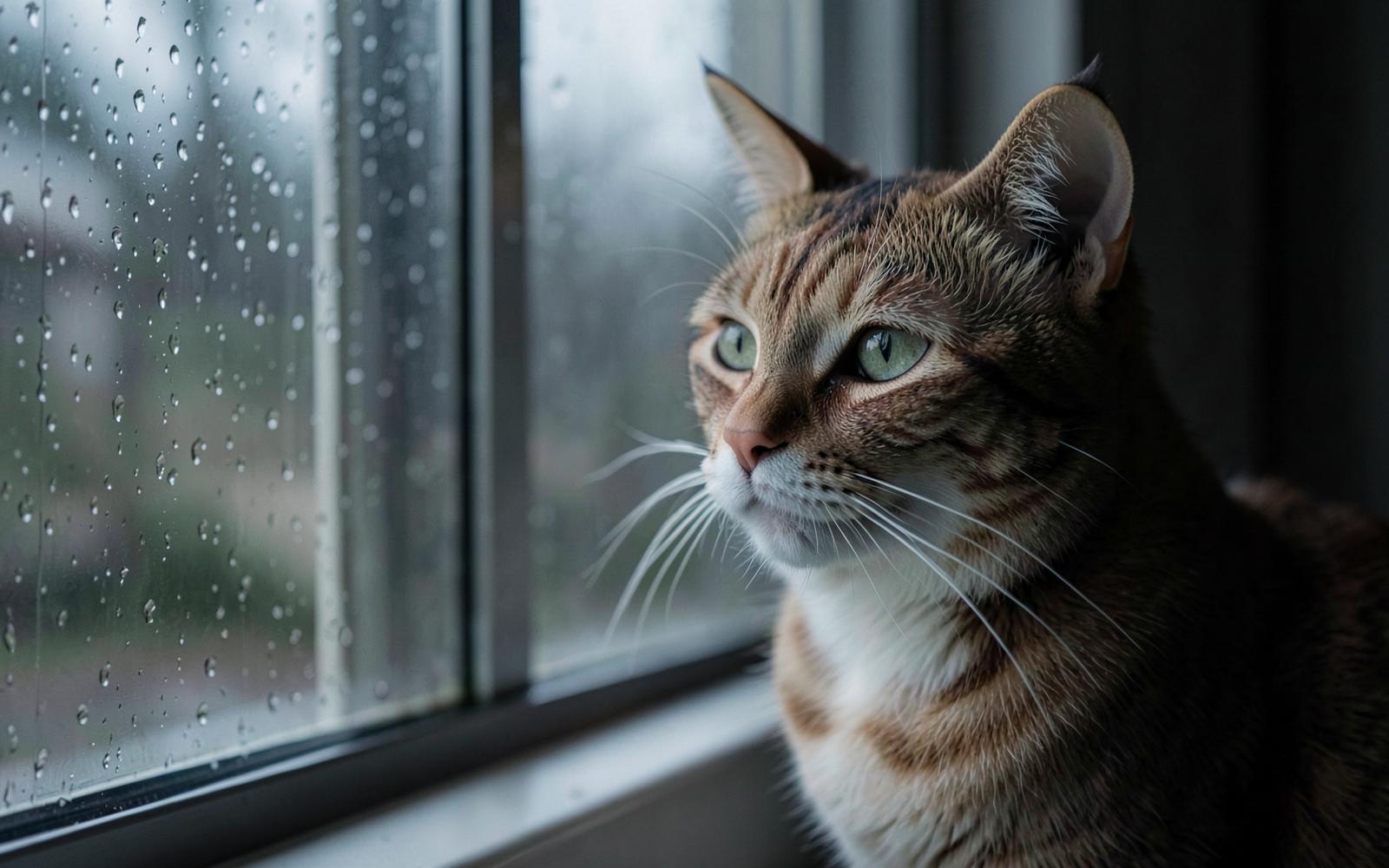
Ask any cat parent whether their cat loves them and you'll get an emphatic yes, followed by a story. Ask a scientist the same question and you'll get a careful, qualified yes, followed by fascinating research. The truth about feline emotions sits somewhere between the two, and it's richer than either camp once believed.
In short: Cats do experience emotions, contentment, fear, anxiety, frustration, affection, and grief among them, though they express feelings differently from dogs or humans. Research shows cats form genuine attachment bonds with their owners, read human emotional cues, and show measurable stress and comfort responses. Learning to read your cat's emotional signals deepens trust and helps you spot when something's wrong.
What Science Says
For decades, cats were dismissed as aloof and emotionally simple, largely because they don't wear feelings on their sleeves the way dogs do. Modern research tells a different story:
- Attachment bonds: Studies adapting infant attachment tests found that around 65% of cats show secure attachment to their owners, comparable to dogs and human infants. Cats in these studies used their owners as a "secure base," exploring more confidently when their person was present.
- Emotional contagion: Cats read human emotional cues. Research shows they can distinguish happy from angry human expressions and adjust their behaviour accordingly, approaching more when their owner seems happy.
- Stress and comfort responses: Cats show measurable physiological stress (cortisol changes, hiding, appetite shifts) in response to household disruption, and genuine calming in response to familiar people and routines.
- Grief: Many cat parents and vets observe clear grief behaviour in cats after losing a bonded companion, searching, vocalising, appetite changes, withdrawal.
The Emotions Cats Experience
Contentment and Affection
The relaxed cat, slow blinking, purring, kneading, choosing to be near you, is experiencing something genuinely close to contentment and trust. Cats are selective about proximity; a cat who seeks your lap is expressing a preference, not a reflex.
Fear and Anxiety
Cats live as both predator and prey, so their fear circuitry is finely tuned. New people, loud noises, carrier appearances, and vet visits trigger real anxiety, visible in flattened ears, dilated pupils, hiding, and freezing. Chronic anxiety from unstable environments can even manifest as physical illness.
Frustration
Cats experience frustration when expectations aren't met, a delayed meal, a closed door, an unreachable bird behind glass. Frustration often shows as redirected behaviour: sudden swatting, over-grooming, or the infamous zoomies.
Grief and Loneliness
Cats form genuine social bonds, with humans and with other animals. Losing a companion can produce weeks of searching, changed appetite, and altered sleep. Bonded cats also experience loneliness; a cat who follows you room to room isn't being needy. They're being social.
Anticipation and Joy
Watch a cat who hears the treat pouch rustle or sees the wand toy come out. The focused excitement, chirping, tail quivering, dancing at your feet, is anticipation and delight, as real as any dog's.
How Cats Express Emotions Differently
Cat emotional expression is subtle because their ancestral communication was subtle. Dogs evolved alongside humans for ~30,000 years and developed obvious facial expressiveness; cats domesticated more recently and on their own terms. Their emotional vocabulary lives in:
- Tail position and movement: see our body language guide
- Ear rotation: forward (interested), sideways (uncertain), flattened (fear/anger)
- Eyes: slow blinks signal trust; dilated pupils signal arousal or fear
- Vocalisation: adult cats meow almost exclusively at humans, a language evolved specifically for us
- Body contact: rubbing, headbutting, and choosing proximity are affection signals (see why cats headbutt)
What This Means for Cat Parents
Emotions Deserve Response
A cat hiding after a house move isn't being dramatic. They're anxious, and they need patience, a safe base space, and routine. Responding to emotional states, not just physical needs, is modern cat care.
Security Is Emotional Care
Predictable routines, safe retreats, gentle handling, and respected boundaries build the emotional security cats need to thrive. A cat who trusts their environment shows it in confidence, playfulness, and affection.
Positive Rituals Build Emotional Bonds
Shared positive moments, play sessions, calm companionship, daily treat rituals, strengthen attachment the same way positive experiences bond any relationship. A cat who associates you with good things chooses you more often. Hand-fed treats, offered during quiet moments, are a simple but powerful bonding tool.
Join the Cleos Waitlist: Bonding happens in small daily moments. Cleos lickable treats are made for hand-feeding rituals that build trust and affection. Be first to try them at https://getcleos.in/#waitlist.
Frequently Asked Questions
Do cats miss their owners when away?
Yes, in their way. Studies show cats notice owner absence and many show attachment behaviours on reunion, approaching, vocalising, rubbing. They may not perform it like dogs, but separation-related behaviours (excessive vocalisation, appetite changes, destructive behaviour) occur in some cats during long absences. Video evidence from pet cameras regularly shows cats waiting near doors around their owners' usual return times.
Can cats sense human emotions?
Research indicates cats can distinguish human emotional expressions and tone of voice, and they often respond, approaching distressed owners or avoiding angry ones. Whether this is true empathy or learned association, the practical effect is real: your emotional state influences your cat's behaviour and comfort.
Do cats get jealous?
Cats show behaviour consistent with jealousy, pushing between you and a phone, another pet, or a new baby; swatting at a rival for attention. Whether they feel jealousy as humans do is unanswerable, but they clearly track and respond to the distribution of your attention. Managing multi-pet households with individual attention for each animal helps.
Is my cat happy living indoors?
Indoor cats can be deeply content. And live far longer than outdoor cats, provided their environment meets their emotional needs: vertical territory, hunting-style play, window views, predictable routines, and social engagement. Boredom, not indoor life itself, is the enemy. A well-enriched indoor cat shows all the markers of contentment: playfulness, healthy appetite, relaxed body language, and social seeking.
Keep Cleos close
Get more Cleos stories on Google
Add Cleos as a preferred source to make our cat care guides easier to find in Google.
Add to Preferred SourcesFound this useful? Share it
Treats worth reading the label for.
Cleos lickable treats are built on real, named ingredients: Real Chicken, Real Tuna, Tuna & Shrimp and Chicken & Veggies. No artificial fillers.
Join the Cleos waitlistKeep reading
Travel Carriers and Cat Crates: Stress-Free Transport
Choose the right cat carrier or crate and learn practical tips for calmer vet visits, car trips, and moves with your feline companion.
Read more →
Pet Cameras and Monitoring: Tech for Checking on Your Cat
A practical guide to pet cameras and monitoring systems for cats, covering features, placement, and how to use them without over-worrying.
Read more →
Food and Water Bowls: Material, Design, and Health Considerations
Compare cat food bowls and water bowls by material and design, including stainless steel bowls, to protect whisker health and hygiene.
Read more →